BC fly fishing only special regulation waters
It can be incredibly frustrating to plan an exciting fishing trip to a new spot in British Columbia, only to arrive and realize that the specific water you’re targeting has special regulations, especially those designating it as "fly fishing only." It’s a common pitfall, and honestly, the rules can sometimes feel like a maze, changing from one river section to another or even seasonally. This guide is designed to help you cut through that confusion, giving you a clear understanding of what "fly fishing only" means in BC, where you might encounter these special waters, and how to prepare for a successful and compliant outing.
Understanding "Fly Fishing Only" Waters in BC
British Columbia is a vast and diverse province, offering an incredible array of fishing experiences. From tranquil mountain lakes to roaring coastal rivers, the opportunities are endless. However, to protect these precious resources and enhance specific angling experiences, the province implements various special regulations, with "fly fishing only" being one of the most prominent for trout and salmon anglers.
What "Fly Fishing Only" Actually Means
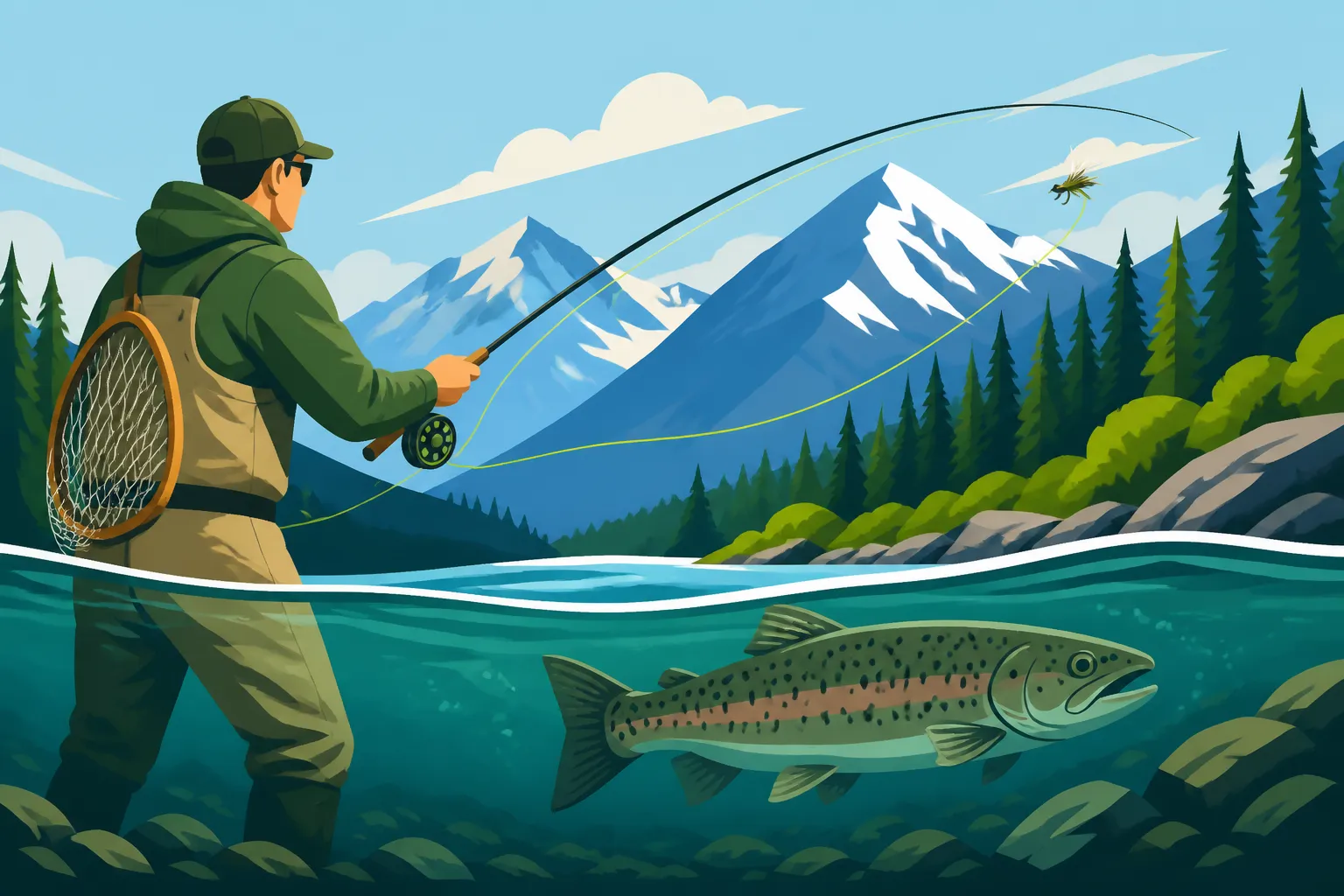
When you see a regulation specifying "fly fishing only," it's not just a suggestion – it's a strict rule that dictates the type of gear you can use. At its core, it means you must exclusively use a fly rod, a fly reel, and a fly line. The only thing you're allowed to present to the fish at the end of that line is an artificial fly. This definition is crucial because it immediately excludes a whole host of popular angling methods.
For instance, you cannot use conventional spinning or baitcasting gear. This means no spinning rods with bobbers and worms, no casting spoons or spinners (even if they're considered artificial lures), and absolutely no bait of any kind – no roe, no worms, no PowerBait, no krill, nothing natural. The intent here is to limit the type of presentation, often to reduce mortality rates with more delicate fish species or simply to preserve the challenge and aesthetic of fly fishing. An artificial fly, generally made of feathers, fur, and thread tied onto a hook, is the only legal offering. Understanding these nuances is vital to avoid a potential fine or, more importantly, to ensure you're respecting the fishery.
Why These Regulations Exist
The "fly fishing only" designation isn't about making fishing harder; it's a carefully considered management tool. One of the primary reasons for these rules is conservation. Many of BC's most iconic fish species, like wild rainbow trout, steelhead, and certain salmon populations, are incredibly sensitive to angling pressure. The thought process is that fly fishing, particularly with barbless hooks (which are often also required in these waters), tends to result in lower hooking mortality rates compared to bait fishing or even some forms of lure fishing. It's easier to release a fish unharmed when it's taken a small fly in the lip rather than swallowed a bait deep in its gullet.
Beyond conservation, these regulations are also about enhancing the angling experience. For many fly anglers, the challenge and tradition of fly fishing are paramount. By dedicating specific waters to "fly fishing only," the province aims to create pristine environments where anglers can enjoy the unique art of fly casting without the competition or differing methods of conventional gear. It helps maintain a certain "purist" appeal, reducing overall pressure and promoting sustainable fishing practices for future generations. It ensures that anglers who seek this specific experience can find it, contributing to the diversity of fishing opportunities available across the province. You can learn more about specific conservation efforts in articles like BC Salmon Conservation Stamp Rules or BC Steelhead Conservation Surcharge Stamp.
Navigating BC's Key Fly Fishing Only Waters
British Columbia boasts a remarkable number of waterways, and while not all are fly-fishing exclusive, many of its most celebrated trout and steelhead destinations feature these special regulations. Knowing where these spots are, and what makes them unique, is key to planning your next adventure.
Renowned Coastal Streams and Rivers
When we talk about fly fishing on BC's coast, certain rivers immediately spring to mind. These waters are often famous for their anadromous species – fish that spend part of their lives in saltwater and return to freshwater to spawn. For example, specific sections of the Cowichan River on Vancouver Island are iconic for their large brown trout, rainbow trout, and seasonal salmon and steelhead runs, and parts of it are indeed fly-fishing only. The clarity of the water here often demands a stealthy approach and precise fly presentations, making it a dream for dedicated fly anglers. Similarly, smaller coastal streams, particularly those known for wild cutthroat trout or winter steelhead, may have sections designated for fly fishing only to protect these populations during vulnerable periods.
The beauty of these coastal rivers lies in their dynamic nature, often influenced by tides and rainfall. Anglers here might target sea-run cutthroat trout in the estuaries or focus on migrating coho and chinook salmon further upstream during their respective runs. However, always remember to check the specific regulations for the exact section of river you plan to fish, as rules can change frequently or be very localized. For instance, the BC Chinook Salmon Non-Retention Areas might have different gear restrictions than other parts of the same river.
Interior Lakes and Streams with Fly-Only Rules
Moving inland, BC's Interior offers a completely different, but equally compelling, set of fly-fishing-only waters. The Cariboo and Thompson-Okanagan regions, in particular, are famous for their stillwater fly fishing, especially for robust rainbow trout. Many of the small to medium-sized lakes in these regions are stocked regularly and managed as "fly fishing only" to promote catch-and-release and maintain healthy fish populations. These lakes are often gems for anglers looking to hone their stillwater techniques, from chironomid fishing under indicators to stripping leeches and scuds.
Beyond lakes, certain interior rivers also have fly-only stretches. The Elk River, for instance, is a renowned fishery for Westslope cutthroat trout and bull trout, and specific sections are often designated for fly fishing to preserve the wild nature of the fishery. These river sections typically feature classic riffle-run-pool dynamics, perfect for dry-fly fishing during hatches or nymphing through deeper pockets. The experience of wading these pristine waters, surrounded by stunning mountain scenery, is unparalleled. Keep in mind that for specific species like bull trout, there are also conservation regulations to be aware of, which you can read about in BC Bull Trout Conservation Regulations.
Lesser-Known Gems and Seasonal Considerations
It's not just the famous rivers and lakes that hold "fly fishing only" designations. British Columbia is peppered with smaller, more remote waters that carry these special rules, often to protect unique genetic strains of fish or to manage low-pressure fisheries. Discovering these lesser-known gems often requires a bit more research and local knowledge. This is where the official BC Freshwater Fishing Regulations Synopsis becomes your absolute best friend. It’s updated annually and provides detailed maps and rules for every region.
Furthermore, these fly-only rules aren't always static; they can be seasonal. A river might be fly-fishing only during a critical spawning period or a specific migratory run, then open up to other gear types at different times of the year. This dynamic nature underscores the importance of checking current regulations before every trip. Ignorance of the rules is not a defense, and conservation officers are vigilant about protecting these resources. Some of these seasonal changes might be highlighted in BC Fishing Season Dates and Closures or BC Fishery Notices and In-Season Closures, Explained. Always verify, verify, verify!
Essential Gear and Etiquette for Fly-Only Waters
Stepping onto a "fly fishing only" water requires not just the right understanding of regulations but also the right gear and, crucially, the right mindset regarding etiquette. These waters are often shared spaces where conservation and respect for the environment and fellow anglers are paramount.
Must-Have Fly Fishing Equipment
If you're heading to a fly-only water, your gear needs to be up to snuff. First and foremost, you'll need a fly rod and reel. For most trout and smaller salmon on rivers, a 9-foot, 5 or 6-weight rod is a versatile choice. For larger rivers or targeting steelhead, you might step up to a 7 or 8-weight, or even a two-handed spey rod for swinging flies. Matching the reel to the rod's weight for balance is important, and ensure it has a smooth drag system, especially for fighting bigger fish. You can find a wide array of options, from beginner combos to advanced setups, available on Amazon.
Your fly line is equally important. A weight-forward floating line is a great all-around choice for many situations, but you might consider sinking tips or full sinking lines for deeper stillwaters or fast-moving rivers. Don't forget your leader and tippet – essential for stealthily presenting your fly. Fluorocarbon tippet, often found on Amazon, is a popular choice for its near invisibility underwater.
Finally, the artificial flies themselves are, of course, critical. Your selection will depend heavily on the time of year, insect hatches, and the specific fish you're targeting. For trout, carrying a selection of nymphs (e.g., Prince Nymphs, Hare's Ears), dry flies (e.g., Caddis, Parachutes), and streamers (e.g., Woolly Buggers) is a good start. For salmon and steelhead, larger patterns like Intruders, Skagit, or Coho Buggers might be in order. Many anglers tie their own, but pre-tied assortments are readily available. Always check with local fly shops for current hatch information or recommended patterns for the specific water you're fishing.
Practicing Responsible Angling and Etiquette
Fishing in "fly fishing only" waters often comes with an unspoken code of conduct, centered around conservation and courtesy. Catch-and-release is frequently mandated or strongly encouraged. If you are releasing fish, practice responsible handling: keep the fish in the water as much as possible, use a net with a rubberized mesh (better for fish slime), and remove the hook gently with forceps. Barbless hooks are usually a requirement in these sensitive waters, making releases much easier and less harmful.
Wading techniques are also important. Be mindful of spawning redds (fish nests) in the riverbed, especially during spawning seasons; stepping on them can destroy future generations. Wade carefully and slowly to avoid disturbing the bottom too much, which can spook fish. Always look before you step.
Respecting other anglers is non-negotiable. Maintain a respectful distance from other fishers, allowing them ample space to cast and move. If you encounter someone fishing a run, don't crowd them. Either find another spot or wait patiently for them to move on, perhaps even offering a friendly greeting and asking if the fish are biting. Leave no trace of your visit – pack out all your trash, including discarded leader and tippet material. These small acts of courtesy and conservation help preserve the quality of the experience for everyone and ensure these special waters remain healthy and vibrant. You can find more information on mindful fishing in guides like BC Catch and Release Only Waters.
How to Stay Informed About BC's Dynamic Regulations
British Columbia's fishing regulations are not static; they are living documents that evolve based on conservation needs, scientific data, and environmental factors. Staying informed is perhaps the most crucial aspect of responsible angling, especially when targeting specific "fly fishing only" waters.
Official Resources and Updates
The single most important document for any angler in BC is the BC Freshwater Fishing Regulations Synopsis. This comprehensive guide is published annually by the Ministry of Forests, Lands, Natural Resource Operations and Rural Development. It details province-wide regulations, regional regulations, and specific rules for individual lakes and rivers, including all "fly fishing only" designations. You can typically find a print copy at most fishing tackle stores, Service BC Centres, or sporting goods retailers, but the most up-to-date version is always available online as a PDF. Always refer to the current year's synopsis.
Beyond the annual synopsis, it’s imperative to regularly check BC Fishery Notices. These notices are issued throughout the year to announce in-season changes, emergency closures, or specific updates that supersede the printed synopsis. River sections might close unexpectedly due to low water, high temperatures impacting fish, or critical conservation concerns for specific runs. These notices are published by Fisheries and Oceans Canada (DFO) for tidal waters (which can affect the lower reaches of some rivers) and by the provincial government for freshwater. Subscribing to email alerts for fishery notices is highly recommended for any avid angler. This will ensure you receive real-time updates directly to your inbox, preventing any surprises when you arrive at your chosen fishing spot. This proactive approach is key to understanding, for example, BC Fraser River Sockeye Closure Windows or BC Chinook Salmon Non-Retention Areas which might also have associated gear restrictions.
Local Knowledge and Online Communities
While official documents are the foundation, local knowledge can provide invaluable, real-time insights that complement the regulations. Visiting local fly shops in the area you plan to fish is an excellent strategy. Shops like Pacific Angler in Vancouver, K&K Fly and Tackle in Chilliwack, or Island Outfitters in Victoria are treasure troves of information. The staff often have daily updates on water conditions, recent hatches, and specific local nuances that might not be explicitly stated in the synopsis. They can tell you which flies are working best and offer tips on access points or etiquette for particular waters.
Online communities, forums, and social media groups dedicated to BC fly fishing can also be useful resources. These platforms allow anglers to share experiences, recent conditions, and sometimes even highlight recent regulation changes or upcoming notices. However, always cross-reference information from these sources with official government channels, as anecdotal information can sometimes be outdated or misinformed. Pairing official regulations with current local insights will give you the most comprehensive picture and ensure you're fishing legally and effectively.
| Gear Category | Allowed in "Fly Fishing Only" Waters | Prohibited in "Fly Fishing Only" Waters |
|---|---|---|
| Rod Type | Fly Rod | Spinning Rod, Baitcasting Rod |
| Reel Type | Fly Reel | Spinning Reel, Baitcasting Reel |
| Line Type | Fly Line (Floating, Sinking) | Monofilament, Fluorocarbon (main line), Braided Line |
| Terminal Tackle | Artificial Flies Only | Natural Bait (worms, roe, krill) |
| Artificial Lures (spoons, spinners, jigs, soft plastics) | ||
| Scented Baits (PowerBait) | ||
| Hook Type | Single Barbless Hooks (often required) | Barbed Hooks (check specific regs), Treble Hooks (often prohibited) |
| Weighting | Integrated into fly lines or leaders | Lead weights, split shot (unless part of a specific fly rig) |
Disclaimer
Please remember that fishing regulations in British Columbia can change frequently. Always consult the most current BC Freshwater Fishing Regulations Synopsis and official BC Fishery Notices before heading out on any fishing trip. This guide is for informational purposes only and should not be considered a substitute for official government publications.