BC Fishing License for Disabled Residents
It can feel incredibly frustrating to navigate the often-complex world of fishing regulations, especially when you have a disability and you're just trying to figure out if there are specific provisions that apply to you. You want to enjoy the incredible fishing opportunities British Columbia offers, but getting clear, concise information about fishing licenses for disabled residents can feel like searching for a needle in a haystack. This guide is here to cut through the confusion, break down the specifics of BC fishing licenses for disabled residents, and help you understand exactly what you need to get out on the water.
Understanding the BC Fishing License Landscape for Disabled Anglers
British Columbia is a gem for anglers, and thankfully, the province recognizes the importance of making this pastime accessible to everyone. However, the exact rules and how they apply to individuals with disabilities can be a bit opaque. It’s not always a straightforward "yes" or "no" answer, as eligibility often depends on the type and severity of the disability and the supporting documentation.
Who Qualifies as a Disabled Resident for a BC Fishing License?
This is often the first and most critical question, and it's where a lot of confusion can creep in. When the province talks about "disabled residents" in the context of fishing licenses, they are generally referring to individuals who meet specific criteria related to a permanent and significant disability that impacts their ability to engage in daily activities, including potentially their ability to fish without assistance or specialized equipment. It’s not just about having a medical condition; it’s about how that condition functionally limits you.
For freshwater fishing, the BC government generally aligns its definition with those who receive certain disability benefits or hold specific disability-related identification. This often includes individuals who are recognized as permanently disabled by a provincial or federal government program, such as those receiving the Persons with Disabilities (PWD) benefit in BC, or who qualify for the federal Disability Tax Credit. This doesn't mean every single disability automatically qualifies you for a special license or exemption; it means you generally need official documentation demonstrating your status. For instance, a temporary injury, while certainly limiting, typically wouldn't qualify under these provisions. The key is usually a permanent disability recognized by a formal program. Always be prepared to provide proof of your disability status, often in the form of official government letters or identification cards, during the application process.
The Importance of a Valid License, Regardless of Disability Status
Even with potential provisions or reduced fees for disabled residents, the fundamental requirement to hold a valid fishing license in British Columbia remains paramount. This isn't just bureaucratic red tape; it's the backbone of conservation efforts and sustainable fishing practices. Every license purchased contributes directly to the management, protection, and enhancement of BC’s diverse fisheries, from the mighty Fraser River salmon runs to the tranquil interior trout lakes.
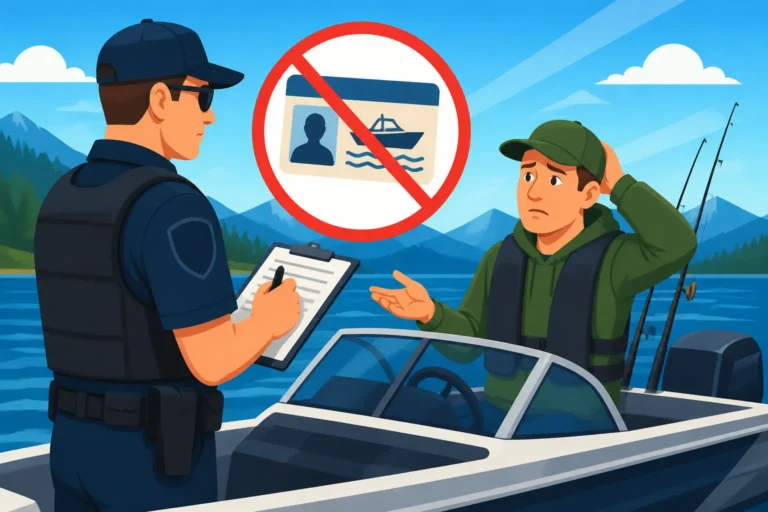
Fishing without a license, even if you believe you should be exempt or qualify for a special category, can lead to serious consequences. Conservation officers are diligent in their patrols, and they treat unlicensed fishing as a serious offense. Penalties for Fishing Without a License in BC: Penalties can range from hefty fines, potentially thousands of dollars, to the seizure of your fishing gear, and even a ban from fishing in BC waters for a period. It's simply not worth the risk. Beyond the legal ramifications, possessing a license demonstrates your commitment to ethical angling and supports the long-term health of the fish populations that make BC such a world-class fishing destination. Always ensure your license is current and appropriate for the waters you plan to fish, whether it's freshwater, tidal, or a combination of both.
Specific License Provisions and Discounts for Disabled Residents
British Columbia has made strides to ensure that fishing remains an inclusive activity, and this includes offering specific provisions and sometimes discounted rates for disabled residents. It's not a blanket free-for-all, but there are definite considerations that can make fishing more accessible and affordable.
Overview of Freshwater and Tidal Water License Options
When you're looking at a BC fishing license, you essentially have two main categories: freshwater and tidal (saltwater). Your disability status can influence both.
For freshwater fishing, which covers lakes, rivers, and streams inland, BC offers a range of options. If you are a resident of British Columbia and meet the provincial criteria for a person with a disability, you are generally eligible for a freshwater fishing license at a reduced rate, or in some specific cases, even free of charge. This is a significant benefit, as annual freshwater licenses can add up, especially for those on fixed incomes. This discounted license typically grants you the same fishing privileges as a regular resident license, meaning you can fish for most freshwater species, subject to provincial regulations. However, it's crucial to remember that specialized stamps, like the freshwater salmon conservation stamp or the steelhead conservation surcharge stamp, might still be required depending on what species you intend to target and retain. The cost savings here can be substantial, allowing you to invest more in accessible gear or a comfortable fishing setup, perhaps a specialized chair or even a sturdy pair of waders available on Amazon.
When it comes to tidal waters fishing, which encompasses the vast saltwater coastlines, bays, and inlets of BC, the Department of Fisheries and Oceans (DFO) Canada is the governing body. While the provincial government manages freshwater licenses, DFO manages tidal. Currently, DFO does not offer specific discounted or free tidal water fishing licenses based solely on disability status for recreational anglers. Therefore, disabled residents typically pay the same rates as other residents for their annual or short-term tidal fishing licenses. However, it's always worth checking the DFO website for any policy changes, as regulations can evolve. Even without a direct discount, an annual tidal license is generally more cost-effective than multiple short-term licenses if you plan to fish saltwater frequently. Remember, a BC Freshwater vs Tidal Waters License, Explained article can offer a more detailed breakdown of these distinct licensing systems.
The Application Process and Required Documentation
Applying for your fishing license as a disabled resident requires a bit more than just clicking a few buttons, but it's not overly complicated once you know the steps. The key is having your documentation in order.
For the discounted or free freshwater license, you will need to prove your resident status and your disability status.
- Proof of BC Residency: This usually involves a valid BC Driver's License or a BC Services Card. These documents confirm you live in the province.
- Proof of Disability Status: This is the crucial part. Acceptable documents typically include:
- An official letter from the Ministry of Social Development and Poverty Reduction confirming you are a recipient of the Persons with Disabilities (PWD) benefit.
- A Disability Tax Credit Certificate from the Canada Revenue Agency (CRA).
- In some cases, a letter from a medical professional outlining a permanent, severe disability that significantly impacts your mobility or ability to perform daily tasks. However, government-issued disability documents are usually preferred and more universally accepted.
You can often start the process online through the BC government's hunting and fishing licensing system, but for new applications related to disability status, you might need to submit documentation directly to a government agent or a designated vendor. They will review your documents to verify eligibility. Once approved, your discounted license can often be purchased and printed just like any other. For those who prefer to apply in person or need assistance, visiting a local Service BC Centre or a designated independent vendor who processes BC fishing licenses is a good option. These individuals can help guide you through the required paperwork and ensure you have everything needed. Make sure to check their hours and what documents you need to bring before heading out.
For tidal water licenses, as mentioned, there aren't specific disability discounts, so the application process is the same for all residents. You will apply directly through the DFO's National Recreational Licensing System online or visit a registered vendor. You'll need your personal identification (like your BC Driver's License or Services Card) and payment. While no specific disability documentation is required for a discount here, it's still good practice to have your BC Services Card handy for identification.
Navigating Special Conditions and Accessibility Considerations
Beyond simply getting the license, disabled anglers often face unique challenges and considerations when planning a fishing trip. British Columbia is working towards greater accessibility, but it's important to know what to look for and what resources are available.
Accessing Accessible Fishing Locations and Facilities
Finding suitable fishing spots that cater to varying accessibility needs can be a real hurdle. Not every beautiful riverbank or serene lake access point is paved, level, or equipped with accessible facilities. Many popular fishing spots involve uneven terrain, steep banks, or require significant walking. However, there are growing efforts to improve accessibility across the province.
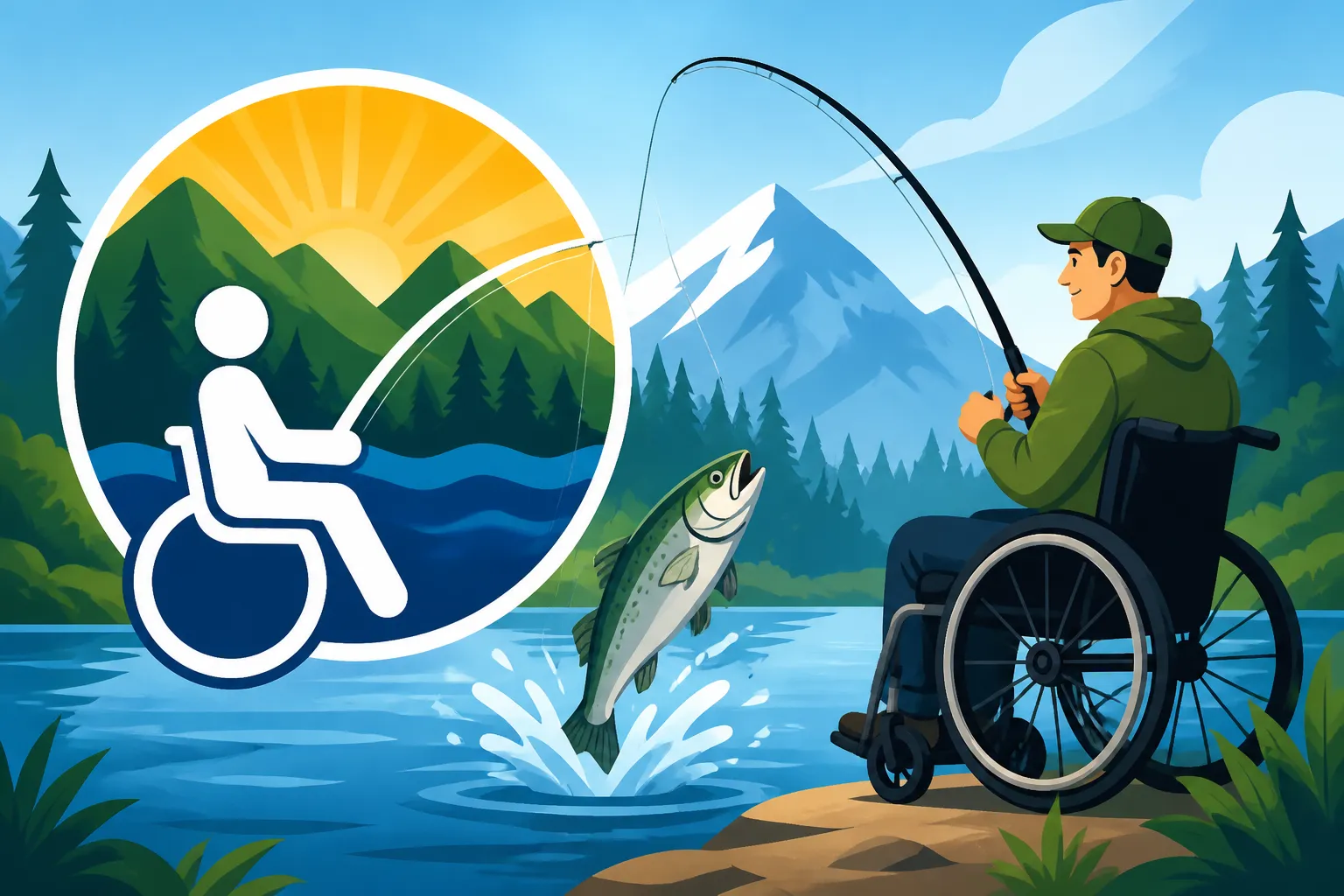
Many provincial parks and some municipal parks now feature accessible fishing piers or docks. These are often constructed with wider, level surfaces, railings, and sometimes even specialized cutouts to allow anglers in wheelchairs or with mobility challenges to comfortably cast a line. For example, some piers on Okanagan Lake or parts of the Fraser River have been upgraded to be more accessible. The Freshwater Fisheries Society of BC (FFSBC) is a fantastic resource, as they manage many of the province's freshwater fishing programs, including stocking lakes, and they often highlight accessible fishing locations on their website. They've identified dozens of sites with features like accessible fishing docks, paved pathways, and accessible washrooms. When planning a trip, always consult the specific park or facility's website or call ahead to confirm their current accessibility features. Some tackle shops might also have local knowledge about these spots. For those who enjoy lake fishing, checking out Best Fishing Lakes in British Columbia can provide a starting point, then research the specific access points.
Another consideration is boat launches. While many are simply gravel or concrete ramps, some larger lakes and coastal areas offer paved, well-maintained launches with ample parking, which can make it easier to transfer into a boat or launch a vessel designed for accessibility. Companies like Amazon also offer a range of assistive fishing devices, from rod holders that attach to wheelchairs to adaptive casting aids, which can open up more fishing opportunities even in less-than-perfectly accessible locations. Always prioritize safety, especially around water, and consider fishing with a companion who can provide assistance if needed.
Rules for Assistance and Companion Anglers
For many disabled anglers, having a companion or assistant is not just helpful, but essential. Whether it's for navigating terrain, baiting hooks, or simply ensuring safety, a helping hand can make all the difference. Understanding the rules around assistance is crucial to avoid any misunderstandings with conservation officers.
Generally, a companion angler who is assisting a disabled license holder does not need their own license if they are solely providing assistance and are not actively fishing themselves. This means they are not casting, reeling in, or attempting to catch fish. Their role is purely supportive. For example, if your friend is baiting your hook, netting your fish, or helping you move your gear, they don't necessarily need a license. However, if that companion decides to pick up a rod and start fishing themselves, even for a moment, they must possess their own valid fishing license, appropriate for the waters they are fishing. There are no exemptions for "helping out" if that "helping out" constitutes active angling.
It's always best to err on the side of caution. If there's any ambiguity about whether your companion might want to cast a line, even for a minute, it's far better for them to purchase their own license. This avoids any potential issues with enforcement. Furthermore, if the disabled angler has difficulty handling a rod or reeling in a fish independently, there are often provisions that allow the companion to assist directly with the catch, provided the disabled angler initiated the fishing action (e.g., cast the line) and is present and supervising. Specifics can sometimes be found in the Reading the BC Freshwater Fishing Regulations Synopsis. Always clarify with the relevant authorities (FLNRORD for freshwater, DFO for tidal) if you have any complex scenarios or questions regarding companion assistance, especially concerning the act of landing a fish.
Purchasing and Managing Your Disabled Resident Fishing License
Once you've understood the eligibility and specific provisions, the next step is actually getting your hands on that license and knowing how to keep it current. British Columbia has made significant strides in modernizing its licensing system, offering both online and in-person options for convenience.
Online vs. In-Person Purchase Options
Choosing how to purchase your fishing license often comes down to personal preference, accessibility, and whether you require special consideration for a disability discount.
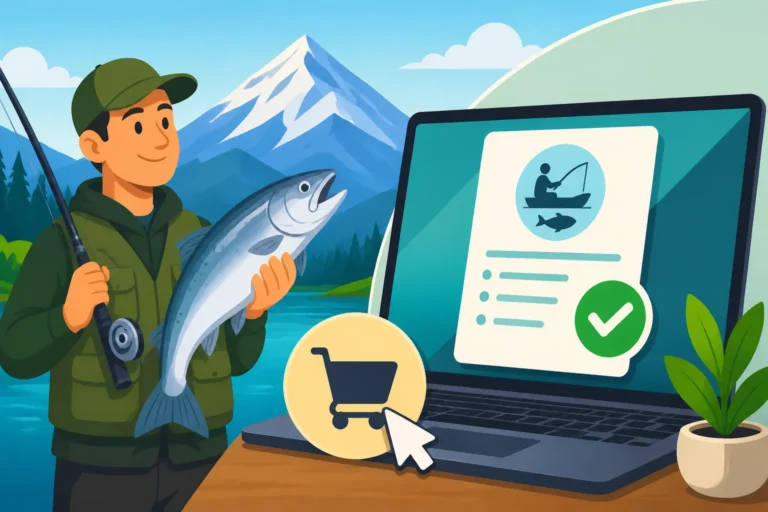
The online licensing system is often the most convenient for many, including those with mobility challenges. The BC government provides an online portal where residents can purchase and manage their freshwater fishing licenses. After setting up an account (or logging in with your BC Services Card), you can navigate the options, select the appropriate resident disabled license (once your disability status has been verified for the first time), and complete the purchase using a credit card. The biggest advantage here is that you can do it from the comfort of your home, at any time of day. Once purchased, you can immediately print your license or save a digital copy to your phone. This makes it incredibly simple to get your license even on short notice, perhaps for a spontaneous trip to one of the Best Fishing Rivers in British Columbia.
However, if you're applying for the first time as a disabled resident and need to submit proof of your disability, the online system might require a prior verification step with a government agent. You might need to initially go through a Service BC Centre or a designated independent vendor to have your disability status formally entered into the system. These vendors, often local tackle shops or sporting goods stores, are equipped to process licenses and can review your documentation. They offer a personalized experience, which can be invaluable if you have questions or prefer human interaction. They can also ensure you're getting the correct license and any necessary stamps. It's always a good idea to call ahead to your chosen vendor to confirm their hours and that they process the specific type of license you need, especially if it requires verification of disability documents.
For tidal water licenses, the process is almost entirely online through the federal DFO website. You create an account, select your license type (annual, 1-day, 3-day, 5-day), pay, and then print or save the digital copy. There are DFO-registered vendors who can also process these in person, but again, the online system is generally very efficient.
Renewals, Replacements, and Carrying Your License
Once you have your license, understanding how to renew it, what to do if it's lost, and how to carry it with you are important practical considerations.
Renewals are typically straightforward. If you've previously qualified for a disabled resident freshwater license, and your disability status is on file, renewing it online usually takes just a few clicks. The system will recognize your eligibility. Freshwater licenses typically expire on March 31st each year, regardless of when you purchase them, so it's a good habit to mark your calendar for renewal. Tidal licenses run for a full year from the date of purchase.
Replacing a lost or damaged license is also quite simple through the online portals. Both the provincial and federal systems allow you to log in to your account and reprint your license as many times as you need. This is a huge relief compared to the old days of needing to physically go to an office and pay for a replacement. This flexibility is particularly helpful if you accidentally leave your license at home or if it gets wet during a fishing adventure. You can simply access it digitally or print another copy. For more information, see Replacing a lost BC fishing license.
Carrying your license is non-negotiable. Whether you opt for a physical printout or a digital copy on your smartphone, you must have it with you while fishing. Conservation officers and DFO fishery officers have the authority to ask to see your license at any time. If you choose the digital route, make sure your phone is charged and the screen is clear enough for the officer to read the details. A waterproof phone case is highly recommended for digital licenses. Many anglers keep a laminated paper copy in their tackle box or wallet and a digital copy on their phone, just to be safe. You might even find handy waterproof license holders on Amazon designed to keep your paper license safe and dry around the water.
Beyond the License: Essential Regulations and Resources for Disabled Anglers
Getting your fishing license is just the first step. To ensure a safe, legal, and enjoyable experience, it's vital to be aware of the ongoing regulations and additional resources available, especially for disabled anglers who might need extra support or specific information.
Understanding BC's Fishing Regulations Synopsis
The BC Freshwater Fishing Regulations Synopsis is your bible for freshwater fishing in the province. It's a comprehensive document, updated annually, that outlines everything from daily bag limits and possession limits to specific gear restrictions and seasonal closures for various lakes, rivers, and species. While it can seem daunting at first due to its size and detail, understanding how to navigate it is crucial.
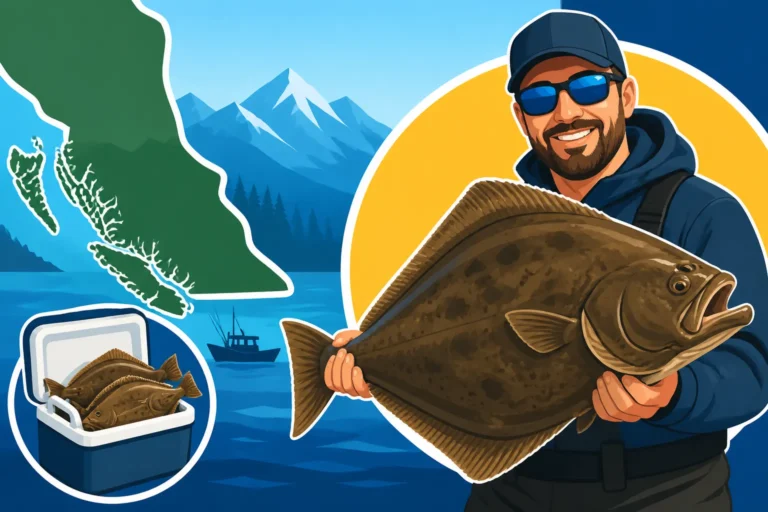
This synopsis will detail things like BC Kokanee Retention Rules, BC Halibut Bag Limit Rules (though halibut is tidal, the synopsis might reference DFO rules), and specific regulations for popular areas like Okanagan Lake fishing regulations or Kootenay Lake fishing regulations. For disabled anglers, paying close attention to general regulations, as well as any specific rules for waters known to be accessible, is key. Are there fly-fishing-only sections? What are the bait restrictions? Are there specific catch-and-release-only waters? These are all important questions answered within the synopsis.
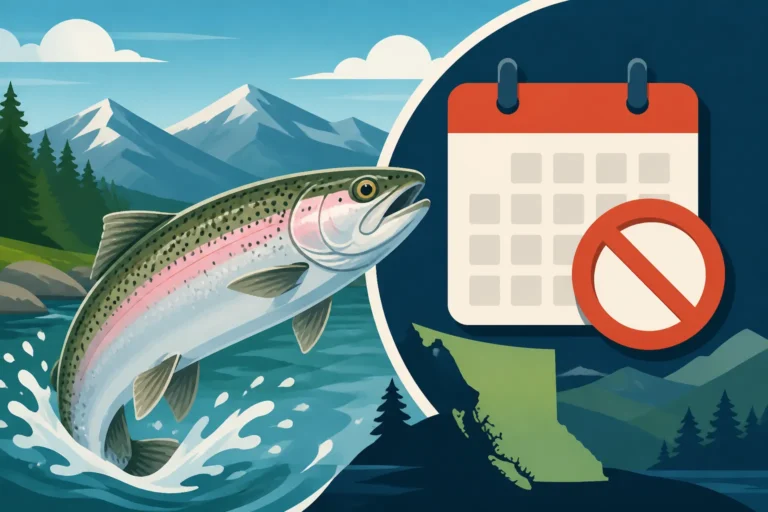
The synopsis is available online as a PDF, making it easy to search digitally or print out specific pages you need. Many tackle shops and Service BC Centres also carry printed copies. It's a good practice to download the current synopsis to your phone or tablet so you always have it handy, especially in areas where cell service might be spotty. Remember, ignorance of the law is not an excuse, and officers expect you to be familiar with the regulations for the waters you are fishing. For tidal waters, you'll need to consult the DFO Pacific Region Recreational Fishery Regulations. Keep an eye on BC Fishery Notices and In-Season Closures, Explained as these can change rapidly throughout the season.
Additional Resources and Support Organizations
Beyond the official government channels, several organizations are dedicated to supporting anglers in British Columbia, including those with disabilities. These resources can provide valuable information, community support, and even specialized programs.
The Freshwater Fisheries Society of BC (FFSBC) is a fantastic resource. As a non-profit organization, they play a huge role in enhancing freshwater fishing opportunities in BC. Their website often features sections on accessible fishing locations, tips for anglers with disabilities, and information on family-friendly fishing events. They are committed to ensuring fishing is available to all British Columbians and often promote programs that cater to diverse needs.
Connecting with local fishing clubs or disabled sports associations can also be incredibly beneficial. These groups often have members who are disabled anglers themselves and can share first-hand knowledge about accessible spots, adaptive gear, and even organize group outings. The camaraderie and shared experience can greatly enhance your fishing enjoyment. A quick online search for "accessible fishing BC" or "disabled fishing groups BC" might reveal local chapters or communities.
Finally, remember that your local tackle shop isn't just for buying gear. The staff often possess a wealth of local knowledge about fishing spots, current conditions, and sometimes even specific accessibility information for nearby lakes and rivers. Don't hesitate to strike up a conversation and ask for advice. They can recommend the right gear, from specialized fishing chairs to easily managed rod and reel combos. Even larger retailers like Bass Pro Shops or online platforms like Amazon offer a wide array of adaptive fishing equipment that can make a huge difference in your comfort and success on the water.
Taking the time to research, prepare, and connect with the right resources can transform your fishing experience, making it more enjoyable, safe, and fulfilling. Happy fishing!
Disclaimer
Please remember that fishing regulations and policies in British Columbia are subject to change. While this guide provides current and comprehensive information, it is always your responsibility to consult the most recent official publications from the British Columbia Ministry of Forests, Lands, Natural Resource Operations and Rural Development (FLNRORD) for freshwater fishing, and Fisheries and Oceans Canada (DFO) for tidal waters fishing, before heading out on your fishing trip. Ensure all licenses and stamps are valid and current for the species and waters you intend to fish.