BC Okanagan Lake fishing regulations
Navigating the labyrinth of British Columbia's fishing regulations can feel like trying to untangle a stubborn knot, especially when you’re eager to cast a line into a diverse and popular spot like Okanagan Lake. It's frustrating to plan a perfect day only to second-guess if your gear or target species is even allowed. This comprehensive guide is here to cut through that confusion, giving you a clear roadmap to understanding and adhering to the specific rules for fishing in Okanagan Lake, ensuring your trip is legal, enjoyable, and conservation-minded.
Why Okanagan Lake Regulations Matter (and Are So Confusing)
Let’s be honest, trying to keep up with all the fishing rules in British Columbia can be a headache. It often feels like you need a law degree just to figure out what’s allowed on any given lake or river! The general provincial synopsis is thick, and then you have to wade through area-specific regulations, in-season closures, and species-specific rules. It’s enough to make even the most seasoned angler sigh in exasperation.
The Ever-Changing Landscape of BC Fishing Rules
The complexity stems from a genuine desire to protect our precious fisheries, but for the angler on the ground, it can feel overwhelming. What was legal last year might not be this year, and what applies to one section of a river certainly won't apply to a lake just a few kilometres away. These changes happen for good reasons – conservation efforts, shifting fish populations, or environmental factors – but staying informed is entirely on us, the anglers. It's not uncommon to hear stories of folks mistakenly breaking a rule because they relied on outdated information or assumed a rule was universal. That’s why digging into the specifics for popular spots like Okanagan Lake is absolutely essential. For a broader overview, it's always wise to consult the British Columbia Fishing License Guide for 2026 as a starting point.
Unique Ecology of Okanagan Lake
Okanagan Lake isn't just any body of water; it’s a massive, deep, and ecologically diverse lake that stretches over 135 kilometres through the Okanagan Valley. Its unique geography, water temperatures, and nutrient levels create distinct habitats for a variety of fish species. We’re talking about everything from the famous Kokanee salmon, which are a major draw, to various strains of rainbow trout, burbot, and even some warm-water species like smallmouth bass. Because of this rich diversity and its popularity, Okanagan Lake often has very specific regulations designed to manage these different populations sustainably. This means you can’t just assume the general provincial rules apply without checking the finer print. The lake also has unique cultural significance and is surrounded by a vibrant community, adding another layer of consideration to its management.
Key Regulations for Okanagan Lake Anglers
Before you even think about which lure to tie on, the absolute first thing you need to sort out is your fishing license. It's the foundational piece of the puzzle, and without it, you're not legally allowed to fish anywhere in BC, including Okanagan Lake.
General Freshwater License Requirements
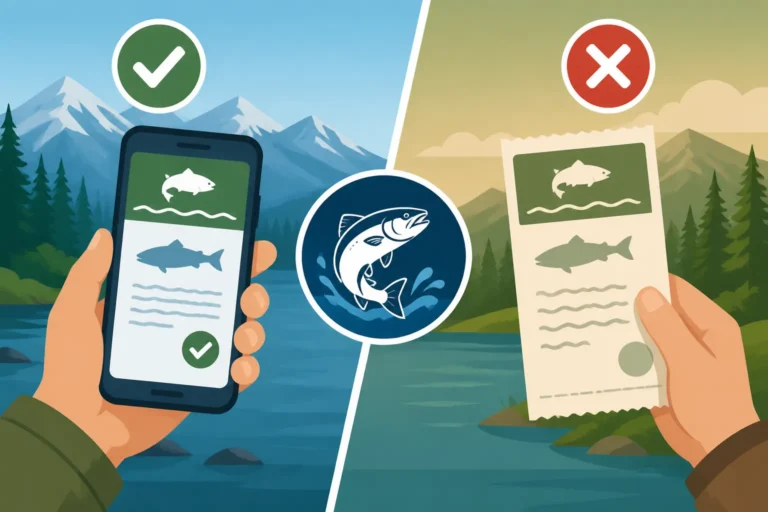
Every angler aged 16 and over needs a valid BC freshwater fishing license. It doesn't matter if you're a seasoned local or visiting from out of province; this is non-negotiable. There are different types of licenses depending on your residency (resident, non-resident Canadian, non-resident non-Canadian) and the duration you plan to fish (annual, 1-day, 8-day, etc.). Make sure you understand the difference between a freshwater license and a tidal waters license – they are separate! You can learn more about this distinction in our article, BC Freshwater vs Tidal Waters License, Explained. You can purchase these licenses online through the provincial government's website, or sometimes at authorized vendors like certain tackle shops or sporting goods stores. Always carry your license with you, either a physical printout or a digital version on your phone, because conservation officers will check. Thinking about the cost? We break down How Much Does a BC Fishing License Cost in another helpful post.
Species-Specific Rules for Okanagan Lake
This is where Okanagan Lake’s regulations truly diverge from a generic rulebook. Because of its unique fish populations, there are very specific rules for different species:
- Kokanee: These landlocked sockeye are incredibly popular in Okanagan Lake. Often, there are specific daily quotas and possession limits. For example, you might be allowed to retain a certain number per day, but there could be length restrictions or even specific seasonal closures to protect spawning populations. It's crucial to check the most current regulations for BC Kokanee Retention Rules as these can change annually based on stock assessments. Often, a specific "Conservation Surcharge Stamp" for salmon isn't needed for kokanee in freshwater, but always double-check the synopsis.
- Rainbow Trout: Okanagan Lake is home to some impressive rainbow trout, including the famous Kamloops strain. Similar to kokanee, there will be daily quotas and possession limits. There might also be size restrictions (e.g., only fish over a certain length can be kept, or only those under a certain length). Sometimes, there are specific regulations related to fin clips (indicating hatchery fish) versus wild fish. A BC Rainbow Trout Conservation Surcharge Stamp may be required if you intend to retain them, so be sure to investigate that requirement.
- Burbot and Other Species: While not as heavily targeted as kokanee or rainbow trout, burbot, whitefish, and sometimes even smallmouth bass are present. Each of these species will have its own daily and possession limits. It’s rare, but occasionally there are closures for specific species or areas to aid recovery. Don't assume that if it's not a salmon or trout, it doesn't have rules!
Gear and Bait Restrictions
Beyond species and limits, how you fish is also regulated. These rules are designed to promote ethical angling and reduce harm to fish populations.
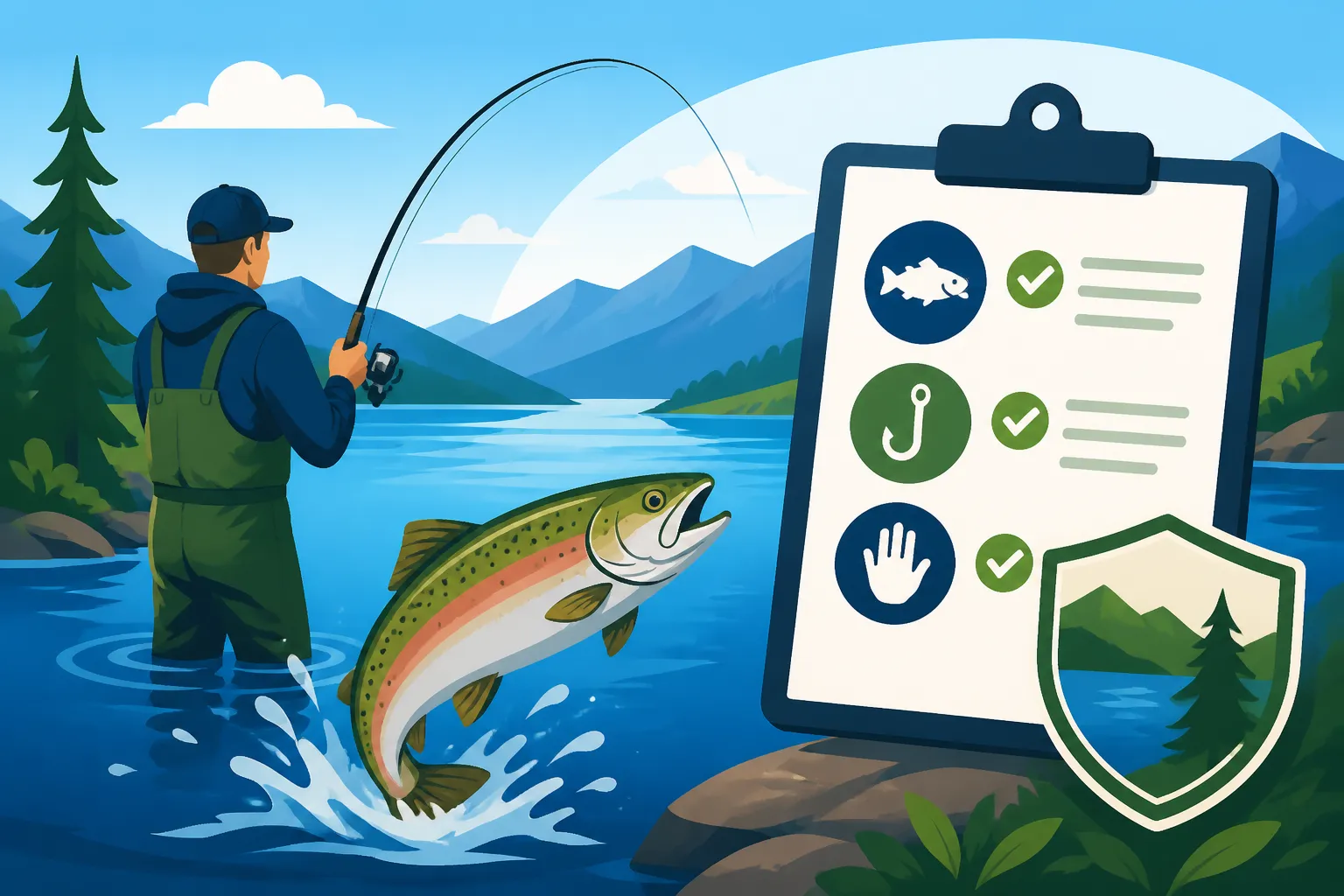
- Barbless Hooks: A pervasive rule in many BC freshwater systems, including often Okanagan Lake, is the requirement for barbless hooks. This means the barb on your hook must be pinched down or removed entirely. This significantly reduces harm to fish that are caught and released, increasing their chances of survival. You can find pre-made barbless hooks, or simply use a pair of pliers to crimp down the barb on your existing hooks. Many popular fishing brands offer barbless options, and you can easily find them on platforms like Amazon.
- Single Hooks: For certain species or in specific areas, you might be restricted to using single-point hooks instead of treble hooks. Again, this is about minimizing injury, especially for catch-and-release fishing.
- Bait Restrictions: While less common on large lakes, some waters have bait bans, meaning you can only use artificial lures. For Okanagan Lake, general bait fishing is typically allowed, but it’s always best to verify. This includes natural baits like worms, roe, or powerbait. However, there might be restrictions on types of bait, such as requiring non-natural baits only in certain areas or seasons.
- Number of Rods: Generally, in BC freshwater, you're limited to fishing with one rod at a time. This helps prevent over-harvesting and ensures anglers are actively managing their lines.
Navigating Catch Limits and Reporting
So, you’ve got your license, you know your gear, and you've identified your target species. Now, let’s talk about how many fish you can actually keep and how to stay on top of real-time changes.
Understanding Daily and Possession Limits
This is a common point of confusion for many anglers.
- Daily Quota (Daily Limit): This is the maximum number of fish of a particular species you can keep in a single day, from midnight to midnight. Once you hit that number, you must stop fishing for that species for the rest of the day. For example, if the daily limit for kokanee is 4, once you’ve kept 4, you cannot keep any more kokanee until the next calendar day.
- Possession Limit: This is the maximum number of fish of a particular species you can have in your possession at any time, regardless of where you are. This includes fish in your cooler, in your vehicle, at your campsite, or at home in your freezer. The possession limit is usually two times the daily limit, but it can vary. If the daily limit for rainbow trout is 2, the possession limit might be 4. This means you can't have more than 4 rainbow trout from Okanagan Lake at your home, even if you caught them over two separate days. This rule prevents anglers from accumulating large quantities of fish over multiple trips without clear accountability. Keep a physical copy of the BC Bag and Possession Limits by Species handy or a digital version on your phone, perhaps stored in a waterproof pouch you picked up on Amazon.
It's your responsibility to know these limits and to accurately count your catch. Ignorance of the law is never an excuse.
The Importance of Fishery Notices and In-Season Closures
The regulations printed in the annual Freshwater Fishing Regulations Synopsis are your starting point, but they are not the end-all-be-all. Fisheries management in BC is dynamic, meaning rules can change in-season due to unforeseen circumstances like sudden drops in fish returns, environmental crises (like heat domes or low water levels), or specific conservation concerns. These changes are announced through "Fishery Notices" or "Public Notices."
It is absolutely crucial that you check these notices before every fishing trip to Okanagan Lake, especially if you haven't been out in a while. A run that was open last week could be closed tomorrow, or a limit could be reduced. You can typically find these notices on the provincial government's fisheries website. Make it a habit to check the "Recreational Fisheries" section for current announcements. Our article BC Fishery Notices and In-Season Closures, Explained offers more detail on how to best navigate this essential resource.
Here's a simplified table summarizing typical (but always verify current) regulations for common Okanagan Lake species:
| Species | Typical Daily Limit (Retention) | Typical Possession Limit | Common Special Rules |
|---|---|---|---|
| Kokanee | 4 | 8 | Often size restrictions; check for seasonal closures. |
| Rainbow Trout | 2 | 4 | Often size restrictions; check for wild vs. hatchery rules. |
| Burbot | 2-4 | 4-8 | Less common target, but limits apply. |
| Smallmouth Bass | Varies (often 4-6) | Varies (often 8-12) | Invasive in some areas, but legal to retain in Okanagan. |
| Whitefish | 15-20 | 30-40 | Generous limits, often incidental catch. |
Note: This table provides typical examples. Always consult the official BC Freshwater Fishing Regulations Synopsis and current Fishery Notices for the most up-to-date and accurate information. Regulations can change at any time.
Practical Tips for Responsible Okanagan Lake Fishing
Understanding the regulations is one thing, but truly integrating them into your fishing routine, and adopting a mindset of conservation, is what makes a great angler.
Where to Find Official Information
You’ve got a couple of primary, trustworthy sources for all BC fishing regulations:
- The BC Freshwater Fishing Regulations Synopsis: This is your bible. It's published annually by the Ministry of Forests, Lands, Natural Resource Operations and Rural Development (FLNRORD). You can download it as a PDF from their website or pick up a physical copy at most fishing license vendors. It's incredibly detailed, breaking down regulations by region and specific water bodies. Make sure you read the section specifically for the Okanagan region (Region 8). We have a detailed guide on Reading the BC Freshwater Fishing Regulations Synopsis that can help you decipher it.
- Government Websites and Fishery Notices: As mentioned, these are crucial for in-season changes. Bookmark the provincial fisheries recreational notices page on your phone or computer. Before every trip, give it a quick check. It takes five minutes and can save you a lot of grief.
- Local Tackle Shops: These spots are goldmines of information. Owners and staff often live and breathe local fishing and are usually very knowledgeable about current conditions and specific regulations for Okanagan Lake. Don't be afraid to stop in and ask questions – it's a great way to support local businesses too!
Conservation and Best Practices
Beyond just following the rules, responsible angling goes a step further. It's about being a good steward of our natural resources and ensuring that future generations can enjoy the same incredible fishing experiences we do.
- Practice Catch and Release Properly: For fish you don't intend to keep, proper catch and release techniques are vital. This means minimizing air exposure, handling fish with wet hands, using appropriate de-hooking tools, and releasing them gently. Consider investing in a rubberized landing net, which is much kinder to fish slime coats and fins than knotted nylon nets. You can find excellent options for these on Amazon.
- Leave No Trace: Pack out everything you pack in. This includes fishing line, bait containers, and any other garbage. Our beautiful lakes are not landfills.
- Respect Private Property and Other Anglers: Be mindful of shoreline access, especially around private property. Give other anglers plenty of space, whether you're shore fishing or out on the boat.
- Report Poaching: If you witness illegal fishing activity, report it to the Report All Poachers and Polluters (RAPP) line. This is a critical part of protecting our fish stocks and upholding the integrity of our regulations.
- Stay Informed: Keep an eye on local news or forums for discussions about Okanagan Lake fishing. While not official sources, they can alert you to potential issues or changes to investigate further through official channels.
By taking the time to understand the specific rules for Okanagan Lake, staying updated on any changes, and practicing responsible angling, you'll not only have a more successful and worry-free fishing experience, but you'll also contribute to the long-term health of this incredible fishery. Happy fishing, and tight lines on Okanagan Lake!
Disclaimer
Please remember that fishing regulations can change frequently. While we strive to provide accurate and up-to-date information, it is ultimately the angler's responsibility to consult the official British Columbia Freshwater Fishing Regulations Synopsis and any in-season Fishery Notices issued by the provincial government before heading out on the water. This guide is for informational purposes only and should not be considered a substitute for official sources.