Best charters for catching chinook and coho together
It’s a common dream for anglers visiting British Columbia: to hook into both the brute strength of a Chinook salmon and the acrobatic fight of a Coho salmon on the same incredible trip. However, many find themselves wondering if this is even possible, given that these magnificent fish often have different habits and preferred habitats. The good news is, with the right charter and a bit of planning, it absolutely is! This comprehensive guide will walk you through how to find those exceptional charters that excel at putting you on both Chinook and Coho, covering the best locations, crucial timing, and what to look for in a top-notch guide to make your multi-species salmon dream a reality.
Understanding Chinook and Coho Salmon Habits for Combined Charters
To successfully target both Chinook and Coho on a single charter, it's essential to first understand what makes each species tick. While they share the same ocean and eventually the same rivers, their feeding habits, preferred depths, and fight styles can differ significantly, which means your guide needs to be versatile and knowledgeable.
Chinook Salmon: The King of the Catch
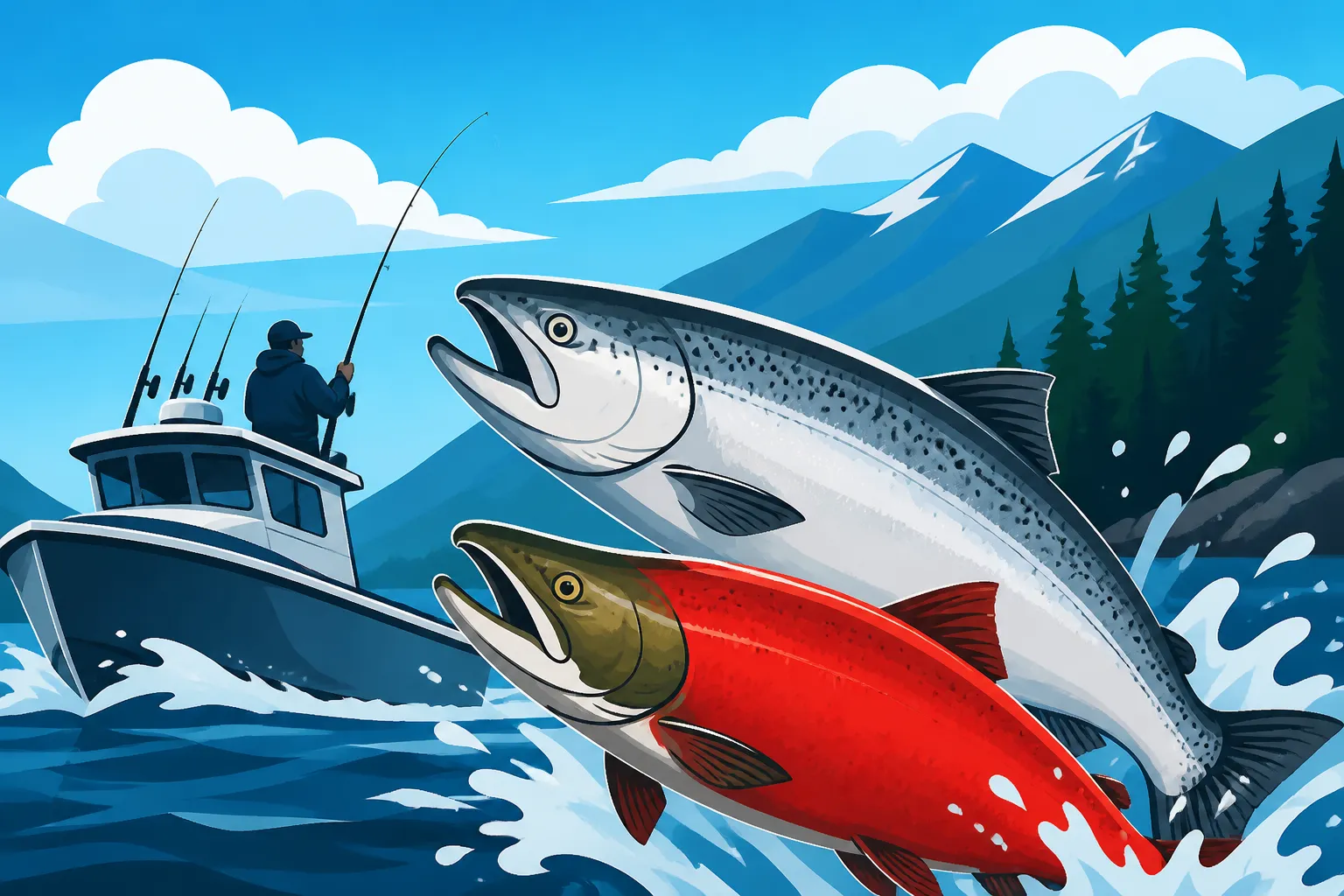
Chinook salmon, often reverently referred to as "Kings" or "Springs" (especially early in the season), are the largest and most sought-after of the Pacific salmon species. They are legendary for their powerful, stubborn runs and deep dives that can peel line off your reel with astonishing speed. Catching a trophy Chinook is often the highlight of any BC fishing adventure, a true test of an angler's skill and endurance.
These majestic fish spend several years in the ocean, bulking up on baitfish like herring and anchovies. When they're in their ocean feeding grounds, they tend to hang out in deeper waters, often close to structure or along migratory routes, and can be found from just under the surface to hundreds of feet down. When they begin their migration back to their natal rivers, they stage in various coastal areas, sometimes feeding aggressively, other times just conserving energy. Their sheer size and raw power demand heavy-duty gear and a guide who knows how to handle a protracted battle.
Coho Salmon: The Agile Acrobats
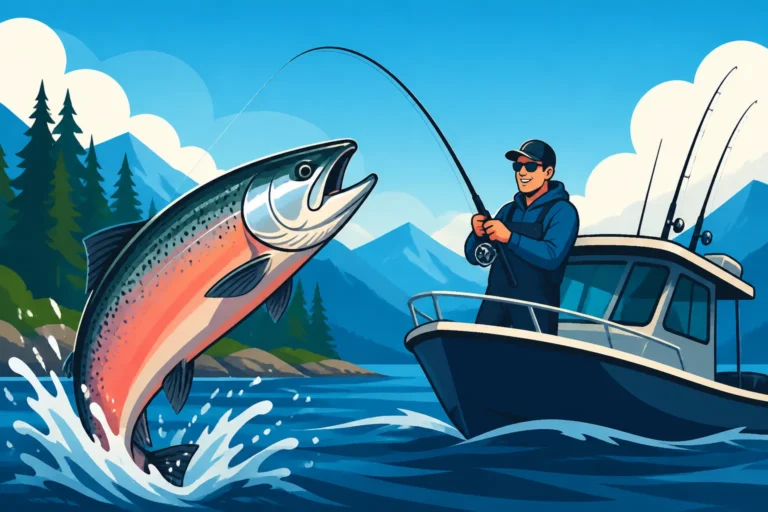
Coho salmon, also known as "Silvers" due to their brilliant metallic sheen, offer a completely different, yet equally thrilling, experience. While not typically as large as Chinooks, Coho are renowned for their incredible aerial displays and lightning-fast runs. They often leap clear out of the water, shaking their heads violently, making for an unforgettable visual spectacle and a challenging fight to keep them hooked.
Coho typically spend a shorter time in the ocean than Chinooks, often just a year or two, and tend to feed closer to the surface on smaller baitfish and even insects when in estuaries. They are incredibly agile and aggressive feeders, making them a fantastic target for light tackle. When migrating, they often hug the shoreline or congregate in shallower bays and inlets, presenting opportunities for a different style of fishing than their bigger cousins. Their acrobatic nature and willingness to strike make them a favorite for many anglers, adding an element of excitement that's truly unique.
Overlap in Timing and Locations
The key to a successful multi-species trip lies in finding that sweet spot where both Chinook and Coho are present in good numbers and are actively feeding. While Chinook runs can start as early as spring in some areas and extend into the fall, Coho typically peak in late summer and fall. However, there are significant overlap periods and locations where both can be targeted effectively.
Generally, late summer through early fall (think August and September) is often the prime window for targeting both species along the BC coast. During these months, early returning Coho are often mixing with later run Chinook, especially in areas rich with baitfish or near river mouths where salmon stage before their final push upstream. Charters operating in these peak times will have the best chance to adapt their strategy on the fly, moving between different depths and techniques as conditions dictate, to maximize your chances of catching both the powerful King and the leaping Silver. Best Time of Year to Fish in BC can help you narrow down your timing even further.
Prime Locations for Targeting Both Chinook and Coho in BC
British Columbia's vast coastline offers numerous incredible fishing grounds, but certain areas truly shine when it comes to the opportunity to catch both Chinook and Coho salmon. These spots are often characterized by abundant baitfish, complex marine geography, and well-established migratory routes.
Vancouver Island's West Coast & Discovery Islands
The west coast of Vancouver Island and the Discovery Islands region are legendary salmon fishing destinations, and for good reason. Areas like Tofino, Ucluelet, and Nootka Sound on the west coast, and the waters around Campbell River in the Discovery Islands, consistently produce excellent numbers of both Chinook and Coho. These regions benefit from strong ocean currents that bring in rich nutrients and massive schools of baitfish, attracting salmon from across the Pacific.
- Tofino and Ucluelet: Situated on the rugged west coast, these towns are gateways to some of the most productive offshore fishing grounds. Chinook often feed heavily here on their way to distant rivers, while Coho are prevalent, especially in the late summer, zipping around kelp beds and rocky outcrops closer to shore. Charters here are highly experienced in deepwater trolling for Chinooks and switching to shallower tactics for Coho, often within short distances.
- Campbell River: Known as the "Salmon Capital of the World," Campbell River and the surrounding Discovery Islands offer incredible access to migratory salmon. The strong currents of Discovery Passage concentrate baitfish, drawing in both species. Chinook stage in these waters, growing immense, while Coho provide fast-paced action. It's a fantastic area for a mixed bag, with many experienced Best Salmon Charters in Campbell River focusing on this very goal.
The Georgia Strait and Howe Sound
Closer to major population centers like Vancouver and Victoria, the waters of the Georgia Strait and Howe Sound also present fantastic opportunities for multi-species salmon fishing. While perhaps not as wild as the outer coast, these areas are incredibly productive, benefiting from a unique blend of marine and freshwater influences.
- Southern Georgia Strait (Near Victoria and Sooke): The waters off the southern tip of Vancouver Island are a major migratory corridor for salmon heading to the Fraser River and other southern streams. Chinook are present almost year-round, with particularly strong runs in spring and fall. Coho, especially larger "northern" Coho, move through here in late summer, providing exciting action. Charters from Victoria or Sooke often have access to diverse fishing grounds, from deep banks to kelp-lined shores.
- Howe Sound (Near Vancouver): Though often overlooked, Howe Sound, with its deep fjords and abundant baitfish, offers excellent fishing, especially for Coho. Chinook also pass through and feed here, making it a viable option, particularly during the late summer and early fall. Its proximity to Vancouver makes it a popular choice for shorter, accessible trips where you still have a great shot at both species. Best Shore Fishing Spots in BC can be productive here, but a charter will get you to the prime feeding lanes.
North Coast Hotspots
For those willing to venture further afield, British Columbia's North Coast boasts some of the most pristine and productive salmon fishing in the world. Remote locations like Prince Rupert and the legendary waters of Haida Gwaii are renowned for their massive runs and untouched beauty, offering incredible opportunities for both Chinook and Coho.
- Prince Rupert and Rivers Inlet: These northern waters are famous for their sheer abundance of salmon. Chinook here can reach truly colossal sizes, fueled by the rich feeding grounds. Coho runs are also incredibly strong, providing non-stop action. Charters in these areas often combine offshore trolling for large Chinooks with inshore exploration for aggressive Coho, sometimes even venturing into protected inlets for a variety of experiences.
- Haida Gwaii: This archipelago, also known as the Queen Charlotte Islands, is a destination revered by serious anglers. Its isolation and nutrient-rich waters contribute to some of the most prolific salmon fishing on the planet. Both large Chinooks and feisty Coho are present in incredible numbers, especially through the summer months. Multi-day lodge packages often include charters that specialize in hitting diverse spots for both species, making the most of the short, intense fishing season. Best Salmon Fishing Spots in BC include many of these remote havens.
What to Look For in a Charter Specializing in Both Species
Booking the right fishing charter can make all the difference in achieving your goal of catching both Chinook and Coho salmon. It's not just about finding a boat; it's about finding a guide with the knowledge, experience, and equipment to adapt to ever-changing conditions and target different species effectively.
Experienced Guides and Vessel Capabilities
An experienced guide is your most valuable asset. Look for charters whose guides have a proven track record of consistently putting clients on both Chinook and Coho. This means they understand the subtle nuances of both species – where they hold, what they eat, and how they react to different presentations. They should be intimately familiar with the local waters, including tide changes, currents, and hidden structure that attracts baitfish and, consequently, salmon.
The vessel itself also plays a crucial role. A good multi-species salmon boat will typically be stable and comfortable, capable of handling varying ocean conditions, whether you're trolling in deeper offshore waters for Chinooks or navigating shallower bays for Coho. It should also be equipped with modern electronics, including reliable sonar and GPS, to locate bait balls and fish schools accurately. Crucially, the boat should have enough space to manage multiple rods and tackle setups, allowing the guide to switch techniques quickly if one species isn't biting. You want a guide who can pivot from deepwater trolling for Kings to casting light tackle for Silvers at a moment's notice.
Gear and Techniques for Combined Success
A charter specializing in both Chinook and Coho will come prepared with a diverse array of high-quality fishing gear. This isn't a one-size-fits-all situation; different species, and even different sizes of the same species, often require specific tackle.
- Rod and Reel Setups: Expect to see a range of rod and reel combos. For Chinook, guides will often use heavier rods and robust reels spooled with stronger line, designed to handle the brute force of a large King. For Coho, lighter, more sensitive rods are preferred, allowing anglers to feel the more subtle strikes and fully enjoy the acrobatic fight. Your charter should have multiple setups ready, so you don't waste precious fishing time re-rigging.
- Lures and Baits: The best guides will carry an extensive tackle box filled with various lures and natural baits. For Chinook, larger spoons, hootchies, and natural herring or anchovies trolled behind flashers are often the go-to. Coho, on the other hand, might prefer smaller spoons, hoochies, or even flies and bucktail jigs, especially when they're actively chasing bait near the surface. The ability to quickly swap between these offerings based on what the fish are keying in on is paramount. Many charters will also adapt their Salmon Fishing Techniques for BC Rivers to match the prevailing conditions.
- Technique Versatility: A charter that can effectively target both species will be adept at multiple fishing techniques. This includes deepwater trolling with downriggers for Chinook, often at different depths and speeds, and then shifting to shallower trolling, mooching, or even casting and retrieving for Coho. Sometimes, a guide might even run a "mixed spread," with some lines deeper for Chinook and others shallower for Coho, increasing the odds of a dual hook-up.
Reputation and Reviews
Before you book, do your homework! A charter's reputation and customer reviews are incredibly valuable indicators of their ability to deliver on the promise of a multi-species salmon trip. Look for consistent positive feedback that specifically mentions successful Chinook and Coho catches.
Websites like FishingBooker are excellent resources for comparing various operators. You can read detailed reviews from previous clients, often with photos of their catches, giving you a real sense of what to expect. Pay attention to comments about the guide's patience, expertise, and willingness to adapt to conditions. Also, don't hesitate to reach out to the charter directly with questions. Ask specific questions like:
- "What time of year do you have the best success catching both Chinook and Coho?"
- "What techniques do you typically employ when targeting both species?"
- "What kind of gear do you provide for each species?"
A reputable charter will be transparent and happy to answer all your questions, giving you confidence in your choice. Always confirm what is included in the charter price, such as gear, bait, and fish cleaning, and don't forget to inquire about the Tipping Etiquette for BC Fishing Charters for your guide and deckhand.
Planning Your Multi-Species Salmon Adventure
Planning ahead is key to a successful and enjoyable fishing trip, especially when you're aiming for a specific multi-species goal like Chinook and Coho. From timing your visit to knowing what to bring, a little preparation goes a long way.
Best Times of Year for Overlap
As mentioned earlier, while both Chinook and Coho can be found in BC waters for extended periods, the sweet spot for a combined trip is generally from late July through September.
- Late July to Mid-August: This period often sees strong numbers of migratory Chinook heading towards their spawning rivers, while the first waves of ocean-bright Coho begin to show up in coastal feeding grounds. The waters are often teeming with baitfish, leading to aggressive feeding by both species. This can be a fantastic time, though popular charters book up quickly.
- Mid-August to September: As fall approaches, Chinook runs are in full swing, and Coho populations swell. This is arguably the prime window where you have the highest likelihood of encountering both species on the same day. The weather can also be quite pleasant, though always be prepared for anything on the BC coast! Understanding BC Fishing Season Dates and Closures for specific areas is crucial, as regulations can change.
Booking and Preparation Tips
Once you've identified your ideal timing and selected a few potential charter options, it's time to solidify your plans. Charters in prime locations like Campbell River or Tofino can book up months in advance, especially during peak season, so don't delay.
- Book Early: For peak summer and fall dates, aim to book your charter at least 3-6 months in advance. Reputable guides with a strong track record fill their calendars quickly.
- Confirm Licensing: You will need a valid BC fishing license, and if you plan to keep salmon, you'll also need a Salmon Conservation Stamp. Ensure you specify whether you need a Freshwater or Tidal Waters license, as most Chinook and Coho fishing is in tidal waters. Check the current regulations on Where and How to Buy a BC Fishing License before your trip. Most charters expect you to have your license ready before you board.
- What to Bring: Even on the most well-equipped charter, it's always wise to bring certain personal items. Think layers of clothing (the weather can change rapidly!), rain gear, non-slip footwear, sunglasses, a hat, sunscreen, and any personal medications. Snacks and drinks are often a good idea, though some charters may provide them. Don't forget your camera to capture those memorable moments! If you're wondering What to Bring on a BC Fishing Charter, many guides offer detailed lists.
- Communicate: Don't be shy about communicating your goals to your guide. Let them know you're specifically hoping to catch both Chinook and Coho. This helps them tailor the trip and manage your expectations.
Maximizing Your Catch and Experience
Even with the best guide and perfect timing, fishing is still fishing – there are no guarantees! However, you can significantly enhance your experience and increase your chances of success by being prepared and having a good attitude.
- Listen to Your Guide: Your guide is the expert on the water. They know the currents, the fish patterns, and the best techniques for the day. Listen to their instructions regarding where to cast, how to retrieve, and how to fight a fish. Their advice is gold.
- Be Flexible: While you might have a dream of catching a massive Chinook, sometimes the Coho are just more active. Be open to targeting whatever is biting best. A good guide will assess the conditions and suggest the most productive approach, even if it means focusing on one species more heavily for a period.
- Enjoy the Journey: Beyond the fish, a BC fishing charter offers breathtaking scenery, fresh ocean air, and the camaraderie of fellow anglers. Take time to appreciate the majestic coastline, the wildlife you might encounter (eagles, seals, whales!), and the sheer beauty of being out on the water. Even if the fishing is slow for a bit, the experience itself is invaluable.
Successfully targeting both Chinook and Coho on a single charter trip in British Columbia is a truly rewarding experience. By understanding the fish, choosing the right locations, selecting a knowledgeable charter, and preparing effectively, you can set yourself up for an unforgettable adventure that combines the power of the King with the acrobatics of the Silver.
Disclaimer
This article is for general informational purposes only and does not constitute professional advice. Laws, prices and regulations vary by location and change over time. Consult a qualified professional for guidance on your specific situation.