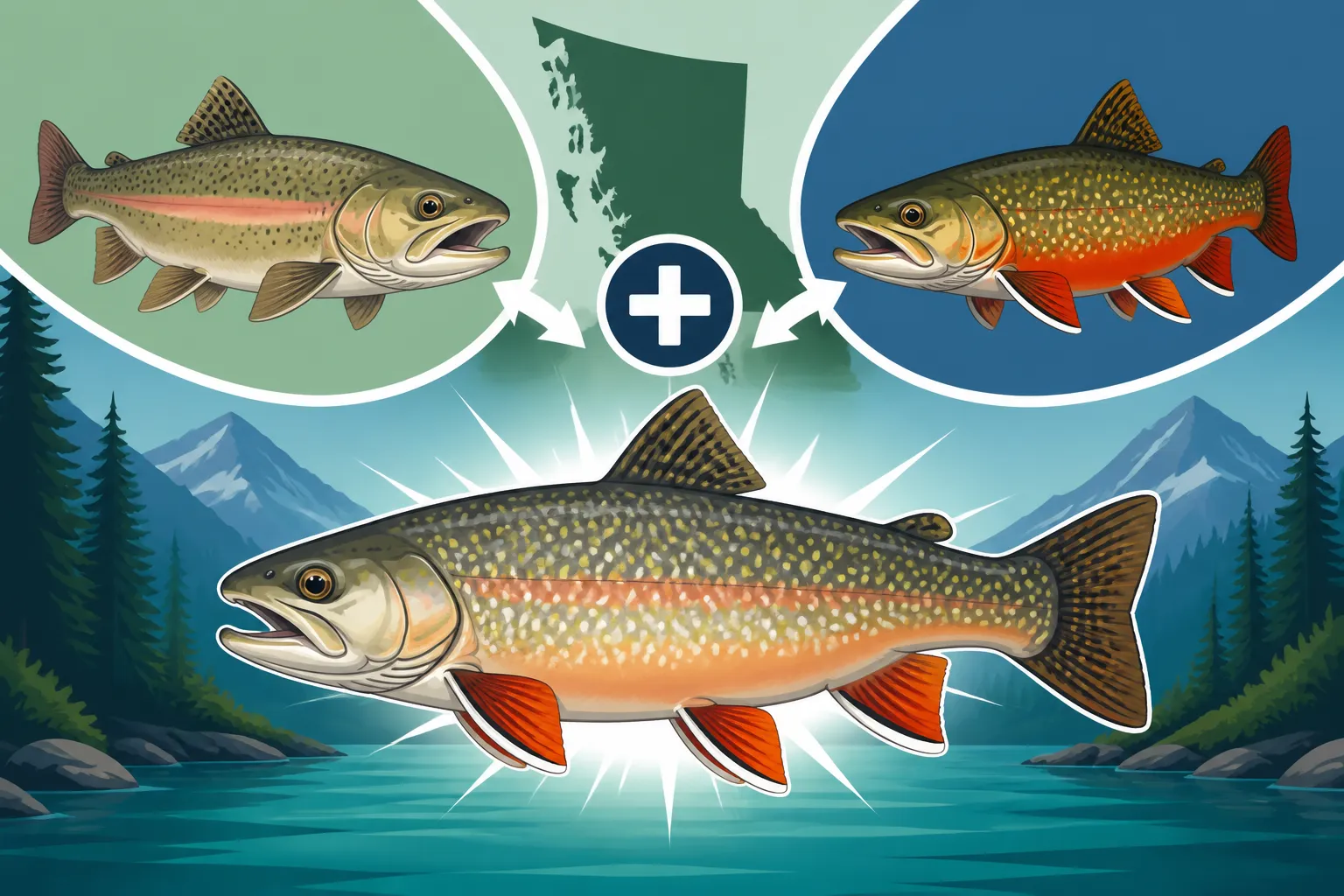
What a splake is a cross between
Have you ever heard the name "Splake" and wondered what on earth it refers to? It's not a fish you'll find naturally running wild in all our beautiful British Columbia waters, and for many anglers, especially those new to the province, it can be a bit of a mystery. This guide is here to clear up that confusion and dive deep into what makes the Splake such a unique and interesting catch in BC's diverse fisheries.
What Exactly is a Splake: A Hybrid Story
Let's cut right to the chase: a Splake isn't a naturally occurring species. It’s a fascinating hybrid, a cross between two very distinct, yet related, trout species: the Brook Trout (Salvelinus fontinalis) and the Lake Trout (Salvelinus namaycush). Think of it like a mule in the animal kingdom – a hybrid of a horse and a donkey, combining traits from both parents but typically unable to reproduce on its own. The "Splake" name itself is a portmanteau, cleverly blending "SPotted" (from Brook Trout's spots) and "LAKe" (from Lake Trout).
This genetic mingling is quite remarkable because Brook Trout and Lake Trout belong to different subgenera within the Salvelinus genus. Brook Trout are generally smaller, often found in colder, clear streams and smaller lakes, known for their vibrant colours and worm-like markings (vermiculations) on their backs. Lake Trout, on the other hand, are much larger, preferring the deep, cold waters of vast lakes, and are often characterized by their deeply forked tail. The Splake, therefore, inherits a unique blend of characteristics, creating a fish that is truly one-of-a-kind in our BC waters.
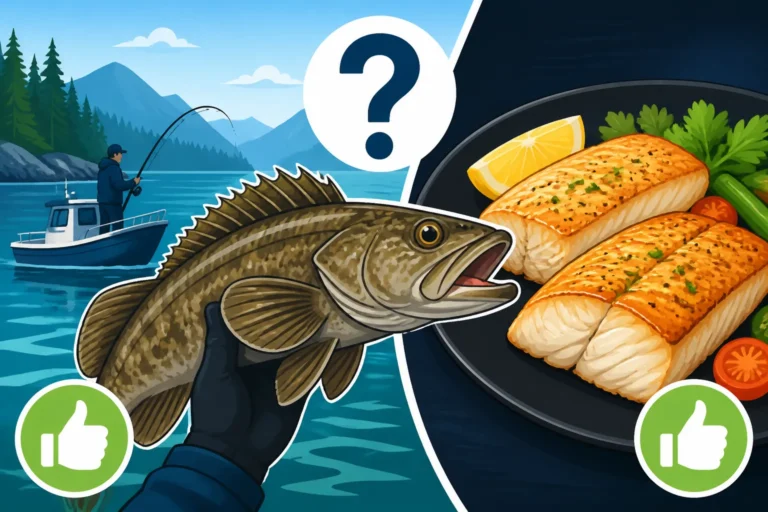
When you hold a Splake, you'll notice this blend immediately. It typically has the distinctive pale spots, sometimes with a bluish halo, that are characteristic of a Lake Trout. However, it often retains some of the bright, vivid colouration and even a hint of the worm-like patterns on its back and dorsal fin that are hallmarks of a Brook Trout. The tail is usually a good indicator too; it's typically less forked than a pure Lake Trout's, but more so than a Brook Trout's, landing somewhere in between. Identifying fish species can sometimes be tricky, and even seasoned anglers can pause when they reel in a Splake, unsure if it’s a laker, a brooky, or something else entirely. For a general overview of trout, check out Trout Species Identification Guide for BC.
Why Were Splake Introduced and Stocked in British Columbia?
Now that we know what a Splake is, the next natural question is, "Why bother creating them?" The decision to introduce Splake into certain BC lakes wasn't just a biological experiment; it was a strategic move by fisheries managers to enhance recreational fishing opportunities. They were looking for a fish that could thrive in specific conditions and offer anglers a different kind of challenge, filling a niche that native species either couldn't or wouldn't.
One of the primary motivations for creating Splake was to combine the best traits of its parent species. Lake Trout are known for their impressive size and fighting ability, but they tend to be deep-water dwellers, which can make them harder for the average angler to target, especially from shore. Brook Trout are aggressive and relatively easy to catch, but they don't typically grow to very large sizes in most BC waters. The Splake offers a compelling compromise: it tends to grow faster than a Brook Trout, reaching a respectable size, and it’s often more accessible to anglers than a deep-dwelling Lake Trout. They tend to prefer cooler, but not necessarily ultra-deep, waters, making them a fantastic sport fish for a wider range of anglers.
Furthermore, Splake are typically sterile, meaning they cannot reproduce. This is a crucial aspect from a fisheries management perspective. When a species is introduced to a new environment, there's always a concern about it outcompeting native fish or disrupting the ecosystem. Because Splake are sterile, they pose less of a threat to native populations. Their numbers can be controlled entirely through stocking programs, ensuring that they enhance the fishery without becoming an invasive problem. This allows fisheries biologists to create put-grow-and-take fisheries in specific lakes, providing exciting angling experiences without long-term ecological risks. If you're curious about other stocked fish, you might also be interested in What a triploid rainbow trout is.
Where to Find Splake in BC and How to Fish for Them
Alright, so you're intrigued by these unique hybrids and wondering where you might encounter them in our beautiful province. Splake are not widespread throughout BC; rather, they are specifically stocked in certain lakes across the province as part of managed recreational fisheries. These are typically lakes that have suitable cool-water habitat, but perhaps lack strong populations of other desirable sport fish, or where a new fishery is being cultivated. Your best bet for finding Splake is to consult the BC Freshwater Fishing Regulations Synopsis or specific regional stocking reports. These resources will list which lakes have received Splake stockings, often alongside List of BC stocked trout lakes.
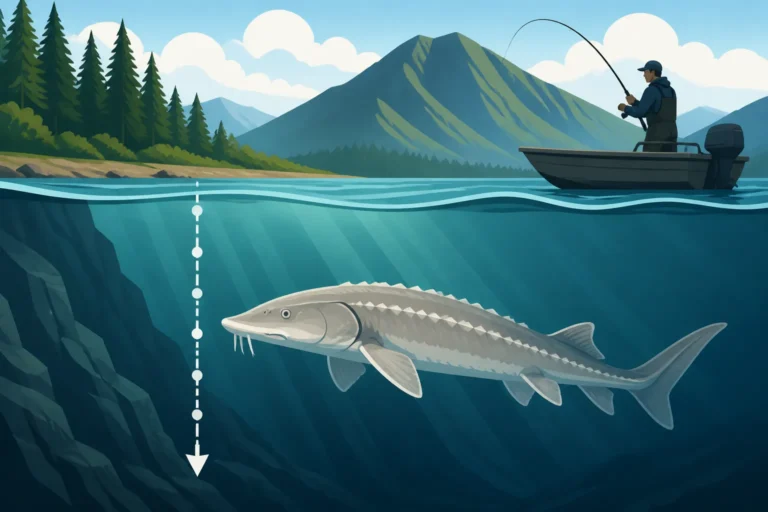
Once you've located a Splake-stocked lake, the real fun begins: figuring out how to catch them! Since Splake are a hybrid of Brook and Lake Trout, their behaviour can be a mix of both, but they often lean towards the Lake Trout's preference for cooler, deeper waters, especially as the season warms up. However, they can also be found cruising shallower areas during cooler times of the year, similar to Brook Trout. This adaptable behaviour makes them a versatile target.
When it comes to tackle and techniques, think of what you'd use for other lake-dwelling trout. Trolling is a highly effective method for Splake, especially in larger lakes. Using small spoons, spinners, or even gang trolls with a worm can entice these curious fish. For those who love to troll, picking up a good set of downriggers or even just some quality lead core line from a retailer like Amazon can make a world of difference in reaching the depths where Splake often feed. Experiment with different depths until you find where they are holding. Trolling Techniques for BC Lake Trout offers some great insights that can be adapted for Splake.
| Technique | Description | Best for Splake | Recommended Gear (Consider checking Amazon) |
|---|---|---|---|
| Trolling | Covering water from a boat, dragging lures or bait at varying depths and speeds. Ideal for searching larger bodies of water. | Highly effective, especially for locating active fish in deeper sections. Vary speed and depth until you find the strike zone. | Light to medium action rods, level-wind or spinning reels with good line capacity, downriggers or lead core line, various spoons (e.g., Apex, Coyote), crankbaits, or gang trolls. |
| Jigging | Vertical fishing, dropping a weighted lure (jig) to a specific depth and imparting an up-and-down motion. Great for targeting fish holding on structure or in deeper holes. | Excellent for deeper water Splake, especially when they are schooled up or near submerged structure. Can be done from a boat or through the ice in winter. | Medium-light spinning combos, braided line with a fluorocarbon leader, jigging spoons (e.g., Swedish Pimple, tube jigs), small swimbaits. Consider a portable fish finder from Amazon. |
| Still Fishing | Anchoring or fishing from shore with a bait presentation, waiting for the fish to come to you. Often uses a bobber or bottom rig. | Can be surprisingly effective, particularly during cooler periods (spring/fall) or in smaller, shallower stocked lakes. | Light spinning rod and reel, bobbers, split shot, bait hooks, worms, corn, or powerbait. A comfortable chair and a quality tackle box from Amazon are also great to have. |
| Fly Fishing | Casting artificial flies with a fly rod. Can be incredibly rewarding but often requires more skill and specific gear. | Can be productive in spring and fall when Splake might be feeding closer to the surface on insects. Also effective for stripping streamers near drop-offs. | 5- or 6-weight fly rod, floating or intermediate line, various nymph patterns (e.g., Prince Nymph, Pheasant Tail), streamer patterns (e.g., Woolly Bugger), and dry flies during hatches. |
Jigging is another fantastic option, especially if you're targeting deeper fish or fishing through the ice in winter. Small jigging spoons or even tube jigs can be incredibly effective when worked near the bottom or suspended in the water column where fish are detected. Always ensure your tackle box is stocked with fresh leader material and various hooks; it's easy to replenish these essentials through online platforms like Amazon. For those fishing from shore or looking for an easier approach, still fishing with bait like worms, powerbait, or even corn can yield results, particularly in recently stocked lakes where the fish are less wary. Remember to always double-check the current BC Fishing Regulations Explained and BC Bag and Possession Limits by Species for the specific lake you're visiting. A good quality fishing vest, often found with great reviews on Amazon, can help keep all your small tackle organized and accessible. Understanding BC fishing license age requirements and the BC resident freshwater fishing license cost 2026 is also essential before heading out.
Disclaimer
This article is for general informational purposes only and does not constitute professional advice. Laws, prices and regulations vary by location and change over time. Consult a qualified professional for guidance on your specific situation.