What a triploid rainbow trout is
Have you ever heard the term "triploid rainbow trout" and wondered what on earth it meant for your fishing adventures here in beautiful British Columbia? It's a phrase that often pops up in conversation among anglers or in stocking reports, and for many, it sounds like something out of a science fiction novel. But trust me, understanding what a triploid rainbow trout is can dramatically change how you approach fishing our incredible lakes, especially if you're chasing bigger, harder-fighting fish. This guide is going to demystify these unique fish, explain why they're stocked, and give you the inside scoop on how to target them.
Unpacking the Mystery: What Exactly is a Triploid Rainbow Trout?
When we talk about a "triploid" rainbow trout, we're essentially talking about a fish that's been given a biological superpower, not through genetic modification in the traditional sense, but through a clever, non-invasive process. It's about giving them an edge, making them focus all their energy on growing big and strong, rather than on the strenuous business of reproduction.
The Science Behind Triploidy: Extra Chromosomes, No Spawning
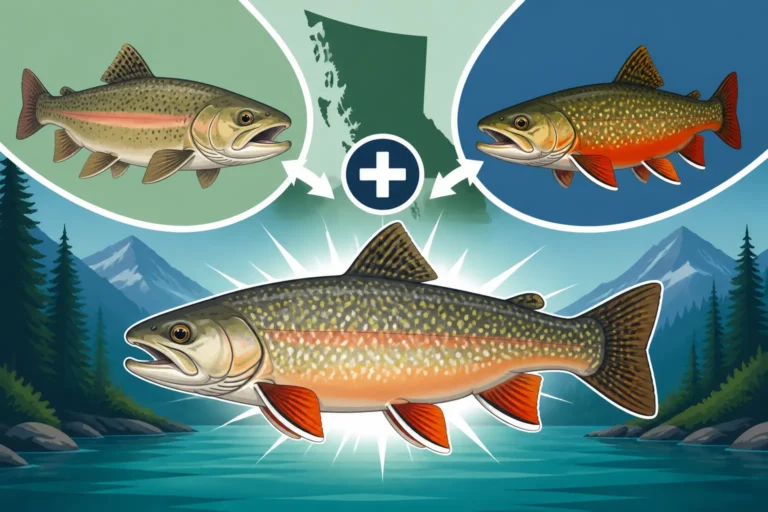
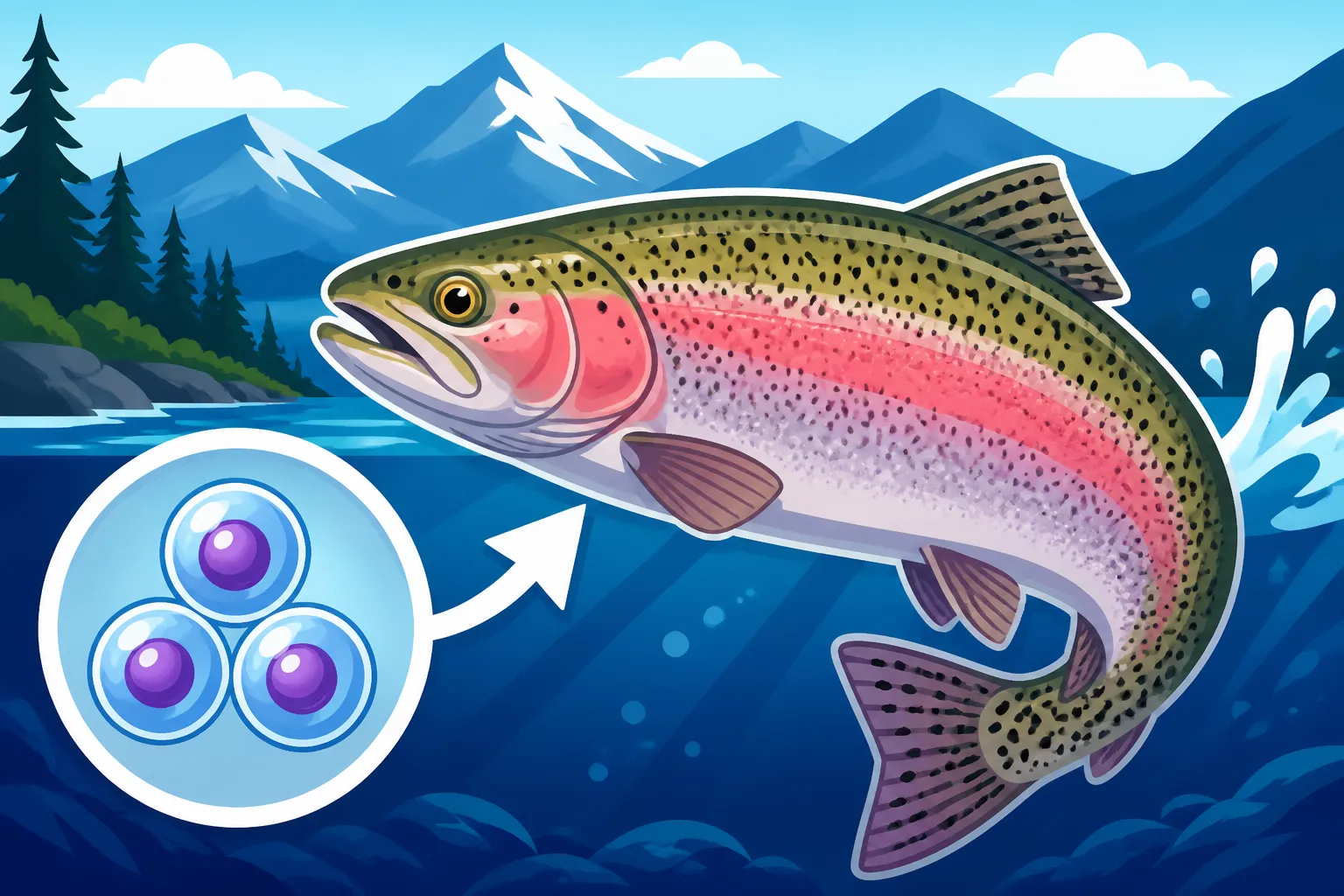
Normally, most animals, including the rainbow trout you find in the wild, are "diploid." This means their cells contain two sets of chromosomes – one set inherited from each parent. Think of it like a perfectly matched pair of shoes for every gene. A "triploid" fish, however, is a bit different; its cells contain three sets of chromosomes. This extra set is typically induced very early in the fish's development, usually within an hour or two of fertilization, by briefly exposing the eggs to a specific temperature or pressure shock. It's a fascinating process that simply disrupts the cell division, leading to an extra set of chromosomes being retained.
The crucial outcome of this triploid state is sterility. Because they have an odd number of chromosome sets, their reproductive systems don't develop properly, and they can't successfully spawn. For us anglers, this is a game-changer, and for fishery managers, it's a valuable tool. When you reel in a wild diploid rainbow, it's a fish that has put significant energy into maturing, developing eggs or milt, and then the exhaustive act of spawning. A triploid, on the other hand, never reaches that reproductive stage, meaning all that energy is redirected.
The "Why" Behind the Engineering: Growth, Fight, and Longevity
So, why go through the effort of creating triploid trout? The answer lies in the benefits they offer both to the fishery ecosystem and to the angler's experience. With no reproductive demands, triploid rainbow trout are free to dedicate all their metabolic resources to growth. This means they often grow larger, faster, and live longer than their diploid counterparts in a similar environment.
Imagine a young fish. Its body has a finite amount of energy to expend. A wild fish uses some for everyday survival, some for growth, and a significant portion for developing reproductive organs and then the actual act of spawning. A triploid bypasses that last, very energy-intensive step. This redirection of energy is why they can achieve truly impressive sizes. When you hook into one of these, you're often getting a fish that's focused purely on eating and growing, leading to a robust, powerful fight that can really test your gear. Many anglers find that these fish, because they’re often larger, are also more aggressive feeders, making them a thrilling target.
Why Triploids are a Go-To for BC Fish Stocking Programs
British Columbia boasts an incredible network of lakes and rivers, and maintaining healthy, productive fisheries for everyone to enjoy is a huge task. Triploid rainbow trout play a significant role in this management, offering several distinct advantages that benefit both the fish populations and the eager anglers who flock to our waters.
Enhanced Growth for Bigger, Better Fights
The primary appeal of stocking triploid rainbow trout is their potential for phenomenal growth. Without the biological imperative to spawn, these fish conserve a tremendous amount of energy. Instead of developing eggs or milt, that energy goes directly into somatic growth – making them longer, heavier, and more muscular. For anglers, this translates to bigger fish and, let's be honest, often a much more exciting fight.
When you're out on a lake like Peter Hope or Tunkwa, known for their trophy trout potential, there's a good chance you're encountering these triploids. They are often stocked at a modest size but quickly pack on pounds, becoming the "lunkers" that make for legendary fishing tales. This accelerated growth cycle means that even in highly pressured lakes, there’s a consistent supply of impressive fish to challenge experienced anglers and delight newcomers. You might start with a 12-inch triploid, but give it a year or two of good feeding, and it could easily be double that size, pulling hard and making your reel sing. This desire for bigger fish is a driving force behind their popularity in recreational fisheries, and it definitely contributes to the excitement when you’re scouting out List of BC stocked trout lakes.
Minimizing Ecological Impact and Protecting Wild Strains
One of the most critical reasons for stocking sterile triploids, particularly in areas near wild trout populations or sensitive ecosystems, is to prevent unintended ecological consequences. Wild rainbow trout in BC, especially our native strains, are genetically adapted to their specific environments. Introducing fertile hatchery-raised fish could lead to interbreeding, diluting the genetic integrity of wild populations and potentially weakening their resilience to local environmental challenges.
Because triploid trout cannot reproduce, they pose no threat of interbreeding with wild fish. This allows fisheries managers to stock popular lakes, providing ample angling opportunities, without jeopardizing the genetic purity of wild stocks in nearby rivers or connected water bodies. It's a responsible management strategy that helps maintain the delicate balance of BC's diverse aquatic ecosystems. For instance, in lakes that might have occasional connectivity to a wild steelhead river, stocking triploids ensures that recreational fishing can thrive without impacting the critically important BC Interior Fraser steelhead protected status. This foresight in management is key to long-term conservation.
Managing Fisheries: A Sustainable Solution for High-Demand Waters
Many lakes in BC, especially those easily accessible from urban centers, experience heavy fishing pressure. Stocking these waters is essential to meet angler demand. However, continuously stocking fertile fish into an environment that may not naturally support such high densities, or where conditions are not ideal for natural reproduction, isn't always sustainable or efficient.
Triploid rainbows offer a solution. They can be stocked into lakes to create a "put-and-take" fishery where anglers can enjoy excellent fishing without depleting a naturally reproducing stock. Their focus on growth means they efficiently convert available food into biomass, making the most of the lake's resources. Furthermore, their longer lifespan can mean fewer stocking events are needed to maintain a quality fishery, making the program more cost-effective and environmentally sound. It's all about providing a consistent, high-quality angling experience in a controlled manner. This is particularly relevant in the Okanagan Valley Fishing Guide area, where many lakes see heavy recreational use.
Here's a quick comparison of the key differences:
| Feature | Diploid Rainbow Trout (Wild/Normal) | Triploid Rainbow Trout (Sterile) |
|---|---|---|
| Chromosomes | Two sets (normal) | Three sets (induced) |
| Reproduction | Fertile, capable of spawning | Sterile, unable to reproduce |
| Energy Allocation | Growth, survival, reproduction | Growth, survival (all energy into growth) |
| Growth Rate | Variable, slower due to spawning | Often faster, can reach larger sizes |
| Lifespan | Natural lifespan, depends on spawning | Often longer, as no energy spent on spawning |
| Ecological Impact | Can interbreed with wild fish | No risk of interbreeding with wild fish |
| Purpose | Natural populations, some stocking | Stocked for trophy fishing & conservation |
Spotting and Catching These Super Trout in BC Waters
So, you're keen to tangle with one of these magnificent triploid rainbow trout? Great! While they might be "engineered" for growth, they're still trout at heart, with all the finicky habits and strong runs we love. The trick is knowing where to look and how to entice them.
Identifying a Triploid Rainbow: It's Not Always Obvious
Identifying a triploid rainbow trout purely by sight can be tricky, as they often look very similar to their diploid counterparts. They still have the classic rainbow band, the dark spots, and the streamlined body shape. However, there are a few subtle clues and contexts that can help you.
Firstly, their size. If you're consistently catching unusually large rainbow trout in a lake known for stocking, especially fish that seem to "punch above their weight" in terms of fighting power, there's a good chance they're triploids. Their fins can sometimes appear a bit larger or more robust for their body size compared to some hatchery-raised diploids, simply because their energy isn't diverted elsewhere. However, this isn't a definitive characteristic. The most reliable way to know if you're fishing for triploids is to check the stocking reports for the specific lake you're visiting. Fisheries and Oceans Canada and local BC angling organizations often publish these reports, detailing which species and strains have been introduced. When you check these resources, you'll often see specific mentions of "triploid" or "sterile" trout being stocked, particularly if they are part of a trophy program. This can save you a lot of guesswork and help you zero in on the right waters.
Tactics for Hooking a Heavyweight Triploid
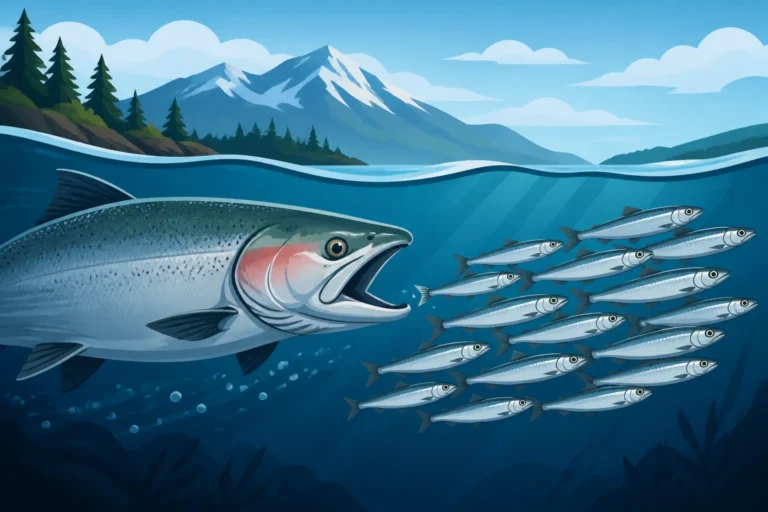
Catching triploid rainbow trout often involves similar techniques to catching any large, hungry rainbow, but with a few nuances given their growth-focused nature. They are voracious feeders, always looking for a substantial meal, so presentations that mimic larger prey items or offer a good caloric payoff tend to work well.
Baits: For stillwater lakes, traditional baits like PowerBait, corn, or even a juicy worm fished off the bottom can be incredibly effective. These fish are often quite opportunistic. If you're float fishing, a chunk of roe or even a prawn can tempt a big triploid.
Lures: Spin casting with lures is a fantastic way to cover water and find these actively feeding fish. Spoons like the classic "Krocodile" or "Gibbs-Delta" in silver, brass, or vibrant colours are excellent choices. Small spinners, such as "Mepps Aglia" or "Blue Fox Vibrax," can also be deadly, especially when retrieved at varying speeds to mimic struggling baitfish. These are widely available at local tackle shops or online retailers like Amazon. When these fish hit, be prepared for a strong run!
Flies: Fly anglers will find success with a variety of patterns. Larger nymphs like stoneflies or prince nymphs, chironomids (especially during hatches), and leeches or woolly buggers stripped aggressively are often irresistible. Because triploids are less concerned with spawning, they tend to remain aggressive feeders throughout the season, unlike wild fish that might become less interested in food as their spawning urges peak. Look for them around structure, drop-offs, and weed beds where they'll ambush prey. Knowing How to Catch Rainbow Trout in BC Lakes will give you a solid foundation, but remember to upsize your offerings a bit for these bigger, hungrier fish.
The Broader Picture: Triploids and the Future of BC Fishing
Triploid rainbow trout are more than just a scientific curiosity; they represent a significant tool in the modern management of British Columbia's diverse and beloved fisheries. Their use allows for a delicate balance between providing exciting angling opportunities and safeguarding our precious wild aquatic resources.
Balancing Angler Expectation with Conservation Realities
The introduction of triploid trout into BC lakes has largely been a success story, helping to meet the ever-increasing demand for quality recreational fishing while adhering to strict conservation principles. Anglers get the thrill of targeting larger, more aggressive fish, which keeps enthusiasm high and supports local economies that rely on fishing tourism. At the same time, the sterility of these fish alleviates concerns about their potential impact on native gene pools, which is a constant and critical consideration for fisheries managers.
It’s an ongoing conversation, of course. Some purists might argue for a "wild-only" approach, but the reality is that many accessible lakes simply cannot sustain the level of angling pressure without supplemental stocking. Triploids provide that supplement without compromising the biological integrity of wild populations elsewhere. They are a testament to how science and thoughtful management can work together to ensure that Rainbow Trout Fishing in BC remains excellent for generations to come. When you buy a new fishing vest or some tackle on Amazon, remember that the efforts of fisheries managers are helping to ensure you have a reason to use it!
Supporting Your Local Fishery: Where to Find Stocked Triploids
If you're eager to try your hand at catching a trophy triploid, the best place to start is by consulting the official stocking reports and local fishing advisories provided by organizations like the Freshwater Fisheries Society of BC. These resources are invaluable and will tell you exactly which lakes have received triploid rainbow trout, when they were stocked, and often at what size.
Popular regions throughout BC, including parts of the Cariboo and the Kootenays, often have lakes that are prime candidates for triploid stocking programs, designed to create those "destination" fisheries. Engaging with local tackle shops, reading fishing forums, and even talking to other anglers can also provide invaluable up-to-date information. Understanding BC Fishing Seasons by Month will also help you plan your trip for the optimal time to target these actively feeding fish. By staying informed and supporting these stocking initiatives through your license purchases, you're directly contributing to the health and vitality of BC's incredible recreational fisheries. Your annual BC Fishing License directly funds these vital programs.
Disclaimer
This article is for general informational purposes only and does not constitute professional advice. Laws, prices and regulations vary by location and change over time. Consult a qualified professional for guidance on your specific situation.