Resident vs Non-Resident Fishing License Costs in BC
One of the trickiest parts of planning a fishing trip in British Columbia, especially if you’re coming from out of province or another country, is figuring out the exact cost of your fishing license. It's not just a simple flat fee; there's a real difference between what residents pay and what non-residents are expected to shell out, plus a whole host of additional stamps and considerations. This guide will meticulously break down those cost variations, helping you understand the nuances and ensuring you're fully prepared before you even cast your first line.
Understanding BC Residency for Fishing Licenses
Before we dive into the numbers, it's absolutely crucial to understand what British Columbia's fishing regulations consider a "resident." Many people assume that simply owning property or spending a significant amount of time here makes them a resident, but the legal definition for licensing purposes is quite specific and can catch people off guard.
Defining "Resident" in BC Regulations
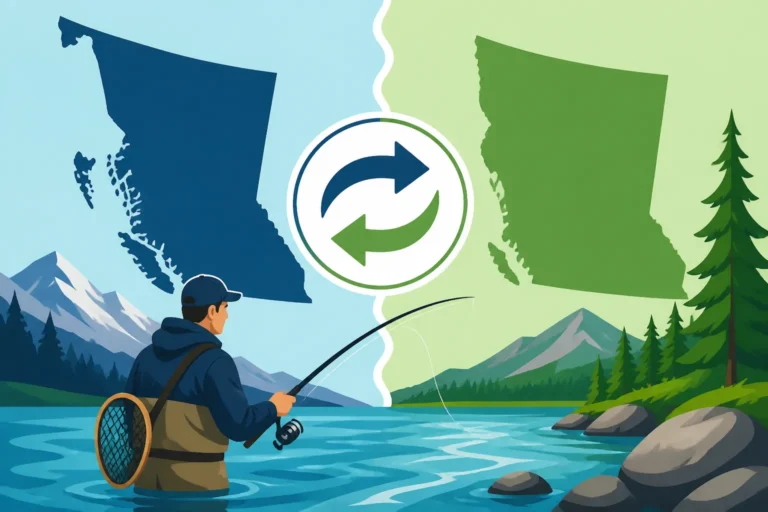
For the purpose of obtaining a fishing license at resident rates, a "resident" in British Columbia is generally defined as a person who has their usual place of abode in British Columbia and has lived in the province for the immediately preceding six months. It’s not about where you pay your taxes or own a vacation home; it’s about your primary, continuous residence. This means if you’ve just moved to BC, you might still be considered a non-resident for your first six months, even if all your other affairs are in order. This definition applies to both freshwater and tidal water licenses. For more detail on this, you might want to look into the broader guide on the BC fishing license residency requirements.
Imagine you're a student who moved from Alberta to attend university in Vancouver last September. Come April, you want to go fishing on the Fraser River. Even though you've been living in BC for several months, you might not quite hit that six-month mark of "usual place of abode" for the fishing license definition. This often means you'll still need to purchase a non-resident license until that full six-month period has passed. It's a technicality, but one that could lead to fines if overlooked. The province wants to ensure that those benefiting from the lower resident rates are genuinely contributing to the province as long-term residents.
Common Misconceptions About Residency
One of the biggest misconceptions we see is people assuming temporary work assignments or seasonal stays count as residency. For example, if you spend your summers working a seasonal job in the Okanagan, but your permanent home is in Ontario, you are still considered a non-resident for fishing license purposes. The key word is "usual place of abode" and that continuous six-month period. This can be particularly frustrating for those who feel like they're "part of the community" during their extended stays but don't quite meet the legal criteria.
Another area of confusion often arises with minors. While there are specific rules for youth fishing licenses, including exemptions for those under 16, their residency status generally follows that of their parents or legal guardians. So, if a family from Washington State is visiting and their child wants to fish, the child would still be subject to non-resident rules, even if they're under the age requiring a full license. This is an important distinction to make, as the question of BC Fishing License Age Requirements comes up frequently. Always err on the side of caution and assume non-resident status unless you definitively meet the six-month residency rule.
The Nitty-Gritty: BC Resident Fishing License Costs
Now that we've cleared up what a resident is, let's talk about the actual costs. BC residents are fortunate to have access to more affordable licensing options, designed to encourage local participation in the province's incredible fisheries.
Annual Freshwater Licenses for Residents
For BC residents, an annual freshwater fishing license is generally quite affordable. As of the current regulations, a standard annual freshwater license for an adult resident typically costs around $36, but this can fluctuate slightly each year. This single license covers a full year from its purchase date, allowing you to fish in most of BC's freshwater lakes and rivers. This is often the most cost-effective option for residents who plan to fish more than a couple of times a year. It's important to remember that this doesn't cover tidal waters; that's a separate beast entirely.
Consider a local angler living in Kamloops who loves to hit the nearby lakes like Kamloops Lake or Paul Lake every weekend during the spring and summer. For them, paying the annual fee once makes perfect sense. They don't have to worry about buying day passes or remembering expiry dates; they're covered. This basic license is your gateway to target popular species like rainbow trout, Kokanee, and various other freshwater fish across the province.
Tidal Water Licenses for BC Residents
If your passion lies in the saltwater, chasing salmon, halibut, or lingcod off the coast, you'll need a separate tidal water fishing license. For BC residents, an annual tidal water license for an adult generally runs a bit higher than the freshwater equivalent, often in the range of $50-$60. This license covers all marine species and allows you to fish in the vast Pacific waters bordering British Columbia. Just like the freshwater license, it's valid for a full year from the date of purchase.
Let's say you're a resident of Victoria and you enjoy crabbing in the Juan de Fuca Strait or heading out on the weekends to fish for salmon near Sooke. An annual tidal water license is essential. It's also worth noting that if you plan to retain certain species, like salmon, you'll need additional stamps, which we'll discuss shortly. So, the base tidal license is just the starting point for coastal adventures. Knowing the difference between BC Freshwater vs Tidal Waters License, Explained is key here, as many mistakenly believe one covers both.
Combination and Special Resident Licenses
While specific "combination" licenses covering both fresh and tidal waters in one neat package are not always available as a default option, residents often purchase both annual freshwater and tidal licenses if they intend to fish in both environments. This effectively acts as a combination, albeit through two separate purchases.
However, there are special considerations for certain demographics. For example, there's a notable BC senior fishing license discount at 65. Residents aged 65 and older can often obtain their annual freshwater license for a significantly reduced fee, sometimes even free, depending on the current provincial policies. This is a wonderful initiative to keep seniors active and enjoying the outdoors. Similarly, anglers with disabilities may also qualify for reduced rates or exemptions, making fishing more accessible for everyone. It's always worth checking the latest regulations if you fall into one of these categories to see what benefits you might be eligible for.
Navigating Non-Resident Fishing License Costs in BC
For those visiting British Columbia from outside the province, whether from another part of Canada or an international destination, the fishing license costs are higher. This is a common practice in many jurisdictions worldwide, with the intent of having visitors contribute more to the conservation and management of the local fisheries they enjoy.
Non-Resident Canadian Rates: A Closer Look
If you're a Canadian resident but not a resident of British Columbia (e.g., you're from Alberta, Ontario, or Quebec), you'll pay a higher rate for your BC fishing license than a BC resident. For a non-resident Canadian adult, an annual freshwater license might cost in the range of $55-$65. This is a noticeable step up from the BC resident rate but still generally more affordable than international non-resident options.
Many anglers from Alberta, for instance, love to visit the Kootenay region for its excellent trout fishing. They'll need to purchase this non-resident Canadian freshwater license. While the cost is higher, it still grants them access to the same incredible fisheries for a full year. The same principle applies to tidal waters: a non-resident Canadian annual tidal license could be around $70-$80. These rates reflect a balance between encouraging Canadian visitors and ensuring fair contributions to resource management.
International Non-Resident Fishing License Costs
For international visitors, the rates are the highest. If you're coming from the United States, Europe, or any other country outside of Canada, you'll be considered an international non-resident. An annual freshwater license for an adult international non-resident typically ranges from $80-$95. For an annual tidal water license, the cost can be even higher, sometimes $100-$120 or more.
Imagine a fishing enthusiast from Germany planning a dream trip to fish the Skeena River for steelhead. They will need to account for these higher international non-resident rates. These costs are designed to ensure that those who are not contributing to the provincial tax base through residency still contribute significantly to the conservation efforts that keep BC's fisheries world-class. Often, visitors on these trips are guided, and their guide will ensure they have the correct licenses, but it's always good for the angler to understand the underlying costs.
Short-Term Non-Resident License Options
Understanding that not everyone needs an annual license, especially visitors on shorter trips, BC offers various short-term non-resident options. These are incredibly popular and can sometimes be more economical for brief visits.
- 1-Day Licenses: Both non-resident Canadian and international non-residents can purchase 1-day freshwater or tidal licenses. These are perfect for a spontaneous day trip or if you're only planning one fishing outing during your visit. The cost for a 1-day non-resident freshwater license might be around $20-$25, while a 1-day tidal license could be similar or slightly more. For example, if you are planning to spend just a day fishing for trout on a lake near Kelowna, a BC non-resident 1-day freshwater fishing license cost is a perfect fit, saving you from buying a full annual pass.
- 3-Day/5-Day/8-Day Licenses (Tidal): For tidal waters, non-residents often have access to multi-day options like 3-day or 5-day licenses. These are particularly useful for those on fishing charters or extended coastal trips. The pricing is tiered, offering a slight discount per day compared to buying multiple 1-day licenses consecutively. For example, a 3-day non-resident tidal license might be around $40-$50, while a 5-day could be $60-$75. These options are popular with tourists taking guided trips out of Tofino or Ucluelet, allowing them to fish for multiple days without committing to an annual pass.
It’s crucial to pick the license that best fits your trip duration. Don't overpay for an annual license if a 3-day pass will cover your entire stay. However, if you're coming for two separate week-long trips in a year, an annual pass might surprisingly be cheaper. Always do the math!
Special Considerations and Surcharges
The base license fee is rarely the final cost. British Columbia has implemented a system of conservation stamps and surcharges for certain species, which are vital for funding specific conservation initiatives. These apply to both residents and non-residents, adding to the overall cost.
Conservation Stamps: More Than Just a Fee
Conservation stamps are mandatory additions to your fishing license if you plan to retain certain highly sought-after species. These funds directly support programs for stock assessment, habitat restoration, and enhancement of these specific fish populations.
- Salmon Conservation Stamp (Tidal Waters): If you're fishing in tidal waters and wish to retain any species of Pacific Salmon (Chinook, Coho, Sockeye, Pink, or Chum), you must purchase a Salmon Conservation Stamp. This applies to both residents and non-residents. The annual cost for this stamp is typically around $6-$7, but it’s a non-negotiable addition if you want to keep salmon. This is a critical component for anyone targeting salmon, as outlined in the BC Salmon Conservation Stamp Rules.
- Freshwater Salmon Conservation Stamp: For freshwater anglers targeting salmon (primarily on rivers like the Fraser or Skeena), a separate freshwater salmon conservation stamp is also required. This stamp’s cost is similar to the tidal water version, typically around $6-$7 annually. It ensures that those participating in freshwater salmon fisheries also contribute to their conservation. Understanding the BC Freshwater Salmon Retention Rules is paramount if you plan to keep any salmon from a river.
- Steelhead Conservation Surcharge Stamp: If you're planning to target or retain (where permitted, which is rare for wild steelhead) steelhead, a specific Steelhead Conservation Surcharge Stamp is mandatory for freshwater fishing. This stamp is crucial for funding the management and recovery efforts for these iconic, often vulnerable, fish populations. Its annual cost is usually around $50-$60 for non-residents and a bit less for residents. Given the protected status of many steelhead runs, ensuring you have this stamp and understanding the regulations is extremely important.
- Rainbow Trout Conservation Surcharge Stamp: While not required for all rainbow trout fishing, there can be specific surcharges for certain trophy waters or unique strains of rainbow trout. For instance, fishing for the famous Gerrard rainbow trout of Kootenay Lake might sometimes involve additional requirements or conservation fees, though this is less common than the salmon or steelhead stamps. Always consult the specific regional regulations for the waters you plan to fish.
These stamps aren't just an extra expense; they're a direct investment in the future of British Columbia's world-class fishing. Neglecting to purchase the correct stamps, even if you have a valid base license, can lead to significant penalties.
Youth and Senior License Exemptions or Discounts
British Columbia does a commendable job of making fishing accessible, especially for younger and older anglers.
- Youth Exemptions: Children under the age of 16 are generally exempt from needing a basic freshwater fishing license in BC. This is fantastic for encouraging families to get out and enjoy fishing. However, even if they don't need a base license, if a youth plans to retain salmon, they might still need to purchase the appropriate salmon conservation stamp. For tidal waters, while generally exempt from the base license fee, youth under 16 still need to register for a free tidal license to record their catches, especially for salmon. This is a subtle but important distinction that often catches parents by surprise, and you can find more details in the BC Youth Fishing License Exemption Under 16 guide.
- Senior Discounts: As mentioned earlier, BC residents aged 65 and over often receive significant discounts or even free annual freshwater licenses. This policy celebrates the long-standing contributions of seniors to the province and encourages them to continue enjoying the outdoors. For tidal waters, seniors may also find reduced rates. Always double-check the current fees as they can be updated annually.
These exemptions and discounts highlight BC's commitment to fostering a love for fishing across all generations, while still maintaining essential conservation funding through the surcharge stamps.
Fishing in Specific Waters: Additional Regulations
Beyond the general provincial licenses and stamps, certain waters in British Columbia have their own unique, specific regulations or even require additional permits. These are often designated as "special regulation waters" due to sensitive ecosystems, unique fish populations, or intensive management efforts.
For instance, some lakes might be designated "fly fishing only" or "catch and release only," and while these don't necessarily incur an additional cost, they impose strict rules on how you can fish. Other areas, particularly in certain First Nations treaty territories, might have specific agreements or regulations that anglers need to be aware of. It's imperative to consult the Freshwater Fishing Synopsis or the federal Pacific Region Salmon Fishing Regulations regularly. These publications are updated annually and are available free online. You can also find them as physical copies at most license vendors. Before heading out, always check BC Fishery Notices and In-Season Closures, Explained as these can introduce temporary restrictions or closures. This information is usually detailed, and taking the time to understand it can save you from inadvertently breaking rules.
Where and How to Purchase Your BC Fishing License
You've done your homework, figured out your residency, and calculated the total cost including any necessary stamps. Now, how do you actually get your hands on that coveted piece of paper (or digital file)? Luckily, British Columbia offers several convenient ways to purchase your fishing license.
Online Purchase: Convenience at Your Fingertips
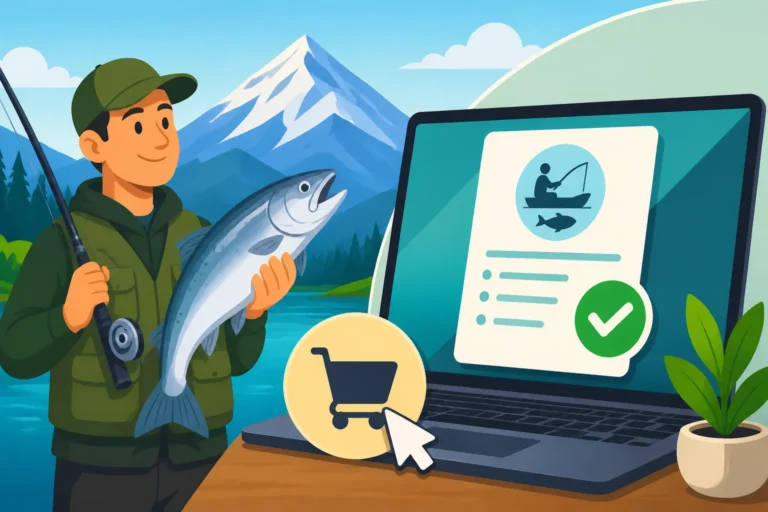
The easiest and most common way to purchase your BC fishing license these days is online. Both freshwater and tidal fishing licenses can be bought through the provincial government's official websites. You'll need a credit card, and usually, you'll set up an account if it's your first time.
The process is generally straightforward:
- Visit the official website: For freshwater licenses, you'll go to the BC government's Angler's Atlas portal. For tidal licenses, it's the National Recreational Licensing System, managed by Fisheries and Oceans Canada (DFO).
- Create an account or log in: If you're a new user, you'll need to register. Returning anglers can just log in.
- Select your license type: Choose between resident/non-resident, annual/short-term, and add any necessary conservation stamps (like the BC Salmon Conservation Stamp Rules).
- Pay: Complete the transaction using a credit card.
- Print or Save: Once purchased, you'll receive a digital copy of your license. You can either print this out and carry a physical copy, or you can save it to your smartphone or tablet. Carrying a digital copy is becoming increasingly common and is perfectly acceptable, as long as it's easily accessible and legible for inspection. For more details on this, check out Printing or Carrying a Digital Fishing License in BC.
The beauty of online purchasing is that you can do it anytime, anywhere, even right before you head out to the water, as long as you have internet access. This convenience means fewer excuses for fishing without a valid license! And if you're looking for last-minute gear or need a portable printer to get that license printed out, a quick search on Amazon can get you sorted.
Authorized Vendors: In-Person Options
While online purchasing is convenient, sometimes you just prefer the in-person experience, or you might need some local advice. British Columbia has a network of authorized vendors where you can purchase your fishing license.
These vendors typically include:
- Sporting Goods Stores: Shops like Cabela's, Bass Pro Shops, or smaller local tackle shops often sell licenses. The staff there can sometimes offer valuable local fishing tips and help you ensure you're buying the correct license for your target species and location.
- Selected Retail Stores: Some general retailers or hardware stores in smaller communities might also be authorized license vendors.
- Marina Operators: For tidal licenses, many marinas along the coast will sell them.
Purchasing in person allows you to ask questions, browse gear, and get a feel for the local fishing scene. It's a great option if you're not tech-savvy or just prefer human interaction. Remember to bring valid identification, and for non-residents, proof of address might be required to confirm your non-resident status. Don't forget, if you need new tackle or even some fishing-specific apparel for your trip, many of these local shops carry great selections, and if not, online marketplaces like Amazon always have a wide range of options.
Avoiding Fines: The Cost of Fishing Without the Right License
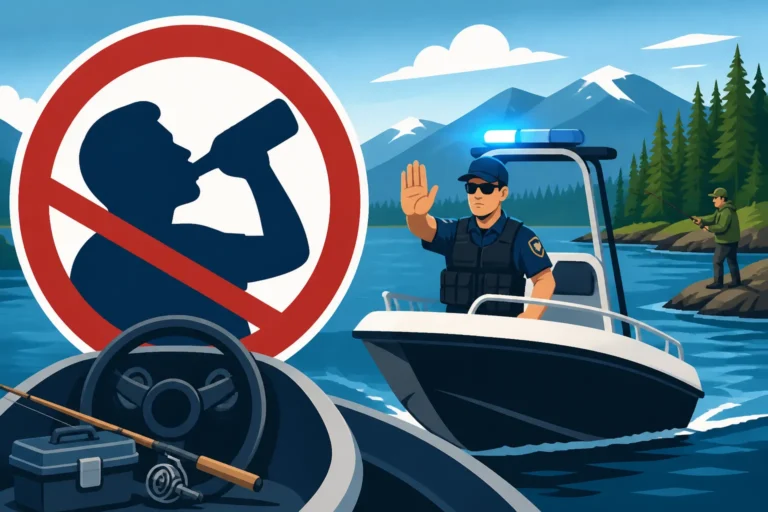
This is where understanding all these regulations truly pays off. Fishing without the correct license or stamps in British Columbia isn't just a minor oversight; it can lead to substantial fines and even more serious penalties. No one wants their fishing trip ruined by an encounter with a fishery officer that ends with a ticket.
Penalties for Non-Compliance
The penalties for fishing without a valid license or the necessary conservation stamps can be quite steep.
- Fines: For a first offense of fishing without a license, fines can range from a few hundred dollars up to $1,000 or more, depending on the specific infraction and the discretion of the enforcement officer. These are not minor tickets; they can quickly eclipse the cost of an annual license. If you're caught without the correct salmon stamp while retaining salmon, for instance, that's another separate fine. For detailed information, you can always refer to the guide on Fishing Without a License in BC: Penalties.
- Seizure of Gear: In more serious cases, especially for repeat offenders or significant violations, fishery officers have the authority to seize your fishing gear, including your rods, reels, and even your boat. Imagine having your prized fishing setup confiscated – a very real and painful consequence.
- Loss of Future Privileges: Depending on the severity of the offense, you could also face a temporary or permanent ban from fishing in British Columbia. This is particularly devastating for passionate anglers.
- Criminal Charges: For egregious violations, such as fishing in closed areas or exceeding significant bag limits, criminal charges can be laid, leading to even harsher penalties, including jail time. While rare for recreational anglers, it's a stark reminder of the importance of adhering to regulations.
Let's say you're a non-resident angler on a multi-day trip, and you decide to "save" a few dollars by just getting a 1-day license for your first day, hoping to sneak by on the other days. An encounter with a vigilant fishery officer, who routinely patrols popular fishing areas, could mean a fine of several hundred dollars – far more than the cost of a legitimate multi-day or annual license. It's simply not worth the risk.
Importance of Understanding All Regulations
The best way to avoid these pitfalls is to take the time to thoroughly understand not just the licensing requirements, but also all the other regulations that apply to the waters you're fishing. This includes:
- Bag and Possession Limits: Knowing how many fish of each species you can keep and how many you can have in your possession. You can find general information on BC Bag and Possession Limits by Species.
- Size Restrictions: Minimum and maximum size limits for certain fish.
- Season Dates and Closures: Knowing when certain fisheries are open or closed, which can change frequently based on conservation needs. For example, specific sockeye runs on the Fraser River often have BC Fraser River Sockeye Closure Windows in place.
- Gear Restrictions: What types of hooks, baits, and tackle are allowed or prohibited in specific areas.
- Area-Specific Rules: Local regulations for particular lakes or rivers, which might differ from general provincial rules.
The fishing regulations synopsis, available annually, is your bible. It's freely accessible online and at license vendors. Many anglers download it to their phones or print out key sections. Ignorance of the law is not an excuse, and fishery officers are there to enforce these rules to protect BC's precious aquatic resources. Taking a few minutes to read up on the rules can prevent a costly mistake and ensure your fishing experience is enjoyable and responsible. Even looking up quick guides on Amazon about BC fishing regulations can be a smart move before you head out.
In summary, while BC fishing license costs vary significantly between residents and non-residents, and additional stamps add to the price, these structures are in place to ensure the sustainability of British Columbia's incredible fisheries for generations to come. Understanding these differences and adhering to the rules is the angler's responsibility and privilege.
BC Fishing License Cost Comparison Table
To help visualize the difference in costs, here's a simplified comparison of approximate annual fees for basic freshwater and tidal licenses for an adult, along with a key conservation stamp. Please note these are approximate current values and actual prices can vary slightly each year. Always check the official government websites for the most up-to-date figures.
| License Type | BC Resident (Adult) | Non-Resident Canadian (Adult) | International Non-Resident (Adult) |
|---|---|---|---|
| Annual Freshwater License | ~$36 | ~$60 | ~$90 |
| Annual Tidal Waters License | ~$55 | ~$75 | ~$110 |
| Freshwater Salmon Conservation Stamp (Annual) | ~$7 | ~$7 | ~$7 |
| Tidal Waters Salmon Conservation Stamp (Annual) | ~$7 | ~$7 | ~$7 |
| Steelhead Conservation Surcharge Stamp (Annual) | ~$30 | ~$55 | ~$55 |
| Example Total (FW w/ Salmon) | ~$43 | ~$67 | ~$97 |
| Example Total (Tidal w/ Salmon) | ~$62 | ~$82 | ~$117 |
Disclaimer
The information provided in this guide is for general informational purposes only and is subject to change. Fishing regulations, license costs, and conservation stamp requirements in British Columbia can be updated annually or even in-season by provincial and federal authorities. Always consult the official British Columbia Freshwater Fishing Regulations Synopsis and the federal Pacific Region Salmon Fishing Regulations, or visit the official websites of the BC Ministry of Forests, Lands, Natural Resource Operations and Rural Development, and Fisheries and Oceans Canada (DFO) before planning any fishing trip to ensure you have the most current and accurate information.