Do Steelhead Reproduce Naturally in BC Rivers?
It’s a question many of us find ourselves pondering while out on a misty riverbank, rod in hand, waiting for that tell-tale tug: do the magnificent steelhead we pursue in British Columbia’s rivers truly reproduce naturally, or are they mostly a product of human intervention? It’s a valid point of curiosity, and honestly, the answer is a nuanced one that speaks volumes about the health of our watersheds. This guide will dive deep into the fascinating world of steelhead reproduction in BC, helping you understand the vital role wild fish play and how we can all contribute to their future.
The Intricate World of Wild vs. Hatchery Steelhead in BC
When you think about steelhead fishing in British Columbia, it's easy to picture these incredible chrome-bright fish, fresh from the ocean, powering their way upstream. But the reality is, not all steelhead are created equal, especially when it comes to their origins. Understanding the difference between wild and hatchery-raised steelhead is crucial to appreciating the natural processes at play in our rivers.
Wild steelhead are fish born in the river, spending their juvenile years in freshwater before migrating to the ocean. They return to their natal streams to spawn, relying entirely on natural habitat, water quality, and genetic fortitude to complete their life cycle. These fish have adapted over millennia to the specific conditions of their home rivers, giving them a resilience that can be truly remarkable. On the other hand, hatchery steelhead are raised in controlled environments, often released into rivers to supplement fish populations, particularly for recreational fishing opportunities. While hatcheries provide a valuable service, they can also impact wild populations, leading to discussions about genetics, competition, and overall ecosystem health.
The presence of both wild and hatchery fish sometimes blurs the lines for anglers. You might catch a magnificent specimen and wonder if it's a testament to nature's enduring power or human efforts. It's a critical distinction, especially for conservation, as the ability of steelhead to reproduce naturally is a key indicator of a river's ecological well-being. Knowing which rivers support strong wild runs and understanding the signs of natural reproduction helps us advocate for and protect these precious ecosystems.
The Mechanisms of Natural Steelhead Reproduction
The natural reproductive journey of a steelhead is nothing short of an epic saga, a testament to instinct and survival against incredible odds. It begins with the adult fish, often after spending one or more years in the vast Pacific Ocean, making their arduous migration back to the exact freshwater stream where they were born. This homing instinct is incredibly strong and ensures genetic integrity within specific populations.
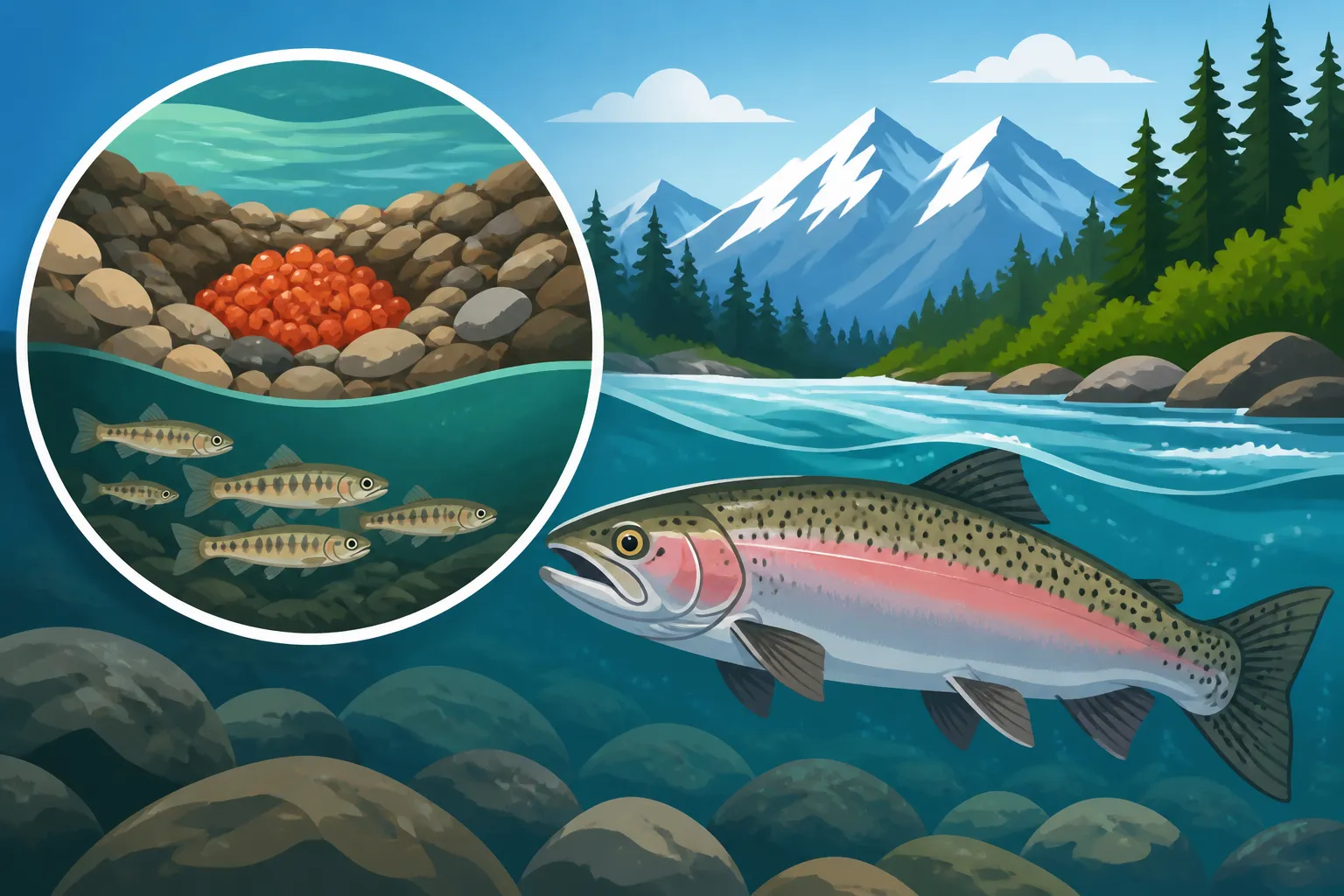
Once in their spawning grounds, which are typically gravel-bottomed riffles with good water flow, the female steelhead, known as a hen, prepares a redd (a spawning nest). She does this by turning on her side and vigorously fanning her tail, creating a depression in the gravel. A male steelhead, or buck, will then join her. As the hen releases her eggs into the redd, the buck simultaneously fertilizes them. This process can happen multiple times over several days, with the female depositing thousands of eggs in several redds, each time covering them with gravel to protect them from predators and the river's current. This arduous task takes an immense toll on the fish, yet many wild steelhead are iteroparous, meaning they can survive spawning and return to the ocean, sometimes coming back to spawn again in subsequent years—a rare feat among Pacific salmon species. For more on the life cycle of these fish, check out Steelhead Runs on BC's North Coast Rivers.
Redds and the Incubation Period
The redds are vital nurseries for the next generation. Once the eggs are laid and fertilized, they settle into the gravel and begin a lengthy incubation period. This period varies depending on water temperature; colder water means a longer incubation, while warmer water speeds up development. Generally, it can take anywhere from a few weeks to several months for the eggs to hatch. During this time, the eggs are incredibly vulnerable to environmental disturbances like silting from erosion, sudden temperature fluctuations, or predation.
The gravel acts as a natural filter and provides a safe, oxygenated environment for the developing embryos. Healthy streamflow ensures a constant supply of clean, cold water, which is paramount for egg survival. This is why preserving pristine stream habitats is so critical for wild steelhead. Any activity that disrupts the streambed, introduces pollutants, or alters water temperature can have devastating consequences for these fragile embryonic fish.
Alevins, Fry, and Parr
Once hatched, the tiny steelhead are called alevins. They remain buried in the gravel, subsisting on the yolk sac still attached to their bodies. This yolk sac provides all the nutrition they need as they continue to develop, avoiding the dangers of the open water. After consuming their yolk sacs, they emerge from the gravel as free-swimming fry. At this stage, they're only a few centimetres long and extremely vulnerable, but they've begun their active search for food, primarily small aquatic insects.
As they grow, fry develop into parr, characterized by distinctive vertical bars (parr marks) along their sides, which provide camouflage in the river. Parr will spend typically two to three years, sometimes more, in their natal freshwater streams, growing larger and learning to forage and avoid predators. This extended freshwater residence is a defining characteristic of steelhead compared to most other Pacific salmon. During this time, they feed on insects, small crustaceans, and even smaller fish. They seek out complex habitats like undercut banks, submerged logs, and rock structures for shelter and feeding opportunities. Amazon offers a variety of educational books on fish identification and biology that can help you learn more about these fascinating stages.
Smoltification and Ocean Migration
The final stage of their freshwater life is smoltification. This is a remarkable physiological transformation where the parr adapt from a freshwater existence to life in saltwater. Their parr marks fade, their bodies become more silvery and streamlined, and their gills change to process saltwater. Driven by instinct, these smolts then migrate downstream to the ocean, usually in the spring, to begin their marine growth phase.
Upon reaching the ocean, they face a whole new set of challenges and predators but also an abundance of food, allowing them to grow rapidly. They typically spend one to four years in the ocean, feeding and maturing, before that powerful urge to reproduce brings them back to their home rivers. This incredible cycle, from egg to ocean-going adult and back again, is the essence of natural steelhead reproduction. Understanding and protecting each stage of this journey is vital for the health of BC's wild steelhead populations. You might be interested in learning about Steelhead Fishing in BC for more practical tips.
Challenges to Natural Steelhead Reproduction in BC
While the natural life cycle of steelhead is robust, it's far from impervious to the pressures of the modern world. Wild steelhead populations in British Columbia face a multitude of challenges that can severely impact their ability to reproduce naturally and thrive. These aren't just minor hurdles; they are significant threats that demand our attention and action.
Habitat Degradation and Loss
Perhaps the most pervasive threat to natural steelhead reproduction is habitat degradation and outright loss. Steelhead rely on specific, healthy freshwater habitats for every stage of their life cycle, from clean, oxygenated gravel for egg incubation to complex riverine structures for rearing juveniles.
- Forestry Practices: Logging, especially near riparian zones, can lead to increased sedimentation in rivers, smothering redds and destroying spawning habitat. It can also remove critical shade, leading to increased water temperatures that are detrimental to eggs and juvenile fish.
- Urbanization and Development: As communities expand, rivers and streams are often encroached upon. This can involve channelization, culverts that block fish passage, hardened shorelines, and the loss of natural vegetation. Runoff from urban areas can also introduce pollutants into the water, further harming sensitive fish.
- Agriculture: Agricultural practices, while vital for our food supply, can also impact steelhead habitat. Runoff containing pesticides, fertilizers, and animal waste can degrade water quality. Water abstraction for irrigation can reduce stream flows, particularly during critical low-water periods, leaving eggs and fry stranded or reducing available habitat. Best Fishing Rivers in British Columbia outlines where many of these vulnerable populations exist.
Climate Change and Environmental Shifts
Climate change presents a complex and increasingly severe threat to natural steelhead reproduction. The delicate balance of freshwater ecosystems is highly sensitive to changes in temperature and precipitation patterns.
- Water Temperature Increases: Warmer air temperatures translate to warmer river temperatures. Steelhead eggs and juveniles require cold, oxygen-rich water to survive. Elevated temperatures can stress fish, reduce oxygen levels, and make them more susceptible to disease. It can also alter the timing of insect hatches, disrupting the food chain for juvenile fish.
- Altered Hydrology: Changes in precipitation patterns, including more intense rainfall events and longer dry spells, can lead to extreme flow conditions. Heavy rainfall can cause flash floods that scour redds and displace juvenile fish, while prolonged droughts can drastically reduce stream flows, leaving fish stranded or increasing water temperatures to lethal levels. These shifts impact the overall health of the river systems.
Overfishing and Inappropriate Angling Practices
While regulations are in place to manage fishing pressure, overfishing and certain angling practices can still pose a threat to wild steelhead populations. Catch-and-release fishing is widely promoted for conservation, but even with the best intentions, improper handling can lead to post-release mortality.
- Barbless Hooks and Gentle Handling: Adhering to regulations, such as using single, barbless hooks, significantly reduces harm to fish. However, ensuring fish are landed quickly, kept in the water as much as possible, and released gently are critical practices for their survival. Items like knotless landing nets are readily available on platforms like Amazon and are excellent tools for minimizing harm.
- Poaching and Illegal Fishing: Despite enforcement efforts, illegal fishing can still occur, particularly in remote areas, which directly removes spawning adults from the population, hindering natural reproduction. This impacts the number of fish available to spawn and thus the future generations.
Conservation Efforts and How Anglers Can Help
The good news is that there are many dedicated individuals and organizations working tirelessly to protect and restore wild steelhead populations in British Columbia. Anglers, with their passion for these fish and their connection to the rivers, play a crucial role in these conservation efforts.
Supporting Research and Habitat Restoration
Many non-profit organizations and government agencies conduct vital research to understand steelhead populations, migration patterns, and the impacts of various environmental factors. They also lead or support habitat restoration projects.
- Volunteer and Donate: Consider volunteering your time with local watershed groups or making a donation to organizations focused on steelhead conservation. These groups often organize riparian planting projects, stream clean-ups, and fish habitat enhancement initiatives. Every little bit helps.
- Report Observations: If you observe anything unusual, such as fish in distress, pollution, or suspected illegal fishing activity, report it to the appropriate authorities. Your eyes and ears on the water are invaluable for protecting these resources. For specific rules, refer to BC Fishing Regulations Explained.
Practicing Responsible Angling
Your actions on the water have a direct impact on the survival of individual fish and the overall health of the steelhead population. Responsible angling is not just about following the rules; it's about adopting an ethos of stewardship.
- Learn and Follow Regulations: Always know and abide by the current fishing regulations for the specific river or stream you are fishing. This includes bag limits, gear restrictions, and open/closed seasons. Regulations can change frequently, so always check before you go. You can find detailed information in Reading the BC Freshwater Fishing Regulations Synopsis.
- Prioritize Catch and Release: For wild steelhead, especially on sensitive runs, practicing catch and release is paramount. If you must photograph a fish, do it quickly with the fish in or barely out of the water. Avoid dragging fish onto banks or boats for extended photo sessions. A good quality, rubberized net can be found on Amazon and will minimize scale and slime loss.
- Minimize Stress: Land fish quickly to reduce exhaustion. Keep them wet and handle them as little as possible. If you need to remove a hook, use pliers or forceps, and try to do it while the fish is still submerged. Cut the line if a hook is too deeply embedded to avoid further injury.
- Respect Spawning Areas: Be mindful of where steelhead spawn. Avoid wading through areas where you suspect redds might be present, especially during spawning season. Disturbing redds can crush developing eggs, wiping out future generations.
Advocacy and Education
Part of being a responsible angler is also being an advocate for the resource. Your voice matters in conservation efforts.
- Speak Up for Steelhead: Support policies and initiatives that protect steelhead habitat and ensure sustainable management. Attend public meetings, write letters to elected officials, or join advocacy groups.
- Educate Others: Share your knowledge about responsible angling practices and the importance of wild steelhead conservation with fellow anglers, friends, and family. The more people who understand these issues, the stronger the conservation movement becomes. Many valuable resources for learning about BC's fish can be found online or in books, including those available through Amazon.
- Support Sustainable Practices: When making choices outside of fishing, consider the impact on aquatic environments. Support businesses and industries that prioritize environmental stewardship and sustainable practices.
| Steelhead Type | Origin | Key Characteristics | Reproductive Strategy | Conservation Status |
|---|---|---|---|---|
| Wild | Born in river, naturally | Genetically diverse, highly adapted, often smaller | Naturally spawns in river | Often vulnerable |
| Hatchery | Farmed, released | Genetically uniform, less adapted, can be larger | Contributes to angling, not | Cultivated |
| natural reproduction |
The question of whether steelhead reproduce naturally in BC rivers is met with a resounding "yes," but it's a qualified yes. Wild steelhead absolutely reproduce naturally, a marvel of nature that continues against increasing odds. However, their ability to do so successfully is under constant threat. By understanding their life cycle, recognizing the challenges they face, and actively engaging in responsible angling and conservation efforts, we can all play a part in ensuring these incredible fish continue their natural dance in the wild rivers of British Columbia for generations to come.
Disclaimer
This article is for general informational purposes only and does not constitute professional advice. Laws, prices and regulations vary by location and change over time. Consult a qualified professional for guidance on your specific situation.