Are Gerrard Rainbow Trout the World’s Largest Strain?
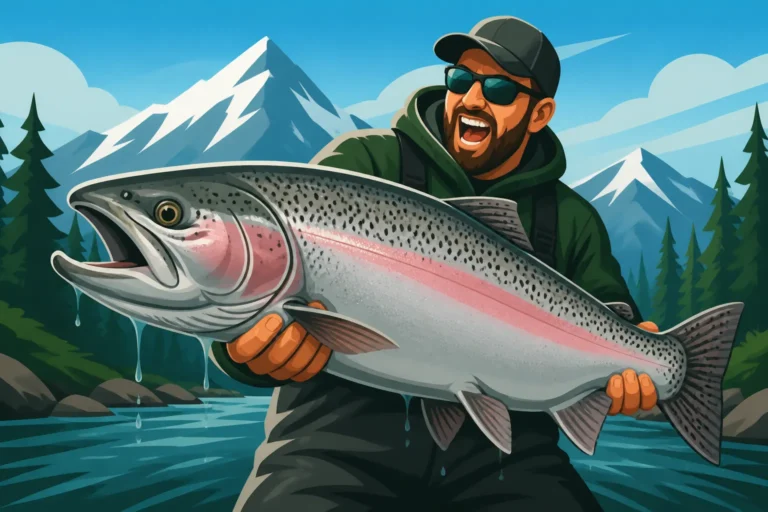
When you think of British Columbia, images of towering mountains, pristine forests, and shimmering waters often come to mind. For anglers, though, a different image might emerge: that of a legendary fish, the Gerrard Rainbow Trout, a creature whispered to be among the largest, if not the largest, strain of rainbow trout in the entire world. It's a bold claim, one that sparks debate and fuels the dreams of countless fishermen. This guide is here to cut through the chatter, dive deep into the world of these magnificent fish, and explore just what makes them so special, and whether that legendary title truly holds up.
The Myth and Majesty of the Gerrard Rainbow Trout
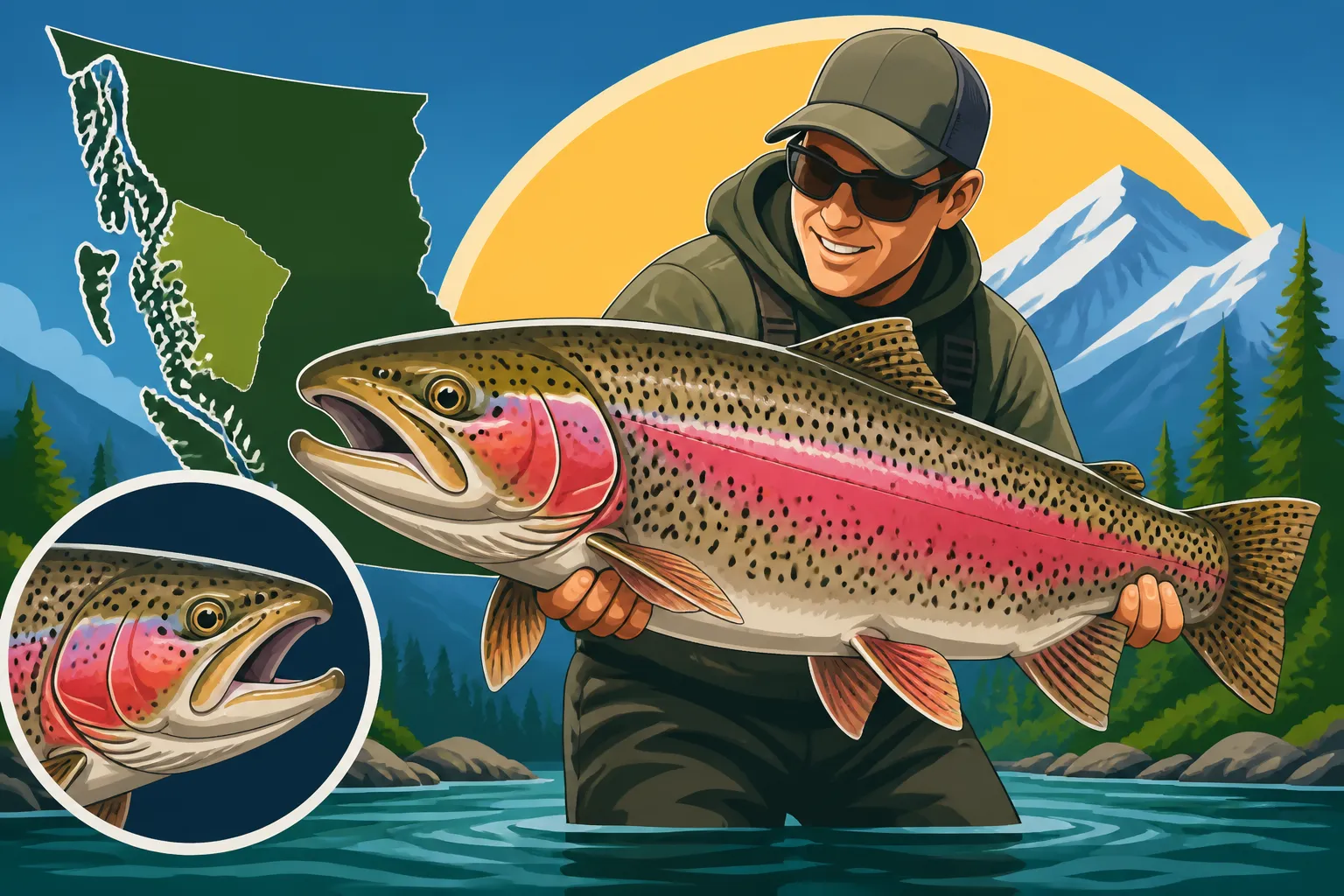
There's something almost mythical about a fish that consistently pushes the boundaries of its species' size. For decades, the Gerrard Rainbow Trout, primarily found in British Columbia's vast Kootenay Lake system, has held that revered status. Anglers from all corners of the globe have made pilgrimages to these waters, hoping to tangle with one of these colossal trout. It's not just their size that's impressive; it's their sheer power, their acrobatic fights, and the pristine, wild environment they call home that adds to their allure.
Born in the Wild: Kootenay Lake's Special Recipe
The story of the Gerrard Rainbow isn't just about a big fish; it's about a unique environment that allows them to thrive. Kootenay Lake, nestled in the southeastern interior of BC, is a massive, deep, and nutrient-rich body of water. This lake isn't just picturesque; it's a thriving ecosystem that provides the perfect conditions for these trout to grow to truly astonishing sizes. What's the secret ingredient? Well, a huge part of it is the abundance of kokanee salmon – smaller, landlocked sockeye salmon – which form the primary food source for the Gerrard Rainbows. Imagine a buffet of high-protein, calorie-dense meals available year-round; that's what Kootenay Lake offers.
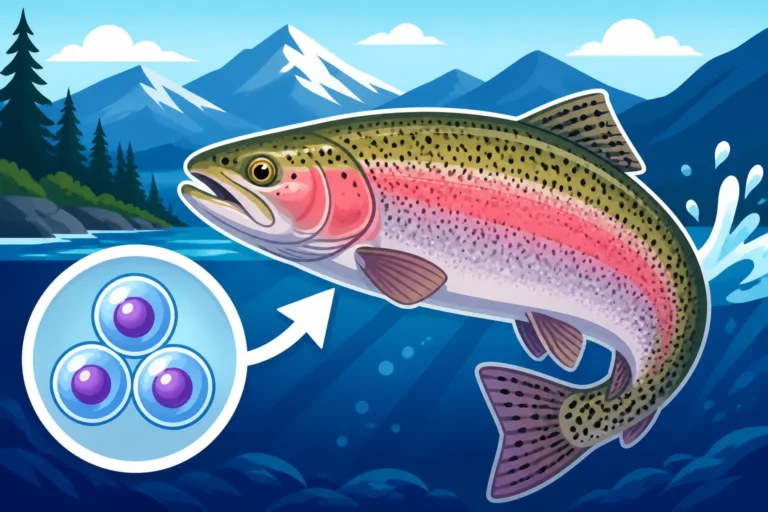
These Gerrard Rainbows are an adfluvial strain, meaning they live in a lake but migrate into rivers to spawn. Their main spawning grounds are in the Lardeau River, a pristine tributary that feeds into Kootenay Lake. This unique life cycle, combined with exceptional genetics and an unparalleled food supply, sets the stage for their incredible growth. For more on the lake itself, you might find our Kootenay Lake Fishing Guide helpful.
The Whisper of "World's Largest"
When an angler says "Gerrard Rainbow Trout," the immediate follow-up is often "Are they really the world's biggest?" It’s a question that echoes through tackle shops and around campfires. These aren't just big trout; they are consistently big trout, with many individuals routinely caught in the double-digit pound range, and record-breakers pushing well beyond. This consistency, rather than just isolated giants, is what lends so much credence to the claim. When you're talking about a strain, you're talking about a population where large size is the norm, not the exception.
The average size of a mature Gerrard Rainbow far outstrips most other rainbow trout populations. This isn't to say other regions don't produce massive rainbows – they absolutely do – but the Gerrards seem to possess a genetic predisposition and environmental advantage that allows them to hit those impressive benchmarks more frequently.
Unpacking the "World's Largest" Claim: A Deep Dive
To truly assess the claim that Gerrard Rainbow Trout are the world's largest strain, we need to look beyond anecdotal evidence and consider the various factors that contribute to a fish's size and how other strains compare. It's a nuanced discussion, not just a simple yes or no.
What Defines the "Largest Strain"?
When we talk about the "largest strain," we're not just looking for the single biggest fish ever caught (though Gerrards have certainly held records). Instead, we're considering several key metrics:
- Average Mature Size: What's the typical size of an adult fish from this population?
- Maximum Attainable Size: How large can the fish in this strain potentially grow?
- Growth Rate: How quickly do they reach these impressive sizes?
- Genetic Purity and Consistency: Is this size characteristic genetically entrenched and consistent across the population, or are they just a few outliers?
Gerrard Rainbows tick all these boxes with flying colours. Their growth rate is phenomenal, largely attributed to their diet, and their genetics are specifically adapted to this high-yield environment. You can often see examples of this on fishing forums, where anglers share their catches, frequently showing off fish that would be a trophy in almost any other system.
Gerrard vs. Other Notable Rainbows
While the Gerrard Rainbow has a strong claim, it's worth acknowledging other impressive rainbow trout populations around the world. For instance, the legendary Kamloops trout, another BC native, is also known for its size and aggressive fighting style, especially in systems like those in the Okanagan Valley. Then there are some massive steelhead runs in remote Alaskan rivers or certain stocked trophy lakes elsewhere that can produce truly immense specimens.
However, many of these other contenders often rely on specific, sometimes transient, conditions for exceptional growth, or they might be individual behemoths rather than a consistent characteristic of the entire strain. The Gerrard's consistent ability to reach trophy size across a large population, year after year, is what truly sets it apart.
To put it in perspective, let's look at some general comparison points:
| Characteristic | Gerrard Rainbow Trout (Kootenay Lake) | Other Large Wild Rainbow Strains (e.g., Kamloops, Steelhead) | General Rainbow Trout (Stream/River) |
|---|---|---|---|
| Typical Size (lbs) | 8-20+ lbs (Trophy fish > 25 lbs) | 5-15 lbs (Trophy fish > 20 lbs) | 1-5 lbs |
| Primary Diet | Kokanee salmon | Varied: Insects, baitfish, crustaceans | Aquatic insects, small fish |
| Growth Rate | Very Fast | Fast | Moderate |
| Lifespan | Up to 10-12 years | 5-8 years | 3-5 years |
| Habitat | Deep, cold, large lakes with tributaries | Lakes, rivers, coastal rivers (steelhead) | Streams, small lakes |
Please note these are general estimations and individual fish size can vary greatly.
As you can see, the Gerrard's reliance on a rich food source like kokanee allows for an accelerated growth trajectory that's hard to match. This specialized diet is key. Many anglers seeking these fish will mimic kokanee in their lure selection. Speaking of which, if you're looking for gear to imitate kokanee, you might want to check out the selection of trolling spoons and plugs available on Amazon.
The Environmental Edge: Why Kootenay Lake is Perfect
The unique ecology of Kootenay Lake is arguably the most critical factor in nurturing these giants. The sheer volume of kokanee salmon in the lake provides an almost unlimited, nutrient-dense food source. These small, silvery fish are essentially protein powerhouses, allowing the Gerrard Rainbows to pack on weight at an incredible rate. For more on these baitfish, you can read about Kokanee Fishing in BC.
Beyond the food, Kootenay Lake itself is ideal:
- Size and Depth: It's a large, deep lake, providing ample space for these predators to roam and find food without excessive competition. The deep, cold waters are also perfect for a large, cold-water fish like a rainbow trout.
- Clean, Cold Water: The water quality is excellent, fed by mountain streams and rivers, ensuring a healthy environment for both the trout and their food source.
- Protected Spawning Grounds: The Lardeau River, as their primary spawning tributary, offers pristine gravel beds and ideal flow conditions, ensuring successful reproduction and the continuation of the strain. Without these crucial spawning grounds, the population couldn't sustain itself.
All these elements converge to create what is essentially a perfectly tailored environment for growing truly massive rainbow trout.
The Science Behind Gerrard's Giants: Genetics and Conservation
It's one thing for a fish to get big; it's another for an entire strain to consistently produce giants. The Gerrard Rainbows are a fascinating case study in fish genetics and ecological adaptation.
A Unique Genetic Lineage
While all rainbow trout are Oncorhynchus mykiss, the Gerrard strain exhibits distinct genetic markers that differentiate it from other populations. These aren't just regular rainbows that got lucky with a good meal; they are genetically predisposed to larger size and a predatory lifestyle. Their genes favour rapid growth and efficient conversion of their kokanee diet into body mass. It's a testament to natural selection, where the biggest, most efficient kokanee predators thrive and pass on those desirable traits. They are essentially perfectly evolved for their specific niche in Kootenay Lake. This specific strain is often referred to as Gerrard Rainbow Trout of Kootenay Lake.
The Importance of Spawning Rivers
The annual spawning run into the Lardeau River is a spectacular natural event and vital for the Gerrard Rainbows. Mature trout, often exceeding 20 pounds, leave the lake and fight their way upstream to reproduce. This journey requires immense energy and strength, further reinforcing the robust genetics of the strain. Protecting these spawning grounds is paramount, as any disruption could have devastating effects on the population.
Conservation Efforts: Protecting the Legacy
Given their unique status and the intense angling pressure they can attract, conservation efforts are crucial for the Gerrard Rainbow Trout. British Columbia has comprehensive BC Fishing Regulations Explained and specific rules for Kootenay Lake to ensure the sustainability of this precious resource. These often include:
- Bag and Possession Limits: Strict limits on the number of fish an angler can keep, often encouraging catch and release, especially for larger specimens. You can check the BC Bag and Possession Limits by Species for specific details.
- Size Restrictions: Minimum or maximum size limits can be in place to protect juvenile fish or large breeding adults.
- Seasonal Closures: Specific areas or times of year might be closed to fishing to protect spawning fish.
- Kokanee Management: Since kokanee are the primary food source, their population is also carefully monitored and managed. Fluctuations in kokanee numbers can directly impact the growth and health of the Gerrard Rainbows.
Anglers play a huge role in conservation too. Practicing proper catch-and-release techniques, minimizing stress on the fish, and quickly releasing them back into the water are essential for the future of these magnificent trout.
The Angler's Pursuit: Chasing Gerrard Rainbows
For many anglers, the Gerrard Rainbow Trout represents the ultimate freshwater challenge. It's not just about catching a fish; it's about the experience, the power of these incredible creatures, and the pristine wilderness of Kootenay Lake.
Mastering the Techniques: Trolling for Giants
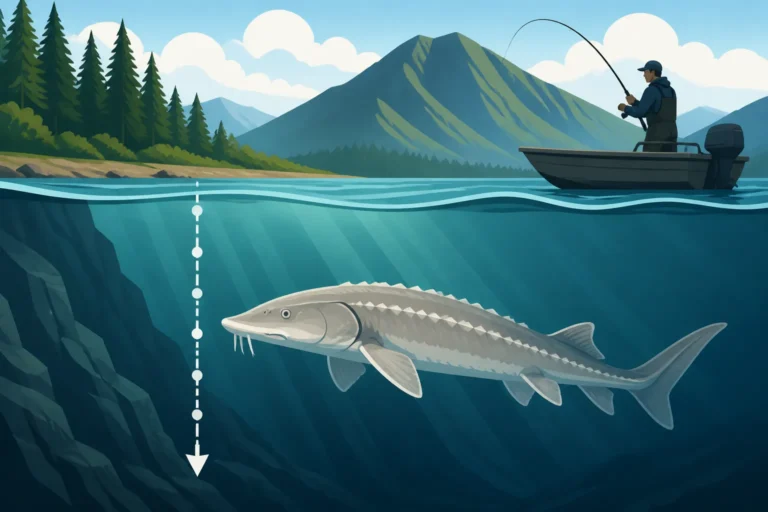
The most effective way to target Gerrard Rainbows in Kootenay Lake is typically by trolling. These fish are constantly on the move, searching for kokanee schools in the vast expanse of the lake. Anglers often use downriggers to present lures at specific depths where kokanee are abundant. Popular lures include large spoons, plugs, and even flies trolled behind flashers or dodgers, all designed to imitate the Gerrard's primary food source. For general tips on how to catch this species, check out How to Catch Rainbow Trout in BC Lakes.
Success often comes down to understanding the lake's thermocline, locating kokanee schools, and experimenting with lure depth and speed. It's a game of patience and precision, where every detail matters. For some specific strategies, you might want to explore Trolling Techniques for BC Lake Trout.
The Thrill of the Fight
When a Gerrard Rainbow strikes, there's no mistaking it. These fish are incredibly powerful. They make blistering runs, often peeling line off the reel with astonishing speed, and are famous for their acrobatic jumps. Landing a big Gerrard requires skill, good equipment, and a bit of luck. It's not uncommon for a fight to last 15-20 minutes, pushing both angler and gear to their limits. Having a reliable reel with a smooth drag system is critical – something you can research extensively on sites like Amazon to find the perfect match for battling these freshwater titans.
When and Where to Find Them
While Gerrard Rainbows are present in Kootenay Lake year-round, certain seasons offer better opportunities. Spring and fall are often considered prime times, as the fish are actively feeding closer to the surface or staging near spawning tributaries. The Lardeau River, especially during the fall spawning migration, can offer incredible, albeit challenging, fishing opportunities. However, regulations in these sensitive areas are often very strict, sometimes even catch-and-release only or completely closed to protect the spawning fish. Always consult the latest BC Fishing Season Dates and Closures and local fishery notices before planning your trip.
The Verdict: A World-Class Contender
So, are Gerrard Rainbow Trout the world's largest strain? While definitive scientific declarations on "world's largest" are often fraught with complexity and exceptions, the answer is a resounding yes – they are absolutely a top contender, and arguably, the leading contender, for that title. Their combination of consistent, exceptional size, unique genetic lineage, and a perfectly adapted, nutrient-rich habitat in Kootenay Lake makes them truly unparalleled.
These fish are a biological marvel, a testament to the incredible ecosystems found in British Columbia, and a cherished resource for anglers who dream of tangling with freshwater giants. They embody the wild spirit of BC fishing, inspiring awe and respect in equal measure. Whether you’re casting a line yourself or simply admiring their majesty, the Gerrard Rainbow Trout stands as one of nature's most impressive creations.
Disclaimer
This article is for general informational purposes only and does not constitute professional advice. Laws, prices and regulations vary by location and change over time. Consult a qualified professional for guidance on your specific situation.