Where to find pink salmon runs in BC
For many anglers, the arrival of pink salmon in British Columbia's rivers and coastal waters is a fantastic opportunity for some fast-paced, action-packed fishing. These smaller but incredibly feisty salmon arrive in massive numbers, creating an exhilarating fishery that's often accessible to everyone, from seasoned veterans to families with young kids. However, knowing where to find these incredible runs can sometimes feel like chasing a ghost, especially with their unique biennial return cycles. This comprehensive guide will help you pinpoint the best locations across BC to intercept these "humpies" and make the most of their migration.
Understanding Pink Salmon Runs and Their Cycles
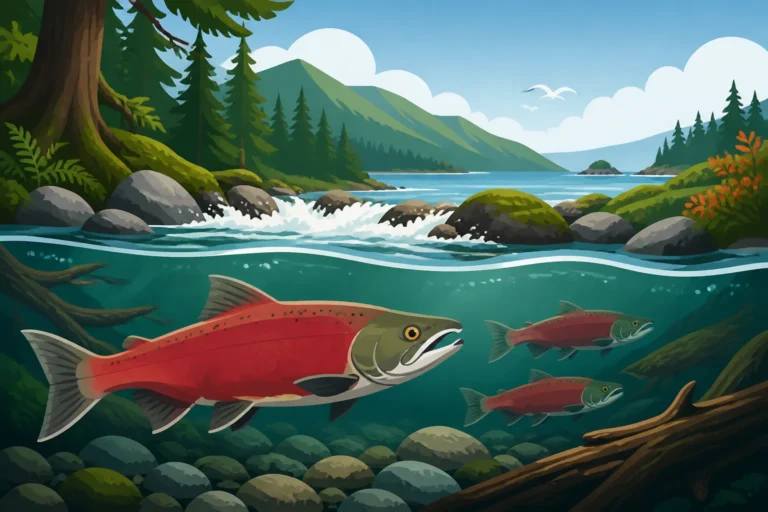
Pink salmon, often affectionately called "humpies" due to the pronounced hump that males develop during their spawning migration, are the smallest and most abundant of the Pacific salmon species in British Columbia. What truly sets them apart from their larger cousins like Chinook or Sockeye is their incredibly predictable two-year life cycle. This means that a particular river system will typically see a strong run of pink salmon only every other year. Missing this crucial detail can lead to a lot of head-scratching when you visit a river in an "off-year" and find it devoid of pinks!
The Biennial Pattern: Odd vs. Even Years
The biennial return of pink salmon is absolutely key to understanding where to find them. Broadly speaking, British Columbia's major pink salmon runs are divided into two distinct groups based on their spawning years:
- Odd-Year Runs: These are the colossal runs that primarily utilize the mighty Fraser River system and many of the smaller rivers flowing into the Strait of Georgia and Puget Sound. If you're planning a trip to the Lower Mainland or Vancouver Island area and want to target pinks, you'll want to focus on odd-numbered years (e.g., 2025, 2027, etc.). The sheer volume of fish during these years can be astounding, turning rivers silver with their presence.
- Even-Year Runs: While not as geographically concentrated as the odd-year runs, even-year pink salmon populations are predominantly found in the northern parts of the province, particularly in the large river systems that drain into the North Pacific, such as the Skeena and Bella Coola rivers. There are also smaller, localized even-year runs in various coastal streams throughout the province. If you're exploring the North Coast or Central Coast in an even-numbered year (e.g., 2024, 2026, etc.), these areas will be your best bet.
Understanding this fundamental odd-year/even-year distinction is your first step to success. Imagine planning a Fraser River pink salmon trip only to arrive in an even year – you'd be sorely disappointed! Always check which cycle is active for your target region and year. You can also refer to resources like BC Fishing Seasons by Month to help plan your trip accordingly.
Peak Season for Pink Salmon
Regardless of whether it's an odd or even year, pink salmon typically begin their migrations into freshwater in late summer and early fall. You can generally expect to see the first waves of fish arriving in coastal waters around mid-August, with peak river fishing often occurring from late August through September. Some systems might see fish well into early October, depending on the run strength and water conditions.
The exact timing can vary slightly based on water temperatures, rainfall, and the specific river system. A good rain can often trigger a fresh push of fish from the ocean into the rivers, revitalizing a run that might have seemed to slow down. Keep an eye on local fishing reports and government fishery notices, which are invaluable for real-time updates on run timing and concentrations.
Prime River Systems for Pink Salmon
Now that we understand the timing and biennial nature, let's dive into specific river systems where you're most likely to encounter these abundant salmon.
The Fraser River System: Odd-Year Pink Salmon Paradise
When it comes to odd-year pink salmon, the Fraser River system is in a league of its own. It hosts one of the largest pink salmon runs in the world, and during peak years, the river can be absolutely teeming with fish. This makes it an incredibly popular destination for anglers from all walks of life.
-
Lower Fraser River:
- Locations: Downstream from Hope, stretching through Chilliwack, Mission, Fort Langley, and into the tidal waters around Richmond and Vancouver. Access points are numerous. Public parks, boat launches, and dedicated fishing access sites provide ample opportunities. Areas like the Fraser Valley, particularly near Chilliwack and Mission, are hotbeds for bank anglers. You'll often find a lively atmosphere with many families out enjoying the fishery.
- Fishing Methods: Bar fishing with a weighted rig and bait (like cured salmon roe or prawn) is incredibly effective. Float fishing with jigs or small spoons can also produce. For those with boats, trolling small spoons or hoochies in the tidal sections can be very productive as fish stage before entering the main river. Many anglers find the light tackle required for pinks to be exhilarating.
- Considerations: During peak runs, the Fraser can get very busy. Be mindful of other anglers and respect local regulations. Checking Fraser River Fishing Guide can provide more detailed insights into specific access points and techniques.
-
Tributaries of the Fraser:
- Locations: Many smaller rivers that flow into the Fraser, such as the Harrison River, Stave River, and parts of the Vedder (Chilliwack) River, will see pushes of pink salmon. These rivers offer a more intimate fishing experience compared to the vastness of the mainstem Fraser. The Harrison River, in particular, can be excellent for both boat and shore anglers targeting pinks on their way to spawning grounds.
- Fishing Methods: Fly fishing becomes a viable and highly popular option in these smaller, clearer tributaries. Small pink or chartreuse flies, often resembling shrimp or small baitfish, can be deadly. Spinners and small spoons in similar colours are also very effective.
- Considerations: Tributaries often have more restrictive regulations, including gear limitations (e.g., single barbless hooks, bait bans). Always consult the latest BC Fishing Regulations Explained for the specific river you plan to fish.
Coastal Rivers and Georgia Strait Tributaries
Beyond the Fraser, numerous coastal rivers, especially those draining into the Georgia Strait on Vancouver Island and the Lower Mainland, experience strong odd-year pink salmon runs.
-
Vancouver Island Rivers:
- Locations: Rivers like the Gold River, Cowichan River (lower sections), and various smaller streams on the east side of Vancouver Island can host good numbers of pinks. While these runs might not be as colossal as the Fraser's, they offer excellent opportunities in often picturesque settings.
- Fishing Methods: Similar to the Fraser tributaries, small spoons, spinners, and flies in pink, chartreuse, or even silver patterns work well. Light spinning gear or fly rods are the tools of choice here.
- Considerations: Access can be more challenging on some Vancouver Island rivers, with some areas requiring local knowledge or even guided trips. Look into Vancouver Island Fishing Guide for more detailed information on specific locations.
-
Lower Mainland Coastal Streams:
- Locations: Rivers such as the Squamish River and Cheakamus River (which flow into Howe Sound), as well as smaller urban streams, can see decent numbers of pinks. These are particularly popular for anglers living in or near Vancouver, offering relatively easy access for a day trip.
- Fishing Methods: Fly fishing and light tackle spinning are very popular. Pink and chartreuse jigs, spoons, and flies are go-to choices.
- Considerations: These rivers are often heavily fished due to their proximity to urban centres. Practice good angling etiquette and be prepared to share the water. Always check current regulations as these rivers can have very specific rules due to conservation efforts.
Northern BC Rivers: Even-Year Strongholds
For those seeking even-year pink salmon action, your sights should be set on Northern British Columbia. These remote and wild rivers offer a truly spectacular angling experience, often in pristine wilderness.
- The Skeena River System:
- Locations: The vast Skeena River system, including its mainstem and numerous tributaries like the Bulkley River and Kispiox River (though pinks tend to stick more to the mainstem and lower sections), is a major destination for even-year pinks. The lower Skeena, particularly near Terrace and Kitimat, can be excellent.
- Fishing Methods: Drifting conventional gear (roe, jigs, small spoons) from a boat is common, as is fly fishing for these eager biters.
- Considerations: Northern BC fishing often involves more logistics, including travel and potentially booking accommodations or guided trips. Ensure you're prepared for wilderness conditions and large, powerful rivers. Guides can be incredibly helpful in navigating these systems and finding the hot spots.
- Bella Coola River:
- Locations: This beautiful river, flowing into the head of Burke Channel, is another excellent even-year pink salmon destination. The valley offers stunning scenery along with good fishing opportunities.
- Fishing Methods: Similar to other northern rivers, drift fishing and fly fishing are popular.
- Considerations: The Bella Coola area is more remote but accessible by road or air. It’s known for its abundant wildlife, so be bear aware.
- Other North Coast Streams: Numerous smaller, often unnamed or less-frequented coastal streams along the North and Central Coast will also see even-year pink salmon returns. These can offer incredibly rewarding, secluded fishing experiences for adventurous anglers willing to explore.
Coastal and Tidal Water Interceptions
Before pink salmon enter their natal rivers to spawn, they congregate in vast schools in the ocean, particularly in sheltered coastal areas and estuaries. These tidal water interceptions offer a different style of fishing and can be incredibly productive.
Nearshore Ocean and Strait Fishing
- Locations: The Strait of Georgia (especially near river mouths), Johnstone Strait, and various bays and inlets along both the mainland and Vancouver Island coasts. Anglers often target pinks in these areas as they migrate towards their spawning rivers.
- Fishing Methods:
- Trolling: This is a very popular and effective method. Small, brightly coloured spoons (pink, green, chartreuse) or hoochies (squid imitations) trolled behind flashers or dodgers are highly successful. Downriggers are often used to get lures down to the feeding depth. You can find a great selection of these on Amazon.
- Shore Casting: In certain areas, particularly around estuaries, river mouths, or rocky points with good current, shore casting with spoons or spinners can be effective when schools of pinks move close to shore. This can be a very accessible way to target them for anglers without a boat. Best Shore Fishing Spots in BC might give you ideas for general coastal access.
- Considerations: Ocean conditions can change rapidly, so always check marine forecasts. Pay close attention to current fishery notices for specific area closures or restrictions, as conservation measures for other salmon species (like Chinook or Coho) can affect pink salmon fishing in saltwater. A boat registration and proper safety equipment are required for boating. For more information, you might find BC Boating Laws for Anglers helpful.
Estuaries and River Mouths
- Locations: As pink salmon stage to enter freshwater, they gather in the brackish waters of estuaries. These areas, where rivers meet the ocean, are transition zones that offer prime opportunities. Examples include the mouths of the Fraser, Squamish, and Gold Rivers.
- Fishing Methods: Often a mix of tidal water and freshwater techniques can be used. Trolling in the open estuary, or casting spoons, jigs, or flies from shore where permitted, can all work.
- Considerations: Estuaries are vital habitats and often have sensitive ecosystems. Be mindful of spawning closures or restricted areas, especially during peak migration. Access might be limited to public parks or specific municipal access points.
Essential Gear and Planning for Pink Salmon
While the primary focus here is where to find pink salmon, having the right gear and planning ahead will significantly enhance your experience. These fish are not typically gear-shy, but appropriate tackle makes a huge difference.
Tackle Recommendations
Pink salmon, being smaller than other salmon species, are best targeted with light to medium tackle. This not only makes the fight more enjoyable but also allows for better presentation of the smaller lures and flies they prefer.
- Rods: A light to medium-action spinning rod (7-9 feet) or a 6-8 weight fly rod is ideal. The longer rod helps with casting distance and managing fish in currents.
- Reels: Pair your rod with a reel that has a smooth drag system and is spooled with 8-12 lb monofilament or braided line for spinning, or appropriate fly line for fly fishing.
- Lures & Flies:
- Spinning/Casting: Small spoons (1/4 to 1/2 oz) in pink, chartreuse, silver, or blue/silver are incredibly effective. Popular choices include Koho, Dick Nite, or Gibbs Croc spoons. Small pink or chartreuse jigs are also deadly, especially when float-fished.
- Fly Fishing: Pink flies, often tied to imitate shrimp, small baitfish, or even just brightly coloured attractors, are the standard. Patterns like pink Clouser Minnows, Pink Poppers, or general pink-bodied intruders work wonderfully. Many anglers also find success with marabou jigs in pink or chartreuse. You can find a wide variety of these options on Amazon, making it easy to stock up before your trip.
- Bait: If bait is permitted, cured salmon roe or small pieces of prawn can be very effective, especially when drift fishing or bar fishing in rivers. Always check regulations, as many pink salmon fisheries are moving towards artificial lures or flies only.
Planning Your Trip
- Check Regulations: This cannot be stressed enough. British Columbia's fishing regulations are dynamic and can vary significantly by region, river, and even specific dates within a season. Always consult the official BC Freshwater Fishing Regulations Synopsis and DFO (Fisheries and Oceans Canada) fishery notices for tidal waters before heading out. British Columbia Fishing License Guide for 2026 is your first step before even considering where to cast a line.
- Timing: As discussed, pink salmon are biennial. Double-check if it's an odd or even year for your desired location. Then, plan your trip for late August through September for peak action.
- Access: Research access points. Use online maps, local fishing forums, or talk to local tackle shops. Some areas might require 4×4 vehicles or a short hike.
- Safety: Always prioritize safety, especially when fishing large rivers like the Fraser or coastal waters. Wear a life jacket if boating or wading, tell someone where you're going, and be aware of wildlife (especially bears in Northern BC).
- Conservation: Practice responsible angling. Use single, barbless hooks to minimize harm, especially if you're practicing catch and release. Be mindful of bag and possession limits. Understanding BC Bag and Possession Limits by Species is critical.
| Region / River System | Primary Run Year | Peak Timing (Approx.) | Key Access / Considerations |
|---|---|---|---|
| Lower Fraser River | Odd Years | Late Aug – Mid Sept | Numerous public access points in Chilliwack, Mission, Fort Langley. Tidal sections near Vancouver. Very popular, expect crowds. Bar fishing & float fishing. |
| Fraser Tributaries | Odd Years | Late Aug – Early Oct | Harrison River, Stave River, lower Vedder (Chilliwack) River. More intimate settings. Fly fishing & light tackle. Check specific river regulations for gear and bait restrictions. |
| Georgia Strait Rivers | Odd Years | Late Aug – Early Oct | Squamish River, Cheakamus River, various Vancouver Island east coast rivers (e.g., lower Cowichan, Gold River). Accessible from urban areas. Fly fishing, spoons, spinners. |
| North Coast Rivers | Even Years | Mid Aug – Mid Sept | Skeena River system (mainstem, lower Bulkley), Bella Coola River. More remote, wilderness experience. Often best from a boat or guided trip. Drift fishing & fly fishing. |
| Coastal Waters | Both Years | Mid Aug – Mid Sept | Strait of Georgia, Johnstone Strait, various inlets/bays. Intercept fish before they enter rivers. Trolling with spoons/hoochies from boats. Shore casting in estuaries/river mouths when fish are close. Monitor DFO fishery notices. |
Pink salmon provide one of BC's most vibrant and accessible fisheries. By understanding their unique biennial cycles and knowing which rivers and coastal areas to focus on, you'll be well on your way to enjoying the thrill of these feisty fish. Remember to always fish responsibly, respect the regulations, and soak in the incredible natural beauty that British Columbia has to offer. Whether you're tossing a pink fly on the Squamish or bar fishing on the Fraser, the humpies are waiting.
Disclaimer
This article is for general informational purposes only and does not constitute professional advice. Laws, prices and regulations vary by location and change over time. Consult a qualified professional for guidance on your specific situation.