When steelhead run in BC rivers
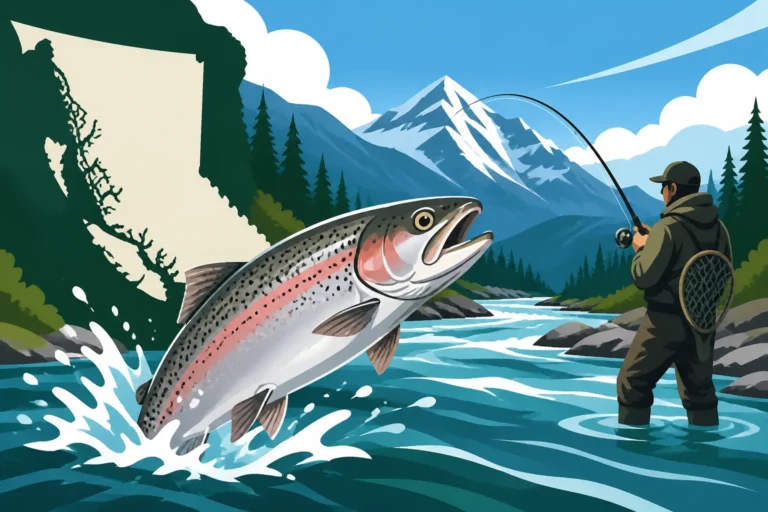
There's nothing quite as frustrating as planning a much-anticipated steelhead trip to British Columbia, only to arrive and find the river either blown out, too low, or simply empty of fish. Steelhead runs are notoriously fickle, dictated by complex natural cues, making precise timing a true art form. This guide is dedicated to demystifying the timing of these incredible fish, helping you understand when and why steelhead move into BC's rivers so you can plan your adventure with confidence and increase your chances of connecting with one of these magnificent chrome beauties.
Understanding the Steelhead Calendar: Coastal vs. Interior Dynamics
British Columbia is a vast province, and its steelhead fisheries are incredibly diverse, often categorized into two main regions: coastal rivers and interior rivers. The timing of steelhead runs in these areas can differ significantly due to varying geographical conditions, water temperatures, and the specific life history patterns of the fish populations. It's not a "one size fits all" situation; what holds true for a river on Vancouver Island might be completely different for a tributary of the Fraser River deep in the interior.
Coastal rivers, typically influenced by milder oceanic temperatures and frequent rainfall, often see earlier and longer runs. These systems tend to be more volatile with rapid changes in water levels and clarity, which means knowing when the fish are in the river isn't enough – you also need to know when conditions are fishable. Interior rivers, on the other hand, often have more distinct seasonal changes, with colder winters and warmer, drier summers. Their steelhead runs are generally more predictable in their timing but can be highly dependent on snowmelt and specific temperature windows. Understanding these fundamental differences is the first step in decoding the steelhead calendar. You might find a good primer on general timing in Best Time of Year to Fish in BC.
The Coastal Steelhead Cycle
Coastal steelhead, often referred to as winter steelhead, typically begin their migration from the ocean into their natal rivers much earlier than their interior counterparts. These fish are driven by a combination of factors, primarily the onset of fall rains that raise river levels and drop water temperatures, signalling a clear path upstream. The runs usually kick off in late fall, often around October or November, and can continue right through the winter and into early spring. The peak of these runs can vary wildly from river to river and year to year, but generally, the late winter months (January to March) see some of the strongest numbers of fish pushing into many coastal systems.
These coastal rivers, especially those on Vancouver Island or the North Coast like some tributaries of the Skeena system, can offer incredible fishing during these periods. Anglers often brave cold, wet conditions, but the reward of a fresh chrome steelhead fresh from the ocean is unparalleled. It's important to remember that these are often wild, powerful fish that demand respect and careful handling, especially if you're practicing catch-and-release, which is common for this species.
The Interior Steelhead Cycle
Interior steelhead, often associated with systems like the Thompson River and its tributaries, or certain Fraser River tributaries further upstream, have a different migration strategy. These fish are often referred to as "spring-run" steelhead, even though some might start showing up in late fall. Their journey is longer and more arduous, requiring them to navigate vast stretches of freshwater, sometimes hundreds of kilometers, to reach their spawning grounds. The timing here is heavily dictated by water levels and temperatures that allow safe passage through the Fraser River system, which can be prone to high, turbid flows during freshet (snowmelt).
For many interior systems, the true peak of the run tends to be in the late winter and early spring, with March and April often cited as prime months. Fish that entered the lower river in fall might hold over in specific pools throughout the winter, moving upstream as conditions become favourable. The challenge with interior rivers is often their size and the sometimes-extreme weather conditions. However, when the conditions align, the interior can offer some truly world-class steelhead fishing for those willing to put in the effort. For specific regions, you might want to delve into Steelhead Runs on BC's North Coast Rivers.
Seasonal Breakdown: When to Target BC's Iconic Steelhead
Steelhead fishing in British Columbia is a year-round pursuit if you know where to look, but each season offers a unique experience and targets different populations or phases of a run. Understanding these seasonal nuances is key to planning a successful trip. It’s not just about when the fish are there, but when they are active and catchable under prevailing conditions. This requires a bit of detective work and flexibility, as Mother Nature always has the final say.
When looking for gear specific to different seasons, whether it's heavier winter waders or lighter spring fly rods, online retailers like Amazon offer a wide selection that can be delivered right to your door, making preparation a lot easier.
Fall Steelhead Runs
While "winter steelhead" is a common term, some coastal rivers, particularly those on Vancouver Island, can see early "fall" runs of steelhead starting as early as late September and continuing through November. These are often the first push of fish reacting to the season's inaugural heavy rains. These early fish are typically very aggressive and powerful, having just entered freshwater.
The window for fall steelhead can be short and intense, often coinciding with salmon runs, which means anglers might encounter a mix of species. Rivers need sufficient rain to bring levels up from summer lows, but not so much that they blow out completely. It's a delicate balance. Fishing during this time can be very rewarding, as the fish are fresh, bright, and often eager to bite. It's also a beautiful time of year to be on the river, with autumn colours painting the landscape. Understanding BC Fishing Season Dates and Closures can help ensure you're compliant with specific regulations during these transitional periods.
Winter Steelhead Runs
This is perhaps the most iconic period for steelhead fishing in BC, particularly on the coast. From December through February, and often into March, the bulk of the winter steelhead enter their rivers. These fish are renowned for their incredible strength and resilience in cold water. Expect challenging conditions – rain, snow, freezing temperatures – but also the potential for truly memorable encounters.
Rivers like the Vedder-Chilliwack, Cowichan, and various smaller systems on Vancouver Island become prime destinations. On the North Coast, tributaries of the Skeena River system also see strong winter runs. During this time, the fish are often spread throughout the river system, making their way to spawning grounds. Techniques vary, from float fishing with roe or jigs to spey casting with large flies. Having the right gear, including warm layers and waterproof outerwear, is non-negotiable.
Spring Steelhead Runs
As winter gives way to spring (March to May), the tail end of the winter steelhead runs can be excellent, and the interior rivers truly come into their own. Many of the interior fish, having overwintered in the mainstem or lower reaches, begin their final push to spawning grounds as snowmelt (freshet) provides access but before rivers become too high and turbid. Coastal rivers also experience a late push of fish, often with some of the largest individuals of the season arriving.
The spring season offers milder weather, longer days, and often clearer water conditions, making for a more comfortable and visually appealing fishing experience. This is a fantastic time for fly anglers, especially as insect hatches become more prevalent, though traditional gear fishing remains highly effective. For interior systems like the Thompson, late March and early April can be particularly productive. Always consult BC Freshwater Fishing Regulations Explained for seasonal updates, as regulations can be dynamic, especially concerning sensitive spring runs.
| Region Type | Fall Run (Approx. Start – Peak) | Winter Run (Approx. Peak – End) | Spring Run (Approx. Start – End) |
|---|---|---|---|
| Coastal Rivers | Late Sept – Early Nov | Dec – Feb (Peak Jan-Mar) | Late Feb – May |
| Interior Rivers | Oct – Nov (Early arrivals) | (Limited/Overwintering) | Feb – April (Peak Mar) |
Factors That Influence Steelhead Run Timings
Predicting the exact timing of a steelhead run is more art than science, as these magnificent fish are highly attuned to their environment. Several critical environmental factors influence when steelhead decide to leave the saltwater and enter their freshwater spawning grounds. Anglers who pay close attention to these natural cues often have a distinct advantage in finding success. It’s about understanding the "why" behind their movements, not just the "when."
For a deeper dive into the behavior of these fish, consider resources found on Amazon, which often include specialized books on steelhead biology and behavior in specific BC river systems. Such knowledge can drastically improve your understanding of why runs occur when they do.
Water Temperature
Water temperature is arguably one of the most critical factors. Steelhead, like all cold-blooded fish, are highly sensitive to temperature changes. There's a "sweet spot" range that triggers their migratory instincts. For most BC steelhead, this ideal range is typically between 4°C and 12°C (39°F to 54°F). If river temperatures are too high (which can happen in early fall after a dry summer), fish may delay their entry, waiting for the system to cool down. Conversely, if temperatures are too low (near freezing in mid-winter), fish may hold in deeper, warmer pools or slow their migration.
A sudden drop in water temperature, particularly in the fall, often signals to coastal steelhead that it's time to move upstream. In the spring, rising temperatures can spur interior steelhead to complete their upstream journey. Keep an eye on local weather forecasts and river temperature gauges, as these insights are invaluable for predicting when fish might be on the move. Best Time of Day to Catch Salmon also touches on temperature, a factor that affects all anadromous fish.
Water Levels and Flow
Rainfall and snowmelt directly impact river levels and flow, which are vital for steelhead migration. Rivers need sufficient water to allow fish easy passage over riffles, rapids, and obstacles. Low water levels, especially after prolonged dry spells, can act as a barrier, holding fish in estuaries or the lower reaches of rivers. When the first significant rains hit in the fall, or when spring freshet begins to swell rivers, it provides the necessary impetus for steelhead to begin their journey.
However, too much water can also be detrimental. High, turbid flows (often referred to as "blown out" conditions) can make fishing impossible and can even stress migrating fish. These conditions also make it harder for fish to navigate and locate their way. Anglers often look for "dropping and clearing" conditions after a high-water event – this is when fish are most likely to be moving aggressively and actively seeking holding lies. Checking local river gauges and How to check BC fishery notices before a trip is essential for safe and productive trips.
Photoperiod and Barometric Pressure
While less directly impactful than temperature and water levels, changes in photoperiod (daylight hours) and barometric pressure also play subtle but important roles. The decreasing daylight hours in fall and increasing hours in spring serve as broader environmental cues, signalling the change of seasons and the timing for various natural events, including fish migrations.
Barometric pressure, specifically dropping pressure associated with approaching storms, can sometimes trigger a feeding or migratory impulse in fish. While not a standalone predictor, a sudden drop in pressure combined with rising river levels and appropriate temperatures can often align with increased steelhead activity. These more subtle cues reinforce the primary drivers and contribute to the complex dance of steelhead migration. Understanding these factors can make a big difference, especially on systems like Thompson River Steelhead Fishing.
Staying Informed: Resources for Predicting Runs
Given the unpredictable nature of steelhead runs, staying informed is paramount for any serious angler. Relying on outdated information or simply guessing can lead to wasted time and disappointment. Fortunately, in British Columbia, there are several reliable resources available to help you track river conditions and get a sense of when the fish might be moving.
Having access to real-time information is almost as important as having the right rod. Consider equipping yourself with a weather-resistant notebook and pen, readily available on Amazon, to jot down observations about water levels, clarity, and successful techniques on your trips, building your own invaluable historical data.
Provincial Fisheries Notices and Websites
The BC government fisheries department issues regular fishery notices that are critical for anglers. These notices provide updates on specific river openings and closures, changes to bag limits, and conservation measures, especially for sensitive species like steelhead. Checking these regularly, particularly before heading out on a trip, is non-negotiable. They are the official word on what's permitted and what's not.
Additionally, many provincial resources offer online access to river hydrographs and water level data, which are indispensable. These graphs show historical and real-time flow rates, allowing you to gauge whether a river is rising, falling, or stable. A visual inspection of these charts can often tell you more about the river's fishability than any single report. For details on regulatory bodies, look into Reading the BC Freshwater Fishing Regulations Synopsis.
Local Tackle Shops and Guides
One of the best, and often most overlooked, resources for current steelhead run information is your local tackle shop. These businesses are often run by passionate anglers who are on the water regularly or are in constant communication with those who are. They know the rivers in their area like the back of their hand and can provide invaluable, up-to-the-minute reports on water conditions, fish presence, and even successful gear and techniques.
Similarly, hiring a reputable local guide, especially if you're new to an area or the fishery, is an excellent investment. Guides not only know when and where the fish are but also how to catch them safely and ethically. They navigate the complexities of river conditions daily and can provide insights that no website can. Many guides also offer information through their social media channels or websites, providing daily updates. For guided trips, consider Best Steelhead Guides in BC.
Online Forums and Social Media Groups
In today's connected world, online fishing forums and social media groups dedicated to BC steelhead fishing can be incredibly useful. These platforms allow anglers to share reports, photos, and observations in real-time. You can get a sense of where fish are being caught, what conditions are like, and even connect with other anglers who might be willing to share insights.
However, a word of caution: always take online reports with a grain of salt. Information can be exaggerated, outdated, or even intentionally misleading. Use these platforms as a general pulse check, but always verify critical details with official sources or trusted local contacts before making significant travel plans. Combine these community insights with official data to get the most accurate picture. This communal knowledge can be a great complement to personal experience and official notices, especially when discussing topics like How to Catch Steelhead in BC or Drift Fishing for Steelhead in BC Rivers.
Disclaimer
This article is for general informational purposes only and does not constitute professional advice. Laws, prices and regulations vary by location and change over time. Consult a qualified professional for guidance on your specific situation.