BC record chinook salmon weight
Ah, the elusive, monstrous Chinook salmon! Every angler who drops a line in British Columbia dreams of that bent rod, that screaming reel, and the fight of a lifetime. And naturally, the first thing many of us wonder is, "Just how big can they get here?" It's a question that ignites the imagination, often leading to a deep dive into the legendary catches that define our province's fishing heritage. While personal bests are celebrated daily, there's one catch that stands above all others, a true titan that sets the bar for what's possible. This guide will explore the incredible story behind BC's largest recorded Chinook salmon, what makes these fish so special, and how you might one day hook into your own personal best.
The Legendary BC Record Chinook Salmon
Let's cut right to the chase, because I know that's what you're really here for. When we talk about the BC record Chinook salmon weight, we're not just discussing a big fish; we're talking about a genuine aquatic legend. For decades, the benchmark for a truly colossal Chinook has been etched into the minds of anglers across the province. This is the kind of fish that makes seasoned guides pause and tell stories around a crackling campfire. It's a testament to the incredible productivity and pristine waters of British Columbia.
Unveiling the Record Holder
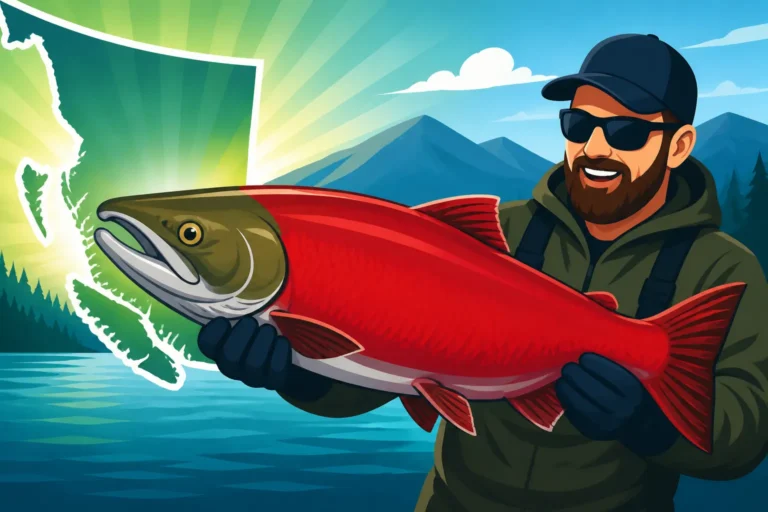
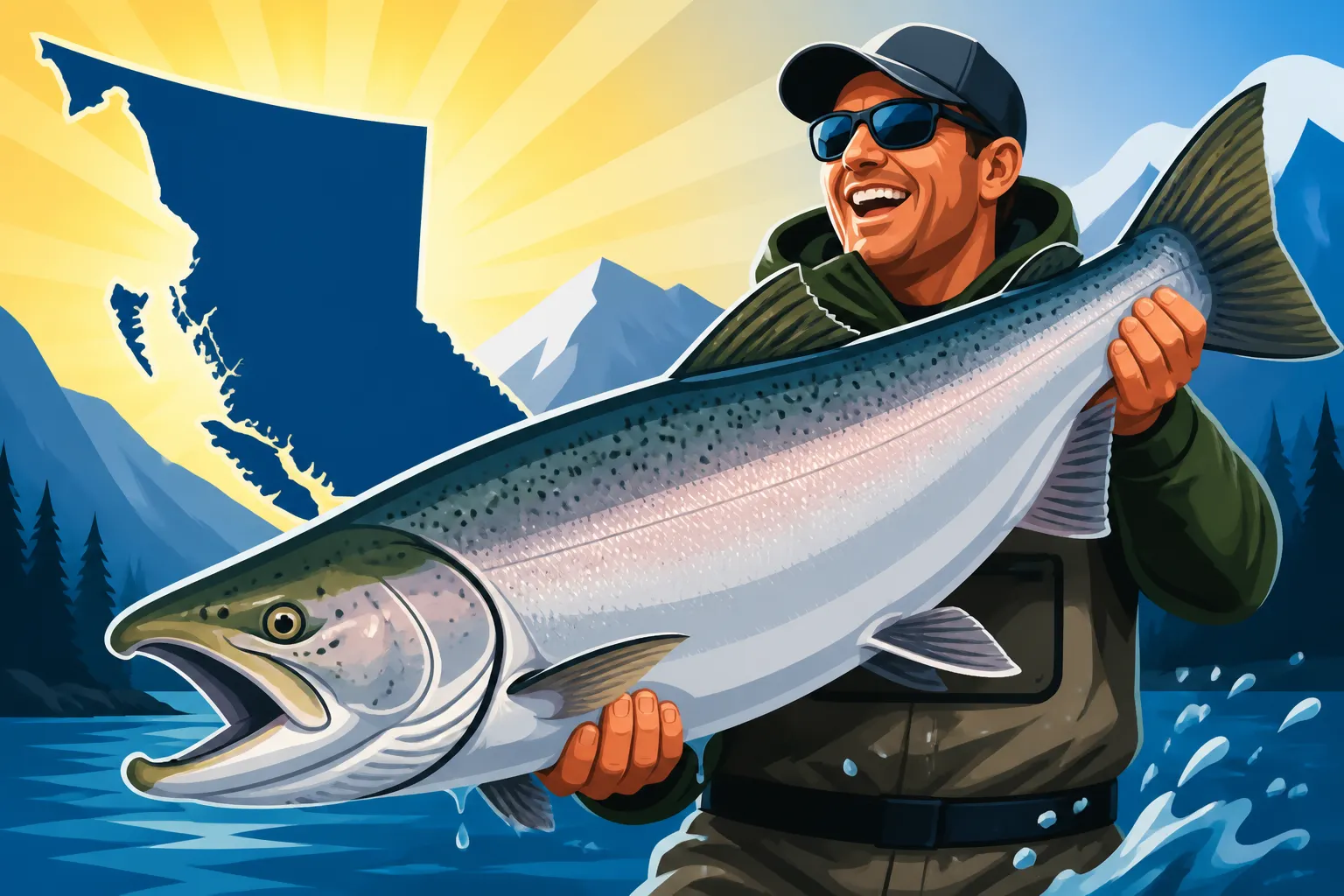
The official all-tackle record for a Chinook salmon caught in British Columbia is a whopping 92 pounds (41.73 kg). This behemoth was caught way back in 1959 by Heinz Maecker in the waters of Rivers Inlet, off the central coast of BC. Just imagine that! It was a different era of fishing, perhaps with different gear and certainly different levels of fishing pressure, but the sheer size of that fish remains awe-inspiring. It speaks to a time when these kings of the Pacific roamed our waters in even greater abundance and grew to truly unbelievable proportions. To put that in perspective, a fish that size would be taller than many people and possess immense power. Landing such a creature would have been an epic battle, a true test of strength and endurance for both angler and tackle.
Rivers Inlet itself, even today, holds a special place in the hearts of salmon anglers. It's renowned for producing exceptionally large Chinook, often referred to as "Rivers Inlet Kings." The deep, nutrient-rich waters and abundant baitfish populations in that area have historically created a perfect environment for these salmon to feed and grow to extraordinary sizes before they begin their spawning migrations. Even though that record stands from 1959, the legacy of giant Chinook from Rivers Inlet continues to draw anglers hoping to encounter a descendant of that legendary fish.
Why This Record Still Matters Today
In a world where fish stocks fluctuate and environmental changes are a constant concern, the 92-pound Chinook record serves as a powerful reminder of the potential of BC's salmon fisheries. It's a historical marker, yes, but it also fuels hope and conservation efforts. When you read about the BC record chinook salmon weight, it inspires us to protect the habitats and ecosystems that allow these magnificent creatures to thrive. It reminds us that such giants can exist, and with diligent stewardship, they hopefully will continue to grace our waters for generations to come.
Many anglers might wonder if such a record will ever be broken. It's a rare feat, a combination of perfect timing, skill, and sheer luck. The conditions that allowed a fish to grow to 92 pounds, eluding predators and anglers for so many years, are truly exceptional. But the dream of breaking it is what keeps many of us going, spending countless hours on the water, always with that whisper of "what if" in the back of our minds.
What Makes a Trophy Chinook So Special?
Catching any Chinook salmon is a thrill, but a trophy Chinook, one that pushes or breaks the 30, 40, or even 50-pound mark, is a whole different ballgame. These fish are not just big; they are powerful, cunning, and command respect. They are the apex predators of their environment, and their sheer size tells a story of survival and successful feeding.
The Power and Fight of a Giant
A trophy Chinook is often described as a "king" for a reason. When you hook into one, you immediately know you're in for a fight. These fish possess incredible strength, capable of long, powerful runs that can strip hundreds of feet of line from your reel in seconds. They'll often dive deep, trying to rub off your line on structure, or engage in violent head shakes that test the integrity of every knot and connection. The sheer brute force is enough to make an experienced angler's knees buckle.
Imagine battling a fish that could easily weigh more than a small child, fighting against the current of a powerful river or the immense pull of the ocean. It's an adrenaline rush like no other. Your rod bends to its absolute limit, your forearms burn, and your heart pounds with every surge. Successfully bringing a trophy Chinook to the boat or shore is a testament to skill, patience, and often, a little bit of luck. It's a deeply satisfying achievement, often the highlight of an entire fishing career. Many anglers spend their whole lives pursuing such a fish, and the memory of that battle lasts a lifetime.
Age and Resilience: The Journey to Grandeur
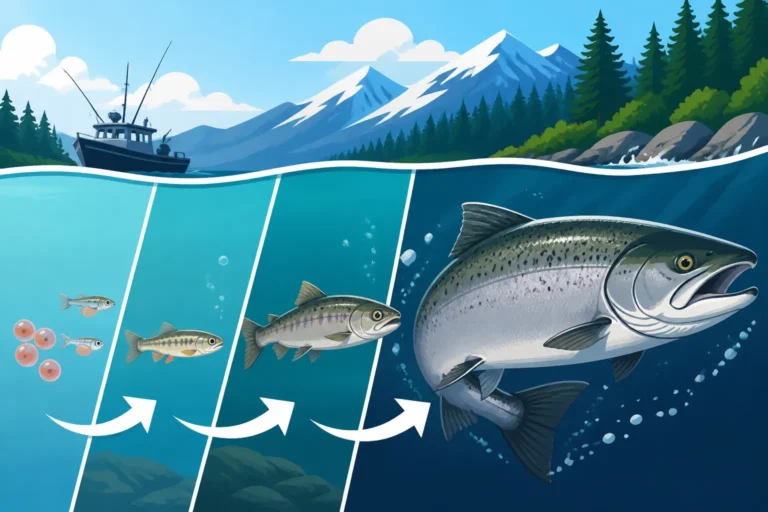
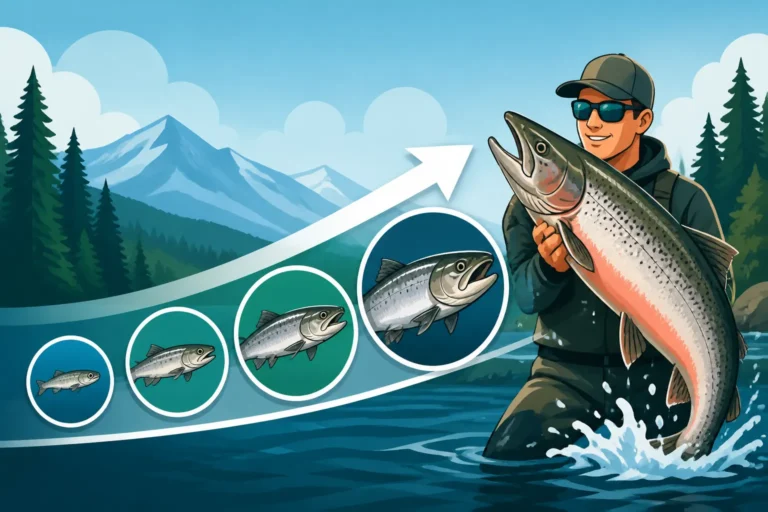
For a Chinook salmon to reach such immense size, it must survive for many years, often four to seven, in the harsh marine environment. This means successfully navigating open ocean currents, avoiding countless predators like seals, sea lions, and even orcas, and feeding continuously. They are constantly on the move, following baitfish schools and building up the reserves they'll need for their epic spawning migration.
The journey these fish undertake is nothing short of incredible. From tiny fry in a freshwater stream, they migrate to the ocean, grow to enormous sizes, and then return to their natal rivers to spawn, often traveling hundreds or even thousands of kilometers. This life cycle is why Chinook are often referred to as "super salmon." Their resilience and determination are legendary, and a trophy-sized individual represents the peak of this incredible natural process. Understanding their journey only deepens our appreciation when we are fortunate enough to encounter one of these magnificent fish.
Where Do These Giants Live and How Do They Grow So Big?
The secret to a giant Chinook salmon lies in a combination of rich feeding grounds, genetic potential, and ample time to grow. While the record fish came from a specific location, the general principles apply to where you might encounter other large specimens in British Columbia.
Productive Waters: The Coastal Feeder Fisheries
The largest Chinook salmon are typically caught in tidal waters along the BC coast, particularly in areas where there's an abundance of baitfish. Places like Rivers Inlet, the offshore banks of Haida Gwaii, and even certain spots off Vancouver Island are renowned for producing large "feeder" Chinook. These are salmon that are still actively feeding and growing in the ocean before they begin their final migration back to their spawning rivers.
These coastal waters are teeming with herring, anchovies, and other forage fish, providing a buffet that allows Chinook to pack on weight rapidly. Halibut Fishing Techniques for BC's Coast and salmon fishing often overlap in these productive areas. The colder, nutrient-rich Pacific waters are ideal for the entire marine food web that supports these massive salmon. Anglers often target these areas with specific techniques, such as downrigger trolling with large spoons or bait, to get their offerings down to where these big feeders are lurking.
River Systems: The Spawning Journey
While the biggest Chinook are often caught in the ocean, many large fish are also taken as they return to their spawning grounds in major river systems. The Fraser River, for instance, is home to incredible runs of Chinook salmon, and while the very largest fish are usually caught in the tidal influence or lower reaches of the river, some truly massive specimens make it far upstream. Fraser River Fishing Guide can give you a good idea of the opportunities.
These river-bound giants are often at their peak physical condition, having spent years feeding in the ocean. They are incredibly powerful, fueled by their biological imperative to return and spawn. However, as they enter freshwater, they stop actively feeding, relying on their stored energy. This means that while they are still huge, their flesh quality begins to change as they approach their spawning grounds. Anglers targeting these fish in rivers will often use different techniques, such as bar fishing with roe or large spinners, or drift fishing with scent-laden baits. The key is understanding their migration patterns and where they hold in the river. You can find out more about Chinook Salmon Migration Patterns in BC in our other resources.
The Role of Genetics and Food Availability
It's not just about being in the ocean for a long time; it's also about having the right genes. Some Chinook populations are simply genetically predisposed to grow larger than others. Combined with a consistent, abundant food supply, these fish have the potential to reach truly monumental sizes. The sheer biomass of baitfish available in areas like Rivers Inlet or certain offshore banks creates an environment where a fish with good genes can truly excel.
Think of it like this: if you have a great athlete (genetics) who also has access to the best training and nutrition (abundant food), they're going to perform at their peak. For a Chinook, this means growing big and strong. Any time a population experiences a boom in its food source, you'll often see larger average sizes among the fish. This interconnectedness of the ecosystem is truly fascinating, and it's why protecting the entire food web is so crucial for supporting our trophy salmon.
Chasing Your Own Personal Best Chinook
While breaking the 92-pound record is an extremely long shot, the dream of catching a personal best Chinook—a 30, 40, or even 50-pounder—is very much alive and achievable for dedicated anglers in British Columbia. It takes preparation, knowledge, and a healthy dose of persistence.
Gear Up for the Battle
You wouldn't bring a knife to a gunfight, and you shouldn't bring light tackle to a trophy Chinook pursuit. These fish demand robust gear that can withstand immense pressure.
- Rods and Reels: Look for heavy-action rods, often in the 9-10.5 foot range for mooching or river fishing, or sturdy boat rods for trolling. Pair these with high-quality, large-capacity reels that have a smooth, powerful drag system. A good reel will prevent line breakage on those blistering runs. You can find durable and reliable options for these bigger fish on Amazon, which is a convenient way to compare different brands and features.
- Line: Spool up with strong, abrasion-resistant monofilament or braided line. Many anglers opt for 30-50 lb test, sometimes even heavier, especially when fishing near structure or in strong currents. The line is your direct connection to the fish, so invest in quality.
- Terminal Tackle: Use heavy-duty swivels, strong leader material (often fluorocarbon in the 40-80 lb range), and sharp, strong hooks. Inspect your tackle constantly for nicks or weaknesses. A single weak link can cost you the fish of a lifetime.
| Component | Recommended Specifications | Why It Matters |
|---|---|---|
| Rod | Heavy action, 9-10.5 ft (river/mooching), 6-8 ft (trolling) | Handles powerful runs, provides leverage, absorbs shock |
| Reel | High-capacity, lever drag or star drag, smooth & powerful drag | Holds enough line for long runs, prevents break-offs, allows fine-tuning |
| Main Line | 30-50 lb braided or monofilament | Strength for fighting, abrasion resistance, good knot tying |
| Leader | 40-80 lb fluorocarbon | Stealth in clear water, abrasion resistance, shock absorption |
| Hooks | Large, strong, chemically sharpened single or treble | Secure hooksets, prevents bending/breaking, penetrates tough mouth tissue |
| Swivels | Heavy-duty barrel or ball bearing | Prevents line twist, ensures smooth rotation of lures/bait |
| Net | Large hoop, rubberized mesh (or knotless) | Safely lands large fish, protects fish scales/slime for release |
Tactics for Trophy Chinook
Finding and catching a trophy Chinook often involves specific strategies tailored to their habits.
- Location, Location, Location: Focus on known Chinook hotspots. This means deep ocean feeding grounds during the summer months, or the lower and middle reaches of major rivers during their spawning migrations. Research Best Salmon Fishing Spots in BC for ideas. Local knowledge is invaluable here, so don't be shy about talking to tackle shop owners or experienced anglers. Consider booking a trip with a reputable charter or guide service, as they often have the specialized knowledge and equipment for targeting these larger fish. Best Salmon Charters in Campbell River or Best Sturgeon Guides on the Fraser River can offer experiences with massive fish, though sturgeon are catch and release.
- Bait and Lures: For ocean fishing, large spoons, anchovies, herring, or even artificial squid imitations are common. Size matters; bigger baits often attract bigger fish. In rivers, roe bags, large spinners, or even plugs can be effective. Presentation is key—your bait or lure needs to look natural and appealing. Don't be afraid to experiment with different colours and sizes until you find what the fish are keying in on. For specific tactics, check out Salmon Fishing Techniques for BC Rivers.
- Timing: Big Chinook often bite during specific tidal windows in saltwater or particular periods of the day in rivers. Early morning and late evening are frequently prime times. Also, consider the Best Time of Year to Fish in BC for Chinook. Weather conditions, water temperature, and river levels can all play a significant role in success. Tracking these factors can give you a considerable edge.
- Patience and Persistence: Trophy fishing isn't about instant gratification. It requires long hours on the water, meticulous attention to detail, and the willingness to learn from every trip, successful or not. The biggest fish are often the wariest, and it takes true dedication to entice them. Having the right mindset is just as important as having the right gear.
- Handling Your Catch: If you're lucky enough to land a trophy Chinook, especially if you plan to release it, proper handling is crucial. A large, knotless or rubberized landing net is essential to minimize harm. Try to keep the fish in the water as much as possible for photos and measurements, and always handle it gently. If it's a keeper, dispatch it quickly and humanely. For measuring and recording your catch, a reliable measuring tape is invaluable, which you can often find readily on Amazon for quick delivery before your next trip.
The Role of Conservation
Catching a trophy Chinook is an incredible experience, but it's important to remember our role in conservation. British Columbia's salmon stocks face numerous challenges, and responsible angling practices are more vital than ever. Familiarize yourself with current regulations, including BC Bag and Possession Limits by Species and BC Freshwater Salmon Retention Rules. Practice catch and release effectively, especially for wild or vulnerable stocks. Protecting the future of these magnificent fish ensures that the dream of a trophy Chinook can continue for generations of anglers to come. Every decision we make on the water has an impact, and being a good steward of our resources is paramount.
Disclaimer
This article is for general informational purposes only and does not constitute professional advice. Laws, prices and regulations vary by location and change over time. Consult a qualified professional for guidance on your specific situation.