Salmon Growth Rate to Trophy Size
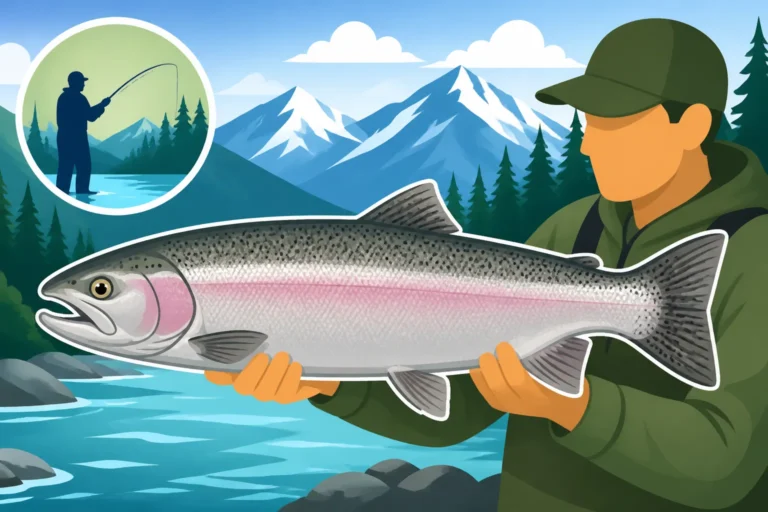
Every angler who's cast a line into British Columbia's magnificent waters has probably dreamt of it: the line screaming, the rod bending, and finally, the sight of that absolutely massive, chrome-bright salmon. We all want to know, what does it take for these incredible fish to grow into such legendary giants? It’s not just luck; it’s a fascinating combination of genetics, ocean conditions, and sheer time. This guide will dive deep into the mysteries of salmon growth, exploring how these powerful fish reach those coveted "trophy sizes" in BC.
The Incredible Journey: Salmon Life Cycles and Growth Dynamics
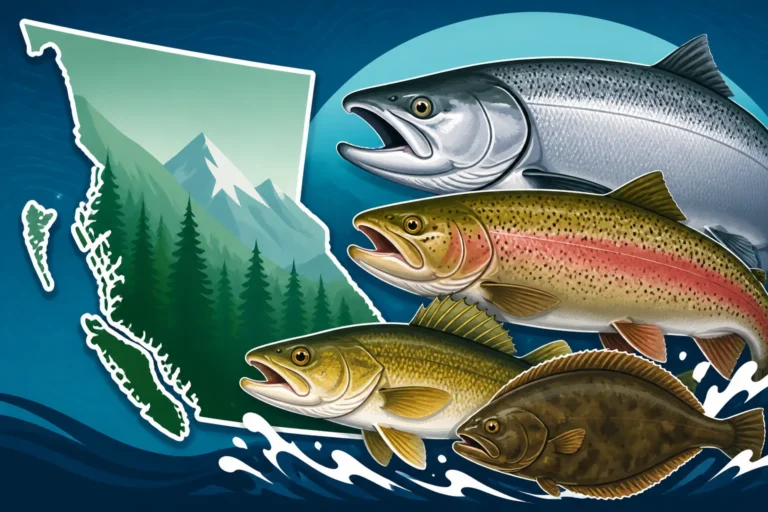
Understanding how salmon grow into massive fish starts with their life cycle. Each species has a slightly different approach to life and, consequently, growth, but all share the incredible journey from freshwater streams to the vast ocean and back again. It's a testament to nature's resilience and the sheer will of these creatures to reproduce. The growth rate isn't just a number; it's a story of survival and abundance.
Chinook Salmon: The King of Growth
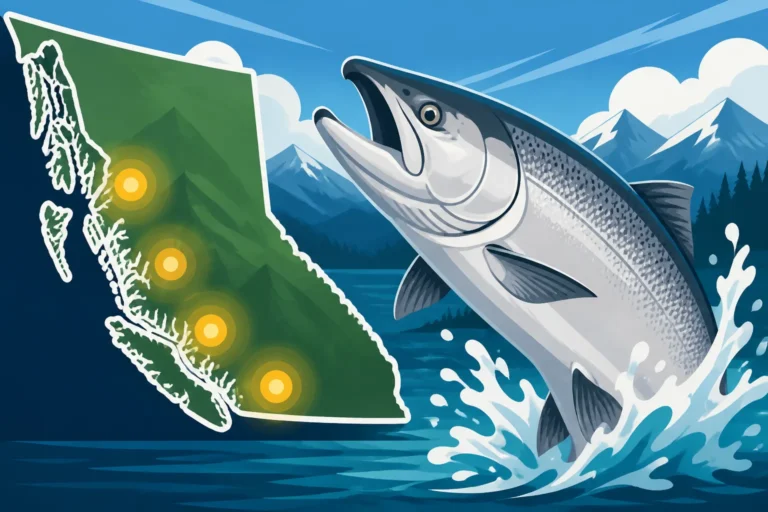
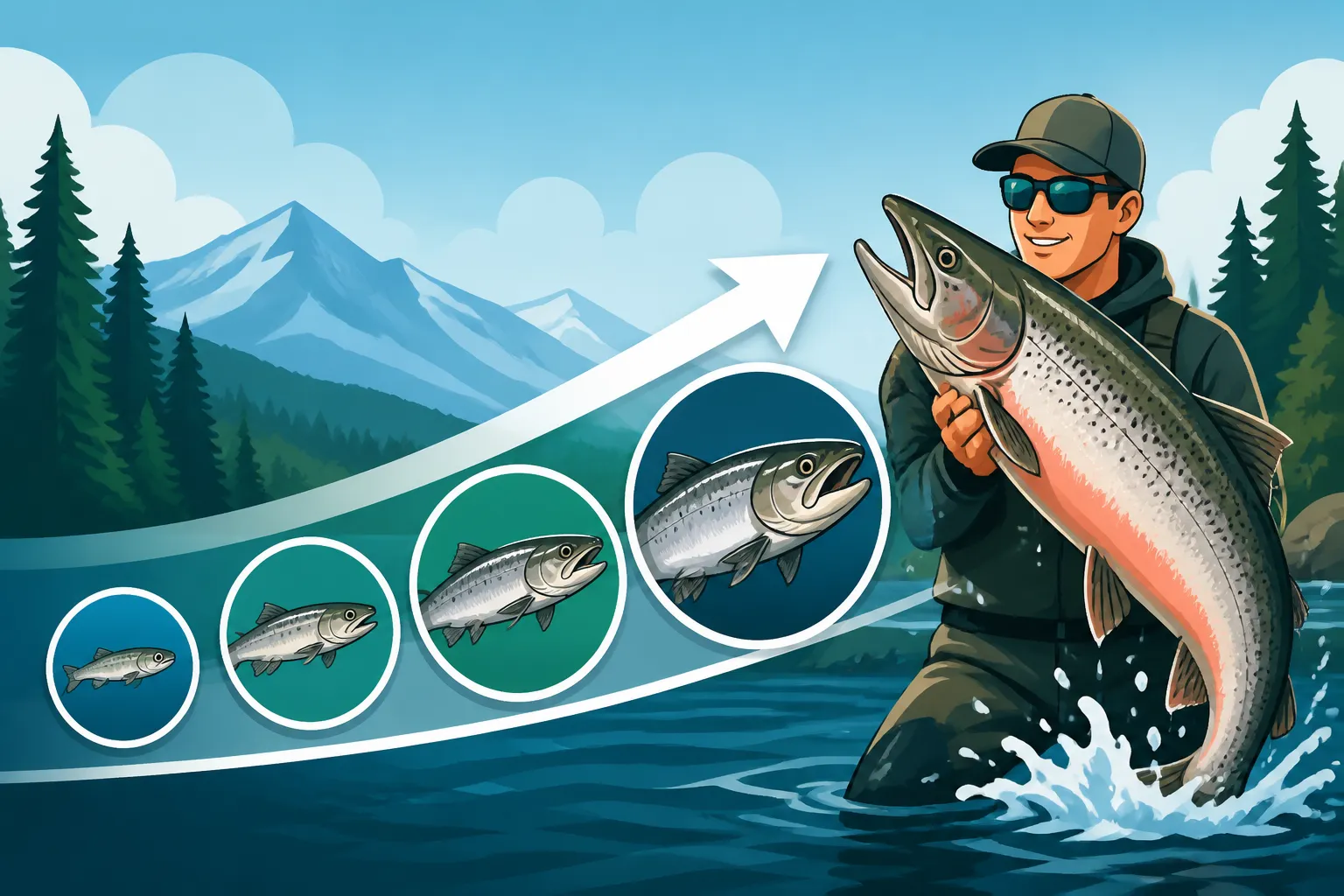
Ah, the Chinook, or as we often call them here in BC, the "King Salmon." There's a reason for that moniker! These are the largest of the Pacific salmon, and their growth rate is nothing short of astounding. They spend the longest amount of time in the ocean, typically two to five years, sometimes even longer, before returning to their natal rivers to spawn. This extended ocean residence is key to their impressive size. Imagine the amount of food they consume, the vast distances they travel, and the sheer energy they expend to fuel that growth. A young Chinook smolt leaving a river might only be a few inches long, but after years gorging on herring, squid, and other baitfish in the nutrient-rich waters of the Pacific, they can return as true behemoths. We're talking about fish that often exceed 30 pounds, with some truly legendary specimens pushing past 50, 60, or even 70 pounds! The thrill of hooking into one of these ocean-fattened monsters is unparalleled, a pure test of skill and tackle. It's not just about their size, but the sheer power they possess. Chinook Salmon Fishing in BC offers more insights into chasing these magnificent creatures.
Coho, Sockeye, Pink, and Chum: Diverse Growth Paths
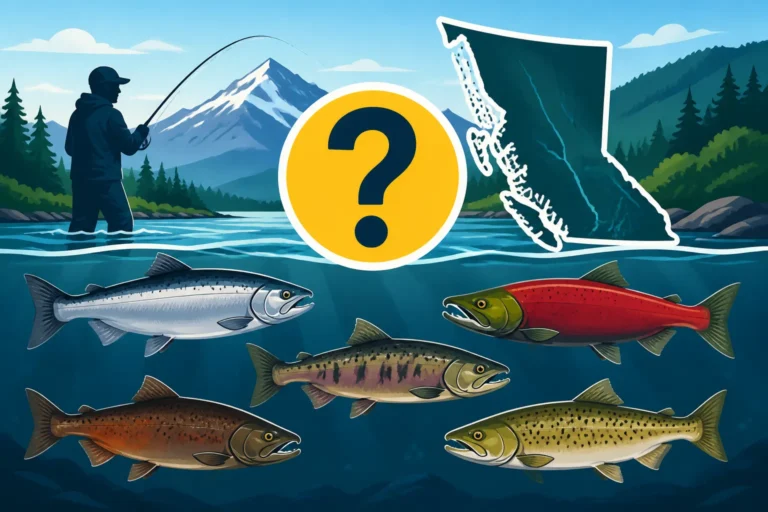
While the Chinook might wear the crown for size, the other salmon species in BC waters have their own unique growth stories, each contributing to the rich tapestry of our fisheries.
-
Coho Salmon: Often called "silvers" for their bright, flashy appearance, Coho typically spend one full year in the ocean before returning to spawn. This shorter ocean residency means they don't reach the gargantuan sizes of Chinook, but they are incredibly strong, acrobatic fighters. A trophy Coho might range from 12 to 20 pounds, though bigger ones are certainly caught. Their growth is rapid in that single year, focusing on efficiency and speed. Coho Salmon Fishing in BC delves into the exciting pursuit of these energetic fish.
-
Sockeye Salmon: Known for their vibrant red flesh and intense spawning colours, Sockeye spend two to three years in the ocean. Their diet is primarily zooplankton, which, while abundant, doesn't pack the caloric punch of the baitfish Chinook and Coho consume. As a result, Sockeye are generally smaller, with trophy sizes usually falling in the 6 to 12-pound range. What they lack in individual size, they make up for in sheer numbers, often returning in massive migrations that are a sight to behold. Sockeye Salmon Fishing in BC provides more details on this iconic species.
-
Pink Salmon: The smallest and most abundant of the Pacific salmon, Pinks have an incredibly rigid two-year life cycle. They spend less than 18 months in the ocean, growing rapidly on a diet of small crustaceans and plankton. Trophy Pinks are typically 3 to 6 pounds, with the occasional larger one tipping the scales. Their fast growth and short life cycle make them highly prolific.
-
Chum Salmon: Often overlooked but incredibly powerful, Chum salmon (or "dog salmon" due to their impressive canine-like teeth when spawning) typically spend two to four years in the ocean. They feed on a variety of invertebrates and smaller fish. While not as prized for eating as Chinook or Sockeye, they are formidable fighters on the line. Trophy Chum can range from 10 to 20 pounds, with some reaching impressive sizes closer to 30 pounds, particularly in some northern BC rivers. Their muscular builds mean they fight with incredible brute force.
Environmental Drivers of Salmon Size
The journey from a tiny egg to a magnificent trophy salmon is fraught with challenges, and the environment plays an absolutely critical role in how large, and how quickly, these fish grow. It’s not just about being born, it’s about thriving, and that largely depends on what Mother Nature provides—or doesn’t.
Ocean Abundance: The Food Factor
This is perhaps the most significant determinant of salmon growth. Imagine a teenager growing into an adult; the better their nutrition, the stronger and healthier they become. For salmon, the ocean is their pantry, and its richness directly correlates to how big they get. In years when baitfish like herring, anchovies, and juvenile hake are plentiful, salmon have an endless buffet, allowing them to pack on pounds rapidly. These oily fish provide the high-energy diet necessary for significant growth. Conversely, during years of lower ocean productivity, perhaps due to changes in ocean currents or warming waters impacting prey populations, salmon might return smaller or simply have lower survival rates because they couldn't find enough to eat.
Areas known for consistently producing trophy-sized salmon, like the waters off Haida Gwaii or parts of Vancouver Island, are often hotspots for these essential baitfish. It's a complex marine food web, and when all the pieces are in place, the salmon benefit immensely. Anglers often look for signs of bait balls on their fish finders or bird activity when targeting these larger, ocean-feeding salmon. The sheer volume of calories available in certain oceanic feeding grounds is what allows a four-year-old Chinook to go from a respectable 20 pounds to a truly massive 40 pounds or more in just a few additional months. What chinook salmon eat in the ocean provides more context on their diet.
Water Temperatures and Habitat Quality
Beyond food, water temperature and the overall quality of both their freshwater and saltwater habitats are crucial. Optimal water temperatures in the ocean allow salmon to metabolize food efficiently and grow without undue stress. If waters are too cold, their growth can slow. If they are too warm, it can stress the fish, impact their immune systems, and affect the distribution and abundance of their prey. Climate patterns like El Niño or La Niña can significantly alter ocean temperatures and currents, leading to feast or famine years for salmon.
In their freshwater natal streams, good habitat quality is paramount for young salmon. Clean, cold, oxygenated water, ample cover from predators, and a healthy insect population for juvenile feeding are all vital. Degraded river habitats, caused by logging, pollution, or excessive water extraction, can stunt the growth of young salmon even before they reach the ocean, making it harder for them to survive and grow large later on. A healthy river system is the foundation for strong, robust salmon returns. The journey through their freshwater homes as smolts, preparing for the ocean, is just as critical as their time spent gorging on herring. Conservation efforts focusing on both marine and freshwater ecosystems are vital for ensuring these magnificent fish have the best chance to reach their full potential. BC Salmon Conservation Stamp Rules are in place to help protect these valuable resources.
What Exactly is a "Trophy Salmon" in British Columbia?
The term "trophy salmon" gets thrown around a lot, and for good reason—it signifies a truly memorable catch. But what one angler considers a trophy might differ slightly from another's, and it definitely varies by species. In BC, we're lucky to have such diverse fisheries that allow for a wide range of impressive catches. It’s not always about breaking a world record; sometimes, it's about the fish of a lifetime for you.
Species-Specific Trophy Expectations
Let's break down what a "trophy" typically means for each of BC's Pacific salmon:
- Chinook Salmon (King Salmon): This is where the big numbers come out. A Chinook over 30 pounds is widely considered a trophy. Fish pushing into the 40s and 50s are truly exceptional, and anything above that is legendary. These are the fish that dominate the fishing lodge photos and stories around the campfire. Many anglers spend years, even decades, chasing that elusive 50-pounder. The sheer power of these fish at that size is something you won't forget.
- Coho Salmon (Silver Salmon): For Coho, a trophy is usually a fish weighing over 15 pounds. A 20-pound Coho is a fantastic catch, highly prized for its acrobatic fights and strong runs. While they don't reach Chinook sizes, a heavy Coho has a unique fight that many anglers prefer.
- Sockeye Salmon: Given their plankton-heavy diet, Sockeye are generally smaller. A Sockeye over 8 pounds is considered a very respectable trophy, and anything breaking the 10-pound mark is a true giant for the species. Seeing one of these bright red beauties with broad shoulders is a sight to behold.
- Chum Salmon (Dog Salmon): Chum are incredibly strong. A trophy Chum typically starts around 20 pounds. Fish in the high 20s or even 30 pounds are absolute monsters and will give you an arm-aching battle. They might not be the prettiest, especially as they get closer to spawning, but their fighting prowess is undeniable.
- Pink Salmon (Humpy): As the smallest species, a trophy Pink is usually anything over 6 pounds. An 8-pounder is a fantastic catch for a Pink, showcasing the rapid growth they achieve in their short ocean life.
| Salmon Species | Typical Trophy Weight (Pounds) | Average Ocean Residency (Years) | Primary Ocean Diet |
|---|---|---|---|
| Chinook (King) | 30+ (50+ truly exceptional) | 2-5+ | Herring, squid, hake |
| Coho (Silver) | 15+ (20+ exceptional) | 1 | Herring, smaller fish, crustaceans |
| Sockeye | 8+ (10+ exceptional) | 2-3 | Zooplankton, small crustaceans |
| Chum (Dog) | 20+ (25+ exceptional) | 2-4 | Invertebrates, smaller fish |
| Pink (Humpy) | 6+ (8+ exceptional) | <2 | Plankton, small crustaceans |
This table gives a general guideline, but remember, the true "trophy" is in the eye of the beholder and the effort put into the catch! For measuring your catch before release or for weighing before processing, many anglers rely on reliable digital scales, which you can easily find on platforms like Amazon.
Beyond Weight: The Value of Age and Condition
While weight is often the primary metric for a "trophy," savvy anglers and biologists also consider the age and overall condition of the fish. A 30-pound Chinook that is only three years old is a testament to incredible growth and ocean abundance, sometimes even more impressive than an older, heavier fish that simply had more time to grow. Its condition—its chrome brightness, the thickness of its shoulders, and the lack of spawning colours—also speaks volumes about its recent feeding success.
Think of it like this: a truly "hot" fish, fresh from the ocean, still full of fight and perfectly conditioned, can feel like a bigger trophy than a slightly heavier fish that's already entered its spawning phase. This is especially true for species like Steelhead, where a fresh, chrome wild fish is the ultimate prize, regardless of its exact weight. Understanding the typical Salmon Growth Rate to Trophy Size helps appreciate these nuances. The condition often tells a story of the ocean environment it recently inhabited—a healthy, abundant ocean often produces fish in prime condition, regardless of absolute size. It's the full package: the fight, the beauty, and the sheer power.
Unlocking Salmon Age: The Secrets in Scales and Otoliths
You might wonder how scientists know how old a salmon is or how many years it spent in the ocean. It's not like they carry birth certificates! This incredible detective work is crucial for understanding salmon populations, managing fisheries, and even predicting future runs. The secrets are hidden within the fish itself, in surprising places.
Reading the Rings: How Scientists Estimate Age
Just like trees have growth rings, salmon have natural markers that record their life story, year by year. The two primary ways scientists determine a salmon's age are by examining their scales and their otoliths (ear bones).
-
Scales: This is the most common method. When a salmon grows, its scales grow too, adding concentric rings, much like a tree. These rings are called circuli. During periods of rapid growth, typically in the summer months when food is abundant in the ocean, the circuli are spaced further apart. In winter, when growth slows, the rings are closer together. The transition from closely spaced winter rings to widely spaced summer rings forms an "annulus" or "winter band," which marks one year of life. Scientists can also often tell how long the fish spent in freshwater before migrating to the ocean, as freshwater growth patterns look distinctly different from marine growth patterns. It's a delicate process requiring trained eyes and often specialized microscopes, but it offers a remarkable window into a fish's life.
-
Otoliths (Ear Bones): For more precise or challenging cases, scientists turn to otoliths. These small, calcareous structures in a fish's inner ear also lay down annual growth rings, much like scales, but they are often clearer and less prone to reabsorption or damage. Otoliths provide a highly accurate record of age and can even reveal daily growth increments in very young fish. While scales are usually collected on a catch-and-release basis (a few scales can be gently scraped off without harming the fish), otoliths require the fish to be sacrificed, so this method is typically used on harvested fish or those already deceased. These methods help biologists categorize fish and track trends, which in turn informs important regulations like BC Bag and Possession Limits by Species.
Implications for Anglers and Management
For us anglers, understanding that salmon age can be determined by these methods deepens our appreciation for the fish we pursue. When you catch a massive, old Chinook, you're not just holding a heavy fish; you're holding a creature that has survived multiple years in a harsh environment, a true veteran of the ocean. This knowledge can influence how we view catch-and-release, especially for older, larger spawners who contribute significantly to the gene pool.
For fisheries managers, age data is absolutely invaluable. By analyzing age structures from returning salmon runs, they can:
- Assess recruitment: Understand how many young salmon are surviving to adulthood from different year classes.
- Evaluate growth rates: Determine if ocean conditions are favorable or unfavorable by looking at how quickly fish are growing in a given year.
- Predict future returns: If there's a strong cohort of two-year-old Sockeye, managers can anticipate a robust return of three-year-olds the following year.
- Set sustainable harvest limits: Knowing the age composition helps in setting appropriate quotas to ensure enough fish survive to spawn and maintain healthy populations.
This scientific detective work is a cornerstone of responsible fisheries management in British Columbia, ensuring that future generations can continue to chase their own trophy salmon. It helps us understand the health of the entire ecosystem and makes sure that our time on the water is both enjoyable and sustainable. Reading the BC Freshwater Fishing Regulations Synopsis can give you an idea of how these complex biological factors translate into real-world rules.
The Angler's Role in Protecting These Giants
As anglers, we're not just participants in the fishery; we're also its guardians. Our actions on the water, and our support for conservation efforts, directly impact the future of British Columbia's incredible salmon runs, including the potential for those truly trophy-sized fish we all dream about. It’s a shared responsibility to ensure these magnificent creatures continue their ancient journeys.
Sustainable Practices and Responsible Harvest
The pursuit of trophy salmon comes with a profound responsibility: to practice sustainable fishing. This means making conscious choices that minimize our impact on fish populations, especially the larger, more mature individuals that are vital for spawning.
Here are some key considerations:
- Adhering to Regulations: This is non-negotiable. Bag limits, size restrictions, and gear restrictions are all put in place for a reason – to protect fish stocks. Always check the latest BC Fishing Regulations Explained and area-specific notices before you head out. These rules are developed with age and growth rates in mind to allow enough fish to spawn.
- Catch and Release Best Practices: If you're targeting trophy fish, especially older, larger spawners that are critical for the gene pool, consider practicing responsible catch and release. This involves using appropriate tackle to land the fish quickly, minimizing handling time, keeping the fish in the water as much as possible, and using barbless hooks. If you do plan to release, consider a sturdy release tool, often available through retailers like Amazon, to aid in minimizing stress.
- Selective Harvest: Sometimes, we're allowed to keep fish. Make thoughtful choices. If you've already got a good eater, perhaps release that larger, older fish that still has spawning potential. The bigger fish often carry the most robust genetics, making them incredibly valuable for future generations.
- Understanding Fish Vulnerability: Be aware of how fishing pressure affects different species at different times. For example, some species may be more vulnerable during certain parts of their migration or during periods of low water.
By embracing these practices, we contribute to the health of the fishery, increasing the chances for more salmon to reach trophy size and return to spawn. It's about respecting the resource and understanding that our individual choices collectively make a huge difference.
Supporting Conservation Efforts
Beyond our individual fishing practices, supporting broader conservation efforts is paramount. Many organizations in BC work tirelessly to protect and restore salmon habitats, conduct scientific research, and advocate for sound fisheries management.
- Habitat Restoration: Degraded river systems and estuaries impact salmon growth and survival from the very beginning of their lives. Supporting groups that engage in stream clean-ups, riparian planting, and barrier removal directly benefits young salmon, giving them a better start before they even reach the ocean.
- Advocacy and Education: Staying informed and advocating for policies that prioritize salmon health are crucial. This might involve supporting measures to reduce industrial impacts, improve water quality, or protect critical marine feeding grounds. Education, both for ourselves and for new anglers, helps foster a culture of conservation.
- Salmon Enhancement Programs: While wild salmon are always the priority, well-managed enhancement programs can supplement populations, especially in systems facing significant challenges. These programs often rely on public support and volunteer efforts.
- Purchasing Conservation Stamps: When you buy your BC Salmon Conservation Stamp Rules, you're directly contributing funds to projects that benefit salmon, from habitat restoration to scientific research. It's a small fee that has a significant positive impact on the resource we cherish.
The future of trophy salmon in British Columbia depends on a collective commitment from all of us who love casting a line here. By being responsible anglers and active conservationists, we help ensure that the dream of hooking into a giant, chrome-bright salmon remains a vibrant reality for generations to come.
Disclaimer
This article is for general informational purposes only and does not constitute professional advice. Laws, prices and regulations vary by location and change over time. Consult a qualified professional for guidance on your specific situation.