Arctic Grayling in Northern BC Rivers
Many anglers dream of chasing the beautiful Arctic Grayling, often celebrated for its magnificent, sail-like dorsal fin and the pristine, remote waters it inhabits. But when you look at a map of British Columbia, especially the vast northern reaches, trying to pinpoint where these elusive fish truly thrive can feel like an overwhelming task. This comprehensive guide is here to unravel the mystery, showing you not just the regions, but the specific characteristics of the rivers where you can find these incredible fish, offering practical insights and tips for a successful and memorable Northern BC grayling adventure.
Understanding the Arctic Grayling's Unique Place in BC
The Arctic Grayling (Thymallus arcticus) holds a special place in the hearts of many northern anglers. They're not just beautiful; they're an indicator species, thriving in cold, clean, oxygen-rich waters that are often far removed from human development. Finding them usually means you've stumbled upon a truly wild and unspoiled corner of British Columbia, which is an experience in itself.
Identifying the Majestic Sailfin
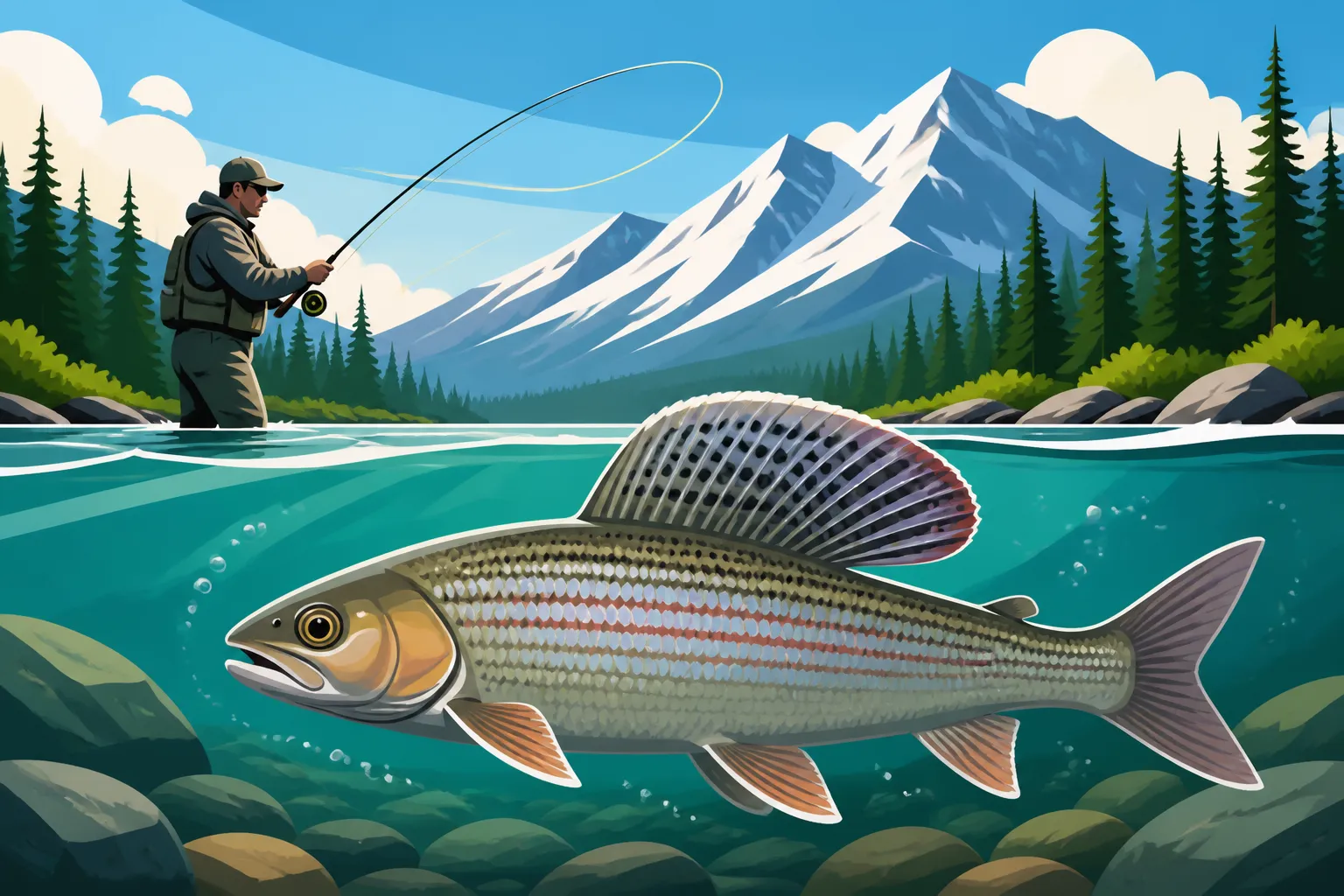
The most striking feature of the Arctic Grayling is undoubtedly its incredibly large, colourful dorsal fin, which is why it's often nicknamed the "sailfin" or "timer wolf" fish. This fin is particularly prominent on males and is streaked with iridescent blues, purples, and greens, often speckled with small red or orange spots. Their bodies are typically slender, ranging from dark to silvery grey on the back, fading to white on the belly, with distinct black spots or blotches on their sides. You might notice a subtle purple or pinkish iridescence along their flanks as well.
It's truly a sight to behold when you catch one, especially in the golden light of a northern evening. They don't typically grow to massive sizes, with a good-sized grayling in BC often being in the 12-to-18-inch range, though larger specimens are certainly caught. They're built for speed and agility in swift currents, making them a spirited fighter on light tackle.
Why Northern BC is Prime Grayling Territory
British Columbia, with its immense and varied landscape, provides unique ecosystems where grayling can flourish. While they are a circumpolar species found across the northern hemisphere, their presence in BC is primarily concentrated in the northern interior and Peace River regions. These areas are characterized by vast wilderness, countless clear-flowing rivers and streams, and a climate that supports the cold water temperatures grayling require year-round.
Unlike some other fish species that can adapt to warmer or more disturbed habitats, grayling are quite sensitive to changes in water quality and temperature. This means that if you're fishing for grayling, you're likely in an ecosystem that is still very much wild and healthy, a testament to the incredible natural heritage of British Columbia. This remoteness also means less fishing pressure, offering a more tranquil and often more rewarding experience for anglers willing to make the journey.
Prime Northern BC Rivers for Arctic Grayling
When we talk about grayling in British Columbia, we're really focusing on the north. This isn't a fish you'll find in the Fraser Valley or the Okanagan. You need to head north, often significantly north of Prince George, to truly get into their stronghold. These are vast, wild areas, and the rivers here are equally untamed.
Peace River Region Tributaries
The Peace River watershed is arguably the most significant area for Arctic Grayling in British Columbia. This expansive region, encompassing the northeastern part of the province, is characterized by numerous clear-flowing tributaries that feed into the larger Peace River system. Many of these smaller rivers and creeks, particularly those that originate in the foothills of the Rocky Mountains, provide ideal spawning and rearing habitat for grayling.
Think of rivers like the Halfway River, Graham River, or the Beatton River. These aren't household names for most anglers, and that's precisely part of their charm. They offer remote, pristine environments where the grayling thrive. Access to some of these spots can be challenging, often requiring gravel roads, ATVs, or even bush planes, but the reward is often a truly untouched fishing experience.
Liard Plateau and Northernmost Streams
Venturing even further north, towards the Yukon border, you enter the Liard Plateau region. This area, known for its vast boreal forests and intricate network of rivers and lakes, supports healthy grayling populations in many of its cold-water streams. Rivers like the Liard River itself, and its numerous tributaries, offer opportunities for those seeking the ultimate northern adventure. The Fort Nelson area also boasts several productive grayling streams.
The fishing in these remote areas often involves float trips or extended camping excursions, making it a true wilderness experience. The grayling here tend to be robust, having adapted to the harsh northern climate. This part of BC is truly wild, and fishing here requires careful planning and a good understanding of wilderness safety. It’s also home to other incredible species like bull trout and northern pike in different systems.
Headwater Streams of the Skeena and Finlay Systems
While the Skeena River is famous for its steelhead and salmon, its upper headwater tributaries, particularly those that are small, cold, and clear, can also hold populations of Arctic Grayling. These aren't the broad, powerful flows of the mainstem Skeena but rather the higher elevation creeks and streams that form its beginnings. Similarly, the Finlay River, a major tributary of the Peace River system, and its feeder creeks offer excellent grayling habitat.
These headwater streams often have a much different character than the larger rivers, featuring plunge pools, riffles, and more intimate surroundings. You'll likely be wading these waters, picking your way through dense bush to find access. It's a different style of fishing, focusing on precision casting and stealth, often rewarding the diligent angler with numerous strikes from hungry grayling. When planning a trip to these areas, always check current BC Fishing Regulations Explained as rules can vary greatly by river system.
The Ideal Habitat: Reading the Water for Grayling
Arctic Grayling are quite particular about their environment, which is excellent news for anglers because it means you can learn to "read" the water and identify prime grayling lies. They are a stream-dwelling species primarily, preferring specific features within rivers and large creeks. Understanding these preferences is key to success.
Cold, Clear, and Well-Oxygenated Water
This is non-negotiable for grayling. They absolutely require cold, clear, and highly oxygenated water. You won't find them in sluggish, muddy, or warm rivers. This means they often thrive in rivers fed by snowmelt or glacier melt, or those with significant groundwater input. The colder the water, generally, the happier the grayling.
Look for areas where the water is visibly clear, allowing you to see the riverbed in shallower sections. Fast-flowing riffles, rapids, and areas immediately below falls or cascades are oxygenation hotspots and frequently hold grayling. These areas also tend to be cooler due to the constant movement and exposure to air. If a river warms up too much in summer, grayling will migrate to cooler deep pools or spring-fed tributaries.
Structured Holding Lies
Like most river fish, grayling love structure. This provides them with current breaks, ambush points for food, and refuge from predators. The types of structure they utilize can vary, but generally, you'll want to target:
- Tailouts of Pools: As a pool shallows out and accelerates into a riffle, the grayling often stack up here, feeding on insects being swept downstream.
- Seams and Edges: The boundary where fast current meets slower water is a classic grayling spot. They'll sit in the slower water, darting into the current to grab food.
- Rocks and Boulders: Any significant obstruction that breaks the current will create a small pocket of slower water behind it where grayling can rest and feed.
- Log Jams and Undercut Banks: These offer excellent cover and protection, especially in smaller streams. Grayling will often hold in the slower water adjacent to or beneath these features.
- Gravel Beds: Grayling are primarily insect eaters, and gravel beds are prime habitat for aquatic insect nymphs and larvae, which are a major food source.
Learning to identify these types of holding lies is a skill that will serve you well, not just for grayling, but for How to Catch Rainbow Trout in BC Lakes or any other stream-dwelling fish. Focus your efforts on these zones, and you'll significantly increase your chances of a hook-up.
Food Sources: Insects, Insects, Insects
Arctic Grayling are opportunistic feeders, but their diet is heavily dominated by aquatic and terrestrial insects. This makes fly fishing a particularly effective and enjoyable method for targeting them. They have excellent eyesight and are keen observers of the surface, often rising readily to dry flies.
Their menu includes a wide variety of invertebrates:
- Mayflies: Nymphs and adults are a staple.
- Caddisflies: Larvae, pupae, and adults are all important.
- Stoneflies: Larger nymphs are a common food source, especially in faster water.
- Midges: Tiny but ever-present, especially in cooler weather or on slower stretches.
- Terrestrials: Grasshoppers, ants, beetles, and small caterpillars that fall into the water are readily taken, especially in late summer.
While insects are primary, they will occasionally eat small crustaceans, fish eggs, or even tiny baitfish if the opportunity arises. Understanding the prevalent hatches in the river you're fishing can give you a significant advantage, helping you select the right fly pattern. Consider checking a good local fly shop or online resources for "BC fly fishing reports" before your trip to get an idea of what might be hatching.
Best Times and Conditions to Target Arctic Grayling
Timing your grayling adventure correctly can make all the difference between a few sporadic catches and an unforgettable day on the water. While they can be caught throughout the open water season, certain periods offer peak opportunities.
Spring to Early Summer: Post-Spawn Feasting
The period from late spring to early summer, typically May and June, is often considered prime time for Arctic Grayling. After the ice breaks up and water temperatures begin to rise slightly, grayling become very active, feeding aggressively to recover from their spawning efforts. The waters are usually still cold and clear, and insect hatches begin to become more prolific.
During this window, you'll often find grayling in slightly shallower water than later in the season, actively cruising and feeding. Mayfly and caddisfly hatches can be strong, leading to excellent dry fly fishing opportunities. It's a vibrant time to be on the water, with the northern wilderness awakening. However, be mindful of snowmelt runoff in some areas, which can temporarily muddy rivers or make them too high to fish effectively. Always check local BC Fishery Notices and In-Season Closures, Explained before you head out, as conditions can change rapidly.
Mid-Summer: Terrestrial Action and Cooler Evenings
As summer progresses into July and August, the air temperatures can rise significantly in northern BC. While the grayling still prefer cold water, they might seek out deeper pools or the mouths of cold tributaries during the hottest parts of the day. However, this is also when terrestrial insects become a major food source. Think grasshoppers, ants, and beetles falling into the water, providing substantial meals for hungry grayling.
Late afternoons and evenings can be particularly productive as temperatures cool and insects become more active. Look for rising fish in calm pockets or along current seams. Dry Fly Fishing BC Mountain Streams during this period can be incredibly rewarding. If you're struggling during the day, focus your efforts during the cooler parts of the morning and evening. This is also a fantastic time to combine a grayling trip with other outdoor activities like hiking or wildlife viewing.
Early Fall: Aggressive Feeding Before Winter
September and early October can offer another excellent window for grayling fishing, especially before the full onset of colder weather and ice formation. As water temperatures drop, grayling become very active, feeding aggressively to put on condition for the winter months. Hatches might be sparser, but the fish are often less selective, and streamer patterns or larger nymphs can be very effective.
The autumn colours in northern BC are spectacular, adding another layer of beauty to the fishing experience. While the days are shorter and the weather can be more unpredictable, the fishing can be superb for those willing to brave the cooler conditions. Just be prepared for potential snow flurries and pack accordingly – layers are your friend!
Essential Gear and Techniques for Northern Grayling
Successfully targeting Arctic Grayling in Northern BC requires a bit of specific gear and a thoughtful approach. You don't need a massive arsenal, but having the right tools for these unique fish and environments will significantly enhance your experience.
Rods, Reels, and Line: Light and Sensitive
For fly fishing, a lightweight fly rod is your best friend. A 3-weight or 4-weight rod, typically 7 to 8.5 feet long, is ideal. These lighter rods provide the sensitivity needed to feel the subtle takes of grayling and make even a small fish feel like a champion fighter. They're also perfect for delicate presentations of small dry flies or nymphs. You can find excellent quality options on Amazon, often from reputable brands.
Pair this with a matching fly reel that balances the rod. It doesn't need to be fancy or have a super-strong drag system, as grayling aren't known for blistering runs. A simple click-and-pawl or disc drag reel will do just fine. A floating weight-forward fly line is standard for most grayling applications, allowing for easy casting and mending. For leaders, a 7.5 to 9-foot tapered leader ending in 4x, 5x, or even 6x tippet will ensure delicate presentations and prevent spooking these often-wary fish.
If spin fishing, a light to ultralight spinning rod, about 5 to 6.5 feet long, paired with a small spinning reel spooled with 2 to 4-pound monofilament or fluorocarbon line, will give you the same delicate touch and fighting fun.
Fly and Lure Selection: Imitating Nature's Bounty
For fly anglers, a diverse fly box is crucial. You'll want a good selection of:
- Dry Flies: Parachute Adams, Elk Hair Caddis, stimulators, small hoppers, ants, and beetles in sizes #12-18. Grayling are often keen on dry flies, so be prepared for some exciting surface action!
- Nymphs: Prince Nymph, Hare's Ear, Pheasant Tail, Copper John in sizes #12-18. These are excellent when fish aren't rising or when targeting deeper runs.
- Streamers: Small Woolly Buggers (black or olive) in sizes #10-14 can entice larger grayling, especially when imitating small baitfish or leeches.
For spin anglers, small, single-hooked lures are best to minimize harm to the fish. Think about carrying:
- Small Spinners: Classic Mepps or Rooster Tail spinners in sizes #0 to #2, often in silver, gold, or black, are highly effective.
- Tiny Spoons: Small, lightweight casting spoons that flutter enticingly can also provoke strikes.
- Micro Jigs: Small soft plastic jigs or marabou jigs on lightweight jig heads can imitate small aquatic insects or fry.
Remember, grayling have relatively soft mouths, so sharp hooks are a must, and barbless hooks are highly recommended for ethical catch and release. You can find a vast array of flies and lures online, including on Amazon, to stock your tackle box before your northern expedition.
Essential Accessories and Ethical Angling
Beyond the rod and reel, a few key accessories will make your grayling trip more comfortable and effective:
- Waders and Boots: Many grayling rivers are best fished by wading. Breathable chest waders and sturdy wading boots with good grip are essential, especially on slippery northern riverbeds. You can explore a wide selection of durable waders on Amazon.
- Polarized Sunglasses: Crucial for spotting fish, submerged structure, and protecting your eyes from glare and stray hooks. There are many great options available from a quick search on Amazon.
- Hat: For sun protection and keeping flies/lures away from your head.
- Forceps or Pliers: For easy and safe hook removal, especially with barbless hooks.
- Net: A small, soft-mesh landing net is ideal for safely landing and releasing grayling.
- Insect Repellent: A non-negotiable for northern BC, especially during spring and summer.
- First-Aid Kit: Always wise to carry, given the remote nature of grayling fishing.
- Camera: To capture those beautiful fish and the stunning northern scenery.
When it comes to ethical angling, remember that Arctic Grayling are a sensitive species. Always practice catch and release, especially for larger fish, to help sustain these delicate populations. Handle fish gently, keep them in the water as much as possible, and use barbless hooks. This ensures the fish have the best chance of survival and that future generations can enjoy these magnificent creatures.
Conservation and Responsible Angling for Arctic Grayling
The privilege of fishing for Arctic Grayling in British Columbia comes with a significant responsibility to protect these unique fish and their pristine habitats. Grayling populations can be vulnerable to overfishing and habitat degradation, so understanding and adhering to conservation practices is paramount.
Understanding Regulations and Limits
British Columbia has specific regulations in place for Arctic Grayling, which can vary by region and even by specific river system. It is absolutely crucial to consult the most current Reading the BC Freshwater Fishing Regulations Synopsis before you plan your trip. Pay close attention to:
- Bag and Possession Limits: How many grayling you are legally allowed to keep (if any). Many areas are catch-and-release only for grayling, or have very restrictive limits.
- Size Restrictions: Minimum or maximum size limits may apply.
- Gear Restrictions: Certain rivers might have restrictions on bait, hook type (e.g., single barbless only), or even fishing methods.
- Season Dates: When specific waters are open or closed to fishing for grayling.
Violating these regulations not only harms the fishery but can also result in significant Fishing Without a License in BC: Penalties. Always carry a copy of the regulations, either digitally or printed, and ensure you have your valid British Columbia Fishing License Guide for 2026 for the appropriate water type.
Practicing Catch and Release Effectively
For Arctic Grayling, catch and release is highly recommended, and in many areas, it's mandatory. These fish are slow-growing and have delicate mouths and fins, making them susceptible to stress and injury during handling. To ensure the highest survival rate for released fish:
- Land Quickly: Don't play the fish to exhaustion. Bring it in as quickly as possible.
- Keep it Wet: Minimize air exposure. Unhook the fish while it's still in the water, or use a wetted net.
- Handle Gently: Support the fish with wet hands under its belly and tail. Avoid squeezing its body or gills.
- Use Barbless Hooks: Pinching down barbs on your hooks makes removal much easier and less damaging.
- Revive if Necessary: If the fish seems sluggish, hold it gently upright in the current, allowing water to flow over its gills until it swims away strongly.
Being a responsible angler means understanding the impact you have on the resource. By following these guidelines, you contribute to the long-term health of grayling populations and the pristine ecosystems they inhabit.
Experiencing the Northern Wilderness Beyond the Fish
While the allure of the Arctic Grayling is strong, a trip to northern British Columbia offers so much more than just fishing. The sheer scale and wildness of the landscape are an experience in themselves, providing opportunities for adventure and connection with nature that are increasingly rare.
The Untamed Beauty of Northern BC
The regions where grayling thrive are characterized by vast, unspoiled wilderness. Imagine waking up to the sound of a distant loon, surrounded by towering boreal forests, crystal-clear rivers winding through valleys, and potentially spotting incredible wildlife. This isn't just a fishing trip; it's an immersion into an untamed ecosystem.
You might encounter moose, caribou, black bears, grizzly bears, wolves, or countless species of birds. The silence is often profound, broken only by the sounds of nature. This solitude and raw beauty are what draw many anglers back to these northern reaches year after year. Always be bear-aware and take appropriate safety precautions when venturing into these wild areas.
Planning a Remote Grayling Expedition
A grayling trip to northern BC often requires more planning than a typical day on a local lake. Logistics can include:
- Vehicle Access: Many grayling rivers are off the beaten path, requiring a reliable 4×4 vehicle.
- Navigation: While some main roads exist, many fishing spots are reached via logging roads or undeveloped tracks. A good GPS, satellite communication device, and detailed maps are essential, as cell service will be non-existent in many areas.
- Camping: Be prepared for wilderness camping. Bring all necessary gear, including food, water filtration, and bear-resistant food storage.
- Local Knowledge: If possible, try to connect with locals or experienced northern anglers for up-to-date information on river conditions, access, and recent fishing reports. Hiring a local guide, even for a day, can be invaluable for accessing remote spots safely and efficiently.
It's an adventure, certainly, but one that promises deep rewards. The feeling of casting a fly onto a river that has likely seen few other anglers, and connecting with a vibrant, wild Arctic Grayling, is truly special. The memories you make in these remote corners of British Columbia will last a lifetime, far beyond the thrill of the catch.
| Northern BC Grayling River Attributes | Peace River Tributaries (e.g., Halfway, Graham) | Liard Plateau Streams (e.g., Fort Nelson area) | Skeena Headwater Streams (e.g., upper reaches) |
|---|---|---|---|
| Typical Size | Medium to Large (wider, moderate flow) | Small to Medium (intimate, varying flow) | Small (tight, often fast current) |
| Water Clarity | Generally clear, can be affected by rain | Very clear, spring-fed or snowmelt | Very clear, snowmelt/rain-fed |
| Accessibility | Mixed; some road access, others remote | Often very remote, requires significant travel | Remote, often dense bush for access |
| Dominant Food | Mayflies, Caddis, Stoneflies, Terrestrials | Mayflies, Caddis, Midges, Terrestrials | Stoneflies, Caddis, Mayflies, Terrestrials |
| Best Fishing Month | Late May – July, September | June – August | June – August, early September |
| Fishing Method Focus | Dry fly, nymph, light spin | Dry fly, nymph | Dry fly, nymph, short-line nymphing |
Disclaimer
This article is for general informational purposes only and does not constitute professional advice. Laws, prices and regulations vary by location and change over time. Consult a qualified professional for guidance on your specific situation.