Rainbow Trout Fishing in BC
There's nothing quite like the thrill of a feisty rainbow trout on the end of your line, but let's be honest, British Columbia's vast and varied waters can feel a bit overwhelming when you're trying to figure out where these beautiful fish are hiding and how to tempt them. Many anglers, both seasoned and new, often struggle with pinpointing the best locations, understanding the subtle differences between BC's diverse rainbow populations, and choosing the right techniques for success. This comprehensive guide is here to cut through that confusion, offering a realistic, in-depth look at everything you need to know to confidently pursue rainbow trout across this incredible province, from gear choices to regional hotspots and seasonal strategies.
Understanding British Columbia's Rainbow Trout
British Columbia is practically synonymous with incredible fishing, and for many, the rainbow trout is the shining jewel in that crown. But "rainbow trout" isn't a single, uniform thing here; it's a diverse family with distinct local flavors, and understanding these nuances is your first step toward consistent success on the water.
Native vs. Stocked Rainbows
When you cast your line into a BC lake or river, you're likely to encounter one of two types of rainbow trout: native or wild populations, and stocked fish. Knowing the difference isn't just a matter of trivia; it fundamentally impacts your approach to finding and catching them.
Wild rainbow trout are the descendants of original populations, thriving naturally in self-sustaining ecosystems. They tend to be leaner, more wary, and often sport more vibrant, distinct markings. Their coloration can vary wildly depending on their habitat – a silver-sided fish from a large, deep lake might look quite different from a golden-hhued trout from a tannin-stained stream. These fish are typically found in more remote, pristine environments, often requiring a bit more effort to reach. They're survivors, finely tuned to their environment, and their fight is often legendary. Targeting wild rainbows often means focusing on natural food sources, subtle presentations, and understanding complex river or lake dynamics. You'll find these incredible fish in many of the province's iconic rivers and vast interior lakes.
Stocked rainbow trout, on the other hand, are raised in hatcheries by organizations like the Freshwater Fisheries Society of BC and released into thousands of lakes and ponds across the province. These fish are an incredible resource, especially for families, beginners, and those seeking more accessible fishing opportunities. They are often a bit chunkier, having been fed a consistent diet, and can sometimes appear less intensely colored than their wild counterparts. Initially, stocked fish are less wary and more accustomed to prepared baits or brightly colored lures. They're often found in community fishing lakes, urban ponds, and accessible provincial park waters. The stocking program ensures there are plenty of fish for everyone, reducing pressure on wild stocks and providing fantastic angling experiences. The How to Catch Rainbow Trout in BC Lakes article delves deeper into techniques for these specific fish.
Key Characteristics and Identification
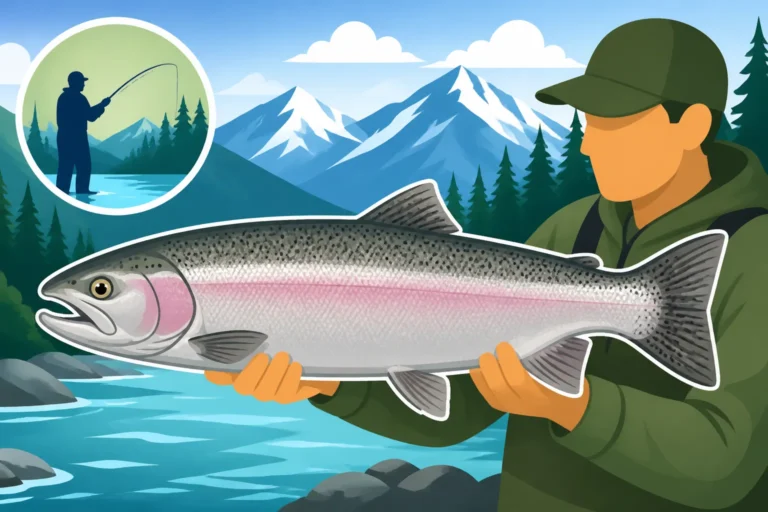
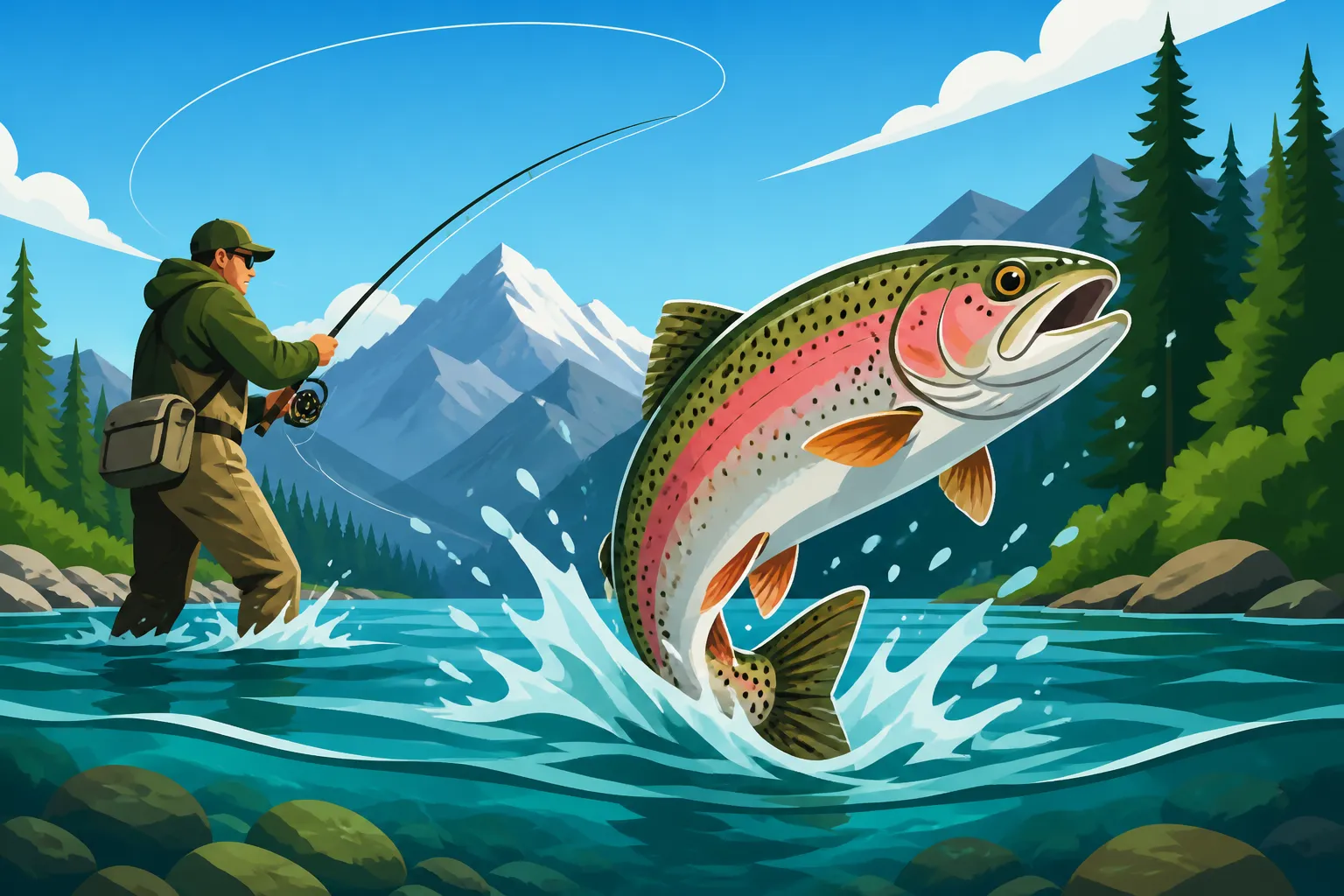
Identifying a rainbow trout in BC is usually straightforward, but variations exist that can be fascinating to observe. The most defining feature is, of course, the vibrant, iridescent pink or red stripe running horizontally along its flanks, from gill plate to tail. This stripe is often more pronounced during spawning season or in highly oxygenated waters. Their bodies are typically silver to olive green on the back, fading to white on the belly, and covered in numerous small, dark spots on the back, sides, and fins.
However, British Columbia is home to several distinct strains of rainbow trout, some of which are famous worldwide. The "Kamloops trout" is a strain of rainbow found predominantly in the lakes of the Okanagan and Shuswap regions. These fish are known for their incredible fighting ability and often grow to impressive sizes. They tend to be more silver in coloration with fewer, more distinct spots. If you're targeting big lake trout in the Interior, you're likely after a Kamloops. You can learn more about them in Kamloops Trout in Okanagan Lakes.
Then there's the legendary "Gerrard rainbow trout" of Kootenay Lake. These are an anadromous strain, meaning they behave much like salmon, growing to immense sizes by feeding on kokanee (landlocked sockeye salmon) in the deep waters of Kootenay Lake before returning to the Lardeau River to spawn. Gerrards are famous for their sheer size and power, often exceeding 20 pounds. They have a more streamlined, torpedo-like body, and their spots might be less numerous, with a steel-blue back. For more on these giants, check out Gerrard Rainbow Trout of Kootenay Lake. While these are specific regional strains, they all fall under the broader umbrella of Oncorhynchus mykiss – the rainbow trout.
Life Cycle and Habitat Preferences
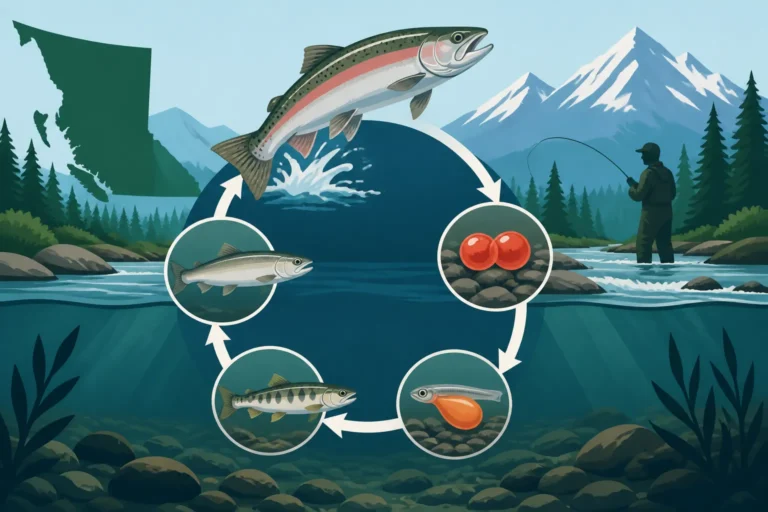
Rainbow trout are typically spring spawners, with exact timing depending heavily on water temperature and location. In many BC rivers and streams, spawning occurs from late winter to early spring, usually when water temperatures reach around 5-10°C (41-50°F). The females will create a redd (a shallow nest) in gravel beds, where they deposit their eggs, and males fertilize them. After hatching, the fry will hide in the gravel, emerging weeks later to begin feeding on tiny invertebrates.
Throughout their lives, rainbow trout are creatures of clean, cold, oxygen-rich water. In lakes, they'll seek out areas with good weed beds, submerged structure, drop-offs, or thermoclines (layers of water with different temperatures) where cooler water and food sources are abundant. Deep lakes with healthy populations of baitfish, like kokanee, often produce the largest rainbows. In rivers and streams, they prefer pools, riffles, runs, and current breaks where they can find shelter from strong currents and ambush prey. Look for them behind large rocks, under cut banks, or in the seams where faster and slower water meet.
Their diet is varied and opportunistic. As juveniles, they'll feast on aquatic insects like nymphs, larvae, and emergers. As they grow, their diet expands to include terrestrial insects that fall into the water (grasshoppers, ants, beetles), leeches, scuds, and even smaller fish, particularly baitfish like minnows or kokanee. This diverse diet means they can be targeted with a wide array of baits, lures, and flies, making them a consistently engaging fish to pursue.
Top Regions and Lakes for Rainbow Trout in BC
British Columbia is a rainbow trout angler's paradise, boasting an incredible diversity of waters that cater to every type of fishing preference. From massive, deep lakes holding trophy-sized monsters to smaller, easily accessible ponds, there's a rainbow trout experience waiting for you.
The Okanagan Valley
When people think of Interior BC fishing, the Okanagan Valley often comes to mind, and for good reason. This region is home to some of the province's most iconic lakes, famous for their Kamloops rainbow trout. Lakes like Okanagan Lake, Wood Lake, Kalamalka Lake, and Skaha Lake are jewels in this chain, offering stunning scenery alongside fantastic fishing.
Okanagan Lake, the largest in the valley, is a prime example. Its vastness and depth allow rainbow trout to grow to impressive sizes, often reaching several pounds, with true trophies in the double digits being caught each year. Anglers here typically target rainbows by trolling with downriggers, using lures like Apex, Fuzion, or Gibbs-Delta spoons, or sometimes even small plugs. The key is to find the right depth where the fish are actively feeding, often near schools of kokanee, which are a primary food source for these large rainbows. Shore fishing can also be productive in the spring and fall, especially at creek mouths or public access points like Peachland or Summerland. The challenge here is the sheer size of the lake, requiring good electronics and patience, but the reward of a hard-fighting Kamloops rainbow is well worth it.
Wood Lake and Kalamalka Lake, while smaller than Okanagan, are also highly productive. They offer similar trolling opportunities, but their more manageable size can make locating fish a bit easier. Spring and fall are prime times when the water is cooler, and fish are more active closer to the surface. These lakes are also popular for fly fishing, particularly during chironomid hatches in the spring, where anglers can anchor and present small indicators suspended under an indicator.
Kootenay Region
Moving further east, the Kootenay Region holds another of BC's most famous rainbow trout destinations: Kootenay Lake. This massive, deep body of water is home to the legendary Gerrard rainbow trout, often considered the largest wild strain of rainbow trout in the world. These truly magnificent fish can push 20 pounds or more, providing an unforgettable angling experience.
Fishing Kootenay Lake for Gerrards is often a pursuit of giants. Anglers typically troll large plugs like Kwikfish, Lyman, or Tomic, or large spoons, often at specific depths using downriggers. The target depth will vary with the season and the location of the kokanee, their main forage. The North Arm of the lake, particularly near the Lardeau River mouth, is a known hotspot, especially during the spring and fall. The Lardeau River itself is a designated trophy stream and is catch-and-release only, offering incredible fly-fishing opportunities for those seeking a more intimate experience with these massive fish as they prepare to spawn.
Beyond the main lake, the Kootenay region also boasts numerous smaller, productive lakes and rivers, often stocked with rainbows, providing excellent opportunities for family fishing or a change of pace. Rivers like the Elk River offer fantastic fly-fishing for smaller, wild rainbows in a stunning mountain setting. The blend of world-class trophy fishing and accessible community waters makes the Kootenay region a must-visit for rainbow trout enthusiasts.
Cariboo Chilcotin
For anglers who dream of wilderness, solitude, and endless lakes teeming with hungry trout, the Cariboo Chilcotin region is an absolute paradise. Often referred to as "the land of a thousand lakes," this vast interior plateau is dotted with an astounding number of lakes, many of which are specifically managed and regularly stocked with rainbow trout by the Freshwater Fisheries Society of BC.
Lakes in this region, such as Sheridan Lake, Watch Lake, and Lac des Roches, are renowned for their consistent action and high catch rates. While not always producing the monster sizes of the Okanagan or Kootenay, the Cariboo is where you go for quantity and a truly immersive fishing experience. Many of these lakes are relatively shallow and nutrient-rich, leading to prolific insect hatches, making them ideal for fly fishing. Chironomid fishing under an indicator is a hugely popular and effective technique here, especially in spring and early summer. Trolling with small spoons or flies behind a fly line or light spinning gear is also very productive.
The appeal of the Cariboo Chilcotin isn't just the fishing; it's the entire experience. Many lakes have rustic cabins, small resorts, or easily accessible campgrounds, making it perfect for multi-day trips. You might find yourself casting to rising trout with a loon calling in the distance, far from the hustle and bustle. The sheer variety means you can explore a new lake every day, each offering its own unique charm and angling challenge. This region truly showcases the breadth of Rainbow Trout Fishing in BC.
Vancouver Island and Lower Mainland
While the Interior often gets the spotlight for rainbow trout, Vancouver Island and the Lower Mainland also offer fantastic opportunities, particularly for those seeking accessible fishing close to urban centers or desiring a unique coastal river experience.
Vancouver Island, with its rugged coastline and lush forests, is home to many smaller lakes and rivers that hold healthy populations of rainbow trout. Lakes like Shawnigan Lake, Cowichan Lake, and the numerous small, stocked lakes around Victoria and Nanaimo provide excellent fishing, especially for resident rainbows. These lakes are often stocked regularly, making them great choices for a quick trip or for introducing kids to fishing. Trolling small spoons, casting spinners from shore, or fly fishing during hatches can all be productive. The Cowichan River is also famous for its wild brown trout, but its upper reaches and tributaries can hold resident rainbows.
In the Lower Mainland, close to Vancouver, you'll find a mix of smaller lakes and ponds that are frequently stocked. These "urban" fisheries, like Rice Lake in North Vancouver or Green Timbers Lake in Surrey, are incredibly popular due to their accessibility. They offer a fantastic chance to catch rainbow trout close to home, often with simple bait setups (PowerBait, worms) or small spinners. While these aren't trophy waters, they provide consistent action and are perfect for a family outing. Additionally, some of the smaller coastal rivers and streams in the region can hold wild, resident rainbow trout, particularly in their upper reaches away from salmon spawning areas. Fishing these waters requires a bit more stealth and finesse, often favoring light fly tackle or ultralight spinning gear with small presentations. Just be sure to check the BC Fishing Regulations Explained for any specific rules for these local waters.
Essential Gear for Rainbow Trout Anglers
Venturing out to fish for rainbow trout in British Columbia requires the right tools for the job. While you don't need to break the bank, having appropriate gear will significantly increase your comfort, success, and enjoyment on the water.
Rod, Reel, and Line Selection
Choosing your rod, reel, and line setup largely depends on your preferred fishing method and the size of the trout you're targeting.
For spinning setups, which are incredibly versatile for lake, pond, and river fishing, you'll want something on the lighter side.
- Rod: An ultralight to light action rod, typically 6 to 7 feet long, is ideal. This length provides good casting distance and accuracy while allowing you to feel even the most subtle bites. The light action is crucial for protecting light lines and making even a modest rainbow feel like a champion fighter. For general-purpose trout fishing, a medium-light action rod is a great all-around choice.
- Reel: Pair your rod with a small spinning reel (size 1000 to 2500 series). A smooth drag system is non-negotiable, as rainbow trout are known for their strong runs.
- Line: For most applications, 4-6 pound test monofilament or fluorocarbon line is sufficient. Monofilament offers good stretch and knot strength, while fluorocarbon is virtually invisible underwater and has less stretch, providing more sensitivity. If you're fishing waters with heavier cover or targeting larger trout, you might consider 8-pound braid with a fluorocarbon leader for added strength and casting distance. You can find excellent quality spinning combos on sites like Amazon, which often bundle a well-matched rod and reel.
For fly fishing setups, gear choice is more nuanced and specific to the water type and target size.
- Rod: A 3-weight to 5-weight fly rod, 8.5 to 9 feet long, is perfect for most small to medium-sized rainbow trout in streams and smaller lakes. For larger lakes and bigger fish like the Gerrard rainbows, a 6-weight or even 7-weight rod might be necessary to cast larger flies and handle stronger fish.
- Reel: A matching fly reel with a smooth, reliable disc drag is essential. The reel's primary purpose is to hold your line and apply consistent pressure when a fish runs, so don't skimp here.
- Line: Weight-forward floating lines are the most common and versatile. For subsurface presentations like nymphing or chironomid fishing, a sinking tip or full sinking line might be required to get your flies down to the desired depth. Leaders and tippets typically range from 3X to 6X, chosen based on water clarity, fly size, and fish wariness.
Baits, Lures, and Flies
The sheer variety of food sources for rainbow trout means you have a vast arsenal of baits, lures, and flies at your disposal.
Baits:
- Worms: The classic. Nightcrawlers or garden worms are effective everywhere and anytime. Fish them under a float or on the bottom with a small weight.
- PowerBait/Salmon Eggs: These scented, colorful dough baits and eggs are particularly effective for stocked trout. They come in many colors and shapes; try different ones until you find what the fish prefer.
- Corn: Believe it or not, corn kernels can be a deadly bait for trout, especially in stocked ponds. A few kernels on a small hook can be irresistible.
- Roe: Salmon or steelhead roe, often cured, is a top choice for river fishing for wild rainbows, particularly when other salmon species are spawning.
Lures:
- Spinners: In-line spinners like Mepps, Panther Martin, Blue Fox, or Rooster Tail are incredibly effective for both rivers and lakes. Sizes from #0 to #3 are usually best. Vary your retrieve speed.
- Spoons: Casting spoons (e.g., Krocodile, Little Cleo) and trolling spoons (e.g., Apex, Fuzion, Gibbs-Delta, Dick Nite) are killer for larger lake trout. Experiment with different colors and sizes based on light conditions and depth. Look for variety packs on Amazon to experiment with different sizes and colours.
- Small Plugs/Stickbaits: For trolling in larger lakes, small Rapala, FlatFish, or Lyman plugs can entice big rainbows.
Flies:
- Chironomids: These midge pupa imitations are paramount for stillwater fly fishing in BC, especially in spring. Fish them under an indicator.
- Leeches/Streamers: Woolly Buggers, Mohair Leeches, and other streamer patterns in black, olive, or marabou are excellent for imitating baitfish and leeches in both lakes and rivers.
- Nymphs: Prince Nymphs, Hare's Ears, Pheasant Tails, and Stonefly Nymphs are crucial for subsurface river fishing.
- Dry Flies: When trout are rising to feed on insects on the surface, patterns like Adams, Parachute Adams, Caddis, or Mayfly imitations can provide thrilling action.
Essential Accessories and Safety Gear
Don't let a successful catch turn into a lost fish or a dangerous situation because you forgot the little things.
- Landing Net: A good quality, rubberized landing net is crucial for safely landing fish, especially if you plan to practice catch and release. The rubber coating protects the fish's slime coat.
- Pliers/Forceps: Essential for safely removing hooks, especially if a fish swallows the bait.
- Measuring Tape/Scale: If you're keen on knowing the size of your catch or ensuring it meets legal retention limits, these are handy.
- Stringer/Cooler: If you plan to keep fish for dinner, ensure you have a way to keep them fresh.
- Waders and Boots: For river and stream fishing, a good pair of waders (chest or hip) and wading boots will keep you dry and comfortable. Choose appropriate insulation for the season.
- Rain Gear: BC weather can change in an instant, so a waterproof jacket and pants are a must, regardless of the forecast.
- Hat and Polarized Sunglasses: Protect yourself from the sun, and polarized lenses help you see into the water, spotting fish or structure.
- First Aid Kit: Even small cuts and scrapes can happen. A basic first aid kit is essential, especially in remote areas. Consider an all-in-one kit from Amazon that includes the essentials.
- Bear Spray: If you're venturing into wilderness areas, carrying bear spray and knowing how to use it is a critical safety precaution.
- PFD (Personal Flotation Device): If you're fishing from a boat, kayak, or even float tube, a properly fitted PFD is non-negotiable. Always wear it.
- Sunscreen and Insect Repellent: Protect your skin and ward off pesky mosquitoes and black flies, especially during summer evenings.
Effective Techniques for Catching Rainbow Trout
Rainbow trout are incredibly adaptable, inhabiting a wide range of aquatic environments. This means there's no single "best" technique; rather, successful anglers adapt their methods to the specific water type and conditions.
Stillwater Techniques (Lakes and Ponds)
Stillwater fishing for rainbow trout is where many anglers get their start, and it offers some of the most consistent action, especially in BC's numerous stocked lakes.
Bait Fishing: This is often the simplest and most effective method, especially for stocked fish.
- Still Fishing: Anchor your boat or fish from shore, casting out a bait (PowerBait, worms, corn, salmon eggs) rigged on a small hook with a sliding sinker, allowing it to rest on the bottom. Trout often pick up food from the bottom.
- Float Fishing (Bobber Fishing): Suspend your bait a few feet off the bottom or at a depth where fish are congregating, using a bobber or float to indicate bites. This is particularly effective near drop-offs, weed lines, or over submerged structure. Keep an eye on the float for any dips or movements.
Trolling: This technique covers a lot of water and is excellent for locating actively feeding fish in larger lakes.
- Lures: Troll with spoons (Apex, Fuzion, Gibbs-Delta), small plugs (Rapala, Lyman), or even spinners. Experiment with different colors and sizes.
- Flies: Fly-trolling (or "fly and fender" fishing) involves using a dodger or flasher ahead of a fly pattern (e.g., Woolly Bugger, small streamer). The dodger adds attraction and motion.
- Bait: Some anglers troll with a worm or piece of PowerBait behind a small weight or flasher.
- Depth Control: Use split shot, lead core line, or downriggers to get your lure or fly down to the desired depth, especially in deeper lakes where trout might be holding in cooler water. Pay attention to your fish finder if you have one to identify schools of baitfish or thermal layers.
Fly Fishing: Stillwater fly fishing can be incredibly rewarding and technical.
- Chironomid Fishing: In spring, chironomid hatches are king. Anchor your boat and suspend small chironomid pupa imitations under an indicator at varying depths until you find where the fish are feeding. A subtle dip of the indicator signals a bite.
- Stripping Streamers: Cast and retrieve streamer patterns (Woolly Buggers, leeches) with varied stripping speeds to imitate baitfish or leeches. This is particularly effective along weed lines or drop-offs.
- Dry Fly Action: During warm evenings or overcast days, when insects are hatching and trout are rising to the surface, presenting a well-matched dry fly can be exhilarating. Look for consistent rises to determine what they're feeding on.
Ice Fishing: When interior lakes freeze over, rainbow trout provide fantastic winter opportunities.
- Jigging: Use small jigs tipped with bait (mealworms, maggots, PowerBait) or plain jigging spoons. Jig these actively under the ice.
- Tip-Ups: Set up tip-ups with a live bait presentation (e.g., worm on a plain hook) or PowerBait, allowing the fish to take the bait more naturally. Always drill multiple holes and fish at varying depths until you find the fish. Safety on the ice is paramount; always check ice thickness and be aware of conditions.
River and Stream Techniques
Fishing for rainbow trout in rivers and streams requires a different approach, focusing on reading the water and presenting your offering naturally with the current.
Drift Fishing: This is a highly effective technique for rivers.
- Roe/Worms/Beads: Rig natural baits like cured salmon roe (often in an egg sack), worms, or brightly colored fishing beads (imitating eggs) under a float or with just enough weight to bounce along the bottom. The key is a natural, drag-free drift that matches the speed of the current.
- Float Fishing (Centerpin/Indicator): Using a centerpin reel or a traditional spinning/fly rod with an indicator, allow your bait or fly to drift downstream through likely holding lies like seams, pools, and current breaks. The float indicates strikes.
Spin Fishing:
- Casting and Retrieving Spinners/Spoons: Cast small spinners or spoons (Mepps, Panther Martin, Little Cleo) slightly upstream or across the current and retrieve them as they drift downstream. The flash and vibration can trigger aggressive strikes. Experiment with retrieve speed and depth.
- Plugs: In larger rivers, small diving plugs can be cast and retrieved, or even back-trolled from a boat, to cover water and target larger fish.
Fly Fishing: River fly fishing is a cornerstone of trout angling.
- Nymphing: This is often the most productive method. Use weighted nymph patterns (Prince, Hare's Ear, Stonefly) under an indicator or with a European Nymphing setup. The goal is to get the flies drifting naturally near the bottom where trout feed.
- Swinging Flies/Streamers: Cast streamer patterns across and slightly downstream, allowing them to swing through current seams and into pools. This imitates baitfish or leeches moving through the water.
- Dry Fly Presentations: During insect hatches, especially in summer, presenting a precise dry fly upstream to a rising fish is incredibly rewarding. Focus on delicate casts and natural drifts.
- Reading the Water: Look for changes in current speed, depth, and structure. Trout will hold in "feeding lanes" where food is delivered with minimal effort, or in sheltered lies that offer protection from the current.
Adapting to Conditions
The most successful anglers are those who can adapt. Conditions like weather, water temperature, and clarity can drastically affect trout behavior.
- Weather: Overcast days often bring fish closer to the surface and can improve bites. Bright, sunny days might push fish deeper or into shaded cover. A falling barometer (before a storm) can sometimes trigger a feeding frenzy, while a rising barometer (after a storm) can slow things down.
- Water Temperature: Rainbow trout are cold-water species, preferring temperatures between 10-18°C (50-65°F). In summer, they'll seek cooler, deeper water or concentrate in shaded areas and at creek mouths. In colder months, they might be slower and prefer deeper, more stable temperatures.
- Water Clarity: Clear water demands lighter lines and more natural presentations. Turbid or murky water might call for brighter, more contrasting lures or scented baits to get attention.
- Time of Day: Early morning and late evening (dawn and dusk) are often prime feeding times as light levels are low, and many insects are active. In summer, midday can be slow, while in spring and fall, the midday sun can warm the water and activate fish.
- Seasonal Patterns: Fish behavior changes throughout the year. Spring often sees fish actively feeding after the thaw and before spawning. Summer forces them deep or into cooler retreats. Fall brings a pre-winter feeding binge, and winter often means slower, deeper bites or ice fishing. Understanding BC Fishing Season Dates and Closures will help you align your tactics with the fish's natural cycles.
Regulatory Essentials and Conservation
Fishing in British Columbia is a privilege, and it comes with the responsibility of understanding and adhering to the province's regulations. These rules are in place to ensure sustainable fish populations and enjoyable experiences for everyone.
Understanding Your Fishing License
Before you even think about casting a line, you need a valid fishing license. This is not just a suggestion; it's a legal requirement for virtually all freshwater fishing in BC for anyone aged 16 or older.
- Freshwater Fishing License: Most rainbow trout fishing will require a BC Freshwater Fishing License. This is your primary document. It's crucial to understand that licenses come in different forms: annual, 8-day, 1-day, and specific options for residents and non-residents. Costs can vary significantly depending on your residency status (BC resident, non-resident Canadian, or non-resident non-Canadian). You'll want to check How Much Does a BC Fishing License Cost for current figures.
- Tidal Waters License (if applicable): While rainbow trout are primarily freshwater fish, some sea-run cutthroat trout or even rainbow trout can be found in estuaries or the lower reaches of rivers that are influenced by tides. If you plan to fish in these tidal waters, you will need a separate Tidal Waters Fishing License, issued by Fisheries and Oceans Canada (DFO). It's generally a good idea to have both if you're fishing near the coast and aren't entirely sure of the water classification.
- Conservation Surcharges: Depending on what you're targeting or the specific waters you're fishing, you might also need additional conservation stamps or surcharges, such as a Steelhead Conservation Surcharge Stamp or a Salmon Conservation Stamp, even if you're not specifically targeting those species, if they are present in the waters you are fishing and you wish to retain them. For rainbow trout, a specific surcharge isn't usually required unless you plan to retain a steelhead (which are sea-run rainbows).
- Proof of License: Always carry proof of your valid license while fishing. This can be a printed copy or a digital version on your phone. Fisheries officers do check, and being caught without one can result in significant fines. Review British Columbia Fishing License Guide for 2026 for a complete breakdown of licensing requirements.
Bag Limits and Regulations
Once your license is sorted, the next critical step is understanding the specific rules for the waters you plan to fish. BC's regulations are highly detailed and vary not just by species but often by specific lake or river, and even by time of year.
- General Provincial Limits: There are general province-wide daily bag and possession limits for rainbow trout. These typically dictate how many fish you can keep in a 24-hour period (daily) and how many you can have in your possession, including at home (possession limit). These numbers can change, so never assume.
- Special Regulation Waters: Many lakes and rivers in BC have special regulations that supersede the general provincial limits. These can include:
- Catch and Release Only: No fish of a certain species (or any fish) may be retained.
- Single Barbless Hooks: Mandates the use of hooks where the barb has been pinched down or removed, making release easier.
- Bait Bans: Prohibits the use of natural baits, restricting fishing to artificial lures or flies only.
- Size Restrictions: Minimum or maximum size limits for retained fish, or slot limits where only fish within a certain size range can be kept.
- Gear Restrictions: Limits on the type of gear (e.g., fly fishing only, no motors).
- Season Closures: Specific periods when fishing is prohibited to protect spawning fish or sensitive populations.
- Always Check the Synopsis: Your go-to resource for current regulations is the official BC Freshwater Fishing Regulations Synopsis. This document is updated annually and is available online and at license vendors. It's organized by region and then by specific water bodies. It can feel a bit like reading a legal textbook, but understanding it is non-negotiable. Pay particular attention to the "General Regulations" and then scroll down to the specific lake or river you intend to fish. If a water body isn't listed, the general regulations apply. We've got a detailed guide to help you navigate this: Reading the BC Freshwater Fishing Regulations Synopsis.
- Fishery Notices: Beyond the annual synopsis, Fisheries and Oceans Canada (for tidal waters) and the Ministry of Forests (for freshwater) issue "Fishery Notices" or "In-Season Closures." These are urgent updates that can change regulations mid-season due to conservation concerns, unusual runs, or other factors. Always check for these notices just before your trip. Our article BC Fishery Notices and In-Season Closures, Explained offers more on this.
Responsible Angling and Conservation
Being a responsible angler goes beyond just following the rules; it's about actively contributing to the health of the fishery for future generations.
- Catch and Release Best Practices: If you're releasing fish (and most rainbow trout anglers do, especially for larger wild fish):
- Minimize Handling: Keep the fish in the water as much as possible.
- Wet Hands: Always wet your hands before touching a fish to protect its protective slime coat.
- Barbless Hooks: Use barbless hooks to make removal quicker and less damaging.
- Proper De-hooking: Use pliers or forceps to quickly and gently remove the hook.
- Revive: Hold the fish gently in the current until it swims away under its own power.
- Minimize Impact:
- Pack It In, Pack It Out: Leave no trace. Take all your garbage with you.
- Stay on Trails: Avoid trampling sensitive vegetation along riverbanks or lake shores.
- Respect Private Property: Always know land ownership and obtain permission if crossing private land.
- Be Mindful of Others: Share the water and be courteous to fellow anglers, boaters, and other recreational users.
- Report Violations: If you witness illegal fishing activity, report it to the Report All Poachers and Polluters (RAPP) line. This helps protect our shared resources.
By understanding and adhering to these regulatory and conservation principles, you're not just ensuring your own legal compliance, but you're also playing a vital role in preserving BC's incredible rainbow trout fisheries for years to come.
Planning Your BC Rainbow Trout Adventure
Planning a fishing trip, especially in a province as vast and varied as British Columbia, can be just as exciting as the fishing itself. A little preparation goes a long way in ensuring a memorable and successful adventure.
Researching Your Destination
The sheer number of lakes and rivers in BC means you have an endless list of potential destinations, but narrowing it down requires some thoughtful research.
- Utilize Official Resources: The Freshwater Fisheries Society of BC (GoFishBC.com) is an invaluable resource. Their website has a detailed "Fish Stocking Report" that lists which lakes have been stocked, with what species, and when. This is a goldmine for finding accessible, productive rainbow trout lakes. They also offer maps and lake information.
- Online Forums and Social Media: Angling forums specific to BC can provide real-time information, tips, and even recent reports from fellow anglers. Just remember to take everything with a grain of salt and always verify regulations. Social media groups can also be great for asking questions and seeing what's biting.
- Local Knowledge: If you're visiting a new area, dropping into a local tackle shop is one of the best things you can do. The staff are often avid anglers themselves and can provide up-to-the-minute information on hot spots, productive lures, and any local nuances or regulations you might have missed. Don't be afraid to strike up conversations with other anglers you meet on the water; most are happy to share general tips.
- Check Seasons and Closures: Before finalizing your plans, always consult the official BC Fishing Season Dates and Closures and BC Fishery Notices and In-Season Closures, Explained. A lake might be phenomenal for trout, but if it's closed during your visit, it won't do you much good. Some waters have specific closures to protect spawning fish or for other conservation reasons.
- Scout Access Points and Accommodations: Use online maps (like Google Maps or even satellite imagery) to identify public access points, boat launches, and potential shore fishing spots. If you're planning an overnight trip, research campgrounds, cabins, or resorts in the area. Some more remote lakes might require backcountry access, so plan accordingly.
Hiring a Guide or Self-Guiding
Deciding whether to hire a professional guide or embark on a self-guided adventure depends on your experience level, budget, and desired outcome.
Hiring a Guide:
- Pros: Guides offer unparalleled local knowledge, taking you directly to the fish. They provide all the necessary gear, teach techniques, and handle the boat/logistics. This is especially beneficial for beginners or when targeting challenging species or remote areas. A good guide maximizes your chances of success and provides an educational experience. For freshwater fishing, especially on specific rivers for wild trout, a dedicated Best Freshwater vs Saltwater Charters in BC guide is often a wise investment. If you're completely new to angling, looking for Best Guided Trips for Beginners in BC can provide a fantastic entry point.
- Cons: Guides can be expensive, especially for full-day trips. You're also on their schedule.
- When to Consider: If it's your first time in a specific region, you're after a trophy fish, want to learn new techniques quickly, or are short on time, a guide can be an excellent investment.
Self-Guiding:
- Pros: Offers ultimate flexibility, cost savings, and the satisfaction of finding fish on your own. It allows for more exploration and adapting to your own pace.
- Cons: Requires more research, preparation, and self-reliance. You're responsible for all gear, safety, and navigating unknown waters. Success can be less consistent, especially in new areas.
- When to Consider: If you have prior experience, enjoy the challenge of discovery, have your own gear, and a flexible schedule, self-guiding can be incredibly rewarding. It's also great for accessible, stocked lakes where the learning curve is gentler.
Packing Smart for BC Weather
British Columbia is famous for its breathtaking landscapes, but its weather can be famously unpredictable. Preparing for all eventualities is crucial for comfort and safety.
- Layering is Key: Don't just pack warm clothes; pack layers. A base layer (moisture-wicking), a mid-layer (fleece or down for insulation), and an outer shell (waterproof and windproof) will allow you to adapt to changing temperatures throughout the day. Even on a sunny day, an unexpected rain shower or a sudden drop in temperature is not uncommon, especially in mountainous regions or on the coast.
- Waterproof Everything: Beyond your rain gear, consider waterproof bags for your electronics, spare clothes, and any other items you need to keep dry. A dry bag from Amazon is a small investment that can save a lot of headaches if a sudden downpour or an unexpected splash happens.
- Footwear: Depending on your activity, ensure you have appropriate waterproof footwear. This could be wading boots, waterproof hiking boots, or sturdy rubber boots.
- Sun Protection: Even on cloudy days, UV rays can be strong. Bring sunscreen, a wide-brimmed hat, and polarized sunglasses.
- Food and Water: Always pack more food and water than you think you'll need, especially for longer trips or if you're venturing into remote areas. Hydration is vital, and a good snack can keep your energy levels up during a long day of casting.
- Navigation: While your phone's GPS is helpful, consider carrying a physical map and compass, and know how to use them, especially if cell service might be spotty.
- Emergency Kit: A small emergency kit with essentials like a whistle, fire starter, space blanket, and a headlamp is a smart addition to any backpack.
By taking the time to plan thoughtfully, research thoroughly, and pack smartly, you'll be well-prepared to make the most of your British Columbia rainbow trout fishing adventure, no matter where it takes you.
Seasonal Strategies for Rainbow Trout
Rainbow trout behavior is heavily influenced by the seasons. Understanding how they react to changing water temperatures, food availability, and spawning cycles throughout the year will significantly improve your chances of success.
Spring into Action
Spring in British Columbia is a time of renewal and often, a feeding frenzy for rainbow trout. As the ice melts and water temperatures begin to rise (typically from late March to early June), trout become increasingly active after a long, cold winter.
- Post-Spawn Feeding: Many rainbow trout spawn in early to mid-spring. After the rigors of spawning, they are hungry and eager to replenish their energy reserves. This makes them less selective and more aggressive feeders.
- Lake Tactics: In lakes, fish will often move into shallower, warmer water, particularly along shorelines, points, and bays, where insect activity begins to pick up. This is prime time for chironomid fishing under an indicator, as well as casting small spinners, spoons, or even PowerBait from shore or a boat. Trolling with small lures or flies is also highly effective as trout cruise these shallower areas.
- River Tactics: Rivers begin to swell with snowmelt, but as flows stabilize and water temperatures climb, trout become active. Focus on the edges of currents, seams, and pools. Nymphing can be very productive as aquatic insects emerge. If you're targeting steelhead (sea-run rainbows), spring is often when they are still present in rivers before returning to the ocean.
- Best Baits/Lures: Worms, PowerBait, small, brightly colored spinners (like a #1 Mepps or Panther Martin), and spoons are excellent choices. For fly anglers, chironomids, small leeches, and stonefly nymphs are go-tos.
Summer's Deep Chill
As summer progresses (June to August), the days get longer, and water temperatures climb. This often pushes rainbow trout into different patterns, especially in larger, shallower lakes.
- Seeking Cooler Water: In most lakes, rainbow trout will retreat to deeper, cooler waters to escape the surface heat. This often means finding them near the thermocline (the layer where warm surface water meets cold deep water), around deep-water structure, or near the mouths of cool inflowing creeks.
- Morning and Evening Bites: The best fishing in summer often occurs during the cooler parts of the day – early morning and late evening (dawn and dusk) – when trout might venture into shallower waters to feed.
- Lake Tactics: Trolling with downriggers to reach deeper depths is often the most effective method in large lakes. Use lures that mimic baitfish, or troll flies behind flashers. Still fishing with bait (PowerBait, worms) near deep drop-offs can also produce. For fly anglers, deep chironomid fishing or stripping large streamers can work.
- River Tactics: Rivers, especially those with consistent cold flows, can offer fantastic summer dry fly fishing during hatches. Nymphing remains a staple. Focus on oxygenated riffles, deep pools, and shaded areas.
- Best Baits/Lures: Deep-diving plugs, larger spoons for trolling, and jigs tipped with scent are good for lakes. In rivers, a variety of nymph patterns, caddis, mayfly, and grasshopper dry flies (especially in late summer) can be deadly.
Autumn's Golden Opportunity
Fall (September to November) is a spectacular time to fish in BC, not just for the vibrant foliage, but for the renewed aggressiveness of rainbow trout as they prepare for winter.
- Pre-Winter Feeding Frenzy: As water temperatures cool down, trout become more active throughout the day and move back into shallower waters in lakes. They are putting on weight for the colder months, making them very eager feeders. This is often the best time for trophy fish, as they are at their peak weight.
- Lake Tactics: Trolling in shallower to mid-depths becomes highly effective. Casting spoons and spinners from shore or boat can produce aggressive strikes. Fly anglers will find success with larger streamer patterns and leeches, as trout target baitfish. The drop in water levels in some lakes can concentrate fish.
- River Tactics: Many rivers experience strong runs of Pacific salmon in the fall. Rainbow trout will often key in on the abundance of salmon eggs (roe) that become available, making egg imitations (like beads or egg patterns) incredibly effective. Streamer fishing for aggressive, opportunistic trout is also excellent.
- Best Baits/Lures: Larger spinners and spoons that imitate baitfish are excellent. Roe imitations (beads, egg sacks) are often irresistible in rivers. For fly fishing, large, dark streamers, egg patterns, and stonefly nymphs are top choices.
Winter's Icy Charm
Winter (December to March) offers a unique and often peaceful angling experience, primarily through ice fishing in BC's interior lakes.
- Ice Fishing Opportunities: Once lakes are safely frozen, ice fishing for rainbow trout can be very rewarding. Trout will often congregate in specific areas, making them predictable once located. Deep sections of lakes, near structure, or at gradual drop-offs are good places to start.
- Lake Tactics: Light jigging with small, tungsten jigs tipped with bait (mealworms, maggots, PowerBait) or small jigging spoons are standard. A sensitive rod is key to detecting subtle bites. Tip-ups can also be effective for passive fishing. Always drill multiple holes and move around until you find actively feeding fish.
- River Tactics: Most rivers will be very cold and often have reduced flows, making rainbow trout less active. However, some deep pools and slow runs can still hold fish. Winter fly fishing, especially with nymphing techniques or slow-swinging streamers, can be productive on milder days, but it requires patience and often solitude.
- Safety First: Ice thickness is paramount. Always check local conditions and follow safety guidelines. Never fish alone on the ice, and let someone know your plans.
- Best Baits/Lures: Small ice jigs, teardrop jigs, and jigging spoons in subtle colors. Bait such as mealworms, maggots, and PowerBait are essential for enticing lethargic winter trout.
Understanding these seasonal shifts and adapting your strategies accordingly will make you a much more effective and successful rainbow trout angler in British Columbia, ensuring there's always an adventure to be had, no matter the time of year.
| Fishing Season | Typical Water Temp Range | Key Behavior & Location | Recommended Techniques | Top Baits/Lures/Flies |
|---|---|---|---|---|
| Spring | 5-12°C (41-54°F) | Post-spawn, hungry, active in shallow areas of lakes; rivers warming. | Still Fishing, Float Fishing, Trolling, Chironomid Fly Fishing, Nymphing | Worms, PowerBait, Small Spinners, Spoons, Chironomids, Leeches, Stonefly Nymphs |
| Summer | 12-20°C (54-68°F) | Retreat to deeper, cooler lake water; active in rivers during cool periods (morning/evening). | Deep Trolling (downriggers), Deep Still Fishing, River Nymphing, Dry Fly (hatches) | Deep Diving Plugs, Larger Trolling Spoons, Large Streamers, Various Nymphs, Caddis/Mayfly Dry Flies |
| Autumn | 6-15°C (43-59°F) | Pre-winter feeding, active throughout the day in mid-depths of lakes; rivers with salmon eggs. | Trolling, Casting Spinners/Spoons, Streamer Fly Fishing, Egg/Bead Fishing (rivers) | Larger Spinners/Spoons, Dark Streamers, Leeches, Egg Patterns/Beads (roe imitations) |
| Winter | 0-5°C (32-41°F) | Less active, deep in lakes (ice fishing); very slow in rivers. | Ice Jigging, Tip-Ups (ice), Deep Nymphing (rivers on mild days) | Small Ice Jigs, Jigging Spoons, Mealworms, Maggots, PowerBait, Small Nymphs |
Disclaimer
This article is for general informational purposes only and does not constitute professional advice. Laws, prices and regulations vary by location and change over time. Consult a qualified professional for guidance on your specific situation.