British Columbia Fishing License Guide for 2026
Oh, the joy of planning a fishing trip in beautiful British Columbia! The anticipation of reeling in a feisty trout from a pristine lake or battling a powerful salmon in a coastal inlet is truly something special. But before you even think about casting a line, there’s that one hurdle that can sometimes feel more challenging than landing a trophy fish: figuring out the BC fishing license requirements. It can be a maze of regulations, different license types, and seemingly endless add-ons, leaving many anglers scratching their heads. This comprehensive guide is here to untangle all that confusion, helping you understand exactly what you need to fish legally and responsibly in BC.
Understanding the Basics of BC Fishing Licenses
When you're dreaming of BC's incredible fishing opportunities, whether it's the vast Pacific or a serene interior lake, the very first thing you need to wrap your head around is the licensing system. It’s not just a formality; it’s the bedrock of sustainable angling in our province, ensuring that these incredible resources are here for generations to come. Without the right license, your dream trip can quickly turn into a costly headache, so let's break down the fundamentals.
Why You Need a License It's More Than Just a Rule
Many folks, especially those new to fishing or visiting from out of province, might view a fishing license as just another government regulation. And while, yes, it is a regulation, it's so much more than that. Think of your fishing license as your personal contribution to the health and longevity of BC's aquatic ecosystems. The funds generated from license sales directly support vital conservation efforts, habitat restoration projects, research into fish populations, and enforcement of fishing regulations.
Imagine trying to fish a river that's been devastated by pollution or overfishing. The money from licenses helps prevent that. It goes towards initiatives like salmon enhancement programs, ensuring there are healthy runs of fish year after year. It helps monitor fish stocks, ensuring that catch limits are set at sustainable levels. So, when you purchase your license, you're not just buying a piece of paper; you're investing in the future of fishing in British Columbia. It’s about being a responsible steward of the environment, something all true anglers take seriously.
Freshwater vs. Tidal Waters The Crucial Distinction
One of the biggest sources of confusion for new anglers in BC is understanding the difference between freshwater and tidal water licenses. It’s not as simple as just getting a fishing license; you need the right one for where you plan to wet your line. British Columbia is unique in that it offers distinct licenses for each type of water, and you absolutely need to have the correct one, or both, depending on your plans.
Freshwater fishing, as the name suggests, covers all inland lakes, rivers, and streams. This includes iconic spots like the Fraser River once you're upstream of the tidal boundary, or the countless trout lakes scattered throughout the Okanagan and Cariboo regions. If you're heading out to catch rainbow trout, kokanee, or white sturgeon, you'll need a Freshwater Fishing License. It's relatively straightforward once you know which waters are considered fresh. You can learn more about this distinction in our detailed article, "BC Freshwater vs Tidal Waters License, Explained".
Tidal waters, on the other hand, encompass all saltwater fishing along BC’s extensive coastline, including the Georgia Strait, Pacific Ocean, and various inlets, sounds, and estuaries where the ocean tides still exert their influence. If you're planning to target Chinook or Coho salmon, halibut, lingcod, or crab, you'll need a Tidal Waters Fishing License, issued by the federal Department of Fisheries and Oceans (DFO). This is a different beast entirely, with its own set of rules and regulations. Many popular fishing destinations, like the waters around Vancouver Island or the Gulf Islands, require this license. Knowing which license you need is the first critical step in preparing for your BC angling adventure.
Resident vs. Non-Resident Different Rules, Different Costs
Another significant factor that determines your licensing requirements and costs in BC is your residency status. The province, like many jurisdictions, has different rules and fee structures for residents of British Columbia, residents of other Canadian provinces, and international visitors. This is often done to reflect the different levels of taxpayer contribution to the province's resources and conservation efforts. It's a key detail you absolutely cannot overlook.
If you're a long-term resident of British Columbia, you generally qualify for resident rates, which are typically lower and might offer more options like annual licenses. You'll need to meet specific criteria, such as having lived in the province for a certain period and having a valid BC Services Card or driver's license. For those living in other Canadian provinces, you'll fall under the "non-resident Canadian" category, which has its own pricing tier – often a bit higher than resident rates but usually less than international visitor rates.
Then there are our friends visiting from outside Canada. If you're coming from the United States, Europe, or anywhere else globally, you'll be considered a "non-resident non-Canadian" and face the highest license fees. These fees often reflect the infrastructure and conservation efforts that BC residents contribute to year-round. It's crucial to be honest about your residency status when purchasing your license, as misrepresentation can lead to severe penalties. For a detailed breakdown of these costs, check out "Resident vs Non-Resident Fishing License Costs in BC".
Navigating the Types of Licenses and Their Costs for 2026
Alright, now that we've covered the fundamental distinctions, let's dive into the specifics of the actual licenses you'll need and what they might cost you for the 2026 season. It’s not just a single "fishing license" you're buying; it’s a combination of base licenses and specific conservation stamps, each tailored to the type of fishing you plan to do and the species you hope to catch. This layered system can seem a bit much at first, but it’s designed to ensure targeted funding for the most vulnerable species and habitats.
Freshwater Fishing License Breakdown
If your angling dreams involve BC's stunning lakes and rivers, you'll be looking at the Freshwater Fishing License. This license is your gateway to targeting species like rainbow trout, Dolly Varden, Kokanee, bass, and the mighty white sturgeon. The cost varies based on your residency status (BC Resident, Non-Resident Canadian, or Non-Resident Non-Canadian) and the duration you need the license for. Typically, you can choose from annual licenses, or shorter-term options like 1-day, 8-day, or even 15-day licenses, perfect for a quick trip or vacation.
For example, a BC resident might pay a modest annual fee, while a non-resident from, say, Seattle, might opt for a 1-day or 8-day license for a specific fishing excursion. The annual licenses are fantastic value if you plan to fish multiple times throughout the year. Remember, these fees contribute directly to freshwater fisheries management, stock assessment, habitat protection, and angling education programs within the province. It's worth noting that even if you're planning to exclusively practice catch-and-release, you still need this base license. You can find up-to-date pricing in our comprehensive article, "How Much Does a BC Fishing License Cost".
Tidal Waters Fishing License Essentials
For those drawn to the salty air and the thrill of ocean fishing, the Tidal Waters Sport Fishing License is your essential permit. This federal license covers all marine species, most notably the five species of Pacific salmon (Chinook, Coho, Sockeye, Pink, and Chum), as well as halibut, lingcod, rockfish, and shellfish like crabs and prawns. Like the freshwater license, options typically include annual, 3-day, and 5-day licenses, with different price points for residents and non-residents.
It’s important to understand that if you plan to fish both freshwater and tidal waters within the same trip, you’ll need both a provincial Freshwater Fishing License and a federal Tidal Waters Fishing License. They are separate entities, each with its own set of regulations and conservation stamps. For instance, if you're fishing the lower Fraser River, you might be in tidal waters for salmon, but if you venture further upstream for sturgeon, you'll be in freshwater. Always confirm the exact boundary if you're fishing transition zones.
| License Type | Residency | Common Duration Options (2026 Est.) | Typical Cost Range (CAD) | Notes |
|---|---|---|---|---|
| Freshwater Fishing | BC Resident | Annual, 1-day, 8-day | $30 – $60 | Required for all inland lakes, rivers, streams. |
| Non-Resident Canadian | Annual, 1-day, 8-day, 15-day | $50 – $100 | Higher rates than BC residents. | |
| Non-Resident Non-Canadian | Annual, 1-day, 8-day, 15-day | $80 – $200 | Highest rates, geared towards visitors. | |
| Tidal Waters Sport Fishing | Canadian Resident | Annual, 3-day, 5-day | $20 – $50 | Required for all saltwater fishing. |
| Non-Resident Canadian | Annual, 3-day, 5-day | $40 – $100 | ||
| Non-Resident Non-Canadian | Annual, 3-day, 5-day | $80 – $200 | Salmon conservation stamp often required in addition for retention. | |
| BC Salmon Conservation Stamp | All Anglers | Annual | ~$10-20 | Required to retain any species of salmon caught in tidal waters. |
| Freshwater Salmon Conservation Stamp | All Anglers | Annual | ~$10-20 | Required to retain any species of salmon caught in freshwater. |
| Steelhead Conservation Surcharge | All Anglers | Annual | ~$10-20 | Required for Steelhead retention in specific regions. |
Note: Costs are estimates for 2026 and are subject to change by provincial and federal authorities. Always verify current prices at the time of purchase.
Conservation Surcharge Stamps An Added Layer of Responsibility
Beyond the base licenses, BC has a system of additional "surcharge stamps" or "conservation stamps" that are often mandatory depending on the species you intend to keep. These stamps are critical because they provide dedicated funding streams for specific species that require enhanced conservation efforts. It's an extra step, but a very important one for preserving our most prized fisheries.
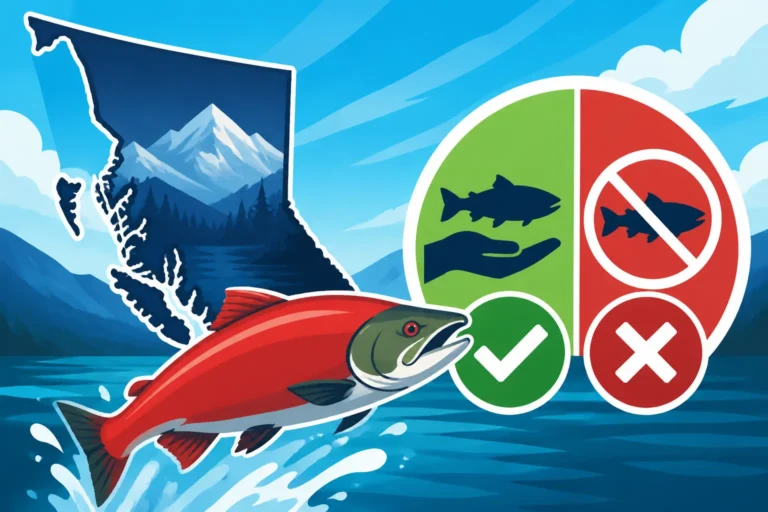
The most well-known is the BC Salmon Conservation Stamp, which is required if you intend to retain any species of salmon (Chinook, Coho, Sockeye, Pink, or Chum) caught in tidal waters. This isn't just an optional extra; if you plan to keep a salmon, you absolutely need this stamp in addition to your Tidal Waters Fishing License. The funds from this stamp go directly towards Pacific salmon conservation and restoration programs, which are vital given the pressures on these iconic fish populations. You can delve deeper into these rules by reading "BC Salmon Conservation Stamp Rules".
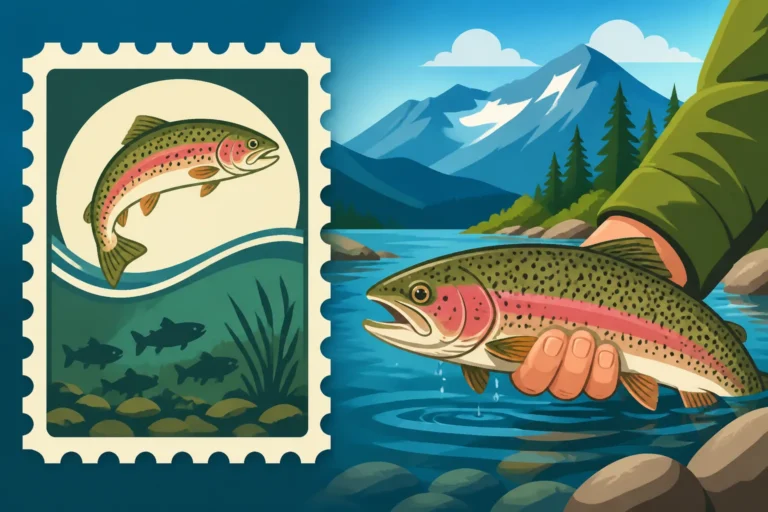
Similarly, there are sometimes specific conservation stamps or surcharges for other species, such as Steelhead in freshwater systems or potentially for particular trout species in certain regions. For example, if you're targeting Steelhead in designated waters and wish to retain one (where permitted), you might need a Steelhead Conservation Surcharge Stamp on top of your Freshwater Fishing License. These stamps ensure that anglers who impact these specific populations are directly contributing to their long-term survival. Always check the current regulations carefully before your trip to ensure you have all the necessary stamps.
Who Needs a License and Who Gets a Break?
It’s easy to assume that everyone who casts a line in BC needs a license, but there are actually some age-based exemptions and special considerations that can save certain anglers some money or simplify the process. Understanding these can prevent unnecessary purchases or, conversely, ensure that you’re not caught fishing illegally by mistake.
Age Requirements and Exemptions
The question of "Do kids need a fishing license in BC?" is a common one, and thankfully, the answer often brings a sigh of relief to parents! Generally speaking, children and youth below a certain age are exempt from needing a freshwater fishing license in British Columbia. For freshwater, typically, anglers under the age of 16 do not require a provincial Freshwater Fishing License. This is a wonderful initiative aimed at encouraging young people to get into the sport without the barrier of cost or paperwork. It means families can introduce their children to the joys of fishing without an extra financial burden.
However, it's crucial to remember that even if they don't need a license, young anglers must still adhere to all the other fishing regulations, including daily catch limits, possession limits, and any specific gear or bait restrictions for the waters they are fishing. Their catch limits are usually included as part of the adult supervising angler's limit, or they might have their own specific youth limits. Always double-check the current BC Freshwater Fishing Regulations Synopsis for the most up-to-date age exemptions and associated rules. For tidal waters, the rules can be a bit different, often requiring youth to register for a free license even if they don't pay a fee. Our article "BC Youth Fishing License Exemption Under 16" offers more specific details.
Special Considerations Seniors and Indigenous Anglers
British Columbia also extends specific considerations to certain groups, recognizing their contributions or unique circumstances. Seniors, for example, often receive a discount on their fishing licenses. In BC, residents aged 65 and older can typically avail themselves of reduced fees for their freshwater fishing license. This is a small token of appreciation for a lifetime of contributions and allows our experienced anglers to continue enjoying the province's waters in their golden years. To access these rates, seniors will need to prove their age and BC residency, usually with a valid BC Services Card or driver's license. Details on this can be found in "BC Senior Fishing License Discount at 65".
Indigenous peoples in British Columbia also have specific rights regarding fishing, often rooted in Aboriginal and treaty rights. These rights are distinct from those of general recreational anglers and are recognized under Canadian law. While specific details can vary by nation and treaty, in general, First Nations individuals exercising their Aboriginal or treaty rights to fish for food, social, or ceremonial purposes may not require a provincial or federal recreational fishing license. It's a complex area, and Indigenous anglers should consult their band office or local DFO/provincial fisheries office for clarification on their specific rights and any associated regulations or reporting requirements.
Combination Licenses and Other Unique Situations
Sometimes, your outdoor adventures extend beyond just fishing, or you find yourself in a specific situation that offers unique licensing options. For instance, BC offers combination hunting and fishing licenses. If you're an avid outdoors person who enjoys both pursuits, purchasing a combined license might offer convenience and potentially some cost savings compared to buying separate annual licenses for each activity. These licenses are generally aimed at residents and streamline the administrative process for those engaged in multiple outdoor sports.
Another unique situation might arise if you are a student living in BC but are originally from another province. Depending on the length of your stay and enrollment, you might still qualify for resident rates for your fishing license, provided you meet certain residency criteria. This is important for students attending universities like the University of British Columbia or Simon Fraser University who want to enjoy the local fisheries. Always check the most current regulations or contact the BC government's fishing license support if you have a unique residency or multi-sport scenario to ensure you select the correct and most advantageous license type.
The Step-by-Step Process: Where and How to Buy Your License
So, you've figured out what kind of license and stamps you need. Great! Now comes the practical part: actually getting your hands on them. Thankfully, purchasing a BC fishing license in 2026 is a relatively straightforward process, with both online and in-person options available to suit everyone's preferences.
Purchasing Online The Easiest Route for Most
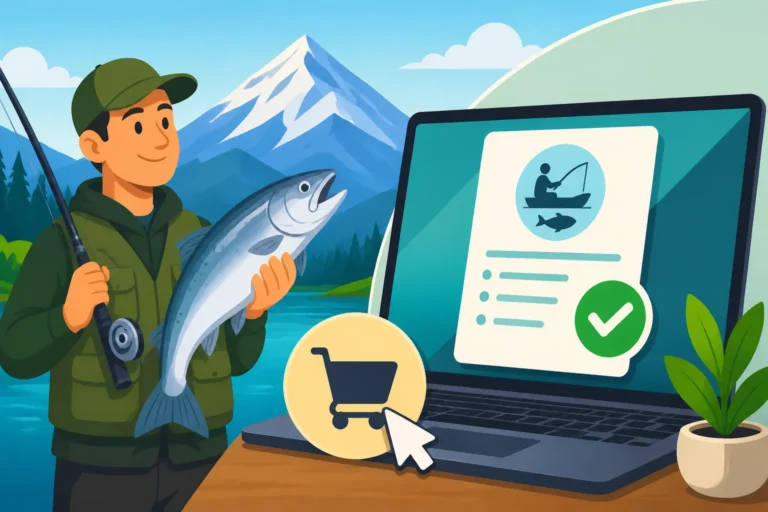
For the vast majority of anglers, especially those comfortable with technology, buying your BC fishing license online is by far the easiest and most convenient option. Both the provincial Freshwater Fishing License and the federal Tidal Waters Sport Fishing License (along with their respective conservation stamps) can be purchased through their dedicated online portals. For freshwater licenses, you'll typically visit the BC government's angling licensing website. For tidal waters, it's the Fisheries and Oceans Canada (DFO) National Recreational Licensing System.
The online process is usually quite intuitive. You'll create an account (if you don't already have one), select the type of license you need (annual, 1-day, etc.), add any necessary conservation stamps, and then proceed to payment using a credit card. Once purchased, you'll receive a digital copy of your license via email. This can usually be printed out or saved to your smartphone, making it incredibly convenient. This digital option also means you can often buy your license right before you head out to the water, which is a lifesaver if you suddenly decide to go fishing on a whim. Our guide "How to Buy a BC Fishing License Online" provides a detailed walkthrough.
In-Person Vendors When You Prefer a Local Touch
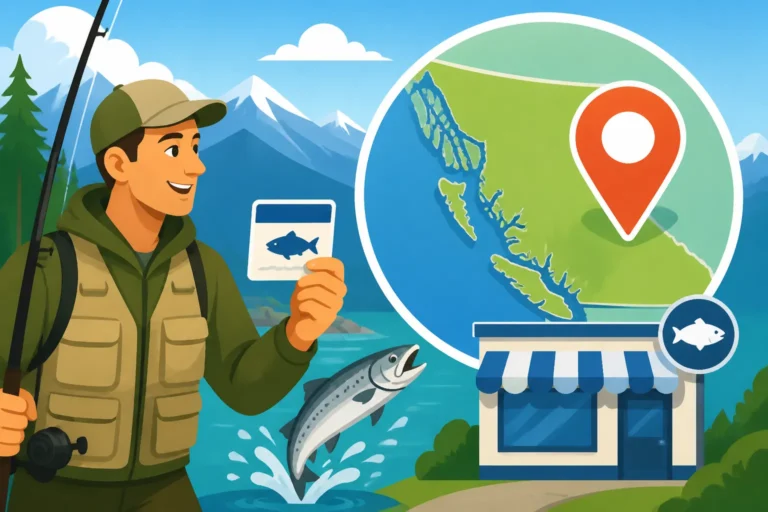
While online purchasing has become the norm, many anglers still prefer the personal touch of buying their license in person. Perhaps you're not tech-savvy, or you just like the ritual of visiting your local tackle shop before a big trip. The good news is that both provincial freshwater and federal tidal waters fishing licenses can be purchased from authorized vendors across British Columbia. These vendors include many independent tackle shops, sporting goods stores like Canadian Tire, and some larger retailers.
Visiting a physical vendor offers a couple of advantages. Firstly, if you have any questions about the different license types or conservation stamps, the staff are usually knowledgeable and can guide you through the process, ensuring you get exactly what you need. Secondly, it's a great opportunity to grab any last-minute bait, tackle, or local tips for the area you're heading to. Just remember that not all vendors sell both freshwater and tidal licenses, so it's a good idea to call ahead if you need a specific type. It’s always best to support your local fishing shops anyway, so this is a great way to do both. You can find a list of authorized locations in our article "Where and How to Buy a BC Fishing License".
What You'll Need to Provide Documents and Info
Regardless of whether you purchase your license online or in person, you'll need to have certain information and potentially some documents ready. The exact requirements can vary slightly depending on your residency status.
For BC Residents:
- Proof of Residency: Typically, a valid BC Driver's License or a BC Services Card is sufficient. You'll need the identifying number from one of these.
- Personal Information: Your full legal name, date of birth, address, and contact information.
For Non-Resident Canadians:
- Proof of Identity: A valid driver's license from your home province or another government-issued ID.
- Personal Information: Your full legal name, date of birth, address, and contact information.
For Non-Resident Non-Canadians (International Visitors):
- Proof of Identity: Your passport or other valid government-issued photo identification.
- Personal Information: Your full legal name, date of birth, address, and contact information.
It’s always a good idea to have this information readily available to ensure a smooth purchase process. For online purchases, make sure you enter all details accurately, as errors can invalidate your license or cause issues if you're ever checked by a conservation officer. Double-checking everything before you click "purchase" can save a lot of headaches later on.
Beyond the Purchase: Carrying, Displaying, and Understanding Your License
Getting your license is a big step, but it’s not the end of the story. There are important rules about how you carry and display your license, how long it’s valid for, and specific details printed on it that you really need to pay attention to. Overlooking these aspects can still lead to trouble, even if you’ve technically purchased the correct permit.
Digital vs. Paper What's Acceptable on the Water
In today's digital age, many of us prefer to have everything on our smartphones. The good news is that for both provincial freshwater and federal tidal waters fishing licenses, a digital copy displayed on your smartphone or tablet is generally accepted. This means you don't necessarily need to carry a physical paper copy, which is a relief for those of us who tend to forget or damage paper documents in the field.
However, there's a crucial caveat: your digital device must be fully charged and capable of displaying your license clearly when requested by a conservation officer or fishery officer. If your phone dies, or if you're in an area with no signal and can't access your email or a stored PDF, you could be considered to be fishing without a license. It’s a good practice to take a screenshot of your license and save it directly to your phone's photo gallery, or better yet, print a physical copy and keep it in a waterproof bag in your tackle box or vest. Having both a digital and a physical backup is the safest bet for any angler. Our article "Printing or Carrying a Digital Fishing License in BC" goes into more detail about best practices.
Understanding License Validity and Expiration Dates
A fishing license isn't a one-and-done purchase that lasts forever. Every license has a specific validity period, and it's absolutely critical that you understand and respect these dates. Most annual BC freshwater licenses run from April 1st of one year to March 31st of the next. Federal tidal waters licenses also typically follow an April 1st to March 31st annual cycle. However, if you purchase a 1-day, 3-day, 5-day, 8-day, or 15-day license, its validity is limited to that specific period from the date of purchase or the chosen start date.
Fishing with an expired license is the same as fishing without one, and it carries the same penalties. It's easy to forget if you only fish once or twice a year, or if your fishing season extends across the annual renewal date. Before every single fishing trip, take a moment to double-check the expiration date on your license. Set a reminder on your phone, mark it on your calendar, or even put a sticky note on your fishing gear. This simple habit can save you a lot of grief and ensure your angling adventures are always within legal bounds.
Crucial Information on Your License You Need to Know
Your fishing license isn't just a permit; it's also a vital document that contains important information about you and your fishing privileges. Beyond your name and license type, you'll find your unique license number. This number is your official identifier in the system and is often required if you need to report a catch (like for certain large species or specific areas) or interact with fisheries authorities.
Additionally, your license will list any specific conservation stamps you’ve purchased. For example, your Tidal Waters Fishing License will clearly indicate if you have purchased the BC Salmon Conservation Stamp. This is how officers quickly verify your eligibility to retain certain species. Make sure all the personal information on your license—your name, address, and date of birth—is accurate and matches your identification. Any discrepancies could cause issues during an inspection. Treating your license as a serious legal document and understanding all its details is part of being a responsible angler in British Columbia.
Common Pitfalls and How to Avoid Them
Even with the best intentions, anglers can sometimes fall afoul of the regulations, often due to a simple misunderstanding or oversight. These pitfalls can range from minor inconveniences to significant legal trouble. Being aware of these common mistakes is your first line of defense in avoiding them.
Fishing Without a License The Steep Consequences
This is perhaps the most obvious, yet surprisingly common, mistake. Whether it's a genuine oversight, confusion about age exemptions, or a deliberate attempt to cut corners, fishing without a valid license in British Columbia is a serious offense. Conservation officers and fishery officers patrol our waters, and they are well within their rights to ask for your license at any time.
The penalties for fishing without a license can be steep. You could face significant fines, confiscation of your fishing gear (including rods, reels, and even your boat in severe cases), and potentially a ban from fishing for a certain period. For repeat offenders or those involved in more egregious violations, the consequences can be even more severe. It's simply not worth the risk. The cost of a license is minimal compared to the fines and embarrassment of being caught. Always, always ensure you have a current, valid license before you cast your first line. Our article, "Fishing Without a License in BC: Penalties", details these consequences further.
Misinterpreting Regulations A Costly Mistake
Beyond just having the right license, understanding and adhering to the specific fishing regulations for the waters you're in is equally critical. This is where many anglers, even experienced ones, can stumble. Regulations cover everything from daily bag and possession limits for various species, minimum and maximum size limits, open and closed seasons, specific gear restrictions (e.g., single barbless hooks only), and even area-specific closures.
Misinterpreting these rules, whether it's mistakenly keeping too many fish, fishing in a closed area, or using illegal bait, can lead to fines and penalties. For example, fishing for salmon in the Fraser River during a specific Sockeye closure window, even if you have a tidal license, would be a violation. These regulations are designed to protect fish stocks and ensure sustainable fishing, so ignorance is generally not accepted as an excuse. Always consult the official BC Freshwater Fishing Regulations Synopsis or the DFO Pacific Region Recreational Fishing Guide before your trip, and double-check any specific fishery notices for in-season changes. Being proactive about understanding the rules can save you from a very costly mistake. Our guide on "BC Fishing Regulations Explained" is a great starting point.
Lost or Damaged Licenses What to Do
Life happens. Sometimes a gust of wind snatches your paper license, your phone takes an unexpected swim, or your printed license simply gets shredded in your tackle bag. If your license is lost, damaged, or stolen, don't panic, but also don't continue fishing without it. You need to obtain a replacement or at least ensure you can display a valid copy.
For licenses purchased online, you can usually log back into the online system where you bought it and re-print or re-download your digital copy. This is another major benefit of the online system. For licenses purchased in person, you might need to revisit the vendor or contact the provincial/federal licensing body directly. There might be a small fee for a replacement, but it's a small price to pay compared to a fine. The key is to address the issue immediately. If you realize your license is compromised while you're already out fishing, stop fishing until you can secure a valid, legible copy. Always err on the side of caution. For more information, you can refer to "BC Fishing License Refund and Replacement Policy".
Staying Updated: Where to Find the Latest Regulations
British Columbia’s fisheries are dynamic, influenced by everything from weather patterns and water levels to conservation concerns and scientific assessments. This means that regulations aren't static; they can and do change, sometimes even in the middle of a fishing season. Staying informed is paramount for any responsible angler.
The Importance of the BC Freshwater Fishing Regulations Synopsis
Consider the BC Freshwater Fishing Regulations Synopsis your angling bible. This comprehensive document is published annually by the provincial government and outlines all the rules and regulations for freshwater fishing across British Columbia. It details general provincial regulations, then breaks down specific regulations for each region, often lake by lake and river by river. This includes general license requirements, gear restrictions, bait restrictions, daily quotas, possession limits, and special closures.
You absolutely need to consult the most current version of the Synopsis before every freshwater fishing trip, even if you’re fishing a familiar spot. Regulations can change from year to year, or even in-season, so relying on memory or outdated information is a recipe for trouble. The Synopsis is available online as a downloadable PDF, and printed copies are often available at fishing license vendors. It's often updated with a new version around April 1st each year. Taking the time to read the relevant sections will ensure you're compliant with all the rules. For more guidance, check out our article, "Reading the BC Freshwater Fishing Regulations Synopsis".
Fishery Notices and In-Season Changes
While the annual Synopsis covers the broad stroke of regulations, the DFO (for tidal waters) and the BC government (for freshwater) frequently issue "Fishery Notices" or "In-Season Closures" that can supersede the printed regulations. These notices are typically issued to address immediate conservation concerns, unexpected fish returns, or environmental factors. For example, a major heatwave might lead to temporary closures on specific rivers to protect vulnerable salmon or steelhead, or a surprisingly strong salmon run might result in increased quotas for a limited time.
These in-season changes are critical and can drastically alter what you can and cannot do on the water. They are usually posted on the DFO website (for tidal) and the BC government fishing website (for freshwater). It is your responsibility as an angler to check these notices regularly, especially immediately before and during your trip. Many experienced anglers subscribe to email updates from DFO or routinely check the websites. Missing a fishery notice could lead to an unintentional, but still punishable, violation. Always make sure to check "BC Fishery Notices and In-Season Closures, Explained" before heading out.
Government Resources and Local Support
Beyond the official documents, there are other valuable resources to help you stay informed. The BC government's angling website and the DFO's recreational fishing section are treasure troves of information, often featuring FAQs, maps, and direct contact information for inquiries. Don't hesitate to reach out to them if you have a complex question that isn't clearly answered in the regulations.
Furthermore, local fishing tackle shops and charter operators are often excellent sources of real-time, localized information. They deal with these regulations every day and often have a keen understanding of current conditions and any recent changes. While their advice should always be cross-referenced with official sources, they can provide invaluable insights, especially regarding specific nuances of local waters. Reputable fishing guides, like those found through various guide services across the province, are also experts in navigating the regulations for their specific areas of operation. Remember, the goal is always to fish legally, ethically, and safely, contributing to the health of BC's incredible fisheries.
Disclaimer
The information provided in this guide is for general informational purposes only and is based on typical British Columbia fishing license requirements and regulations, including projections for 2026 where applicable. Regulations are subject to change by provincial and federal authorities at any time. It is the individual angler's sole responsibility to consult and adhere to the most current official BC Freshwater Fishing Regulations Synopsis and Fisheries and Oceans Canada (DFO) Pacific Region Recreational Fishing Guide and any in-season fishery notices before engaging in any fishing activity. Always verify specific rules, costs, and requirements at the time of purchase and before each fishing trip.