How baitfish schools affect BC salmon fishing
British Columbia salmon fishing success depends on baitfish school movements, tidal currents, and key prey species like herring.
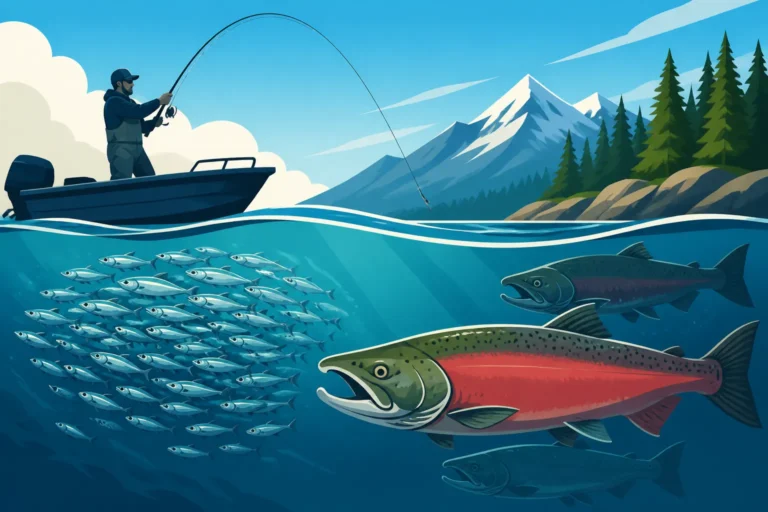
British Columbia salmon fishing success depends on baitfish school movements, tidal currents, and key prey species like herring.
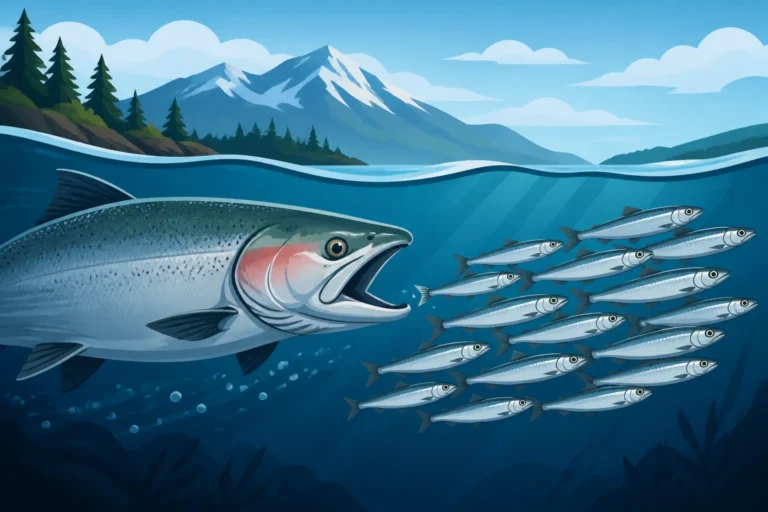
Pacific herring biology and Vancouver Island spawning habits explain why British Columbia salmon target these fish for food.
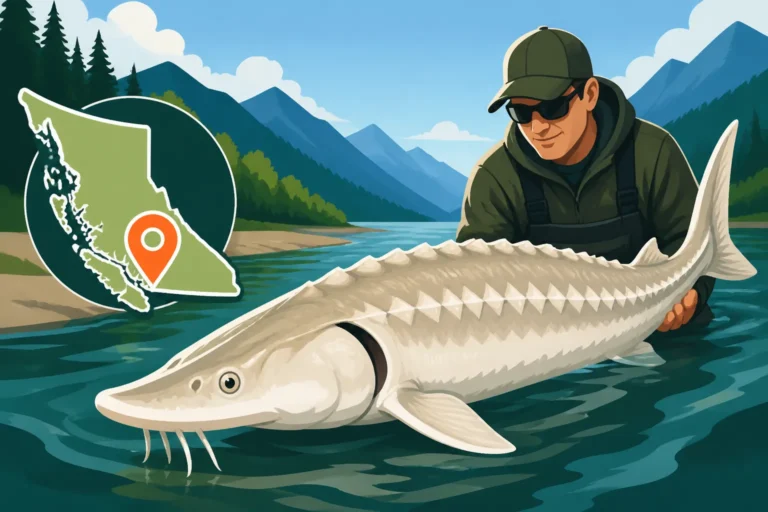
Fraser River white sturgeon habitats, food sources, and environmental factors explain where these ancient fish reach record-breaking sizes.
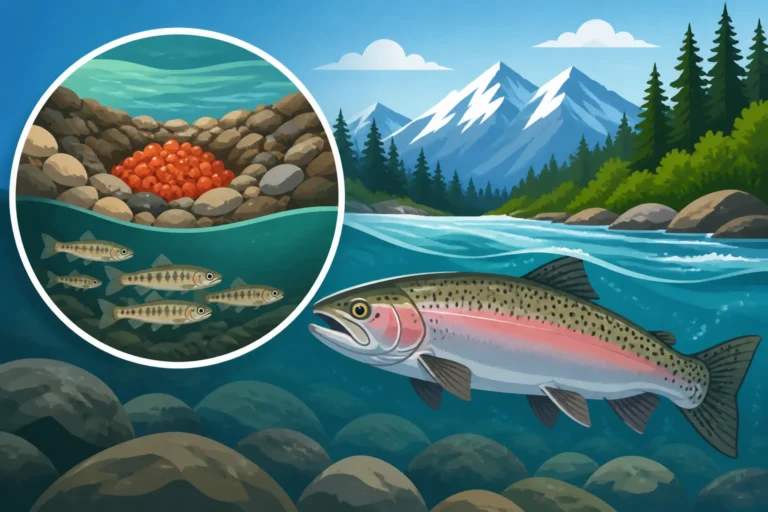
Steelhead reproduction in British Columbia rivers explains how wild and hatchery fish spawn, creating the next generation.
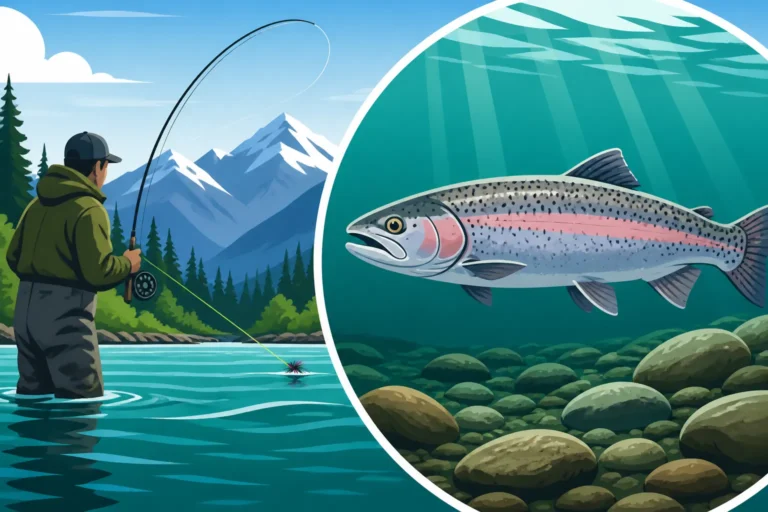
Holdover steelhead are sexually mature fish delaying spawning in British Columbia rivers, waiting for favorable environmental conditions.
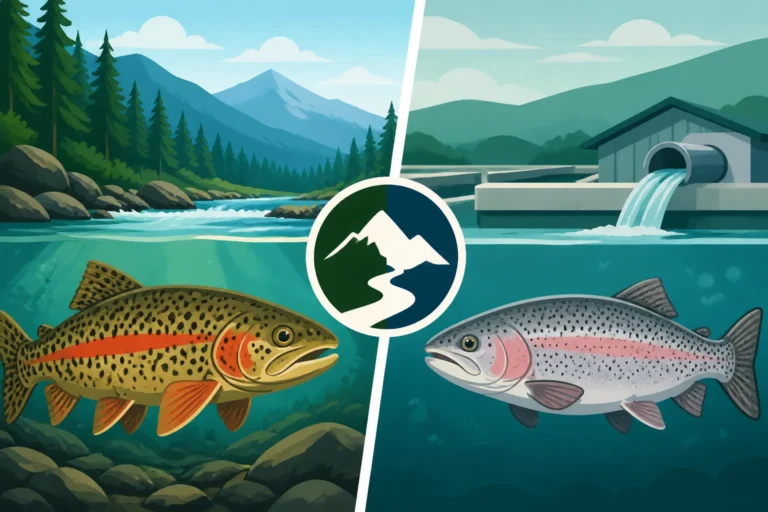
British Columbia anglers can learn how to identify wild and stocked trout by examining fin condition, coloration, and body shape.
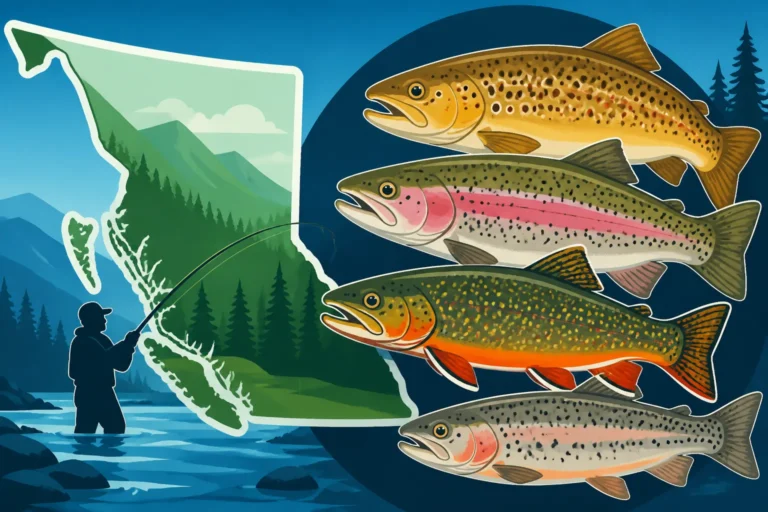
British Columbia trout species and char varieties, both native and introduced, are explained with their complex biological differences.
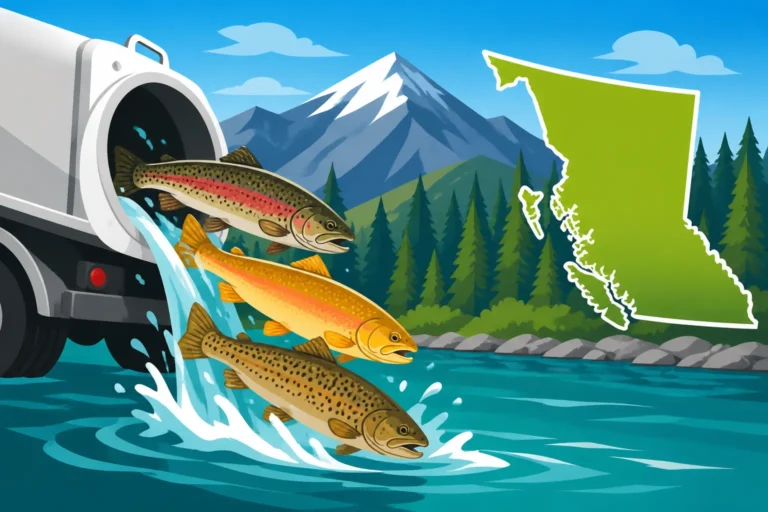
Non-native trout stocking in British Columbia lakes provides accessible recreational fishing and protects sensitive wild populations.
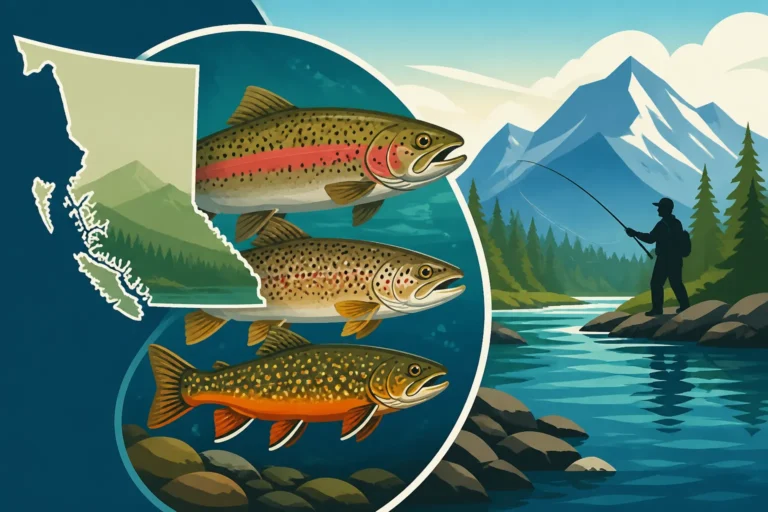
British Columbia native trout species, including rainbow, Kamloops, Gerrard, and cutthroat, explained with identification and characteristics.
The rainbow trout serves as the official provincial fish of British Columbia, embodying local angling culture and natural diversity.