BC kokanee retention without a salmon stamp
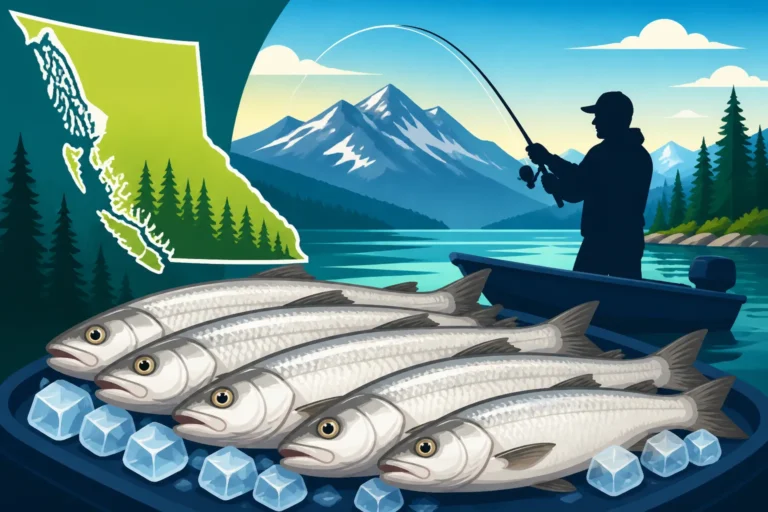
It can feel like navigating a legal jungle sometimes, can't it? You’re out on a beautiful BC lake, the kokanee are biting, and suddenly that nagging thought pops into your head: "Do I really need a salmon stamp for these little guys?" The regulations around British Columbia fishing can be incredibly confusing, especially when it comes to distinguishing between different salmonid species and understanding what stamps apply to what. This guide is here to clear up that specific headache, ensuring you can confidently retain your kokanee catch without any unnecessary worry or an unexpected run-in with a fishery officer.
Understanding Kokanee and Their Unique Status in BC Fishing
The world of salmonids in British Columbia is diverse and fascinating, but it's also the source of much confusion for anglers. When you hear "salmon," your mind naturally jumps to those majestic ocean-going fish, and with them, the requirement for a salmon conservation stamp. But kokanee, while technically a salmon species, march to the beat of a different drum when it comes to licensing.
What Exactly are Kokanee?
Let’s get to the heart of the matter: what are kokanee, really? Kokanee are essentially landlocked sockeye salmon. Imagine a sockeye salmon that, instead of migrating out to the Pacific Ocean, decided it was perfectly happy living its entire life cycle within the freshwater lakes of British Columbia. That’s a kokanee! They’re native to many of our provincial lakes and are incredibly popular sport fish, known for their bright red flesh and feisty fights on light tackle.
They typically grow smaller than their ocean-going relatives, usually ranging from 8 to 16 inches, though some trophy kokanee can surprise you. Like sockeye, their diet primarily consists of zooplankton, which gives their flesh its distinctive orange-red hue. When they reach maturity, they’ll undergo a similar transformation to ocean salmon, changing colour to a vibrant red, and developing a hooked jaw (kype) in males, before spawning and dying in the rivers and streams connected to their home lakes. This unique life cycle, entirely within freshwater, is the key to understanding why their licensing requirements differ. They don't engage in the vast ocean migrations that define Pacific salmon and therefore aren't subject to the same conservation management regimes that require specific stamps.
Why the Confusion About Salmon Stamps?
The confusion is completely understandable. The term "salmon" is broad, and when you see specific rules about "salmon conservation stamps," it’s natural to assume it applies to all fish that fall under the salmonidae family, or even all fish with "salmon" in their name. This misunderstanding stems from a few factors. Firstly, the overall complexity of BC's fishing regulations can be daunting. With different rules for freshwater, tidal waters, specific species, and geographical areas, it's a lot for any angler to keep straight. Secondly, the primary purpose of the Salmon Conservation Stamp is indeed to fund Pacific salmon conservation efforts, which often focus on the anadromous (sea-run) species like Chinook, Coho, Sockeye, Pink, and Chum salmon. These are the species whose populations face significant challenges from habitat loss, climate change, and fishing pressure across vast ocean and river systems.
Kokanee, however, live out their entire lives in freshwater lakes, making them part of the freshwater sport fishery management framework. While they are a salmon species biologically, their management and conservation needs are different from those of ocean-going salmon. Historically, their populations have been more stable in many lakes, and they are often part of specific lake stocking programs. Therefore, the provincial government has determined that the general Freshwater Fishing Licence is sufficient for their management and retention, without the additional layer of a salmon stamp. It’s a subtle but crucial distinction that often trips up even experienced anglers.
The Core Rule: Kokanee Retention Without a Salmon Stamp
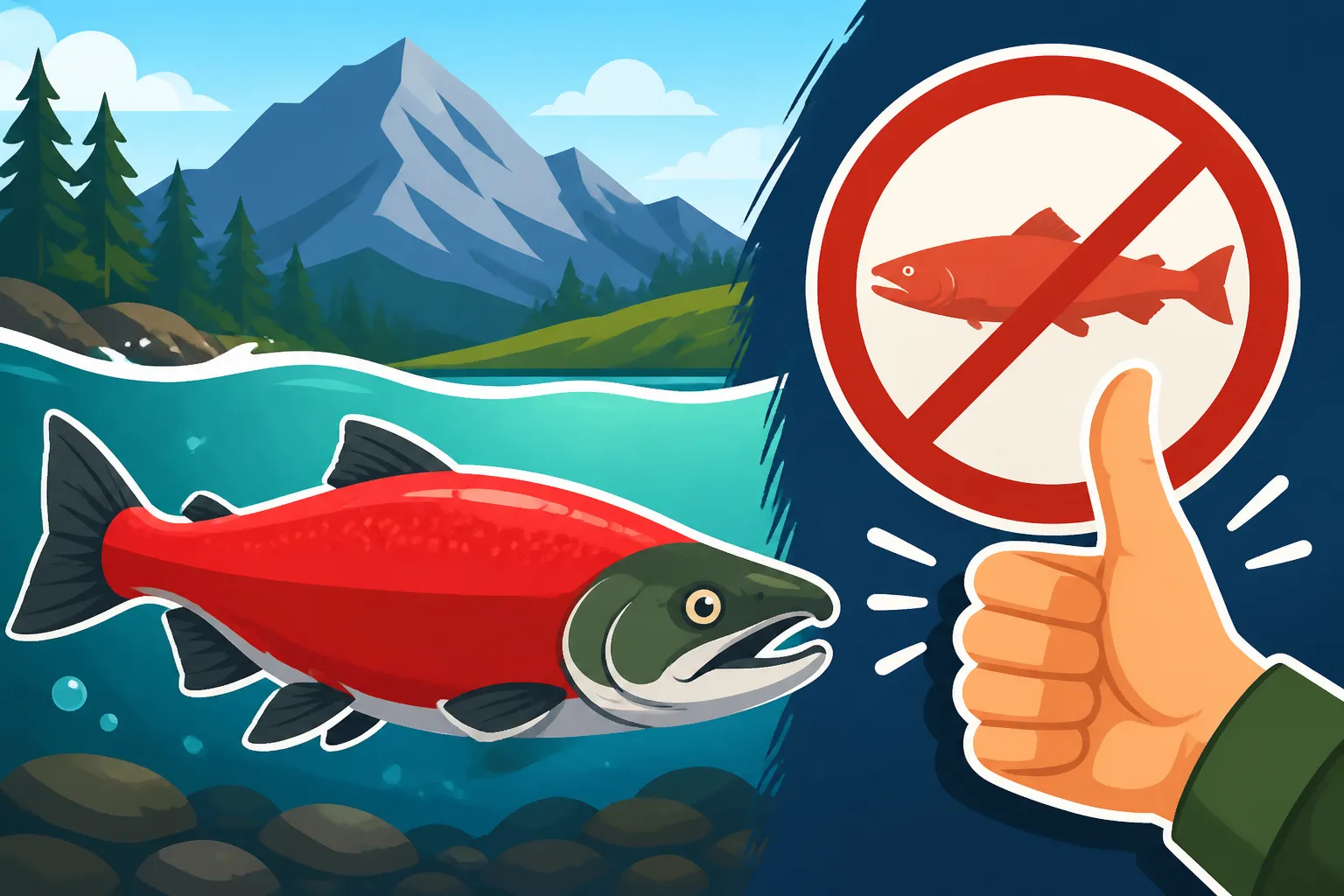
Let’s cut right to the chase and put your mind at ease. For the vast majority of kokanee fishing opportunities across British Columbia, you absolutely do not need a separate salmon conservation stamp. This is one of those wonderfully simple truths in a sea of complex regulations.
Freshwater Fishing Licence is Key
The fundamental requirement for fishing kokanee in British Columbia is a valid BC Freshwater vs Tidal Waters License, Explained. This license is your all-access pass to most freshwater fishing in the province, including angling for kokanee, rainbow trout, brook trout, bass, and many other species found in our lakes, rivers, and streams. You need to ensure your license is current and that you carry a physical or digital copy with you whenever you are fishing.
Purchasing your Freshwater Fishing Licence is a straightforward process. You can buy it conveniently online through the BC government's Angler, Hunter and Trapper (AHT) licensing system. Many local sporting goods stores, tackle shops, and some general stores also act as vendors if you prefer an in-person transaction. For detailed instructions, you might want to check out our comprehensive guide on Where and How to Buy a BC Fishing License. Remember that there are different license types for residents, non-residents of Canada, and even different durations (annual, 1-day, 8-day), so make sure you pick the one that fits your situation. Even if you're a young angler, it's worth understanding the BC Fishing License Age Requirements to ensure you're covered, or if you qualify for an exemption.
Specifics on Salmon Conservation Stamps
So, if you don't need a salmon stamp for kokanee, what is it for? A Salmon Conservation Stamp is an additional requirement for anglers who wish to retain Pacific salmon (Chinook, Coho, Sockeye, Pink, Chum) caught in tidal waters or, in some very specific cases, those caught in designated freshwater salmon retention areas. The funds collected from these stamps go directly towards salmon enhancement, habitat restoration, and conservation initiatives vital for the long-term health of these iconic species.
Therefore, if your fishing trip involves targeting Chinook in the Georgia Strait, or aiming to keep a Sockeye from the Fraser River during a permitted opening, then yes, you absolutely need that stamp. But for kokanee, which complete their entire lifecycle within freshwater lakes, the salmon stamp simply doesn’t apply. The key takeaway here is that while kokanee are indeed a species of salmon, they are managed under freshwater regulations, not the specific conservation rules designed for anadromous Pacific salmon populations. For a deeper dive into these rules, you can refer to our article on BC Salmon Conservation Stamp Rules and BC Freshwater Salmon Retention Rules. These resources clarify when and why these stamps are necessary, further highlighting the distinction for kokanee.
When a Salmon Stamp Might Seem Relevant (But Isn't for Kokanee)
It's easy to get tangled up in the specifics, especially when you're fishing in a diverse ecosystem. Let's consider a common scenario: you're on a lake, say Kootenay Lake, which is famous for its large Gerrard rainbow trout, but also holds kokanee. You might even catch a juvenile Bull Trout or Dolly Varden. All these species are salmonids, and some might even superficially resemble a small salmon. This is where identification becomes crucial.
If you happen to catch a small fish that you think might be a juvenile salmon, but you're targeting kokanee, it's important to be able to tell the difference. Juvenile Chinook or Coho, for instance, have different parr marks and fin ray counts than kokanee or rainbow trout. While these types of juvenile ocean-going salmon are rarely found in purely landlocked kokanee lakes, it’s not unheard of for rivers connected to the ocean to host both. In most of the specific lakes renowned for kokanee fishing, like those in the Okanagan Valley, you are highly unlikely to encounter a juvenile Pacific salmon that would require a stamp. You're far more likely to catch a rainbow trout or another resident species. So, while the idea of a "salmon" stamp might make you second-guess, rest assured that if it's a true kokanee, that stamp isn't required. Always be sure of your identification, and when in doubt, release the fish unharmed.
Navigating Daily Limits and Special Regulations for Kokanee
While the salmon stamp isn't a concern for kokanee, it's crucial to remember that all fishing in British Columbia is subject to daily quotas, size restrictions, and sometimes even gear limitations. These regulations are in place to ensure sustainable fishing for everyone and to protect fish populations.
Provincial Daily Quotas
British Columbia has general provincial daily quotas for various species, and kokanee are no exception. These limits dictate how many fish of a particular species you can keep in a single day. For kokanee, these limits are often quite generous compared to some other species, reflecting their typically robust populations and shorter life cycles. For example, in many lakes, the daily limit for kokanee can be 10 or even 20 fish per person. This allows anglers to have a rewarding day on the water and bring home a good feed.
However, "general" doesn't mean "universal." It’s absolutely vital to understand that these provincial guidelines can, and often do, have exceptions. You can never assume the general rule applies to the specific body of water you're fishing. Before heading out, always consult the Reading the BC Freshwater Fishing Regulations Synopsis. This is your bible for BC freshwater fishing, detailing all the regional and lake-specific rules. The synopsis is updated annually and is available online. You can even grab a copy from various tackle shops. Ignoring this critical step could lead to fines, even if you had the best intentions. It’s a small effort that saves a lot of potential grief.
Lake-Specific and Seasonal Rules
This is where things can get a bit more nuanced. While many lakes share similar kokanee regulations, some specific waters have unique rules due to their particular ecosystems, conservation status, or unique fish populations. Take, for instance, Okanagan Lake Kokanee Fishing. While a popular spot, certain parts of the lake or certain times of year might have slightly adjusted limits or even specific closures to protect spawning kokanee populations. Similarly, Kootenay Lake, famous for its trophy Gerrard rainbow trout, also has strong kokanee populations, and their management might involve different daily limits or size restrictions compared to a smaller, more remote lake.
Sometimes, rules might change seasonally. For example, during peak kokanee spawning periods (often late summer to fall), certain tributary streams where kokanee congregate to spawn might be closed to fishing entirely to allow them to reproduce undisturbed. Or, a specific lake might have a reduced daily limit for a few years if biologists determine a temporary dip in population. These adjustments are usually well-communicated through the annual synopsis and, importantly, via BC Fishery Notices and In-Season Closures, Explained. Fishery notices are critical because they announce any changes that occur after the annual synopsis is printed, which can include emergency closures or sudden regulation shifts due to environmental factors or unexpected fish returns. Always check these notices immediately before your trip!
Here’s a quick overview of potential kokanee regulations you might encounter:
| Regulation Type | Common Application | What to Check For |
|---|---|---|
| Daily Quota | Most lakes: 10-20 fish/day | Specific lake sections, recent changes in Fishery Notices, BC Bag and Possession Limits by Species |
| Size Limit | Less common for kokanee, but can exist | Minimum/maximum lengths for retention |
| Gear Restrictions | Specific lakes/rivers: Single barbless, no bait | Method of fishing permitted (e.g., fly-fishing only, lure restrictions) |
| Time/Season | Spawning closures, specific opening/closing dates | Seasonal access restrictions, tributary closures |
Gear Restrictions and Best Practices
While kokanee themselves don't typically have highly restrictive gear rules, it's worth noting that many freshwater bodies in BC have general gear regulations that could impact how you target them. For example, some streams or even entire lakes might be designated as "fly-fishing only" or require "single barbless hooks." These rules are usually in place to protect sensitive fish populations or promote catch-and-release.
For kokanee, which are often caught trolling with small spoons, dodgers, and wedding rings, or jigging, these rules are less likely to be a direct issue in larger lakes. However, if you venture into smaller streams connected to kokanee lakes, always double-check. Using ethical angling practices is also paramount. This includes proper fish handling, especially if you plan to release some fish or if you accidentally catch a non-target species. Keep fish in the water as much as possible, use wet hands, and use appropriate tools for quick and clean hook removal. Responsible angling ensures that kokanee populations remain healthy for future generations of anglers.
Practical Advice for Kokanee Anglers in BC
Now that we’ve cleared up the salmon stamp mystery and covered the essential regulations, let’s talk about making your kokanee fishing trip a success. Knowing the rules is one thing; putting it all into practice is another!
Essential Gear for Kokanee Success
Kokanee are fantastic sport fish, and the right gear can make all the difference. Since they don't typically grow to massive sizes, a lighter tackle setup is usually ideal.
- Rods and Reels: A light to medium-light action spinning rod or trolling rod (6-8 feet) paired with a small spinning reel spooled with 6-8 lb monofilament or fluorocarbon line is perfect. The lighter setup allows you to feel those subtle kokanee bites and enjoy the fight.
- Lures and Baits: Kokanee love bright, flashy, and small presentations. Common lures include small spoons (like Gibbs Delta's Croc spoons or Lucky Craft Pointer minnows), wedding rings, spinners (such as a small Blue Fox Vibrax), and even tiny hootchies or squids behind a dodger or flasher. Tipping your lure with a kernel of shoepeg corn, often soaked in scent, can significantly increase your hook-up rate. You can find a fantastic selection of these specialized kokanee lures and accessories on Amazon, making it easy to stock up before your next trip.
- Downriggers or Lead Core: Since kokanee often suspend in schools in deeper water, particularly during warmer months, getting your presentation down to their feeding depth is key. Downriggers are the most effective method, allowing precise depth control. For those without downriggers, lead core line or trolling weights can also get the job done, though with less precision. Many seasoned kokanee anglers swear by a good fish finder to locate schools before deploying their lines.
- Other Essentials: Don't forget a landing net with soft, knotless mesh to protect the fish, a cooler with ice for your kept catch, and a pair of pliers or forceps for easy hook removal. A good selection of swivels, snap swivels, and extra leaders is also handy. You'll find a wide variety of these practical items, from leaders to high-quality braided lines, available on Amazon at competitive prices.
For more in-depth advice on what to use, check out guides like Best Kokanee Trolling Techniques for Okanagan Lake which delve into specific gear and strategies for different lake conditions.
Always Check Fishery Notices
I cannot stress this enough: always, always check the BC Fishery Notices and In-Season Closures, Explained before you head out. Even if you're fishing a lake you visit regularly and know like the back of your hand, regulations can change overnight. A sudden decline in a specific stock, an unexpected environmental factor, or even a local event can trigger an in-season closure, a reduction in limits, or a new gear restriction.
These notices are the most up-to-date source of information and supersede anything printed in the annual synopsis. You can usually find them on the Fisheries and Oceans Canada (DFO) website for tidal waters, and the BC government's freshwater fishing website. Making it a habit to quickly review these notices right before you leave will save you from potential fines, frustration, and inadvertently impacting conservation efforts. Imagine planning a whole weekend trip, only to arrive and find out the lake has a temporary kokanee closure! A quick check could prevent that disappointment.
Identifying Your Catch Accurately
Knowing what you’ve caught is probably the most critical skill for any angler. This isn't just about adhering to the salmon stamp rules, but also about staying within daily limits for different species, respecting size restrictions, and handling protected species appropriately. While most kokanee are easily identifiable by their smaller size, lack of prominent teeth, and often silver-sided appearance (before spawning), it’s important to be able to distinguish them from juvenile trout or even, in rare cases, other small salmon.
For instance, a small rainbow trout might be mistaken for a kokanee, but rainbows typically have black spots on their tail fin, which kokanee usually lack (though there can be some exceptions). Juvenile coho and chinook, if present in a system, will have distinct parr marks (vertical bars on their sides) and different fin characteristics. If you’re ever unsure about a fish you've caught, especially if it’s undersized or looks different, the safest bet is always to release it gently and unharmed. There are many excellent online resources and field guides available, some of which you can even find on Amazon, that can help you hone your fish identification skills. Being confident in what you're holding is a mark of a truly knowledgeable and responsible angler.
Disclaimer
The information provided in this article is for general guidance only and is based on current understanding of British Columbia fishing regulations. Fishing regulations are subject to change at any time. It is the angler's sole responsibility to consult the most recent British Columbia Freshwater Fishing Regulations Synopsis and any in-season fishery notices from the relevant provincial and federal authorities (e.g., BC Ministry of Forests, Lands, Natural Resource Operations and Rural Development, and Fisheries and Oceans Canada) before engaging in any fishing activity. Non-compliance with regulations can result in significant penalties.