BC cutthroat trout limit
Navigating the myriad of fishing regulations in British Columbia can feel like trying to untangle a particularly stubborn fishing line, especially when you're targeting a specific species like the beautiful cutthroat trout. Many anglers, both new and seasoned, get tripped up trying to figure out what the daily limits are for cutthroat, and it’s a valid frustration because the rules aren't always a simple, one-size-fits-all number. This comprehensive guide is designed to cut through that confusion, helping you understand where to find the precise, up-to-date cutthroat trout limits for your chosen fishing adventure across BC's diverse waters.
Understanding Cutthroat Trout in British Columbia
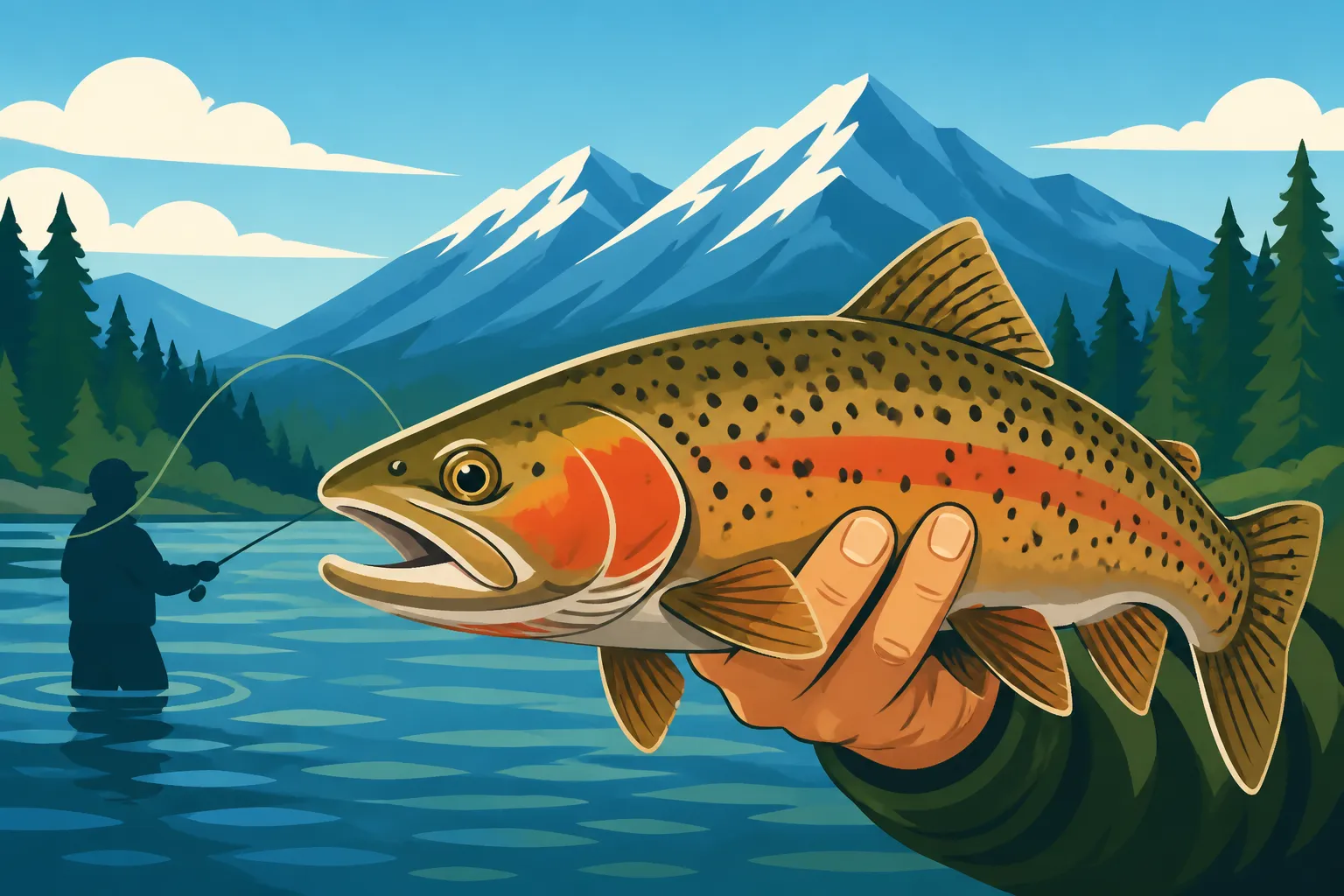
Before we even dive into limits, it's really helpful to understand a bit about the cutthroat trout themselves. These magnificent fish, identifiable by the distinctive red or orange slash marks under their lower jaw, are truly iconic in BC. They're known for their aggressive strikes and often vibrant colours, making them a highly sought-after species for many anglers. But here's the kicker: not all cutthroat trout are created equal in the eyes of the regulations. Their habits and habitats play a huge role in how they're managed.
Coastal vs. Interior Cutthroat: Habitat and Behavior Differences
British Columbia is a vast province, and the environment changes dramatically from the temperate rainforests of the coast to the arid interior plateaus. This geographical diversity means that cutthroat trout populations have adapted differently, leading to distinct behaviors and, consequently, varying management approaches.
Coastal cutthroat trout, often referred to as sea-run cutthroat, spend a significant portion of their lives in saltwater estuaries and nearshore environments before migrating into freshwater streams to spawn. These fish are generally larger, incredibly powerful, and offer a thrilling challenge. Their unique life cycle means they are often found in different types of waters and are managed under slightly different rules than their freshwater-bound cousins. Think of the small, clear streams feeding into the Strait of Georgia or the inlets around Vancouver Island – prime habitat for these incredible fish.
Interior cutthroat trout, on the other hand, are typically resident fish, meaning they live their entire lives in freshwater lakes and rivers, much like many of the rainbow trout you find in the province. These fish tend to be smaller, though equally beautiful, and are a staple in many of BC's high-country lakes and meandering rivers further east. Because they don't migrate to the ocean, their conservation needs and, therefore, their fishing limits can differ from their coastal counterparts.
Sea-Run Cutthroat Specifics: Unique Challenges and Regulations
The sea-run cutthroat trout are a particularly special sub-species, and their migratory nature presents unique challenges for conservation. They face pressures from both freshwater and saltwater environments, including habitat loss, predation, and fluctuating ocean conditions. As a result, regulations for sea-run cutthroat are often more restrictive, with many coastal streams and rivers designating them as "catch and release only" or imposing very strict size and daily limits to protect these vulnerable populations.
For instance, many of the smaller streams along the coast, especially those easily accessible from urban centres like Greater Vancouver or Victoria, will often have no-retention rules for sea-run cutthroat. This is a vital measure to ensure these unique populations can thrive and continue their intricate life cycles. It’s a good idea to pack a pair of rubber boots or waders, perhaps one of the highly-rated pairs you might find on Amazon, if you plan to explore these coastal stream environments. Always be prepared for wet conditions, as these fish love the coastal rain.
Deciphering BC's Cutthroat Trout Limits
Now, let's get to the heart of the matter: what are the actual limits? As you've probably gathered, there isn't one single, easy answer. British Columbia's fishing regulations are highly site-specific. The province is divided into various management regions, and within those regions, specific lakes, rivers, and even sections of rivers can have their own unique rules.
General Freshwater Limits for Trout
For many general freshwater bodies in BC's interior regions, cutthroat trout typically fall under the broader "trout" category. This category often includes rainbow trout, brown trout, brook trout, lake trout, and kokanee. The general daily aggregate limit for these species might be, for example, four fish. However, this is a very general statement and should never be taken as gospel for your specific fishing location.
It's critical to understand that even within these general limits, there can be exceptions. Perhaps a particular lake is known for growing trophy-sized cutthroat, and to protect those genetics, there might be a "one over 50cm" rule, or a reduced daily limit. Or, conversely, a heavily stocked lake might have a more generous limit to encourage harvest. This variability is why blindly assuming a "general" limit can lead you into trouble.
Special Regulation Waters and Exceptions
This is where things get truly specific, and it's the most common area where anglers can inadvertently make a mistake. British Columbia has hundreds, if not thousands, of "special regulation waters." These are specific lakes, rivers, or streams that have rules that override the general regional regulations. For cutthroat trout, these special regulations often include:
- Catch and Release Only: This is very common for cutthroat, especially sea-run populations and sensitive interior streams. If you're fishing in a catch-and-release only water, it means you must immediately return any cutthroat you catch to the water unharmed. You can learn more about specific BC Catch and Release Only Waters.
- Reduced Daily Limits: Instead of a general limit of four, a special regulation water might have a limit of one or two cutthroat per day.
- Size Restrictions: Often, there will be minimum or maximum size limits. For example, you might be allowed to keep one cutthroat under 30cm, or one over 50cm, but nothing in between. This helps protect breeding stock or allow younger fish to grow.
- Bait Bans or Gear Restrictions: While not directly a "limit" on fish, these indirectly affect your ability to catch and retain them. Many cutthroat waters will have "single barbless hook" rules or "no bait" policies, especially during sensitive spawning periods.
A great example of special regulations might be found on some of the popular trout streams on Vancouver Island, where sea-run cutthroat are present. Many of these waters will have very specific seasonal closures, gear restrictions, and often, a catch-and-release mandate for cutthroat. Without checking the regulations, you might assume a general trout limit applies, when in reality, you're expected to release every cutthroat you hook.
Tidal Water Regulations for Sea-Run Cutthroat
It's important to remember that once a cutthroat trout enters tidal (saltwater) environments, it falls under federal Department of Fisheries and Oceans (DFO) regulations, not provincial ones. These rules are outlined in the annual BC Tidal Waters Sport Fishing Guide.
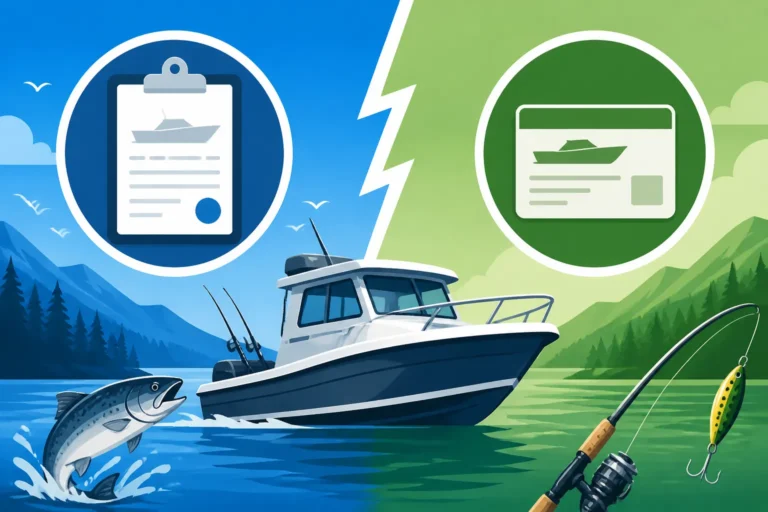
For sea-run cutthroat, DFO often lumps them into the "Other Fin Fish" category. The daily limit for "Other Fin Fish" in tidal waters can be, for instance, a total of 4 fish per day, which would include cutthroat, greenling, sole, etc. However, just like in freshwater, specific areas or times of year might have further restrictions. It’s also crucial to remember that you’ll need a specific type of license. Check out BC Freshwater vs Tidal Waters License, Explained to ensure you're covered for both environments if you plan on pursuing these migratory fish.
Here’s a simplified look at how limits might appear, but please remember these are examples and not current regulations:
| Water Type/Region | Typical Freshwater Cutthroat Limit (Example) | Common Special Regulation Example | Tidal Waters (DFO) Limit (Example) |
|---|---|---|---|
| Interior Lakes/Rivers | 2-4 aggregate trout, no size restrictions | 1 cutthroat under 30cm, or C&R only | N/A (freshwater) |
| Coastal Streams | 1-2 aggregate trout, often C&R for cutthroat | Catch & Release Only; single barbless hook | N/A (freshwater) |
| Marine (Coastal) | N/A (tidal water) | N/A | 4 "Other Fin Fish" (including cutthroat) |
This table clearly illustrates the need to consult official sources for the exact, current rules for your specific fishing spot.
Navigating the Official Regulations
So, how do you find these elusive, ever-changing numbers? The good news is that BC's fisheries management bodies provide excellent resources. You just need to know where to look and how to interpret them.
The Importance of the Freshwater Fishing Regulations Synopsis
This is your bible for freshwater fishing in British Columbia. The BC Freshwater Fishing Regulations Synopsis is published annually (or biennially for some sections) by the Ministry of Forests, Lands, Natural Resource Operations and Rural Development. It details all the provincial regulations, region by region, and lists every special regulation water.
Here’s how to use it effectively:
- Get the Latest Copy: The synopsis is available digitally online for free. Make sure you're always looking at the most current version. You can print a copy, or keep a digital version handy on your phone or tablet. Having a physical copy in your tackle box, maybe even one you purchased a protective cover for on Amazon, can be a lifesaver when you're out of cell service.
- Identify Your Region: BC is divided into eight freshwater fishing regions. Locate which region your chosen lake or river falls into.
- Find Your Water Body: Within your region, look up the specific lake or river you plan to fish. It will explicitly list any special regulations that apply to that water body. If your chosen spot isn't listed, then the general regional rules for trout (which would include cutthroat) apply.
- Read Carefully: Pay close attention to keywords like "total aggregate limit," "daily quota," "size restrictions," "bait ban," and "single barbless hook." It's easy to skim and miss a crucial detail.
You can get a detailed breakdown of Reading the BC Freshwater Fishing Regulations Synopsis in another one of our guides.
Checking Fishery Notices and In-Season Closures
Even with the annual synopsis, regulations can change mid-season. This often happens due to unforeseen events like low water levels, unseasonably warm temperatures, or unexpected fish returns (either too high or too low). The Department of Fisheries and Oceans (DFO) for tidal waters and the provincial government for freshwater issue "Fishery Notices" or "In-Season Closures" to communicate these changes.
Before every fishing trip, especially if it's been a while since you last checked, you absolutely must consult these notices. A river that was open last week might be closed this week, or a limit might have been reduced overnight. These notices are usually posted on government websites and often shared by local tackle shops and fishing guide services. Many seasoned anglers make it a habit to check BC Fishery Notices and In-Season Closures, Explained the night before or morning of their outing. It’s an easy step that can save you from a hefty fine or, more importantly, from inadvertently harming fish populations.
Ethical Angling for Cutthroat Trout
Regardless of the official limits, ethical angling practices are paramount when fishing for cutthroat trout in British Columbia. These fish are a precious resource, and responsible fishing helps ensure their populations remain healthy for generations to come. Even if the limit allows you to keep fish, sometimes choosing to release them is the most responsible choice.
Best Practices for Catch and Release
If you're targeting cutthroat in waters where catch and release is mandatory or if you simply choose to release your catch, follow these guidelines to maximize the fish's survival:
- Use Barbless Hooks: This is often a regulation, but even when it’s not, it's a best practice. Barbless hooks minimize damage and make it much easier to remove the hook quickly. You can often find barbless hooks or tools to crimp barbs on standard hooks at your local tackle shop or through online retailers like Amazon.
- Minimize Handling: Keep the fish in the water as much as possible. If you must handle it, do so gently with wet hands, supporting its body horizontally. Avoid squeezing or touching the gills.
- Quick Release: Have your camera ready (if you plan to take a photo) and your pliers/hemostats easily accessible. Unhook the fish quickly and release it gently, facing it upstream in the current until it swims away on its own.
- Consider Water Temperature: In warm summer months, high water temperatures can stress trout, significantly reducing their survival rates after release. If water temperatures are above 20°C (68°F), it's often best to stop fishing for trout altogether.
Protecting Cutthroat Populations for the Future
Beyond catch and release, broader conservation efforts are crucial. Respecting all regulations, whether it’s a specific BC Bag and Possession Limits by Species or a gear restriction, is a direct contribution to conservation. Understanding the life cycle of fish, like Cutthroat Trout in BC Coastal Streams, helps you appreciate why certain rules exist.
Think about your footprint when you're on the water. Pack out all your trash, avoid disturbing spawning beds, and report any suspicious activity you see to the appropriate authorities. These simple actions contribute to the long-term health of cutthroat trout and the pristine environments they call home. By being a responsible angler, you're not just fishing for today; you're ensuring that future generations can also experience the joy of catching these incredible fish.
Disclaimer
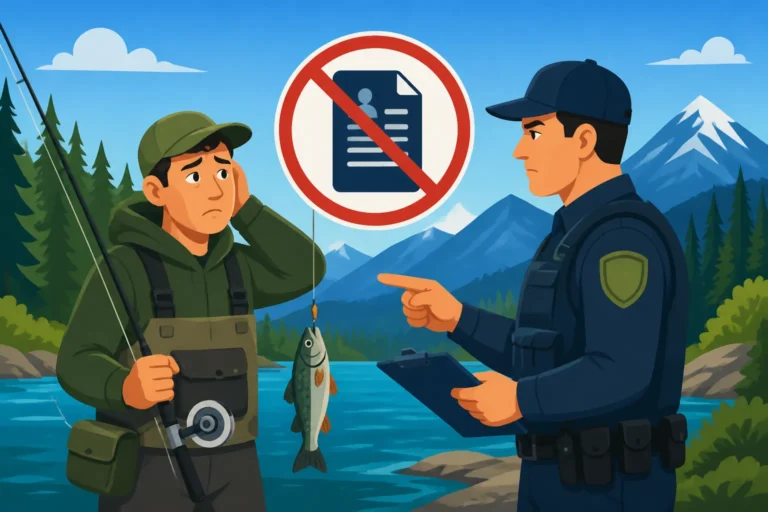
The information provided in this guide is intended for general informational purposes only and is subject to change. Fishing regulations in British Columbia are complex and can be updated at any time. It is the individual angler's responsibility to consult the most current official BC Freshwater Fishing Regulations Synopsis, the BC Tidal Waters Sport Fishing Guide, and any in-season DFO or provincial Fishery Notices before heading out to fish. Failure to comply with regulations can result in significant penalties, including fines and license suspension.