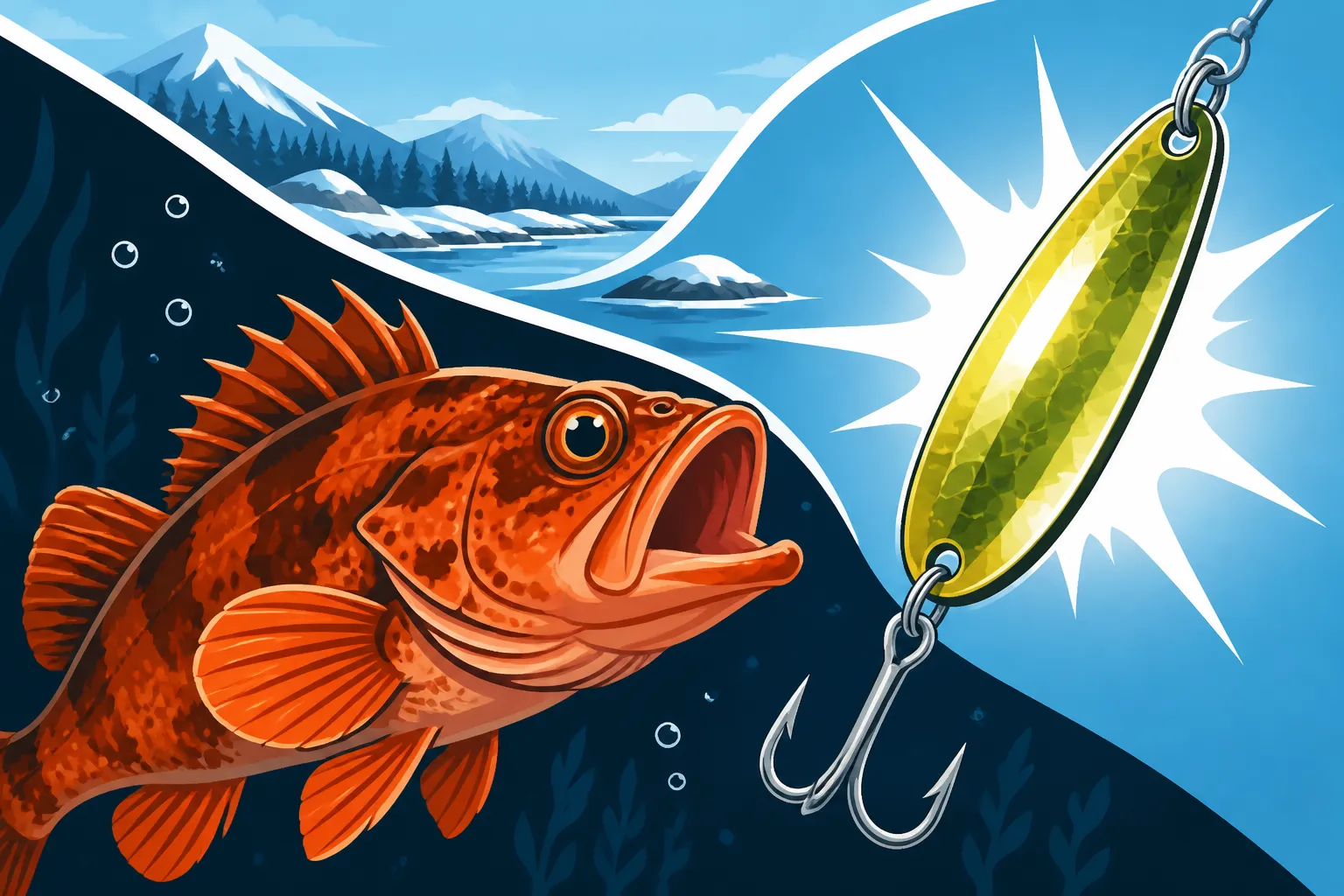
Best jigging spoon for winter rockfish
When the chill sets in and the waters grow cold across British Columbia, many anglers pack away their gear, but for those targeting rockfish, winter offers a unique opportunity. However, coaxing these deep-dwelling, often lethargic fish to bite in the colder months can be a real challenge, especially if you're not using the right lure. This guide is dedicated to helping you navigate the world of jigging spoons, equipping you with the knowledge to pick and wield the best options for hooking into some impressive winter rockfish.
Understanding Winter Rockfish Behavior and Habitat
Winter fishing for rockfish isn't just about bundling up; it's about fundamentally understanding how these fish adapt to the colder conditions. Unlike the more aggressive feeding frenzies you might encounter in warmer months, winter rockfish tend to be more sluggish, conserve energy, and often congregate in very specific, deeper parts of their environment. Missing this crucial behavioural shift is where many anglers go wrong, using techniques or lures that just don't match the fish's mood.
The Deep Chill: How Water Temperature Affects Rockfish
Colder water has a profound impact on rockfish metabolism. Just like many cold-blooded creatures, their bodily functions slow down significantly when the temperature drops. This means they're not expending as much energy chasing down prey, and their feeding windows can be shorter and less intense. Instead of aggressively striking a fast-moving lure, you're more likely to encounter a subtle "thump" on your line, or sometimes, the only indication of a bite is simply feeling extra weight when you lift your rod.
Because of this physiological change, rockfish often seek out deeper water where temperatures are more stable and typically a bit warmer than the surface. They're not looking for a chase; they're looking for an easy meal that's presented right in front of them. This shift demands a different approach to your lure selection and presentation. You need something that can get to their depth efficiently and then entice them with minimal, yet effective, action.
Structure is Key: Where Rockfish Hide in Winter
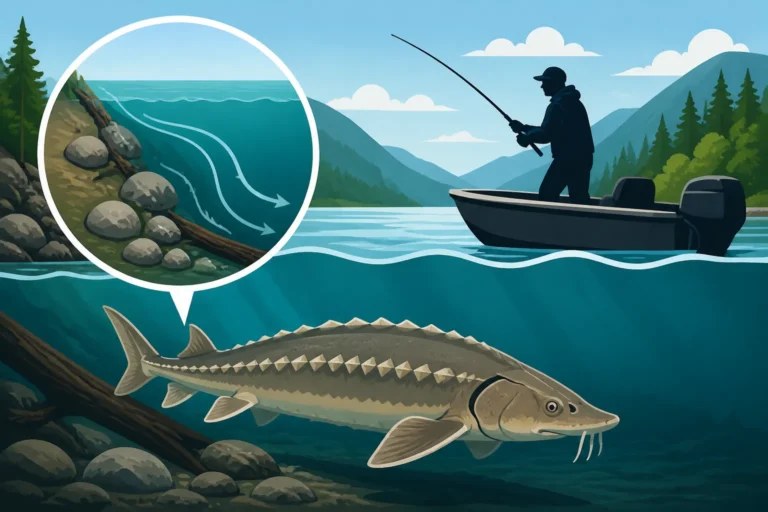
Rockfish, as their name suggests, are intrinsically linked to underwater structure, and this becomes even more pronounced in winter. They're not just hanging out in open water; they're usually tucked right into the nooks and crannies of deep reefs, rocky pinnacles, ledges, and even submerged wrecks. These structures provide protection from currents, offer ambush points for unsuspecting prey, and crucially, often hold a stable temperature zone.
Locating these specific pieces of structure is paramount for successful winter rockfish jigging. This is where good sonar and GPS mapping come into play. You're looking for distinct underwater features that rise from the bottom or create steep drop-offs. Once you've marked a promising spot, your jigging spoon needs to be capable of sinking quickly to that precise depth and then being worked effectively right in the strike zone, often within inches of the structure itself. This requires a spoon that can cut through the water column efficiently and allow you to maintain contact, even in deeper currents. For more on finding these habitats, consider reading about Lingcod Habits Around Structure, as their preferences often overlap with rockfish.
Essential Characteristics of a Great Winter Rockfish Jigging Spoon
So, what exactly makes a jigging spoon ideal for the often-challenging conditions of winter rockfish angling? It's a combination of factors that all work together to maximize your chances of success when fish are less active and deeper in the water column. Let's break down the critical elements you need to consider when selecting your arsenal.
Weight and Sink Rate: Getting Down Fast
This is arguably the most crucial factor for winter rockfish spoons. You're typically fishing in significant depths, often 50 to over 200 feet, and sometimes in areas with strong currents. A lightweight spoon simply won't get down to the fish fast enough, or it'll drift too far off target before it reaches the desired depth. You need a spoon with substantial mass that can cut through the water column quickly.
For depths of 50-100 feet, spoons in the 2-4 ounce range are often a good starting point. As you push past 100 feet, especially if there's any current, you'll want to increase your weight to 6, 8, or even 10 ounces or more. The goal is to minimize the time your lure spends dropping and to maximize the time it spends in the strike zone. A faster sink rate also allows you to feel the bottom more effectively and detect those subtle "thumps" that signify a rockfish bite, particularly when you are targeting species in deeper waters like discussed in How deep to jig for halibut off Vancouver Island. Choosing heavier spoons also helps maintain a more vertical presentation, keeping your lure close to the boat, which is key when you've pinpointed a tight school or a specific piece of structure on your fish finder. Many excellent heavy jigs can be found on retailers like Amazon, offering a wide range of weights and styles.
Profile and Action: Mimicking Prey in Cold Water
Once your spoon reaches the desired depth, its profile and action become paramount. In cold water, rockfish are less likely to chase down an erratic, super-fast bait. Instead, they prefer something that looks like an easy meal – a wounded baitfish or a slow-moving invertebrate.
Look for spoons with a profile that, even with minimal movement, creates an enticing flutter, wobble, or thumping action. Wider, flatter spoons might have a slower, broader flutter on the drop, while more slender, hydrodynamic designs might cut through the water with a tighter shimmy. The key is that the lure should have an appealing action on the fall as well as the lift. Often, a rockfish will strike as the spoon is descending, perceiving it as an injured or dying meal. Experiment with different shapes, but generally, a slower, more deliberate action is preferred over frantic darting. The flash and vibration generated by even subtle movements can still be enough to trigger a strike from a lethargic rockfish.
Colour and Finish: Standing Out in the Depths
In the low-light conditions of deep water, the visual appeal of your spoon becomes incredibly important. You need colours and finishes that will stand out and attract attention without being overly aggressive.
- Glow-in-the-Dark: This is a non-negotiable for serious deep-water rockfish jigging. A good glow finish, especially when charged with a flashlight, can make your spoon visible from a greater distance in the dark depths and often triggers strikes when other colours fail.
- Metallic Finishes: Chrome, silver, and gold can be highly effective, especially on brighter winter days or in slightly shallower deep water. These finishes reflect ambient light, creating irresistible flashes that mimic scales.
- UV Finishes: Some modern lures incorporate UV-reactive paints. While invisible to the human eye, fish can often see UV light, making these lures pop even in dim conditions.
- Natural Baitfish Colours: Sometimes, a subtle olive, blue, or grey pattern that mimics local baitfish can be very effective, especially if the fish are highly selective.
- Bright "Trigger" Colours: Chartreuse, pink, or orange accents can sometimes provide that extra "pop" to provoke a strike, particularly if you’re trying to distinguish your lure in a school of bait or competing with other anglers.
Having a selection of spoons with different combinations of these finishes will allow you to adapt to varying light conditions and fish preferences.
Top Jigging Spoon Types and Specific Recommendations
When it comes to outfitting yourself for winter rockfish, the market is flooded with options. But for deep, cold water, a few specific types of jigging spoons consistently rise to the top. Understanding their unique attributes will help you build a highly effective tackle box.
Heavy Vertical Jigs: The Deep Water Workhorse
These are the backbone of any serious deep-water jigging setup, particularly when targeting rockfish in winter. Heavy vertical jigs are designed to get down fast, stay deep, and deliver a powerful thumping action that can attract fish from a distance.
- Characteristics: Typically slender, heavy for their size, with a lead or tungsten core. They sink like a stone and often have a strong, tight wobble or a "dead stick" quiver on the fall. Brands like Shimano Butterfly Jigs, Megabait Live Treble, or traditional diamond jigs are prime examples. Their rapid descent means you spend less time dropping and more time fishing in the strike zone, which is crucial when schools are localized.
- Ideal Conditions: Excellent for strong currents, very deep water (100 feet or more), or when fish are holding tight to vertical structure. Their powerful action can sometimes trigger reaction strikes from sluggish fish.
- Technique: A sharp lift and controlled drop allows them to dart and then flutter enticingly. They are highly effective when you're working over specific pieces of deep structure. When shopping online, a quick search on Amazon for "heavy vertical jigs" will show you a vast array of suitable options. Remember, hook quality matters here; ensure they come with stout assist hooks or upgrade them if needed. This type of jig is also often used in Jigging for Halibut off Vancouver Island, where similar deep-water challenges exist.
Flutter Spoons: Subtle Enticement
While heavy vertical jigs are about power and speed, flutter spoons offer a more finessed approach, often appealing to rockfish that are particularly lethargic or shy.
- Characteristics: These spoons typically have a broader, flatter profile and are designed to "flutter" or "leaf" enticingly on the drop, mimicking a wounded baitfish struggling to swim. Examples include the classic Gibbs Minnow, Hopkins Shorty, or similar designs. They don't sink as fast as heavy vertical jigs but their slower, more erratic fall is often what triggers the bite.
- Ideal Conditions: Best suited for conditions with less current, or when rockfish are suspended in slightly shallower deep water (50-100 feet) and are proving finicky. They are excellent when you need to keep the lure in the strike zone for a longer duration with an enticing, natural presentation.
- Technique: A more gentle lift, followed by a controlled slack-line drop, allows the spoon to exhibit its full fluttering action. Pay close attention on the fall, as many strikes will occur then. If you're finding fish are ignoring more aggressive presentations, a flutter spoon can often be the game-changer.
Specialty Spoons and Rigs: Adding to Your Arsenal
Beyond the primary types, there are a few specialized options and rigging techniques that can further enhance your winter rockfish success.
- Glow & UV-Enhanced Spoons: Many manufacturers now integrate intense glow pigments or UV-reactive coatings directly into their spoons. These are excellent choices for the darkest depths or overcast days, providing maximum visibility. Always remember to "charge" glow lures with a strong flashlight before deploying them.
- Spoons with Rattles: Some spoons incorporate internal rattles, adding an auditory element to the visual and vibrational appeal. This can be particularly effective in murky water or for attracting attention from a greater distance, though for subtle winter bites, sometimes less noise is more.
- Assist Hook Rigs: While many spoons come with treble hooks, a popular and often more effective setup for rockfish, especially in snag-prone areas, is to replace the treble with a single, sharp assist hook on a short leader. These hooks ride above the jig, are less prone to snagging the bottom, and are often easier for rockfish to engulf. You can even add a small piece of bait (like a squid tentacle or a chunk of herring) to the assist hook for added scent.
- Sabiki Rigs: For multi-species action or to determine the exact depth of baitfish, some anglers tie a small Sabiki rig (a string of small, baited hooks) a few feet above their main jigging spoon. While rockfish might hit the spoon, other species or smaller rockfish might grab the Sabiki flies. Just be mindful of local regulations regarding multiple hooks.
- Hook Quality: Regardless of the spoon type, ensure the hooks are incredibly sharp and robust. Deep-water fish like rockfish often have tough mouths, and you don't want to lose a fish due to a dull or weak hook. Often, upgrading stock hooks to premium ones from brands like Gamakatsu or Owner is a wise investment, easily found on Amazon or your local tackle shop.
Jigging Techniques for Winter Rockfish
Having the best jigging spoon is only half the battle; how you present it makes all the difference, especially when you're dealing with the often-lethargic nature of winter rockfish. These techniques focus on enticing strikes rather than provoking aggressive chases. Remember, regulations matter, so always check BC Fishing Regulations Explained before you head out.
The Lift-and-Drop: Classic Vertical Jigging
This is the foundational technique for vertical jigging and remains highly effective for winter rockfish, with a few cold-water modifications.
To start, drop your spoon all the way to the bottom. Once it hits, take up any slack and then perform a short, sharp lift of your rod tip, typically 1 to 3 feet. Immediately after the lift, allow the spoon to fall back down on a controlled slack line. This is crucial: don't just drop it freely, but guide its descent with your rod tip, allowing the lure to flutter naturally. Many rockfish strikes occur on this fall, often feeling like a subtle "thump" or just added weight to your line as the fish mouths the lure.
Vary your retrieve speed and the height of your lifts. Sometimes a rapid, aggressive lift followed by a quick fall is best, while other times a slower, more deliberate lift with a prolonged flutter will be more effective. Experiment until you find what the fish prefer on that particular day. Always maintain contact with your line to feel those subtle bites.
Slow and Steady: Finesse Jigging
When rockfish are particularly stubborn and lethargic, or if the water is extremely cold, you'll need to dial down the aggression and opt for a finesse approach. This technique focuses on minimal movement and long pauses to tempt inactive fish.
Instead of sharp lifts, try slow, gentle raises of your rod tip, perhaps only 6 to 12 inches. Let the spoon settle for several seconds – sometimes as long as 10-15 seconds – allowing its subtle flutter to work its magic. Often, simply "shaking" the spoon in place without lifting it far off the bottom can provoke a bite. Think of it as presenting an easy, almost stationary meal.
This technique demands a sensitive rod and braided line for maximum feel. The light bite of a winter rockfish, especially with this slow presentation, can be incredibly subtle, requiring your full attention. This slow-and-steady approach is often key when fish aren't actively chasing. You might also find this method useful for other bottom dwellers, as outlined in Best Techniques for Lingcod Around Structure.
Reading Your Electronics and Adjusting
Your fish finder is your most valuable tool for winter rockfish jigging. It’s not enough to just drop your line and hope for the best; you need to be actively using your electronics to locate fish and adjust your presentation.
Start by marking distinct underwater structure – ledges, pinnacles, or drop-offs – where rockfish are likely to congregate. Once you're over a promising spot, use your sonar to identify schools of fish. Sometimes they'll appear as dense clouds, other times as individual arcs tight to the bottom.
Once you've located fish, drop your spoon directly into the school. If you're not getting bites, adjust your depth. Are the fish hugging the bottom? Are they suspended 10-20 feet up? Match your presentation to their exact depth. Then, experiment with your jigging cadence. If a slow lift-and-drop isn't working, try a faster presentation, or conversely, go even slower with longer pauses. Pay attention to how the fish react on your screen – sometimes a jig dropped right into the middle of a school will get ignored, but a subtle presentation just above them will trigger a strike. Always be ready to adapt to what your electronics are telling you. Knowing the Rockfish Species Identification Guide for BC can help you recognize what you're seeing on the screen and better target specific species.
Comparing Jigging Spoon Characteristics for Winter Rockfish
To help you visualize the different attributes of jigging spoons and how they apply to winter rockfish fishing, here's a handy comparison table. This isn't an exhaustive list of every spoon type, but it highlights the primary categories you'll be choosing from. Always remember to check BC Halibut Bag Limit Rules and other species-specific limits, as you might hook into more than just rockfish on the deep bottom.
| Spoon Type | Ideal Depth | Action (on fall) | Best Conditions | Pros | Cons |
|---|---|---|---|---|---|
| Heavy Vertical Jig | Deep (100-300+ ft) | Fast, tight wobble/quiver | Strong current, deep water, aggressive fish (reaction strikes) | Gets to depth quickly, powerful thud, good for fast retrieves | Less enticing for very lethargic fish, can snag more easily |
| Flutter Spoon | Mid-Deep (50-150 ft) | Slow, wide flutter | Less current, finicky fish, suspended fish | Enticing, natural fall, good for slow presentations | Sinks slower, less effective in strong currents or extreme depth |
| Glow/UV Enhanced | All Depths | Varies by design | Low light, deep water, overcast days | Maximizes visibility, often triggers bites in dark conditions | Effectiveness depends on underlying spoon design |
| Spoon with Rattle | All Depths | Varies by design | Murky water, low visibility | Adds auditory attraction | Can be too aggressive for very lethargic fish, may spook them |
Always keep in mind that the "best" spoon can change daily, or even hourly, depending on conditions and the mood of the fish. Having a diverse selection in your tackle box, spanning different weights, colours, and actions, will ensure you're prepared for whatever the BC winter waters throw at you. For a broader perspective on angling strategies, check out Best Time of Year to Fish in BC and Best Techniques for Rockfish.
Disclaimer
This article is for general informational purposes only and does not constitute professional advice. Laws, prices and regulations vary by location and change over time. Consult a qualified professional for guidance on your specific situation.