How to fish a spoon for BC coastal salmon
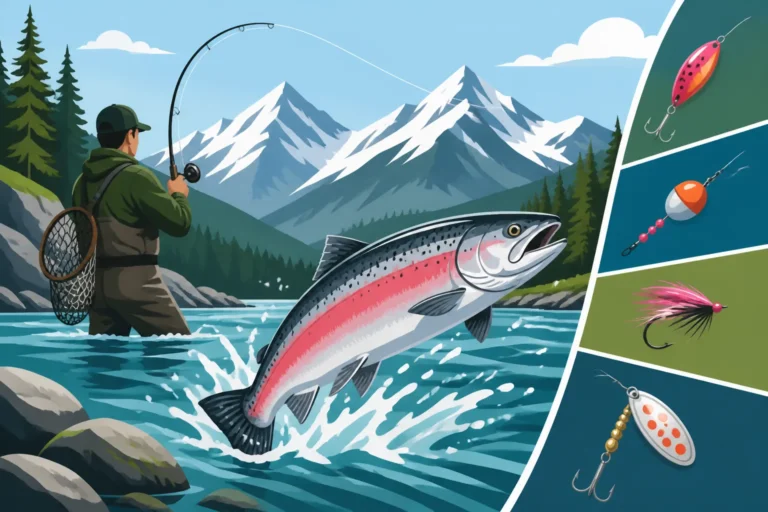
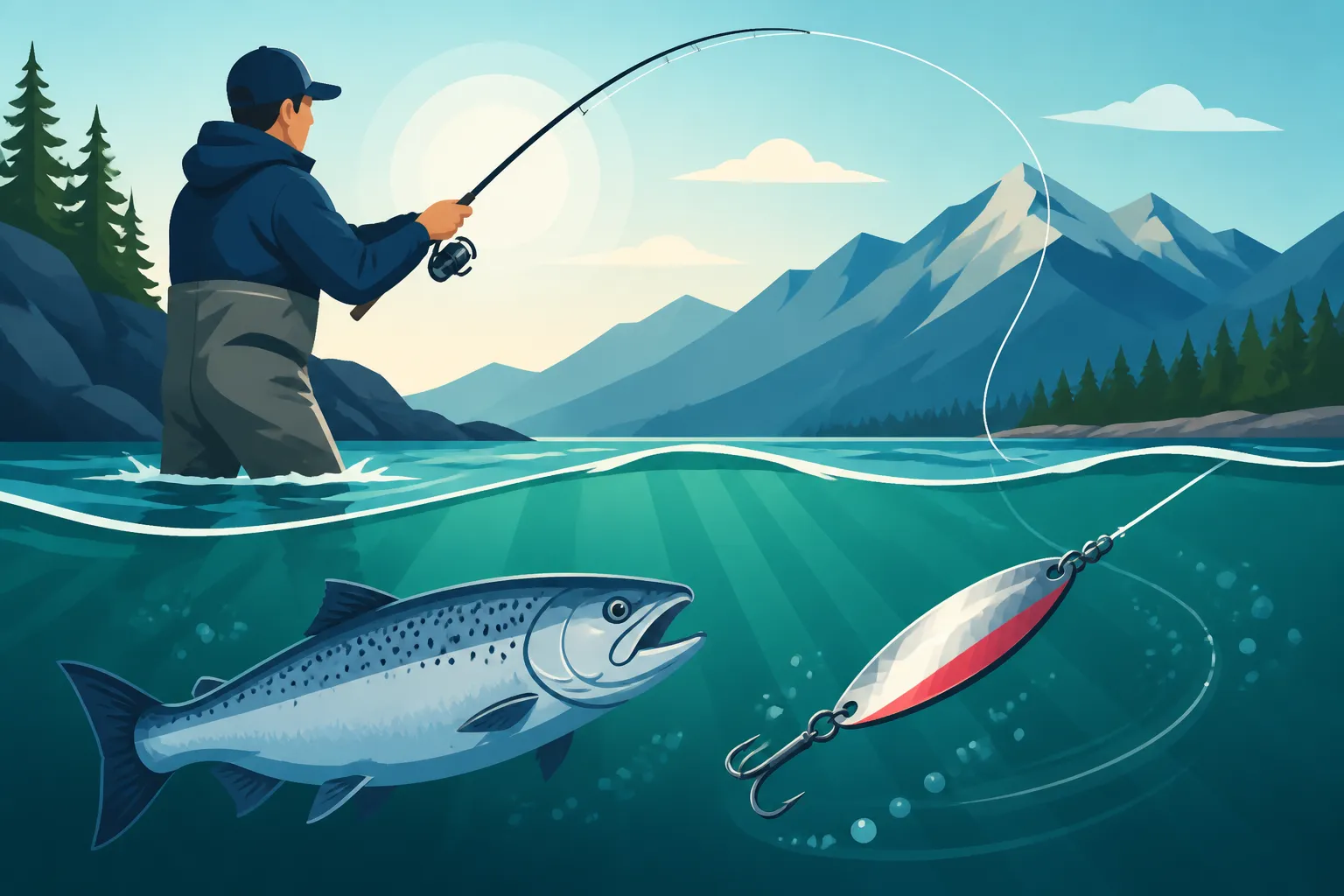
There's nothing quite like the thrill of a BC coastal salmon strike, but sometimes, getting those chrome beauties to bite can feel like cracking a secret code, especially when you're trying to figure out the best way to present your lure. Many anglers struggle with choosing the right spoon and mastering the techniques needed to consistently entice salmon in the dynamic ocean environment. This comprehensive guide is here to demystify spoon fishing for British Columbia's coastal salmon, offering insights into their behavior, spoon selection, and proven methods to help you hook into more fish.
Understanding Coastal Salmon and Their Habits
Before you even think about tying on a spoon, it's crucial to understand the different species of Pacific salmon found along the BC coast and their general habits. Each species has its own preferences for depth, speed, and aggression, which directly influences how you should present your spoon. Knowing your target will make a world of difference.
Chinook King Salmon Behavior
Chinook salmon, often called "Kings" or "Springs" due to their impressive size and early season runs, are typically found deeper in the water column when they're feeding in saltwater. They are powerful predators, known for chasing larger baitfish like herring and pilchards. When you're targeting Chinook, think about mimicking these larger baitfish. They can be finicky one moment and aggressive the next, often reacting to a subtle flash or vibration. Their feeding patterns can also be influenced by the tide, current, and bait presence, so paying attention to these factors is key. For more in-depth information on these majestic fish, check out our guide on Chinook Salmon Fishing in BC.
Chinook tend to be more solitary feeders in the open ocean compared to other salmon species, though they will congregate where bait is plentiful. This means you might not get multiple hookups in quick succession like with schooling fish. Their powerful runs and head shakes require a robust setup, and they will test your gear to its limits. During their migrations, they often follow specific pathways, such as underwater currents, drop-offs, and structure, making these areas prime for spoon presentation.
Coho Silver Salmon Behavior
Coho salmon, affectionately known as "Silvers," are perhaps the most acrobatic and aggressive of the Pacific salmon, especially when feeding in saltwater. They are often found higher in the water column, frequently chasing smaller baitfish like anchovies and juvenile herring near the surface, particularly during early morning or late evening. Coho are incredibly visual predators, and their aggressive nature makes them highly susceptible to spoons. They love a fast, erratic retrieve or troll that simulates a fleeing baitfish. If you're looking for a fight that includes spectacular jumps and head-shaking, coho are your fish. Our article on Coho Salmon Fishing in BC can provide even more detail on these exciting fish.
Unlike Chinook, Coho often travel and feed in schools. If you find one, chances are there are more around. They are less depth-oriented than Chinook and will readily hit lures from the surface down to mid-depths. Their aggressive strikes can be sudden and violent, so be ready for action. They are also known to be quite curious, sometimes following a spoon for a good distance before committing to a strike, which means a change in speed or action can often trigger a bite.
Pink Humpy and Chum Dog Salmon Behavior
Pink salmon, or "Humpies," are the most abundant salmon species in BC and are typically smaller than Chinook or Coho. They travel in massive schools and are notorious for hitting almost anything pink, especially during their strong biennial runs. They are usually found closer to the surface or in mid-water, and their bites are often less aggressive than Coho, sometimes feeling more like a slight tug. Don't let their size fool you, though; a school of Pinks can provide non-stop action, making them a fantastic target for beginners and families. You can learn more about their specific runs in our Pink Salmon Runs in BC guide.
Chum salmon, or "Dogs," are robust fish, known for their powerful fights once hooked. In saltwater, they feed voraciously on smaller baitfish and squid before heading to their spawning grounds. They can be found anywhere from the surface to deeper waters, often in schools, similar to Pinks. While sometimes overlooked, Chums offer an incredible battle and can be a fantastic species to target with spoons. They respond well to larger, flashier spoons, especially those with green or blue hues. For more information on these impressive fighters, refer to our article on Chum Salmon Runs in BC.
Both Pink and Chum salmon are often found in areas with strong tidal currents, as these currents help concentrate their food sources. Their willingness to strike a variety of lures, including spoons, makes them a reliable target when other species might be harder to find.
Choosing the Right Spoon for BC Coastal Salmon
Selecting the perfect spoon is paramount to success. It's not just about grabbing the prettiest one; it's about understanding how different spoons behave in the water and how their characteristics can trigger a salmon strike. The goal is to mimic the local baitfish, so observation of what's swimming around is always a good starting point.
Spoon Types and Their Actions
The world of fishing spoons is vast, but for BC coastal salmon, a few types consistently stand out. Each has a unique action that appeals to salmon under different conditions.
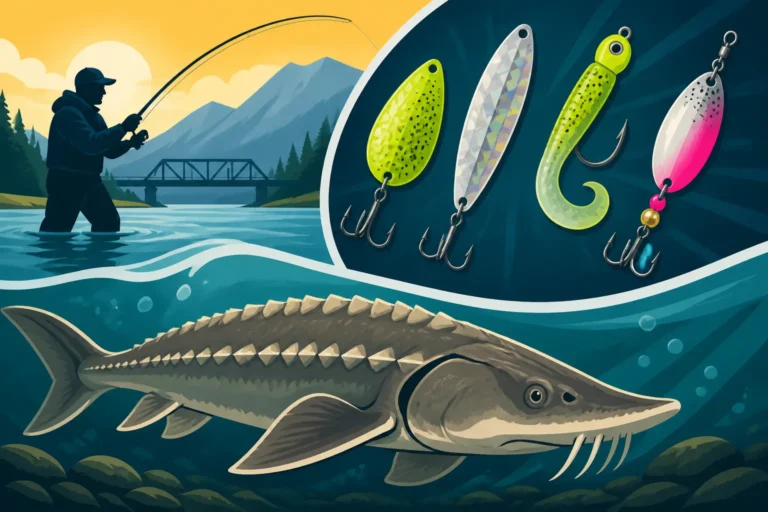
- Flutter Spoons: These are typically lighter and thinner, designed to have a wide, erratic side-to-side wobble, or "flutter," especially on the drop. They imitate a wounded or struggling baitfish, making them irresistible to aggressive feeders like Coho. Brands like Luhr-Jensen Krokodile, Silver Horde Coho Killers, or Gibbs Delta Spoons are popular choices. When fishing these, a less aggressive troll or retrieve can often highlight their enticing flutter.
- Wobbler Spoons: Heavier and often more cupped, wobbler spoons create a broader, more pronounced side-to-side swing. They displace more water, creating a strong vibration that can attract salmon from a distance, particularly effective for deep-dwelling Chinook. Examples include the Coyote Spoon by Luhr-Jensen or similar offerings from Tomic Plugs. These are excellent for covering larger areas and fishing deeper.
- Casting Spoons: While many spoons can be cast, some are specifically designed with enough weight and aerodynamics for long-distance casting from shore or a boat. These are often used when salmon are visible near the surface or in shallower coastal waters. They need to have an appealing action on the retrieve, from a slow wobble to a fast flash.
It’s often beneficial to have a selection of different spoon types on hand. What works one day for a particular species in a specific location might not work the next. Experimentation is key to discovering what the salmon are keying in on.
Color and Finish Considerations
Salmon are highly visual hunters, and spoon color and finish play a critical role in attracting them. The best color often depends on the water clarity, light conditions, and the prevalent baitfish in the area.
- Natural Baitfish Patterns: Silver, blue/silver, green/silver, and black/silver are classic choices because they mimic herring, anchovies, and other common baitfish. A good rule of thumb is to use brighter, more reflective patterns on cloudy days or in murky water, and more subtle, natural finishes on bright, sunny days with clear water. Many of these can be found easily on platforms like Amazon.
- UV and Glow Finishes: In deeper water or low-light conditions (dawn, dusk, overcast days), spoons with UV (ultraviolet) or glow-in-the-dark finishes can be incredibly effective. Salmon can see UV light, and these finishes make the lure "pop" visually, even when there's not much ambient light. This is particularly useful for targeting Chinook in deeper sections of their migration paths.
- Fluorescent and Iridescent Colors: Bright greens, chartreuses, and especially pink are dynamite for Pink salmon. These vibrant colors stand out and can trigger aggressive strikes from these visually oriented fish. Coho also often respond well to chartreuse or bright green.
- Metallic Finishes: Chrome, brass, and copper finishes provide different levels of flash and reflection. Chrome is highly reflective, great for bright conditions. Brass and copper offer a more subtle, warm glow, often effective in stained water or on overcast days.
Always consider what the local baitfish look like. If the salmon are gorging on small, silvery anchovies, a small silver spoon is a smart bet. If they're chasing larger, greenish herring, a larger green/silver spoon might be the ticket.
Size and Weight Matching the Conditions
The size and weight of your spoon should be matched to the target species, the depth you're fishing, and the trolling or retrieving speed.
- For Chinook: Generally, larger and heavier spoons (3.5 to 6 inches or more) are preferred for Chinook. Their size helps them get down to the deeper strike zones where Chinook often feed. These heavier spoons can also handle faster trolling speeds without blowing out or losing their action.
- For Coho: Smaller to medium-sized spoons (2.5 to 4.5 inches) are usually ideal for Coho. They tend to feed on smaller baitfish and are often found higher in the water column. Lighter spoons with a good flutter are very effective.
- For Pink and Chum: Pinks often prefer smaller spoons (1.5 to 3 inches), while Chums can be quite aggressive towards medium to large spoons (3 to 5 inches), especially if they're feeding heavily on squid.
- Depth and Current: Heavier spoons are essential for getting down to depth quickly and staying there in strong currents or when trolling at higher speeds. Lighter spoons are great for shallower water, slower presentations, or when you want a more pronounced flutter action on the drop. When you're fishing in really deep water, say 100 feet or more, a heavier spoon is almost a necessity, often paired with a downrigger.
Having a range of sizes and weights in your tackle box is a smart move. Salmon can be picky, and sometimes just a slight change in spoon size or weight can make all the difference in getting a bite.
Mastering Spoon Fishing Techniques for Coastal Salmon
Once you've got the right spoon tied on, it's time to put it to work. Fishing spoons for BC coastal salmon isn't just about dragging them through the water; it's about understanding the subtle nuances of presentation that trigger a predatory response. Different techniques are effective depending on whether you're trolling, casting, or jigging.
Trolling Techniques with Spoons
Trolling is perhaps the most popular and effective way to fish spoons for coastal salmon in BC, especially for Chinook and Coho from a boat. It allows you to cover vast areas and present your lure at specific depths.
- Speed is Key: Salmon, particularly Chinook, are sensitive to trolling speed. A good starting point is often between 2.5 to 4.0 miles per hour (around 4 to 6.5 km/h), but the ideal speed can vary drastically based on water temperature, current, and the salmon's mood. Observe your rod tip: a steady, rhythmic bounce indicates your spoon is working correctly. If it's just dragging, speed up; if it's spinning wildly, slow down. For Coho, sometimes a slightly faster troll is more productive, as they are often more aggressive. Our guide on Best Trolling Speed for Chinook Salmon offers more insights.
- Downriggers and Dipsy Divers: To consistently get spoons down to the feeding zones of Chinook (often 50-150+ feet deep), downriggers are indispensable. They allow you to accurately set your depth. Attaching a release clip to your main line, which then clips to the downrigger ball, ensures that when a fish strikes, your line pops free, giving you a direct fight. Dipsy Divers or other diving planers are also effective alternatives for getting spoons down without the need for downriggers. They dive to a predetermined depth when pulled through the water and release when a fish strikes.
- Leader Length and Flashers/Dodgers: When trolling with spoons, it's common to use a flasher or a dodger ahead of your spoon. Flashers rotate or wobble vigorously, creating flash and vibration that attracts salmon. Dodgers have a more pronounced side-to-side rocking motion. The leader length from the flasher/dodger to your spoon is critical. For most spoons, a leader of 36 to 72 inches (90-180 cm) is a good starting point for Chinook, allowing the spoon to have its natural action. For Coho, sometimes a shorter leader (24-48 inches) can be more effective with a smaller spoon. Experiment with different lengths to find what works best.
- Zigzagging and Turns: Don't just troll in a straight line. Making S-turns or gentle zigzags causes your spoons to speed up and slow down, as well as change depth slightly on the inside and outside of the turn. This erratic action often triggers strikes from following fish. A change in direction can simulate a fleeing or injured baitfish, making it irresistible. This kind of dynamic presentation can make a huge difference in your success.
Casting and Retrieving from Shore or Boat
While trolling covers water, casting spoons can be incredibly effective when salmon are near shore, in shallower waters, or when you observe them actively feeding on the surface. This technique is popular for Coho, Pink, and sometimes Chinook, especially in estuaries or along coastal points.
- Finding Structure: Look for kelp beds, rock outcroppings, rips, current lines, or anything that provides cover or concentrates baitfish. Salmon will often stage or feed in these areas. River mouths are also prime locations, where migrating salmon might pause before entering freshwater. For more on good spots, our guide on Best Shore Fishing Spots in BC might be helpful.
- Varied Retrieve Speeds: Cast your spoon out and let it sink to your desired depth. Then, experiment with your retrieve. A steady, medium retrieve is a good starting point, but incorporate pauses, twitches, and sudden bursts of speed. Coho often respond well to a fast, erratic retrieve that mimics a fleeing baitfish. Pinks might prefer a slower, more consistent retrieve, especially if the spoon has a good flutter on its own. The goal is to make your spoon look alive and unpredictable. Try pausing just enough for the spoon to flutter down a bit, then resume your retrieve. This "stop-and-go" motion can often elicit a strike.
- Fan Casting: If you're unsure where the fish are, fan cast, meaning cast to different angles around your position to cover as much water as possible. This helps you locate active fish or areas where schools are holding. Pay attention to where you get bites, then concentrate your efforts there.
- Watching for Jumps and Boils: Keep an eye on the water for jumping salmon or "boils" where they are actively feeding. Cast directly into or beyond these areas, as these are clear indicators of active fish. This is particularly effective for Coho and Pink salmon.
Many anglers find a good selection of casting spoons, like those from Gibbs Delta or other local brands available at shops like Fred's Custom Tackle or even via Amazon for convenience, to be essential for their shore-based adventures.
Jigging with Spoons in Deeper Water
Jigging spoons is a more active, vertical presentation method often used when salmon are located deeper, such as over underwater structure, humps, or in specific depths identified by your fish finder. It can be deadly for suspended Chinook or Coho that are holding in a tight school.
- Vertical Presentation: Drop your jigging spoon directly down to the desired depth. This can be near the bottom or suspended in the water column if you see fish on your sonar. Once at depth, begin your jigging action.
- Lift and Drop: The most common jigging technique involves a sharp lift of the rod tip, followed by a controlled drop. The lift causes the spoon to flash and dart upwards, while the drop allows it to flutter and tumble downwards. Most strikes occur on the drop, as the spoon mimics a dying or injured baitfish. Be ready to set the hook as soon as you feel any resistance or pause in the line.
- Varying the Cadence: Just like with trolling and casting, varying your jigging cadence is crucial. Some days, salmon prefer a fast, aggressive jig. Other days, a slower, more subtle lift and longer pause might be more effective. Experiment with the height of your lifts and the speed of your drops.
- Depth Control: Use your fish finder religiously. If you see schools of bait or arches indicating salmon at a specific depth, try to keep your spoon in that strike zone. A simple counter on your reel or marking your line can help you consistently hit the target depth.
Jigging is a hands-on technique that gives you direct control over your lure's action, allowing you to react quickly to what the fish are telling you. This method is often highly effective when salmon are concentrated in smaller areas, or when you are trying to entice less active fish.
Essential Gear and Setup for Spoon Fishing
Having the right rod, reel, and line setup is just as important as choosing the right spoon. The right gear will not only enhance your fishing experience but also increase your success rate, especially when battling powerful coastal salmon.
Rods, Reels, and Line Selection
Your fishing setup needs to be balanced for the type of spoon fishing you're doing and the species you're targeting.
- Rods:
- Trolling: For downrigger trolling, a medium to heavy action rod, usually 8 to 10.5 feet long, with a moderate to fast taper, is ideal. The length provides a good bend for absorbing shock when the line releases from the downrigger clip and helps cushion the runs of big salmon. Look for rods with a forgiving tip but plenty of backbone.
- Casting: A medium-heavy spinning or casting rod, typically 7 to 9 feet in length, with a fast action tip, is excellent for casting spoons. This allows for long casts and quick hook sets, crucial for shore fishing or targeting surface-feeding Coho.
- Jigging: A shorter, stiff rod (6 to 7.5 feet) with a fast action and strong backbone is perfect for jigging. The stiffness helps you impart a sharp action to the spoon and provides the leverage needed to fight fish vertically.
- Reels:
- Trolling: Levelwind reels (conventional reels) with a good line counter are highly preferred for trolling. They offer strong drag systems, high line capacity, and the line counter helps you accurately set your depth. Brands like Penn or Shimano offer excellent options for this.
- Casting: High-quality spinning reels in the 4000-6000 size range are versatile for casting spoons. They allow for smooth, long casts and quick retrieves. Baitcasting reels can also be used, especially for heavier spoons and larger fish, offering more power and control.
- Jigging: A robust spinning reel or a smaller, high-gear ratio conventional reel will work well for jigging. The key is a strong drag and a smooth retrieve.
- Line:
- Main Line: Braided line (30-65 lb test) is a popular choice for its strength, sensitivity, and minimal stretch, which provides excellent hook-setting power and feel, especially when fishing deep or with flashers. Its thinner diameter also helps spoons get deeper. Monofilament (20-40 lb test) can also be used, offering more stretch, which can be forgiving for aggressive salmon strikes but less sensitive.
- Leader Material: Fluorocarbon is the gold standard for leader material due to its low visibility in water and its abrasion resistance. Use a leader of 20 to 50 lb test, depending on the target species and water clarity. Thinner leaders (20-30 lb) are often preferred for Coho and Pinks in clear water, while heavier leaders (40-50 lb) are better for powerful Chinook around structure.
| Gear Component | Trolling Setup | Casting Setup | Jigging Setup |
|---|---|---|---|
| Rod Type | Medium-Heavy to Heavy Action, 8-10.5 ft | Medium-Heavy Fast Action, 7-9 ft | Heavy Fast Action, 6-7.5 ft |
| Reel Type | Levelwind with Line Counter | Spinning (4000-6000 size) or Baitcasting | Spinning or Small Conventional |
| Main Line (Braided) | 30-65 lb Test | 20-50 lb Test | 30-65 lb Test |
| Leader Material | Fluorocarbon (20-50 lb) | Fluorocarbon (15-40 lb) | Fluorocarbon (20-50 lb) |
| Swivels/Snaps | Heavy-duty barrel/ball-bearing swivels, strong snap swivels | Strong snap swivels | Heavy-duty barrel swivels |
Leader Materials and Terminal Tackle
Even the best spoon and technique can fail with subpar terminal tackle. These small but mighty components connect your line to your lure and are critical for success.
- Swivels: Always use high-quality, heavy-duty barrel or ball-bearing swivels. Spoons rotate and wobble, which can quickly twist your line, leading to tangles and weakened line. A good swivel minimizes line twist, especially important when trolling with flashers or dodgers. Many reputable brands offer these, often found easily on Amazon.
- Snap Swivels: Using a snap swivel at the end of your leader makes changing spoons quick and easy, which is invaluable when you're trying to figure out what the salmon want. Ensure the snap is robust and will not open under the stress of a fighting salmon.
- Split Rings: Check the quality of the split rings on your spoons. Sometimes, factory-installed rings can be weak. Replacing them with heavy-duty stainless steel split rings is a small investment that can prevent lost fish.
- Hooks: Most spoons come with treble hooks. While effective, some anglers prefer to switch to single, inline hooks, especially for catch-and-release fishing, as they cause less damage to the fish. Ensure your hooks are sharp and strong enough to handle a powerful salmon. Sharpen your hooks regularly or replace them if they become dull or bent.
- Connection to Flasher/Dodger: When using a flasher or dodger, you'll need a strong leader material between it and your main line, as well as between it and your spoon. Typically, a heavier leader (e.g., 40-60 lb test fluorocarbon) is used for the main leader to the flasher, and a slightly lighter one (20-50 lb test) for the spoon leader.
Remember, every component in your setup is a link in the chain connecting you to that trophy salmon. Don't skimp on quality, as a single failure can mean a lost fish and a lot of frustration. By understanding salmon behavior, selecting the right spoons, and employing effective techniques with appropriate gear, you'll be well on your way to consistent success spoon fishing for BC coastal salmon. Whether you're targeting the mighty Chinook or the acrobatic Coho, the flash and flutter of a well-presented spoon can be irresistible.
Disclaimer
This article is for general informational purposes only and does not constitute professional advice. Laws, prices and regulations vary by location and change over time. Consult a qualified professional for guidance on your specific situation.