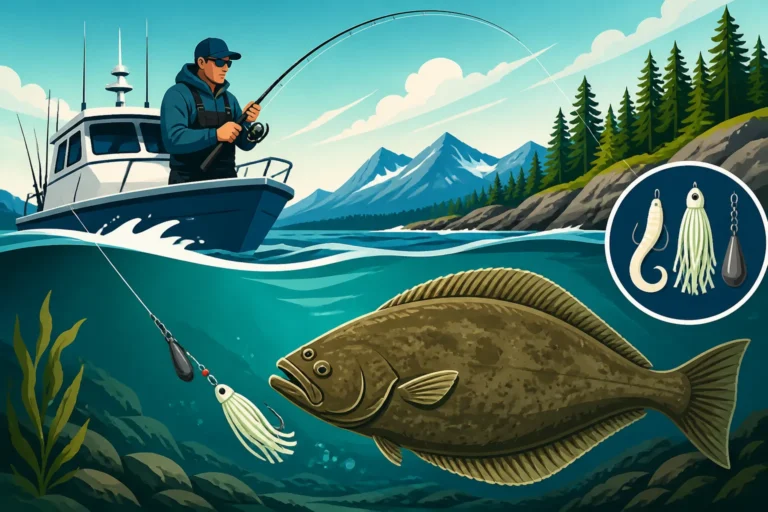
Best time to fish for salmon at dusk
There’s a unique magic that settles over British Columbia’s rivers and coastal waters as the sun dips below the horizon, painting the sky with fiery hues. Many anglers, frustrated by the daytime crowds and seemingly sluggish bites, often pack up their gear too early, missing out on what can be the absolute prime window for salmon fishing. This comprehensive guide will delve into why dusk is often the best time to target BC salmon, offering detailed techniques, gear advice, and critical considerations to help you unlock incredible success during those magical twilight hours.
Why Dusk is a Prime Time for Salmon Anglers in BC
The transition from day to night isn't just a beautiful spectacle; it's a profound shift in the aquatic environment that often triggers a flurry of feeding activity for salmon. Many anglers overlook this period, either due to habit or a lack of understanding about why these low-light conditions are so advantageous. If you’ve ever felt like your efforts during the bright midday sun were met with indifference, stick around after supper—you might be surprised.
The Biological Edge: Salmon's Low-Light Advantage
Salmon, whether they are in the ocean or making their epic journey up a freshwater river, are often more comfortable and less wary in dimmer light. Think about it from their perspective: the harsh glare of direct sunlight can make them feel exposed to predators from above, like eagles or ospreys, and even from humans on the banks or in boats. As dusk approaches, the light intensity drops, providing them with a natural sense of security. This reduced visibility gives them an edge in approaching prey, as their keen senses of smell and lateral line (which detects vibrations) are often more effective than their eyesight in these conditions.
This biological imperative means they often move into shallower feeding grounds, or become more aggressive in their existing territories, during these times. They might be actively hunting baitfish, or simply feeling more confident to strike at anything that looks like a meal. For example, a big Chinook salmon might be lurking in a deeper pool all day, feeling safe and conserving energy. But as the shadows lengthen, it might slide out into a shallower run or the edge of a rip, ready to ambush anything that comes by. Understanding this natural behaviour is key to successful Salmon Fishing Techniques for BC Rivers.
Reduced Pressure and Serenity on the Water
One of the most immediate and tangible benefits of fishing at dusk, especially in popular spots, is the significant reduction in angler pressure. During the peak daylight hours, many of British Columbia’s renowned fishing spots, like the Fraser River or the estuaries around Vancouver Island, can be bustling with boats, shore anglers, and general commotion. This constant activity can put salmon on high alert, making them hesitant to bite.
As evening sets in, many casual anglers head home for dinner or to call it a day, leaving the water to those dedicated few who understand the evening bite. This means less boat traffic, fewer lines in the water, and a much calmer environment. Salmon, being highly sensitive creatures, certainly notice this change. A quieter river or ocean stretch can make them more inclined to move freely and feed actively. It’s not just about catching more fish; there's a certain peacefulness that comes with being on the water as the day fades, a truly serene experience that many of us cherish as much as the tug on the line.
Targeting Specific Salmon Species at Sunset
While the general principle of a strong dusk bite applies across most salmon species, understanding the nuances of each can further enhance your success. Different salmon have different feeding habits and comfort levels, which can dictate your strategy as the light wanes.
Chinook and Coho: The Dusk Predators
When it comes to the kings and silvers of the salmon world, Chinook and Coho, dusk is often prime time, especially in saltwater estuaries or larger river systems. These are apex predators, often keying in on baitfish like herring or anchovies, which themselves can become more active or vulnerable in low light.
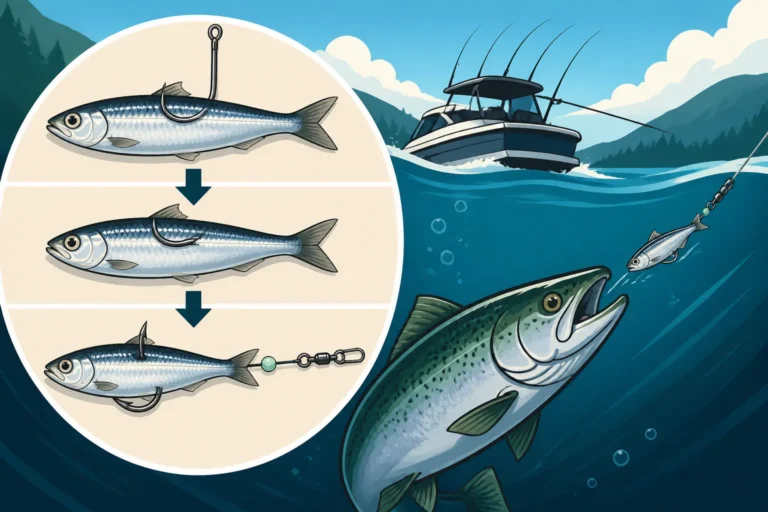
Chinook Salmon Fishing in BC: These powerful fish are notoriously aggressive feeders. As the light dims, a large Chinook might feel more confident patrolling drop-offs, current seams, and structural ambush points. In the ocean, they'll often push into shallower feeding flats or follow baitfish into estuaries. In rivers, they might move from deeper holding pools into runs and riffles, looking for a substantial meal before settling in for the night. This is a time when big, dark, or glowing lures can be particularly effective, mimicking a stressed or disoriented baitfish against the fading light. Anglers often find success with larger spoons, plugs, or even heavily scented cut plug herring fished just above the bottom. For river anglers, understanding How to Fish a River for Chinook Salmon during this transition is critical for success.
Coho Salmon Fishing in BC: Coho, known for their acrobatic fights, are also excellent low-light feeders. They tend to be a bit more surface-oriented than Chinook, often chasing smaller baitfish or even insects near the surface. As dusk approaches, you might see them slashing at the surface or hear distinct splashes as they feed. This makes them fantastic targets for casting spinners, small spoons, or even fly-fishing with streamer patterns. Their aggressive nature in low light means they're less scrutinizing of presentations, making them a thrilling catch. Don't be surprised if your casts near submerged logs or weed lines suddenly get hammered.
Sockeye, Pink, and Chum: Opportunistic Feeders
While Chinook and Coho are often the poster children for aggressive dusk feeding, the other Pacific salmon species also become more active. Their feeding strategies might differ, but the reduced light often translates to increased opportunities.
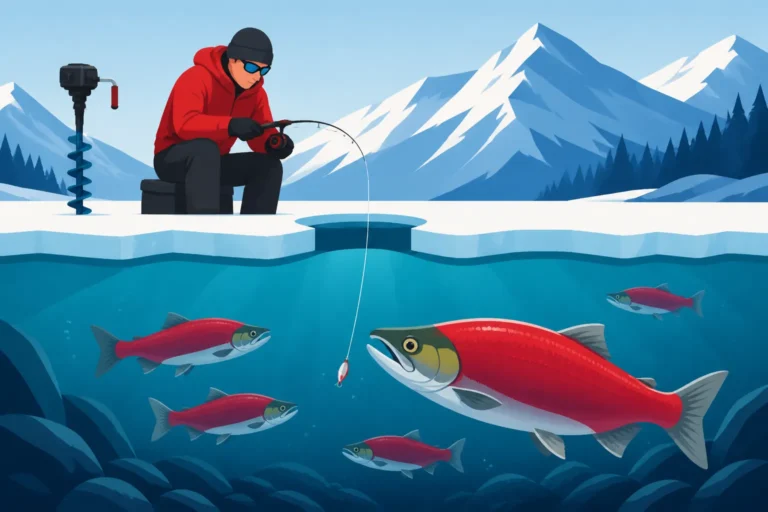
Sockeye Salmon Fishing in BC: Sockeye, primarily plankton feeders in the ocean, typically become non-feeders once they enter freshwater. However, they are still highly susceptible to "snagging" or "flossing" techniques (where the line passes over their back and the hook snags their mouth or body, sometimes accidentally) in rivers, and during their migration, they can be quite responsive to bright, flashy lures or flies, especially at dusk. The theory is that while not actively feeding, they may strike out of aggression or instinct at something passing too close, particularly when feeling less exposed in dimmer light. Small, brightly coloured jigs or flies, especially those with some UV or glow properties, can provoke a reaction strike. Understanding Sockeye Salmon Fishing in BC regulations is crucial, as they are often subject to specific conservation measures.
Pink Salmon Runs in BC: Pink salmon, often the most numerous salmon species, are incredibly aggressive biters, and this doesn't wane at dusk. They readily strike at small, flashy spoons, spinners, or flies. The reduced light might make their already opportunistic nature even more pronounced. Pinks are not usually known for being picky, and the low light simply makes them bolder. The "pink" specific lures are often effective all day, but at dusk, they seem to really light up. When fishing for pinks, keeping your offerings moving and flashy can capitalize on their aggressive, instinctual strikes.
Chum Salmon Runs in BC: Chum salmon, while less commonly targeted for table fare, are powerful fighters that offer incredible sport. In freshwater, they are notoriously difficult to entice with traditional feeding patterns, but like sockeye, they can be provoked by bright, flashy presentations, especially jigs or large flies. As the light fades, the boldness that low light provides can sometimes make them more receptive to these "reaction" strikes. Their sheer size and strength make them a formidable opponent, especially when battling them as darkness descends.
Essential Techniques and Gear for Dusk Salmon Fishing
To truly capitalize on the dusk bite, you need to adjust your approach. What works perfectly in bright sunlight might be completely ignored when the shadows stretch long across the water. It’s about adapting your presentation and ensuring you’re prepared for the diminishing light.
Adapting Lures and Baits for Low Light Conditions
The primary challenge at dusk is reduced visibility, both for you and for the fish. This means your lures and baits need to work harder to get noticed.
-
Color Choices: While bright, natural colours can be effective during the day, at dusk, contrast and luminescence become king. Think about darker colours like black, blue, purple, or deep green, especially when silhouetted against a lighter sky or water surface. These create a more defined profile. Alternatively, lures with reflective properties (chrome, iridescent finishes) or those that glow in the dark can be deadly. Many anglers swear by glow-in-the-dark Hoochies for saltwater Chinook and Coho fishing, or lures with embedded UV paint for both freshwater and saltwater species. If you're using bait, adding a glow bead or a bit of reflective Mylar to your leader can make a huge difference. For river fishing, consider lures that have a strong colour contrast. You might even want to check out some options on Amazon that boast these glow or UV features. When it comes to fishing in less than ideal light, the Best Lure Color for Murky Water Steelhead Fishing principles can often be applied successfully to salmon.
-
Sound and Vibration: When fish can't see as well, they rely more heavily on their lateral line to detect vibrations. Lures that generate strong vibrations, like lipped plugs, noisy spoons, or spinners with large blades, become incredibly effective. The erratic wobble or flash can be picked up from a greater distance, drawing curious (or aggressive) salmon in for a closer look. Rattling lures are also a fantastic choice, as the sound carries through the water, alerting fish to their presence.
-
Scent: This is often overlooked but becomes crucial in low light. Salmon have an incredible sense of smell. Adding scent attractants to your lures or baits can be the decisive factor, turning a looker into a taker. Whether it's a commercially prepared gel, a salmon egg cluster, or a marinated strip of herring, scent leaves a trail that salmon can follow, even in complete darkness. When learning How to rig herring for chinook trolling, remember that fresh bait and a good scent can significantly boost your evening bite.
Strategic Casting and Presentation in Fading Light
Your approach to presentation also needs a dusk-specific tweak. It's not just about what you're using, but how you're using it.
-
Slower Retrieve, Longer Pauses: In dimmer light, fish might be less willing to chase down a lightning-fast lure. A slower, more deliberate retrieve allows them more time to locate your offering and commit to a strike. Incorporate pauses into your retrieve, letting a spoon or jig flutter and fall, mimicking a wounded baitfish. These pauses can often trigger a reaction bite from a hesitant salmon.
-
Targeting Ambush Points: As salmon move shallower or become more active at dusk, they often position themselves in classic ambush points: behind rocks, at the edge of current seams, along submerged logs, or near weed lines. Focus your casts on these areas, presenting your lure or bait naturally with the current or along the structure. Make sure your casts are precise, as wasted casts in fading light can be frustrating.
-
Stealth and Soft Landings: Even in low light, noise and disturbance can spook fish. Be mindful of your movements on the bank or in the boat. Make soft casts that don't splash loudly, and try to land your lure gently. The calmer water and reduced pressure at dusk mean fish are more likely to be relaxed, but they're still sensitive to sudden disturbances.
Safety and Practical Considerations for Nightfall
Fishing into dusk and beyond can be incredibly rewarding, but it also introduces safety considerations that you wouldn't typically face during the day. Being prepared is paramount for a safe and enjoyable experience.
-
Lighting: This is non-negotiable. A good headlamp with adjustable brightness and a red-light option (to preserve night vision) is essential. Carry spare batteries. For boaters, ensuring all navigation lights are functional and visible is critical, as per BC Boating Laws for Anglers. A secondary flashlight is also a good backup. You'll need light for tying knots, unhooking fish, and navigating uneven terrain.
-
Warmth and Layering: Even on a warm summer day, temperatures can drop significantly after sunset, especially near water. Dress in layers, including waterproof outer shells. A warm hat and gloves are often appreciated. You'd be surprised how quickly the chill can set in once the sun's warmth is gone.
-
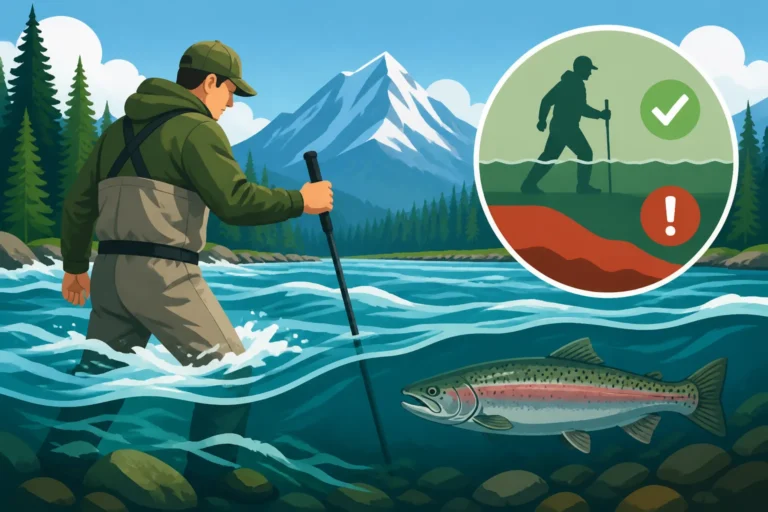
Navigation and Terrain Awareness: If you're fishing from shore, familiarize yourself with the terrain during daylight. Uneven banks, slippery rocks, and unexpected drop-offs become dangerous in the dark. Plan your access and exit routes beforehand. For boaters, have your charts or GPS ready, and know your way back to the launch or dock. Don't venture into unfamiliar waters at night.
-
Communication: Always let someone know where you're going and when you expect to return. Carry a fully charged phone, and consider a satellite communication device if you're in a remote area with spotty cell service.
-
First Aid Kit: A basic first aid kit is always a good idea, but even more so when visibility is limited. Minor cuts or scrapes are harder to deal with in the dark.
-
Bug Protection: Depending on the season and location, mosquitoes and other biting insects can become very active at dusk. Pack repellent!
-
Regulations and Limits: Double-check specific fishery notices for evening closures or species-specific regulations. It's easy to lose track of time when the bite is hot, but staying within your BC Bag and Possession Limits by Species and understanding slot limits is crucial. This also applies to things like your BC Tidal Waters Salmon Conservation Stamp Cost or other required endorsements.
Maximizing Your Dusk Salmon Success: Tips from the Pros
Beyond the basic gear and techniques, there are subtler elements that seasoned anglers employ to consistently find success during the twilight hours. These often involve a deeper understanding of fish behaviour and environmental factors.
Reading the Water and Anticipating the Bite
The fading light changes how you interpret the water. You can't rely solely on visual cues, so other senses and knowledge become paramount.
-
Listen for Activity: When you can't see the surface as clearly, listen intently. Splashes, boils, or the distinct "thump" of a salmon jumping can indicate active fish. Often, the twilight bite starts with a frenzy of surface activity as salmon feed on baitfish. This is your cue to cast towards the commotion.
-
Feel the Current and Structure: Learn to interpret the water with your rod tip. Feel for current seams, changes in depth, or the presence of submerged structure. This becomes especially important in river fishing, where subtle changes in current can reveal holding lies. For instance, a break in the current behind a large boulder can be a perfect ambush point for a salmon, and in low light, they’ll feel safer moving into that position.
-
Observe Baitfish Behaviour: If you can see baitfish, watch how they behave. Are they scattering? Are they schooling tightly? Their movements can tell you if predators are nearby. Even if you only catch glimpses, these clues can point you to where the salmon are likely to be.
-
The "Golden Hour" Strategy: Just as photographers refer to the golden hour, anglers have a similar concept for fishing at dawn and dusk. This isn't just about pretty light; it's about the optimal light conditions when many species become most active. The last 30-60 minutes before the sun fully sets and the first 30-60 minutes after it's gone are often the most productive. Don’t wait until it's pitch black, but aim to be on the water and fishing actively through the entire twilight period. Consider planning your fishing trip to overlap with these critical windows.
Weather, Tides, and Barometric Pressure at Sunset
While dusk itself is a trigger, other environmental factors still play a significant role. Savvy anglers combine the natural dusk advantage with knowledge of these influences.
-
Tidal Influence (Saltwater): For coastal salmon fishing, incoming and outgoing tides, particularly around the slack water periods, can be phenomenal at dusk. Tides stir up bait, create current lines, and concentrate food sources. A strong tide at dusk often means an explosive bite. The specific tide you target might depend on the location and the species, but aligning a favourable tide with the twilight period is a recipe for success. You can easily find tide charts online or through various fishing apps to plan your trips.
-
Barometric Pressure: Stable or rising barometric pressure often corresponds with better fishing, and this holds true at dusk. A falling barometer, indicative of an approaching storm front, can sometimes trigger a pre-front bite, but often leads to slower fishing afterwards. Pay attention to weather forecasts and choose evenings with stable conditions for the best results.
-
Cloud Cover: Overcast conditions or light rain can sometimes extend the low-light bite, making fish more comfortable and active for longer periods throughout the day and into dusk. Heavy rain or turbulent weather, however, can make fishing difficult and even dangerous. A cloudy, calm evening at dusk is often ideal.
-
Moon Phase: While more subtle, some anglers believe moon phase can influence night fishing. A new moon (dark sky) provides the darkest conditions, potentially making glow lures even more effective. A full moon, while providing more light, can also make fish more active through the entire night, spreading out their feeding times rather than concentrating them solely at dusk. This is often more of a secondary consideration but worth noting for dedicated night anglers, as covered in Night Fishing for Salmon in BC. Ultimately, combining the proven dusk advantage with a favorable moon and tide can lead to truly memorable fishing experiences.
When you pack your gear for an evening adventure, remember to bring that positive attitude. The fish are there, and the magic of twilight on the water in BC is an experience in itself, whether you land a trophy or simply enjoy the peace.
Disclaimer
This article is for general informational purposes only and does not constitute professional advice. Laws, prices and regulations vary by location and change over time. Consult a qualified professional for guidance on your specific situation.