How thick ice needs to be to fish safely in BC
The lure of hardwater fishing in British Columbia is incredibly strong. There's something uniquely peaceful and thrilling about setting up on a frozen lake, surrounded by crisp, still air, waiting for that telltale tug on your line. However, this exhilarating pursuit also brings a critical question that often keeps anglers up at night: exactly how thick does the ice need to be to fish safely in BC? The anxiety of stepping onto uncertain ice is a very real concern for many, and getting it wrong can have serious consequences. This guide aims to alleviate that worry by providing clear, detailed information on ice thickness, safety protocols, and what to look for when venturing out onto BC's frozen waters.
The Critical Importance of Ice Safety for BC Anglers
It might seem obvious, but ice safety is paramount. We all dream of a successful day on the ice, reeling in a beautiful catch, but that dream can quickly turn into a nightmare if safety isn't the absolute top priority. The consequences of misjudging ice conditions are severe, ranging from hypothermia to drowning, and it's simply not worth the risk for a few fish.
The Very Real Dangers of Thin Ice
Let's be realistic: falling through the ice is terrifying. It's not just about getting wet; it's about the immediate shock of the frigid water, the rapid onset of hypothermia, and the incredible difficulty of getting yourself out, especially when weighed down by winter clothing. The initial cold shock can cause involuntary gasping, leading to water inhalation, and within minutes, your body begins to lose fine motor skills. Panic can set in, making a dangerous situation even worse. Many experienced anglers have horror stories or close calls, and they’ll tell you that taking chances with ice is simply foolish. It’s not just about you either; if you’re fishing with friends or family, their safety is also in your hands.
Beyond the Plunge: Other Overlooked Risks
While falling through is the most dramatic danger, there are other risks associated with unstable ice. Imagine you're out there, a good distance from shore, and the ice around you starts to crack and shift, creating large fissures. This can strand you or force a difficult, potentially unsafe journey back. Even if the ice doesn't fully break, partial cracking can cause significant stress and anxiety, ruining your day and potentially leading to dangerous decisions. Equipment loss is another factor; imagine losing your auger, rods, or even your ice shelter to the depths. Beyond that, the long-term health effects of severe hypothermia can be serious, and the psychological impact of a near-drowning experience can linger for years. Always remember that the ice is an unforgiving surface, and respect for its power is non-negotiable.
Understanding Recommended Minimum Ice Thickness for BC Fishing
This is the golden question, isn't it? What's the magic number? The truth is, there's no single, universally perfect answer because so many factors come into play. However, general guidelines exist, based on extensive safety research and real-world experience, that every BC ice angler should know and adhere to. These are minimums, not targets, and erring on the side of caution is always the best approach.
General Guidelines for Different Activities
Different activities exert different pressures on the ice, so the required thickness varies. Here’s a general overview of recommended minimum ice thickness for various ice fishing activities:
| Activity | Minimum Recommended Ice Thickness | Notes |
|---|---|---|
| Foot travel only | 4 inches (10 cm) | For solo anglers, light equipment. Always test frequently. |
| Small groups on foot | 5-6 inches (12-15 cm) | For small groups of two or three anglers. Keep distance between people. |
| Snowmobile or ATV | 8-12 inches (20-30 cm) | Consider weight of vehicle, gear, and passengers. Heavier vehicles need more ice. |
| Car or Small Truck | 12-15 inches (30-38 cm) | Not generally recommended for recreational fishing. Avoid unless absolutely certain and authorized. |
| Heavy equipment / Large Trucks | 16-20+ inches (40-50+ cm) | Professional use only, with strict safety protocols and expert assessment. Not for recreational purposes. |
Remember, these are guidelines for clear, solid, new ice, often called "black ice." Other types of ice require significantly more thickness to be considered safe, which we'll discuss shortly. Never assume a frozen lake is safe just because others are out there. They might be taking risks you shouldn't, or they might know something you don't (like where the weak spots are!). Always check with local authorities or experienced ice anglers for current conditions, and consider consulting How to check BC fishery notices before a trip for any special advisories.
The "New Black Ice" Rule of Thumb and Its Limitations
When people talk about ice thickness, they're often referring to "new black ice." This is the strongest type of ice, formed when water freezes rapidly and cleanly, appearing dark and almost transparent. This is the ideal ice for fishing. The rule of thumb for new black ice is typically 4 inches for foot travel. However, this rule has significant limitations. It doesn't account for:
- Ice type: As we'll delve into, white ice or "snow ice" is much weaker.
- Ice consistency: Is it uniformly thick, or are there cracks, weak spots, or areas thinned by currents?
- Recent weather: Has there been a sudden warm spell? Heavy snowfall? Both can compromise ice integrity.
- Load distribution: Are you alone, or is a group gathered in one spot?
- Subsurface conditions: Underwater springs or currents can create localized thin spots that are incredibly dangerous and almost impossible to see from above.
Relying solely on this rule without considering other factors is a recipe for disaster. It's a starting point, not a definitive safety clearance.
Always Verify: No Guarantees on Ice
Even with guidelines, there are simply no guarantees when it comes to natural ice. Lakes and rivers freeze unevenly, and conditions can change rapidly. What was safe yesterday might not be safe today. The best policy is always to verify the conditions yourself, every time you go out. This means testing the ice, observing your surroundings, and staying vigilant. Never blindly follow tracks or assume because someone else is out there, it's safe for you. Every angler has a responsibility for their own safety. If you're new to ice fishing, consider going with an experienced mentor or a guide who truly understands local conditions. Some of the Best ice fishing access on Shuswap Lake or the Best ice fishing access in the Cariboo region are popular for a reason – local knowledge is often shared freely and can save lives.
Key Factors Influencing Ice Strength and Integrity
You know how when you're making a cake, even if you follow the recipe, sometimes it just doesn't turn out right because of humidity or oven inconsistencies? Ice is much the same. Its strength isn't just about how many inches deep it is; it's about how it formed and what's happened to it since. Ignoring these variables is where many anglers get into trouble.
The Science of Ice Formation: White Ice vs. Black Ice
Not all ice is created equal, and understanding the difference is crucial for your safety.
- Black Ice (Clear Ice): This is the strongest type of ice, formed by direct freezing of water. It's usually dark and transparent, allowing you to see into the water below. It's incredibly dense and uniform. When safety guidelines mention specific thicknesses, they are almost always referring to black ice. Four inches of black ice is generally considered the minimum for a single person on foot.
- White Ice (Snow Ice, Slush Ice, Milky Ice): This type of ice forms when slush or wet snow freezes, or when snow melts and refreezes on top of existing ice. It appears opaque, milky, or white because it contains air pockets and other impurities. White ice is significantly weaker than black ice – sometimes only half the strength of the same thickness of black ice. An area of 8 inches of white ice might only be as strong as 4 inches of black ice. This is a common pitfall for anglers who see impressive thickness but don't consider the quality of the ice.
- Honeycomb Ice: This forms during thawing conditions. The ice crystals begin to melt and separate, especially around the edges of lakes or where warm water enters. It can appear thick but is incredibly brittle and dangerous, often crumbling easily under pressure. Avoid any ice that looks like a honeycomb or has a "candied" appearance.
Always be wary of varying ice colors or textures. A patchy lake with different ice types is inherently more risky than one with uniform black ice.
The Relentless Impact of Weather and Temperature Swings
British Columbia's weather can be fickle, and temperature fluctuations are a major enemy of stable ice.
- Warm Spells: Even a few days of above-freezing temperatures can significantly weaken existing ice, especially if accompanied by rain. The sun's rays can penetrate clear ice, melting it from within. A beautiful, seemingly solid sheet of ice can quickly become treacherous.
- Cold Snaps: While cold weather generally makes ice stronger, rapid drops in temperature can cause existing ice to crack and heave. While these cracks usually refreeze, they can create weak points if they don't seal completely or if new stress is applied.
- Wind: Strong winds can create open water even in freezing temperatures, especially on larger lakes. They can also prevent new ice from forming or cause existing ice sheets to shift and create dangerous pressure ridges.
Always check the forecast, not just for the day you plan to fish, but for the preceding days as well. A warm front moving in is a clear signal to exercise extreme caution or, better yet, postpone your trip. The general rule of thumb is that if the air temperature has been above freezing for more than 24 hours, ice conditions are suspect.
Hidden Threats: Currents, Springs, and Structures
What you can't see beneath the ice can absolutely hurt you.
- Currents: Rivers and areas where rivers flow into or out of lakes will almost always have thinner ice, even in deep freezes. The constant movement of water prevents stable ice formation. This is why ice fishing on the Fraser River, for example, is extremely rare and only done in very specific, carefully monitored backchannels, if at all. Avoid fishing near river inlets, outlets, or narrow channels in lakes where currents are likely to be present.
- Underwater Springs: Many BC lakes have natural springs that feed into them, releasing warmer water from underground. These localized warm spots can create dangerously thin patches of ice, often in unexpected locations. These areas are almost impossible to detect from the surface without careful probing.
- Submerged Structures: Docks, logs, rocks, and even old sunken boats can absorb heat from the sun or conduct it from the warmer water below, creating pockets of thinner ice around them. Additionally, these structures can cause eddies and currents, further compromising ice integrity. Be extra cautious around anything that breaks the uniformity of the ice or extends beneath the surface.
- Shoreline Cracks: The ice near the shoreline often freezes and thaws differently due to heating from the land, wave action, and fluctuating water levels. This can create unstable sections, making entry and exit points particularly risky.
These hidden threats are why thorough ice checking is critical, not just once, but as you move across the lake.
The Deceitful Blanket: Snow Cover on Ice
Snow might look peaceful, but it's often a troublemaker for ice anglers.
- Insulation: A thick blanket of snow acts as an insulator, preventing new ice from forming quickly or thickening existing ice. It essentially keeps the cold out, and the "warmer" water temperatures in.
- Weight: Heavy snow can weigh down existing ice, causing water to seep up through cracks and create slush. This slush, when it refreezes, forms the weaker "white ice."
- Concealment: Snow cover can hide dangerous cracks, open water, or areas of thin, unstable ice. You might be walking over a precarious patch without even realizing it. This is particularly concerning if you're venturing out on a lake you don't know well.
Always be extra cautious on snow-covered ice, as it obscures visual cues that would otherwise warn you of danger. It's often safer to stick to areas with less snow cover where you can visually inspect the ice.
Practical Steps for Measuring Ice Thickness and Ensuring Your Safety
Knowing the theory is one thing, but putting it into practice is what keeps you safe. You wouldn’t drive a car without checking the fuel, and you shouldn’t go ice fishing without checking the ice. This isn't just common sense; it's a non-negotiable part of the sport.
Essential Tools for Reliable Ice Measurement
You need the right gear to safely assess ice conditions. Don't rely on guesswork or a single visual glance.
- Ice Augers: A hand or power auger is indispensable for drilling test holes to measure ice thickness. Many anglers will drill holes every 10-15 feet as they move onto the ice, especially in unfamiliar areas. You can find robust augers on Amazon that are perfect for BC conditions.
- Ice Chisels/Spuds: A long, heavy ice chisel (or spud bar) is a vital safety tool, especially for early season or uncertain ice. You use it to strike the ice ahead of you. If it goes through in one or two strikes, the ice is too thin. If it takes several forceful blows, it's likely safe. It also serves as a measuring stick once you've made a hole.
- Tape Measure or Ruler: A simple tape measure or ruler is critical for getting an accurate reading from your test holes. Don't eyeball it!
- Probe/Sounding Device: Some anglers use a collapsible probe or sounding device to check ice thickness from a distance, or to quickly assess conditions ahead without drilling a full hole.
Always carry these tools and use them frequently. They are your first line of defense against thin ice.
A Step-by-Step Guide to Safe Ice Probing
Here’s a practical approach to safely venturing onto the ice:
- Start at the Shoreline: Never jump directly onto the ice from the bank. Always test the ice at the entry point with your spud bar. Make several strikes. If it holds, proceed carefully. The ice near the shore is often the weakest point.
- Use the "Spud and Shuffle" Method: As you move away from shore, continue to strike the ice firmly with your spud bar every few steps. If it breaks through easily, you know the ice is too thin. Shuffle your feet rather than lifting them to distribute your weight.
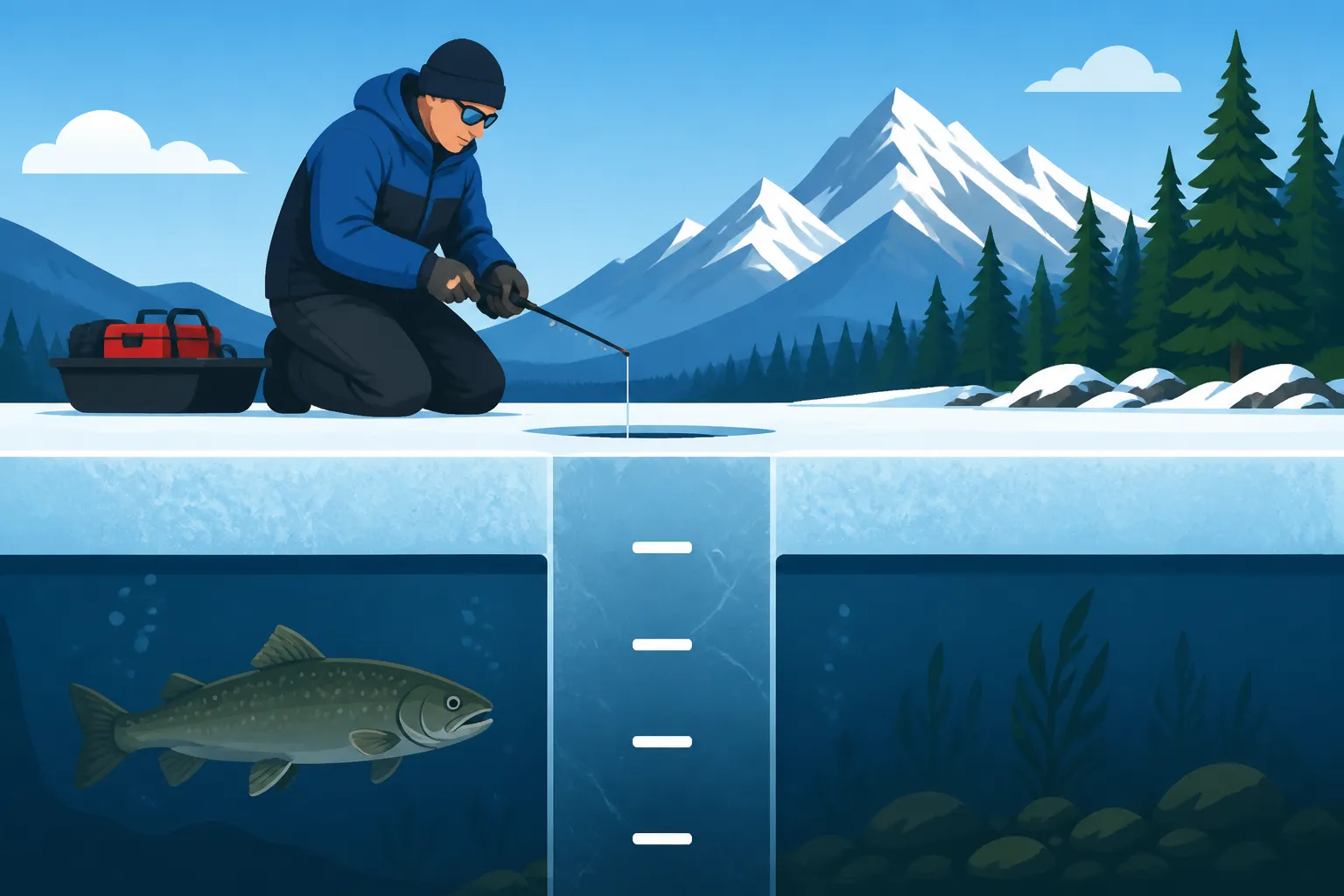
- Drill Test Holes Frequently: Don't just check once. Drill a hole every 10-15 feet as you move onto the lake, especially in new territory. Measure the ice thickness at each hole. This is where your auger and tape measure come in. This also helps you observe the type of ice (black, white, honeycomb) you're dealing with.
- Observe Your Surroundings: Pay attention to visual cues. Are there open water patches? Fresh cracks forming? Areas of discolored or slushy ice? If you see any red flags, turn back immediately.
- Listen to the Ice: Ice often makes sounds. Booming noises usually indicate thickening, stable ice. Groaning or cracking sounds, especially those that don't quickly dissipate, could be a warning sign.
- Fish with a Buddy: Never ice fish alone. If something goes wrong, a companion can be a lifesaver. Ensure your buddy also understands ice safety protocols.
- Share Information: Communicate with other anglers you meet. Ask about conditions they’ve encountered, and share your own observations. This collective knowledge enhances safety for everyone.
Remember, conditions can change. If you've been on the ice for hours and a warm front moves in, or you hear significant cracking, re-evaluate and consider heading back to shore.
Equipping Yourself for the Unexpected: Personal Safety Gear
Beyond measuring tools, personal safety gear is absolutely essential for anyone venturing onto the ice. Think of it as your insurance policy – you hope you never need it, but you're profoundly grateful if you do.
- Ice Picks: These are non-negotiable. Worn around your neck, ice picks are two spiked handles connected by a cord. If you fall through, you can use them to get a grip on the ice and pull yourself out. They are incredibly effective and cost very little. You can find various options on Amazon.
- Flotation Suit or Life Jacket: A full flotation suit (like an ice fishing specific model) offers warmth and buoyant support if you fall in. Alternatively, wearing a Coast Guard approved personal flotation device (PFD) or life jacket is crucial. Even if the water is cold, the PFD will keep your head above water, conserving energy and buying you precious time. Remember, even if you’re not in a boat, Life Jacket Requirements for BC Boaters apply conceptually to ice safety – buoyancy is key!
- Throw Rope/Rescue Bag: A specialized rescue bag containing a coiled rope that floats is excellent for helping a buddy who has fallen in. You can throw it to them from a safe distance.
- Whistle/Signaling Device: If you're in distress, a loud whistle can alert others to your location, especially in low visibility or strong winds.
- Spare Clothes: Keep a dry change of clothes in a waterproof bag, preferably in your vehicle, or in a waterproof container near your fishing spot. If you get wet, you'll need them immediately.
- Warm Drinks and Snacks: Hypothermia sets in quickly. Hot drinks and high-energy snacks can help maintain core body temperature.
What to Do in an Ice Emergency
If the unthinkable happens and you or a companion falls through the ice, quick and correct action is vital.
If you fall through:
- Don't Panic: This is easier said than done, but control your breathing. The cold shock will pass in a minute or two.
- Turn Towards Where You Came From: The ice you just walked on was strong enough to hold you.
- Use Your Ice Picks: Dig them into the ice and pull yourself forward, kicking your feet to create momentum. Try to get as much of your body onto the ice as possible, using a "seal crawl" to distribute your weight.
- Roll Away: Once you're out, don't stand up. Roll away from the hole until you are on undeniably solid ice, then crawl back to shore.
- Get Warm, Immediately: Change into dry clothes, seek shelter, and warm up with hot drinks. Get medical attention if necessary.
If someone else falls through:
- Shout for Help: Alert others to the situation.
- Stay Back: Do not rush towards the hole, as the ice around it is likely weak.
- Reach, Throw, Go (Never Go):
- Reach: If safe to do so from solid ice, extend a branch, pole, or rope to the victim.
- Throw: Toss a rescue bag or any buoyant object attached to a rope to them.
- Go (Never Go Alone): Only as a last resort, and only if you have a team and proper safety gear (like another rescue rope and flotation device), consider crawling towards the victim while distributing your weight. Never stand up, and never attempt a rescue alone if it puts you at risk.
- Call Emergency Services: Even if the person gets out, they may need medical attention for hypothermia.
Ice fishing in BC is an incredible experience, offering solitude, challenge, and often, delicious rewards. However, it demands respect for the environment and a commitment to safety. By understanding ice conditions, using the right tools, and being prepared for emergencies, you can ensure your hardwater adventures are memorable for all the right reasons. Always prioritize safety above all else, because no fish is worth risking your life for. Make sure you're aware of regulations such as BC Fishing Season Dates and Closures and BC fishing license age requirements as part of your responsible fishing practice. Ignoring regulations, especially those pertaining to safety, can lead to serious consequences, including BC fishing without a license penalty or worse.
Disclaimer
This article is for general informational purposes only and does not constitute professional advice. Laws, prices and regulations vary by location and change over time. Consult a qualified professional for guidance on your specific situation.