How to catch lingcod around rocky structure
It’s incredibly frustrating, isn't it? You head out to your favourite fishing grounds, knowing those elusive lingcod are lurking somewhere down there, but they seem to vanish into thin air, particularly when they’re tucked away deep in that gnarly, rocky structure they call home. It feels like you’re either getting snagged every five minutes, losing expensive gear, or just not getting any bites. But don’t worry, you’re not alone in this struggle, and this comprehensive guide is here to unravel the mysteries of catching lingcod around rocky structure in British Columbia, offering proven strategies and techniques to boost your success and minimize those dreaded snags.
Understanding Lingcod and Their Preferred Rocky Haunts
Lingcod are truly one of British Columbia’s most iconic and sought-after bottom dwellers. They're not actually a cod, but part of the greenling family, and they are incredibly tenacious fighters known for their voracious appetites and impressive size. Catching one is a badge of honour for any BC angler, but you need to know where they live and why.
Biology of the Beast
Lingcod (Ophiodon elongatus) are fascinating creatures. They can live for a good couple of decades, growing to truly monstrous sizes, with some giants pushing over 60 pounds, though the average is much smaller, typically in the 10-20 pound range. They have an impressive set of teeth, perfect for ambushing prey, and their camouflage allows them to blend in perfectly with their surroundings. These fish are ambush predators, preferring to lie in wait, perfectly still, before exploding out to snatch an unsuspecting rockfish, herring, or even a smaller octopus. Their reliance on surprise attacks is a key factor in understanding why they stick so close to structure. They don't chase their food across open water; they prefer to pounce from a hidden vantage point. Learning about the Lingcod Habits Around Structure can really help you pinpoint where to drop your line.
Why Structure is King for Lingcod
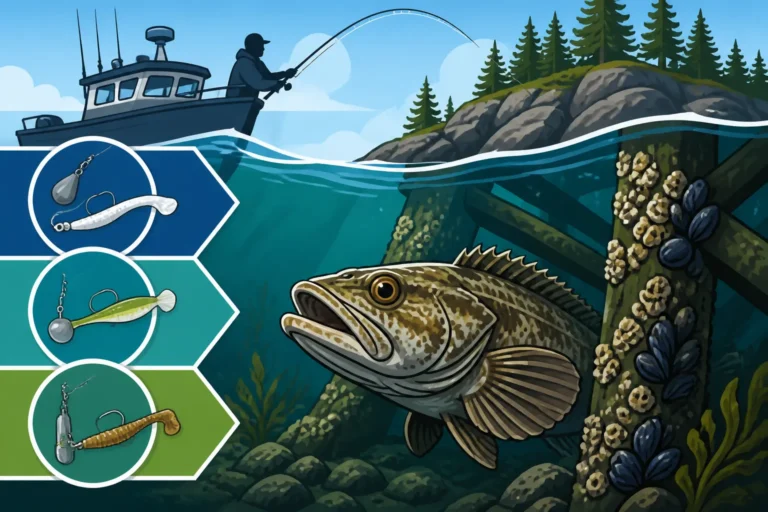
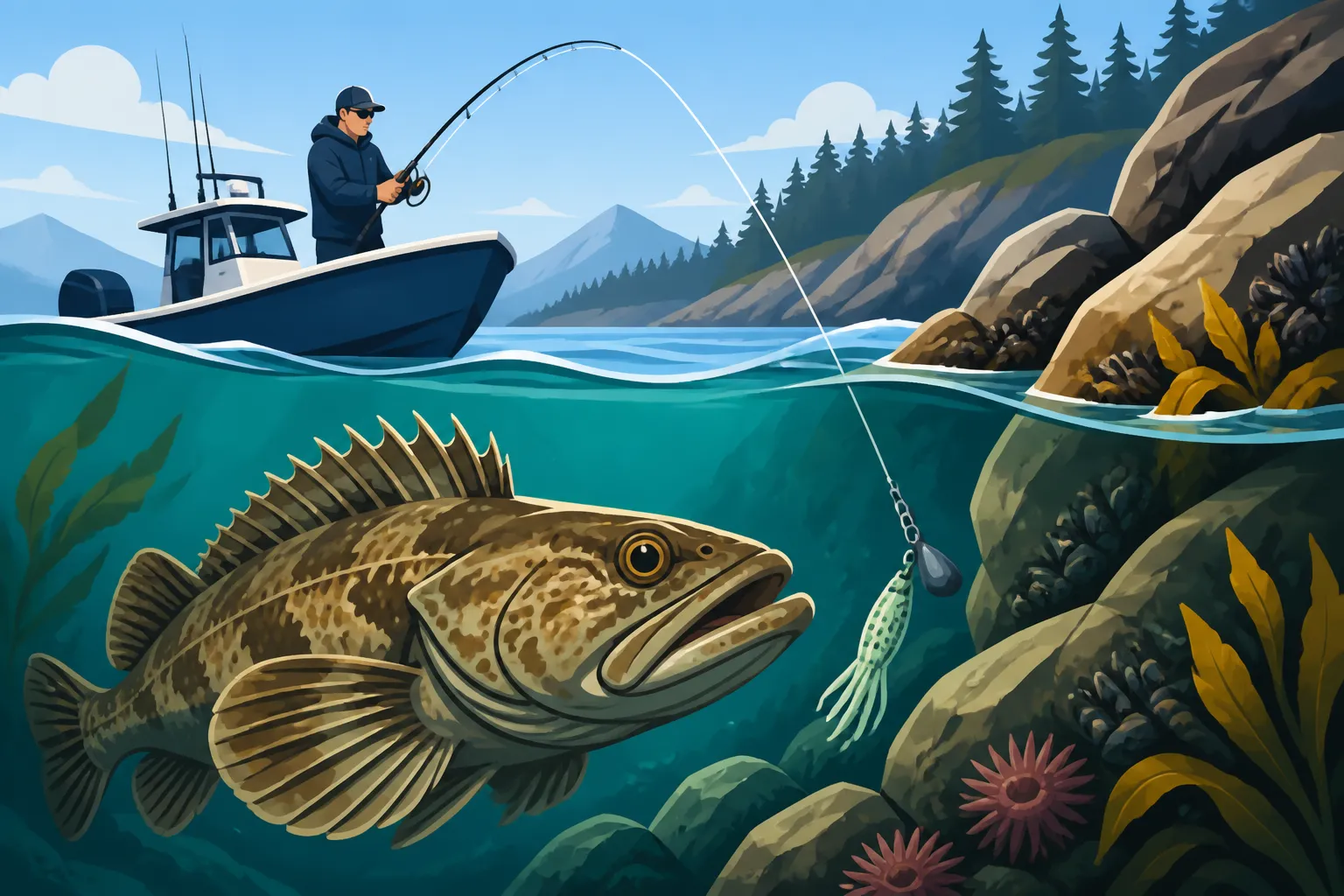
Lingcod are absolute masters of the rocky environment. They crave structure, and for good reason. Think of a lingcod’s perfect home: it’s not a flat, sandy bottom. No, they want crevices, ledges, boulder fields, kelp forests, and even artificial reefs like wrecks. This complex habitat provides them with everything they need to thrive.
Firstly, it offers protection from larger predators, though lingcod are often near the top of the food chain themselves in their specific niche. More importantly, it provides them with countless ambush points. Imagine a dark shadow hugging the bottom of a rock pile, invisible until a unsuspecting school of baitfish swims by. That's a lingcod in its element. These structures also provide shelter from strong currents, allowing them to conserve energy. And let’s not forget the food source: rocky reefs are teeming with smaller fish, crabs, and other invertebrates that make up a lingcod’s diet. When you’re looking for these fish, you need to think like one. If you see a promising looking rock ledge or a sunken ridge on your sonar, that’s where the action is likely to be.
Essential Gear for Rocky Lingcod Lairs
Fishing for lingcod in rocky structure means you’re going to be putting your gear to the test. This isn't light tackle territory. You need robust rods, strong reels, and abrasion-resistant lines to contend with powerful fish and unforgiving underwater terrain. Cheap gear here often means lost fish and a lot of frustration.
Rod and Reel Setup for Battle
When it comes to rods, you’ll want something stout and powerful. A medium-heavy to heavy action rod, typically 6 to 7.5 feet in length, is ideal. Look for a rod with a fast tip for sensitivity, but with plenty of backbone to muscle a big lingcod away from a snag and handle heavy weights. Fiberglass rods are often preferred by many seasoned anglers for their durability and forgiveness when a lingcod decides to dive back into the rocks. For the reel, a conventional lever-drag or star-drag reel is usually the go-to, especially for deeper water. Brands like Penn, Shimano, and Accurate make excellent conventional reels that can withstand the abuse of lingcod fishing. You want something with a smooth, powerful drag system that can hold at least 200-300 yards of heavy line. Spinning reels can work for lighter jigging in shallower water, but for true trophy lingcod, a conventional setup offers superior cranking power and control.
Line and Leader Choices to Beat the Bumps
Your line is the crucial connection, and in rocky environments, it needs to be tough. Braided line, with its incredible strength-to-diameter ratio and zero stretch, is almost universally preferred as your main line. A good starting point is 50 to 80-pound test braided line. The no-stretch property of braid allows you to feel the most subtle bites, even in deep water, and gives you direct hook-setting power. However, braid is visible and has no abrasion resistance, which is why a good leader is paramount.
You'll want a monofilament or fluorocarbon leader of 60 to 100-pound test. Fluorocarbon is less visible and highly abrasion-resistant, making it an excellent choice, but it can be pricier. Monofilament, while a bit more visible, is also very abrasion-resistant and more affordable. The leader should be long enough to protect your main line from the rocks, typically 3 to 6 feet, depending on how snaggy the area is. Connect your braid to your leader with a strong knot, such as a FG knot or an Albright knot, ensuring it's tied perfectly to maintain maximum strength.
Lure and Bait Arsenal for Lingcod
Lingcod aren’t overly picky, but certain presentations definitely outperform others, especially when targeting them in their rocky homes.
| Lure Type | Best Use Case | Pros | Cons |
|---|---|---|---|
| Jigs (Metal) | Deep water, fast current, vertical jigging | Get down fast, durable, mimic baitfish, good for aggressive fish | Prone to snagging, can be expensive to lose |
| Soft Plastics | Versatile, slow retrieve, mimic baitfish/squid | Natural action, various sizes/colors, good for enticing less active fish | Less durable than metal, can be torn by lingcod teeth |
| Live Bait | Any depth, especially slow bites, picky fish | Irresistible natural action, high hook-up ratio | Hard to source/keep, can be awkward to rig, less control in current |
| Cut Bait | Bottom fishing, slow drifts, scent trail | Strong scent, easy to obtain, effective on inactive fish | Less natural action, susceptible to bait stealers |
Jigs: Heavy metal jigs, often weighing 6 to 16 ounces, are fantastic. Crippled herring jigs, flutter jigs, and even simple lead jigs with a heavy-duty single hook or treble hook can be incredibly effective. Colours that mimic local baitfish, like chrome, blue, green, or glow-in-the-dark options, are always good bets. You can find a wide array of options on Amazon, and it's wise to have a selection of sizes and colours to match the conditions.
Soft Plastics: Large swimbaits, curl-tail grubs, and even paddle-tail plastics rigged on heavy jig heads (4-12 ounces) are also deadly. These can be fished vertically or drifted slowly along the bottom. Look for durable soft plastics from brands like Berkley Gulp! or Big Hammer that can withstand those sharp lingcod teeth. Again, check Amazon for competitive pricing on bulk packs.
Live Bait: If you have access to live bait like herring, mackerel, or even smaller rockfish (check regulations for bait fish use), they are undeniably effective. Lingcod simply can’t resist a struggling live fish. Rig them with a large single hook through the nose or back, using a heavy mooching sinker or a three-way swivel setup to get them down to the structure.
Cut Bait: Fresh cut bait, such as herring strips, salmon pieces, or squid, presented on a large circle hook with a dropper weight, can also be very productive. The scent trail can draw lingcod out of their hiding spots.
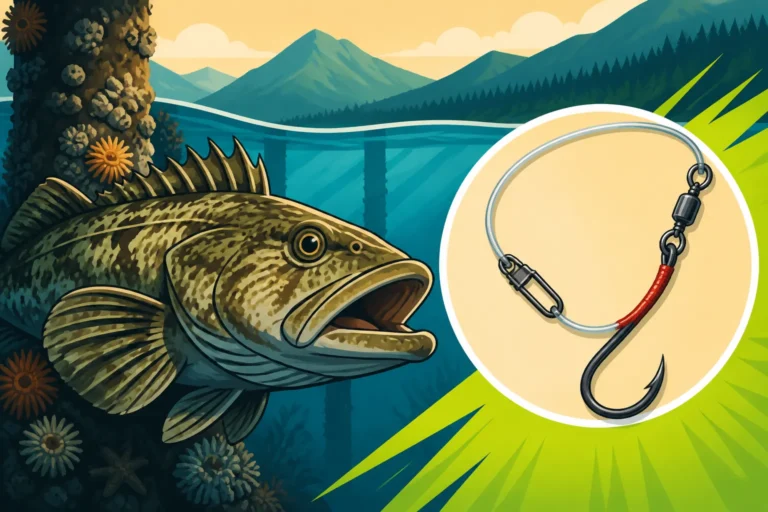
Remember, the key is heavy-duty terminal tackle. Use strong swivels, heavy-duty snaps, and robust hooks that won’t bend under pressure. Losing a trophy fish to cheap hardware is a heartbreaker.
Top Techniques for Fishing Rocky Structure
Fishing around structure requires a nuanced approach. It’s not just about dropping a line; it’s about understanding how to present your bait or lure effectively while minimizing snags.
Vertical Jigging Secrets
Vertical jigging is one of the most effective ways to target lingcod in deep, rocky areas. The boat positions directly over the structure, and you drop your jig straight down.
- Drop to the Bottom: Let your jig fall until you feel it hit the bottom. This is crucial. Lingcod are bottom-oriented predators.
- Lift and Drop Action: Reel up a foot or two from the bottom to avoid immediate snags. Then, begin a retrieve pattern of sharp lifts (2-5 feet) followed by controlled drops, allowing the jig to flutter back down. The strike often happens on the fall.
- Feel for the Bite: Pay close attention to your line. Lingcod bites can range from a subtle tap to a jarring thud that almost pulls the rod out of your hand. When you feel anything unusual, set the hook immediately with a firm, sweeping motion.
- Work the Column: While lingcod are mostly on the bottom, don't be afraid to work your jig up through the water column a bit, especially if you see baitfish on your sonar. A lingcod might come up several feet to hit a lure.
- Minimize Snags: The biggest challenge. If you feel your jig touch structure, immediately lift it a foot or two. If you do get snagged, try letting out some line, then pulling from a different angle to free it. Sometimes a hard snap can work, but often, it's a lost cause. Be prepared to lose some gear; it's part of the game when fishing these areas.
Drifting Live or Cut Bait
Drifting bait is an excellent tactic when lingcod are less active or when you want to cover more ground along a large reef or rock pile.
- Understand Your Drift: Before you even drop a line, understand how the wind and current are going to move your boat. This dictates where you start your drift. You want your bait to drift naturally over the structure, not away from it.
- Weight it Right: Use enough weight to get your bait down to the bottom quickly and keep it there. A 6 to 12-ounce cannonball sinker or a lead jig head might be needed, depending on depth and current. A three-way swivel rig is popular for bait fishing, allowing your sinker to be on a dropper line, and your bait on a separate leader, often just off the bottom.
- Controlled Presentation: As you drift, keep just enough line out to maintain contact with the bottom. You want your bait to bounce, drag, or hover just above the rocks. If you’re constantly getting snagged, reduce your weight or lift your rod tip higher.
- Stay Attentive: Lingcod will often mouth the bait before fully committing. Don’t set the hook on the first subtle tap. Wait for a solid pull or the weight of the fish on the line before striking. Circle hooks are fantastic for bait fishing, as they often hook the fish in the corner of the mouth, reducing gut hooking and making catch and release easier, which is important for any protected species you might encounter. If you’re using live bait, remember that the fish will try to swim into cover once hooked, so you need to be ready to pull it away quickly.
Positioning for Success
Boat positioning is everything when fishing rocky structure. You need to be close enough to present your lure or bait effectively but not so close that you’re constantly battling snags or endangering your vessel.
- GPS and Sonar are Your Friends: Modern electronics are invaluable. Use your GPS to mark prime spots and drift lines. Your sonar (fish finder) will show you the contours of the bottom, identify rock piles, ledges, and even mark lingcod holding tight to structure. Look for those sudden depth changes, pinnacles, and shelves.
- Anchor Smart (or Don't): Sometimes anchoring precisely up-current or up-wind of a prime rock pile allows you to repeatedly present your offering to a specific spot. However, anchoring in a very snaggy area can be a nightmare to retrieve your anchor. Many prefer to drift, especially when exploring new grounds. If you do anchor, make sure your anchor is suitable for rocky bottoms and you have enough chain and rode.
- Tide and Current: Lingcod are often more active during tidal changes, especially around slack tide or when the current is just starting to pick up. These periods can concentrate baitfish and make it easier for lingcod to ambush. Conversely, very strong currents can make it difficult to get your bait down and hold bottom. Keeping an eye on BC Fishing Season Dates and Closures and current fishery notices will help ensure you're fishing legally and during optimal times.
Navigating and Locating Prime Structure
Finding the fish is half the battle, and when it comes to lingcod, finding the right structure is key. This often means relying on technology, local knowledge, and a good dose of patience.
Reading the Depths with Sonar and Charts
Your boat's electronics are your eyes underwater. A good quality fish finder with DownVü/SideVü or similar technology can transform your understanding of the seabed.
- Identifying Hard Bottom and Relief: Look for distinct marks that indicate hard bottom, like rocks, as opposed to soft sand or mud. You'll see sharper, more defined returns. More importantly, look for "relief" – changes in depth, ledges, pinnacles, and submerged rock piles. Lingcod will often be sitting right on top of these, or in the shadows they create.
- Marking Fish: While lingcod can be hard to distinguish from the structure itself, sometimes you'll see large, elongated marks right on the bottom or slightly above the structure. Mark these spots on your GPS immediately. Don't be surprised if your screen looks "dirty" with lots of clutter when you're over a productive rocky reef; that's good!
- Using Marine Charts: Combine your sonar with detailed marine charts (paper or electronic). These charts will often show depth contours, rock symbols, and even indicate submerged hazards or known reefs. Plotting potential spots on your GPS using chart data before you even leave the dock is a smart move. Areas marked as "rocky," "kelp," or with jagged contour lines are prime candidates. For example, the many islands and submerged reefs off Vancouver Island are renowned for their lingcod populations, as are certain deep water sections near Haida Gwaii.
Understanding Tidal Movements and Their Impact
Tides and currents are powerful forces in British Columbia’s coastal waters, and they play a significant role in how lingcod feed and position themselves.
- Current Breaks: Just like trout in a river, lingcod will use current breaks to their advantage. Look for the lee side of large rocks, submerged pinnacles, or points where the current creates an eddy or a slower flow. These are prime ambush points where lingcod can sit out of the main current flow and dart out for passing prey.
- Slack Tide vs. Moving Water: Many anglers find success around slack tide (high or low) when currents are minimal, as it's easier to maintain contact with the bottom and the fish might be more willing to move. However, moving tides often stir up baitfish and create feeding opportunities. Experiment to see what works best in your chosen location. Fast currents can be challenging because you need incredibly heavy weights to get down, and presentation becomes difficult. If the current is ripping, consider trying an area with less exposure, or switch to heavier jigs.
- Baitfish Concentration: Tidal currents also influence where baitfish congregate. Lingcod are keenly aware of these patterns. If you can locate schools of herring or other baitfish using your sonar, chances are lingcod won't be far behind, especially if those baitfish are near some gnarly structure.
Safety First in Rocky Areas
Fishing in rocky, often exposed, coastal areas of BC can be exhilarating but also dangerous if you’re not prepared.
- Know Your Vessel: Ensure your boat is suitable for the conditions and that you are proficient in handling it. Rocky areas often have shallow spots and strong currents that can catch you off guard. Always be aware of your surroundings, especially when drifting close to shore or exposed reefs.
- Life Jackets: This should be a given. Everyone on board should have a properly fitting life jacket, and it’s always best to wear it, especially in colder waters or rough conditions. Knowing the Life Jacket Requirements for BC Boaters is crucial for your safety and that of your passengers.
- Weather Watch: BC weather can change in an instant. Always check the marine forecast before heading out, and be prepared to cut your trip short if conditions deteriorate. Fog can also roll in quickly, so ensure you have appropriate navigation equipment.
- Emergency Gear: Carry all required safety equipment, including flares, a VHF radio, a first-aid kit, and an emergency paddle. A reliable anchor and plenty of rode are also essential, not just for fishing but for emergency stopping. Understanding BC Boating Laws for Anglers covers these important safety considerations.
- Buddy System: Whenever possible, don't fish these challenging areas alone. Having another person on board not only makes the trip more enjoyable but also provides an extra set of hands and eyes in case of an emergency.
Fishing for lingcod around rocky structure in British Columbia is a rewarding challenge. It tests your gear, your skills, and your patience, but the payoff of landing one of these formidable fish is truly unforgettable. By understanding their habitat, equipping yourself with the right tools, and employing smart techniques, you’ll be well on your way to conquering those rocky lairs and filling your cooler with some delicious lingcod. Good luck out there, and remember to always fish responsibly!
Disclaimer
Please note that fishing regulations in British Columbia can change frequently. Always consult the most current Freshwater Fishing Synopsis or the Department of Fisheries and Oceans (DFO) website for tidal waters before heading out. Ensure you have the appropriate British Columbia Fishing License Guide for 2026 and are aware of all bag limits, possession limits, and any in-season closures for lingcod and other species. This guide is for informational purposes only and does not supersede official regulations.