Best time of year for trophy steelhead in BC
For many anglers, the pursuit of a true trophy steelhead in British Columbia isn't just a hobby; it's a deep-seated passion, often accompanied by the frustration of knowing these magnificent fish are notoriously elusive. You dream of that chrome bright, powerful leviathan that tests your tackle and your resolve, but figuring out the absolute best time to connect with such a fish can feel like a lifelong puzzle. This comprehensive guide is here to demystify the prime seasons for trophy steelhead in BC, giving you the insider knowledge to plan your ultimate angling adventure.
Unraveling the British Columbia Steelhead Calendar
British Columbia's diverse geography means there isn't a single "best time" that applies universally across all its legendary steelhead rivers. Instead, you'll find distinct windows of opportunity that cater to different angling styles and expectations, each demanding a specific approach to maximize your chances of encountering a true trophy. Understanding these seasonal nuances is the first step in planning a successful pursuit.
The Elusive Winter Steelhead Window
When the air turns crisp, the days shorten, and the deciduous leaves have long since fallen, a special breed of angler begins to prepare for the winter steelhead run. Generally spanning from December right through to late March or even early April, this period is often heralded as the time when the biggest, brightest, and most powerful steelhead enter our rivers. These fish have spent more time in the ocean, feeding voraciously, and are typically at their peak physical condition before they begin their spawning journey.
Fishing in winter is a test of endurance and dedication. The weather can be unforgiving, with cold temperatures, snow, and rain being common companions. Water temperatures are low, meaning the steelhead's metabolism is slower, making them less inclined to chase a fly or lure aggressively. This often translates to subtle takes and the need for meticulous presentation, often with larger, heavier flies or baits presented slowly and deep. Rivers like the Lower Squamish River, certain stretches of the Chilliwack/Vedder system, and the lower sections of the Bulkley River can offer incredible opportunities for fresh, chrome-bright winter-run fish. While the bites might be fewer and farther between, the sheer size and fighting prowess of a winter trophy steelhead make every frigid cast worth it. You might spend hours without a touch, but when that line goes tight, you'll instantly understand why so many anglers brave the elements for this season.
The Surge of Spring Steelhead
As winter's icy grip begins to loosen and the days noticeably lengthen, British Columbia's rivers awaken with the promise of spring steelhead. This period, typically from March into May, sees water temperatures gradually rising, which invigorates steelhead and often makes them more aggressive. The spring can be a fantastic time to target trophy fish, as new waves of steelhead continue to push into the systems, often overlapping with the tail end of the winter run.
In spring, you'll encounter a mix of fish: fresh-run chrome beauties entering the river, and "holdovers" or kelts – fish that entered earlier, perhaps during winter, and are now preparing to spawn or are already post-spawn. While kelts are still a blast to catch, they're not usually considered "trophy" material in the same way a fresh, powerful, pre-spawn fish is. The challenge here is discerning which fish you're targeting. Rivers with strong spring runs, such as the Thompson River (though it has very specific and often restrictive regulations due to conservation concerns, so always check the BC Fishery Notices and In-Season Closures, Explained), and many tributaries of the Fraser, can provide exhilarating fishing. The warming water means fish might move into different holding lies, making a diverse approach with various techniques, from float fishing to swinging flies, highly effective. It's a season of renewal, and for the angler, a renewed chance at that fish of a lifetime.
Summer and Fall: The Hidden Gems and Early Arrivals
While winter and spring often steal the spotlight for trophy steelhead, certain systems in BC offer unique opportunities during the summer and fall. These periods can be less conventional but no less rewarding, especially for those seeking aggressive, hard-fighting fish. On the North Coast, particularly within the vast Skeena River system, some tributaries begin to see early winter-run steelhead arriving in late fall, usually around October and November. These fish are often incredibly hot and fresh, providing spectacular battles.
Additionally, a select few rivers in BC are home to summer-run steelhead – often called "summer-runs" or "half-pounders" due to their initial smaller size, though they can grow considerably. These fish enter the rivers when temperatures are warmer and are known for their acrobatic fights and willingness to chase a fly. While often not reaching the sheer bulk of their winter-run counterparts, a large summer-run steelhead can certainly qualify as a trophy for its incredible fight. The Bulkley River and its many forks, for example, can hold both these early summer fish and the larger, anadromous winter-run fish arriving in the fall. Planning for these seasons requires very specific local knowledge, as the windows can be narrow and highly dependent on water conditions. However, for those who put in the research and time, these hidden gems can offer some truly memorable fishing, sometimes without the intense crowds of the peak winter and spring seasons.
Critical Environmental Factors for Trophy Steelhead
Steelhead are intrinsically linked to their environment, and understanding the conditions that influence their movements and behavior is paramount for consistent success, especially when targeting trophy-sized fish. It's not just about the month on the calendar; it's about what the river itself is doing.
Water Levels and Clarity: The Angler's Compass
Ask any seasoned steelhead angler about their biggest concern, and water conditions will almost always be at the top of the list. Water levels and clarity dictate everything from fish migration to their holding lies and willingness to bite. Heavy rains or rapid snowmelt can cause rivers to blow out, turning them into raging torrents of chocolate milk. In these conditions, steelhead often "hole up" in deeper, slower water, become highly dispersed, and are incredibly difficult to find, let alone entice.
Conversely, extremely low and clear water can make steelhead incredibly spooky. They become much more aware of their surroundings and the presence of anglers, often refusing even the most perfectly presented offering. The sweet spot, the "angler's compass," is typically found during a period of falling and clearing water. After a freshet (a rapid rise in water level) or heavy rain, as the river drops back into its banks and sheds some of its turbidity, steelhead often become more active. They'll move out of their deep holding lies and spread throughout the river, actively looking for food or pushing upstream. This is when they are most vulnerable and aggressive, presenting prime opportunities for trophy encounters. Learning to read the river and constantly checking gauges and local reports is a non-negotiable part of trophy steelhead fishing in BC.
Temperature Swings and Fish Metabolism
Just like us, steelhead are cold-blooded creatures, and their activity levels are profoundly influenced by water temperature. In the frigid grip of winter, when water temperatures can hover just above freezing, steelhead metabolism slows significantly. They move sluggishly, feed less often, and require a much slower, more deliberate presentation. A sudden cold snap can effectively shut down a bite, making even the most promising run barren.
As spring arrives and water temperatures gradually climb into the 40s and 50s Fahrenheit (around 4-12 degrees Celsius), steelhead become much more active and aggressive. Their metabolism speeds up, and they are more inclined to chase a fly or lure, often striking with surprising force. Conversely, overly warm water, especially in late spring or summer, can stress steelhead, making them lethargic and less likely to bite, and in some cases, can even lead to thermal refuges where fishing is prohibited to protect them. The ideal temperature range can vary slightly by river system and time of year, but generally, water temperatures between 40-55°F (4-13°C) are considered optimal for active steelhead. Understanding these temperature dynamics will help you predict when fish are likely to be most cooperative and adjust your tactics accordingly.
Spawning Cycles and River Migrations
The ultimate driver for all anadromous fish, including steelhead, is the imperative to spawn. This powerful urge dictates their migration from the ocean into freshwater, and understanding these cycles is key to intercepting trophy fish. Steelhead typically enter rivers months before they are ready to spawn, often "holding" in various pools and runs as they mature sexually and wait for ideal conditions.
Pre-spawn fish are often the most coveted by trophy hunters. These fish are at their peak weight and strength, having packed on condition in the ocean, and are still very aggressive before the rigors of spawning take their toll. As they get closer to spawning, they might become less interested in feeding and more focused on finding suitable redds (spawning beds). It's crucial to be aware of where and when steelhead are spawning, and to avoid disturbing them on their redds. Many rivers have specific "no wading" or "closed" sections during peak spawning to protect these vital fish. For a comprehensive overview of when these magnificent fish make their journey, check out BC Steelhead Season Dates. Respecting these natural cycles and adhering to regulations is not just good practice, it's essential for the sustainability of these incredible fisheries.
Top BC Regions and Their Prime Trophy Steelhead Seasons
British Columbia is vast, and its steelhead opportunities are spread across multiple distinct regions, each with its own character, river systems, and peak seasons for trophy fish. Knowing where to focus your efforts can make all the difference.
The North Coast's Legendary Rivers Skeena System
When anglers dream of trophy steelhead, the rivers of BC's North Coast, particularly those within the colossal Skeena River system, often come to mind first. Rivers like the Bulkley, Kispiox, Babine, and Morice are world-renowned for their consistent runs of large, aggressive steelhead. This region is truly a mecca for trophy seekers.
The Skeena and its tributaries experience distinct runs. While some early fish can arrive in late summer, the prime time for trophy-sized, fresh-run steelhead often begins in late September and extends through October and November. These early winter-run fish are incredibly powerful, chrome-bright, and willing to chase a swung fly or well-presented drift. As winter progresses into December and January, the numbers might thin out, but the fish that remain are often the biggest of the big, sometimes exceeding 20 pounds. However, fishing conditions become much more challenging with freezing temperatures and potential ice-up. For an in-depth look at these incredible fisheries, you can explore resources like Steelhead Runs on BC's North Coast Rivers and Skeena River Steelhead Fishing. Booking a guide well in advance is almost essential for prime dates, as lodges and independent guides in Terrace, Kitimat, and Smithers fill up quickly.
Vancouver Island's Coastal Gems
Vancouver Island, with its rugged coastline and abundant rainfall, is home to numerous smaller but no less spectacular steelhead rivers. While perhaps not producing the sheer numbers of the Skeena, rivers like the Stamp, Cowichan, Gold, and many others offer incredible opportunities for strong, aggressive winter steelhead, often within a shorter travel time for many BC residents.
The prime season on Vancouver Island usually kicks off a bit earlier than some interior systems, with good runs starting in late November and building through December, January, and February. These coastal fish are known for their incredible fighting spirit and often go aerial, putting on a spectacular show. Many of these rivers are shorter and more easily accessible, making them popular for day trips. However, they are also highly susceptible to heavy rains, which can blow them out quickly. The key to success here is often timing your trip during a "falling and clearing" period after a significant rain event. For more details on these remarkable systems, checking out Best Steelhead Rivers in BC is a great starting point. The Stamp River, in particular, is famed for its large winter-run fish and strong populations.
Fraser Valley and Thompson River Opportunities
Closer to major population centers like Vancouver, the Fraser Valley and its surrounding rivers, along with the legendary Thompson River, offer more accessible steelhead fishing. While the Thompson system faces significant conservation challenges, it once produced some of the largest steelhead in the world.
The Fraser Valley rivers, such as the Squamish and the Chilliwack/Vedder, are primarily winter steelhead destinations, with runs typically starting in late November and peaking in January and February. These rivers offer a mix of good access and challenging fishing, with trophy fish certainly a possibility for dedicated anglers. The Squamish, for instance, is a classic float fishing river known for its big, chrome-bright fish. The Thompson River, historically known for its massive spring-run steelhead, has faced severe declines, leading to very strict, often non-retention or even closure regulations. It is absolutely paramount to consult the latest BC Fishing Regulations Explained and fishery notices before even considering a trip to the Thompson, as conservation efforts are ongoing and critically important for its fragile steelhead population. While the dream of a Thompson trophy still burns for many, it must be approached with the utmost respect for the species' recovery.
Strategies for Connecting with That Trophy Steelhead
Once you've zeroed in on the right time and place, having the right strategies, gear, and mindset is crucial for turning the dream of a trophy steelhead into a reality. These fish are not easily fooled, and success often comes down to meticulous preparation and relentless effort.
Understanding the Seasonal Gear Shift
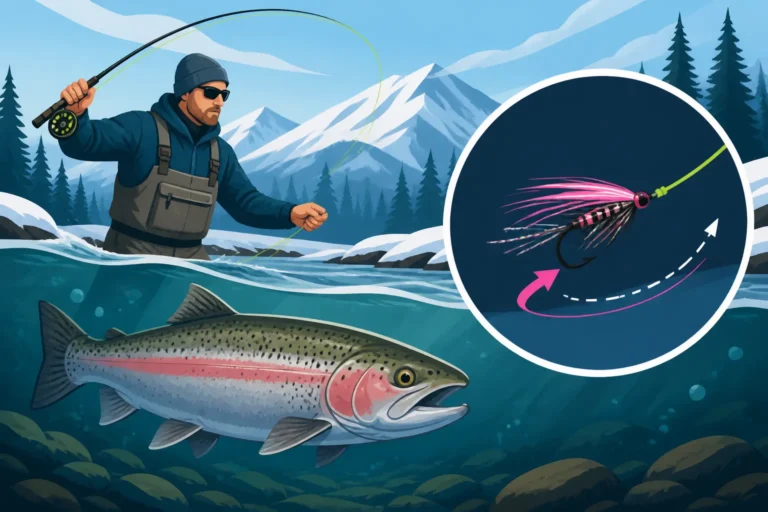
Just as the seasons change, so too should your gear and tactics when pursuing steelhead. What works in a frigid December river might be completely ineffective in a warming April stream. For example, during the cold winter months, steelhead are often lethargic, holding deep, and not willing to move far for a meal. This calls for slower presentations with larger baits or flies. Float fishing with roe or large worms, or swinging large, heavy intruder-style flies on spey or switch rods, often fished deep and slow, can be incredibly effective. For those who prefer hardware, larger spoons or spin-glo setups can also entice a strike.
As spring arrives and water temperatures rise, fish become more active and aggressive. They might move into faster, shallower water, and be more willing to chase. This is when smaller, brighter flies (like classic winter patterns or even some dries on rare occasions), lighter leaders, and more varied drift fishing setups can come into play. A good quality fishing line, like those readily available on Amazon from brands such as Berkley or P-Line, designed for low memory and high abrasion resistance, can make a huge difference in cold weather conditions and when fighting powerful fish around structure. Furthermore, don't forget the importance of proper layering and good waterproof outerwear; an uncomfortable angler is rarely a successful one.
Reading the Water for Monster Fish
Steelhead, especially the trophy-sized ones, are creatures of habit and efficiency. They seek out specific lies in the river that offer protection from current, cover from predators, and proximity to travel lanes or feeding opportunities. These "prime lies" are where you'll most often encounter the fish you're looking for. Deep pools with varying current speeds, the seams where fast water meets slow, boulder-strewn runs, log jams, undercut banks, and gravel bars at the head or tail of a pool are all classic steelhead holding water.
Learning to "read the water" is an art form developed over countless hours on the river. It involves understanding how the current flows, where obstructions might be, and where a fish might comfortably rest or ambush prey. Trophy steelhead often hold in the most challenging spots to reach, or in areas that offer them a slight advantage over the current. They won't expend unnecessary energy. This means your casts need to be accurate, your drifts precise, and your ability to mend line impeccable. For an in-depth dive into how to approach different river features, a guide on How to Catch Steelhead in BC can provide valuable insights, along with tips on Wading Techniques for BC Steelhead Rivers to safely access those prime spots.
Patience, Persistence, and Respect
Perhaps the most critical "strategy" for connecting with a trophy steelhead is cultivating an abundance of patience, unwavering persistence, and profound respect for the fish and the environment. Steelhead fishing is rarely about numbers; it's about the quality of the experience and the possibility of encountering one truly magnificent fish. You might cast a thousand times for one grab, but that one grab can define your season.
Beyond the mental game, demonstrating respect is paramount. Steelhead populations are often fragile, and conservation is everyone's responsibility. Practice responsible catch-and-release: use barbless hooks, land fish quickly, keep them in the water as much as possible, and revive them gently until they swim away strong. Avoid fishing areas where you see spawning fish on redds. Always check local regulations, as they can change rapidly, particularly for sensitive stocks. Many anglers consider a good pair of polarized sunglasses an essential tool, available from retailers like Amazon, not just for eye protection but also for spotting subtle movements or identifying holding water more effectively. This commitment to ethical angling ensures that future generations can also experience the magic of pursuing trophy steelhead in BC.
Here's a quick reference for prime trophy steelhead seasons in key BC regions:
| Region | Primary Trophy Season | Key Rivers (Examples) | Typical Water Conditions | Primary Gear/Tactics |
|---|---|---|---|---|
| North Coast (Skeena) | Late Fall – Early Winter | Bulkley, Kispiox, Morice, Babine | Cold, often clear or slightly stained | Spey/Switch rods, large flies, drift fishing, float fishing |
| Vancouver Island | Winter | Stamp, Cowichan, Gold | Variable, prone to freshets | Float fishing, drift fishing, smaller flies, hardware |
| Fraser Valley | Winter | Squamish, Chilliwack/Vedder | Cold, can be murky after rain | Float fishing, drift fishing, large baits, intruders |
| Thompson River | Spring (Conservation Focus) | Thompson | Cold to warming, often clear | Very restricted, check regulations. Fly fishing. |
Disclaimer
Always check the most current British Columbia Fishing Regulations Synopsis and local fishery notices before heading out, as regulations, closures, and possession limits can change frequently and vary by river and species. This guide provides general information and should not be considered a substitute for official government regulations.