Best islands to fish near in the Discovery Islands
Getting out on the water in British Columbia is an experience like no other, but for many anglers, the sheer vastness of our coastal waters, especially in places like the fabled Discovery Islands, can feel a bit daunting. You might be dreaming of bent rods and screaming reels, but wondering which specific islands hold the real treasures, and how to even begin planning a trip to these remote, yet accessible, fishing havens. This guide is your compass to navigating the best islands for fishing within the Discovery Islands, giving you the insider knowledge to make your next BC fishing adventure truly unforgettable.
The Undeniable Allure of the Discovery Islands for Anglers
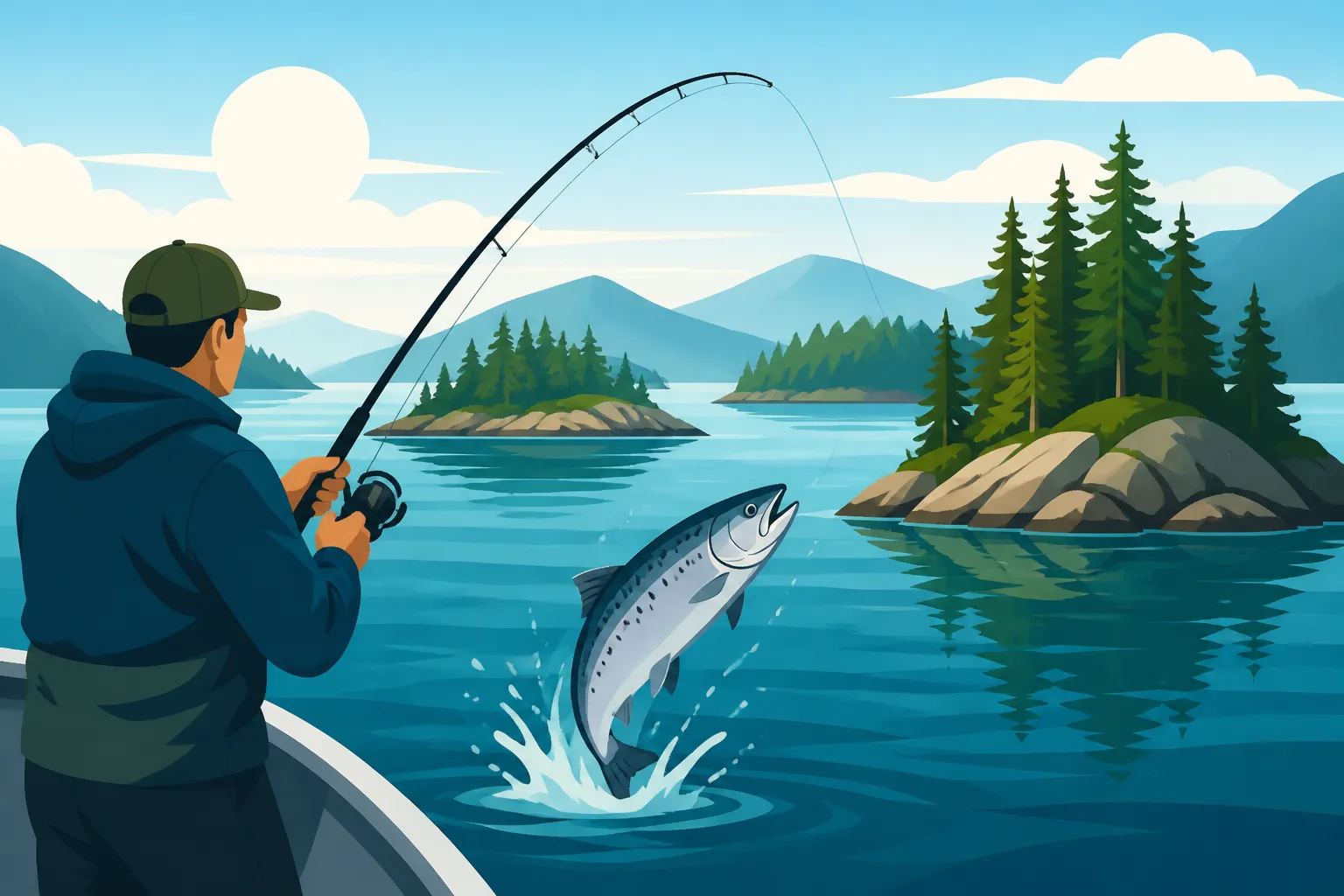
The Discovery Islands, nestled between the northern end of Vancouver Island and the mainland coast of British Columbia, represent a true angler's paradise. This isn't just a pretty stretch of water; it's a dynamic, nutrient-rich marine ecosystem that acts as a superhighway and feeding ground for an incredible diversity of fish species. If you've ever felt the frustration of hitting barren waters elsewhere, you'll appreciate what makes this area so special.
Why Currents Make All the Difference
What truly sets the Discovery Islands apart are the powerful tidal currents that surge through the narrow passes and channels, like the legendary Seymour Narrows. These currents aren't just a navigational challenge; they are the lifeblood of the fishery. They churn up nutrients from the deep, creating a rich food chain that starts with plankton and ends with massive salmon and bottom fish. Think of it as a natural conveyor belt delivering an endless buffet for marine life. When you fish these waters, you're tapping into a system designed for abundance. The ever-present movement of water also concentrates baitfish, which in turn attracts predatory species. This means fish are often actively feeding, making them more susceptible to your offerings, whether you're trolling, jigging, or mooching.
A Biodiversity Hotspot
The confluence of freshwater runoff from mainland rivers and the nutrient-rich Pacific Ocean creates a unique habitat. This is why you find such an incredible array of species here. It's not just about salmon; while the salmon runs are indeed legendary, these waters also host robust populations of halibut, lingcod, and various rockfish. This diversity means that even if one species isn't biting, there's always something else to target, keeping your fishing exciting and varied. Many anglers come for the thrill of a Chinook but leave equally impressed by the strength of a lingcod or the sheer size of a halibut. It's a place where every drop-off, kelp bed, and rocky pinnacle could hold a surprise.
Top Islands and Their Premier Fishing Opportunities
While the entire Discovery Islands region offers fantastic fishing, certain islands stand out as true hotspots, each with its own character and specialties. Knowing where to focus your efforts can significantly improve your chances of a successful and memorable trip.
Quadra Island: The Salmon Capital's Gateway
Quadra Island is often considered the heart of the Discovery Islands. It's the most accessible of the larger islands, with a regular ferry service from Campbell River, making it a popular base for anglers. It's also renowned for its incredibly productive salmon fishing, particularly for Chinook (King) and Coho (Silver) salmon.
Target Species and Seasons Around Quadra
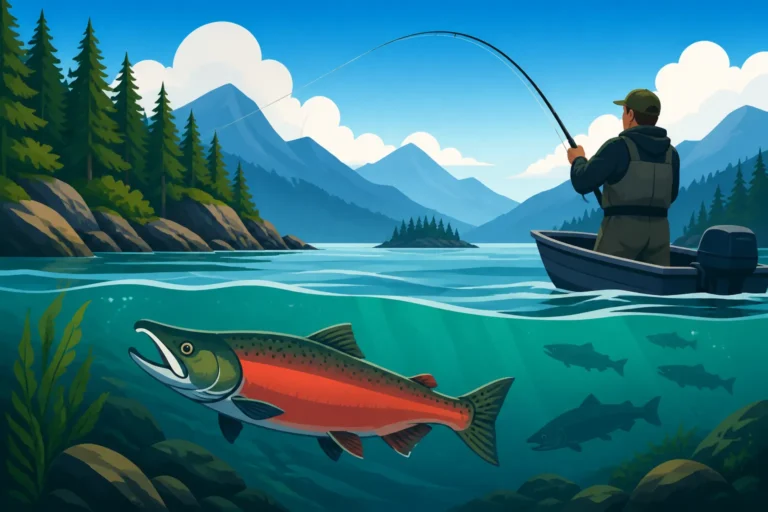
The waters surrounding Quadra Island are a major migration route for Pacific salmon heading to mainland rivers and the Fraser River. You'll find Chinook salmon here almost year-round, with the biggest fish typically showing up from late spring through late summer. Coho salmon arrive in strong numbers from late summer through fall, offering fantastic action on lighter tackle. Pink salmon can flood the waters in odd-numbered years, providing fast and furious fishing, especially in August. Don't forget about winter Chinook, often called "winter springs," which are present throughout the colder months and provide a challenging but rewarding fishery for those brave enough to face the elements. Beyond salmon, the reefs and rocky areas around Quadra are excellent for lingcod and various rockfish species, particularly in spring and fall. Halibut can also be found in deeper areas, though they require more specific targeting.
Prime Fishing Techniques Near Quadra
For salmon, trolling with downriggers is the most prevalent and effective technique here. Using spoons like Silver Horde or Tomic plugs, or even bait like herring, are common strategies. The depth you fish will vary greatly depending on the time of year, light conditions, and baitfish presence, often ranging from 60 to 150 feet. For Coho, bucktailing near the surface or using small spoons can be incredibly productive. When targeting lingcod and rockfish, jigging with heavy metal jigs or using bait on a bottom rig near rocky structures and kelp beds is the way to go. Be sure to understand the specific BC Rockfish Conservation Area Rules to protect these vulnerable species. Many anglers find success by consulting local guides or reputable charter companies operating out of Campbell River or Heriot Bay on Quadra Island.
Local Access and Amenities on Quadra
Quadra Island is well-equipped for anglers. The main community of Quathiaski Cove, where the ferry lands, and Heriot Bay offer marinas, tackle shops, and various accommodations ranging from rustic cabins to comfortable lodges. Many excellent guides operate directly from Quadra or from nearby Campbell River, offering everything from half-day to multi-day trips. For those with their own boats, launching facilities are readily available. This makes Quadra an ideal choice for anglers looking for a mix of accessibility, amenities, and world-class fishing.
Sonora Island: Remote Luxury and Trophy Fish
If you're looking for a slightly more secluded, yet incredibly productive, fishing experience, Sonora Island is a fantastic choice. Often accessed via float plane or water taxi from Campbell River or Quadra Island, Sonora offers a blend of remote wilderness and luxurious lodges, making it popular for anglers seeking an all-inclusive, high-end fishing adventure.
Target Species and Seasons Around Sonora
The waters surrounding Sonora Island, particularly in Johnstone Strait and the various inlets, are famous for their consistent runs of large Chinook salmon. These areas are part of critical migration corridors, meaning you often intercept salmon that haven't faced much angling pressure yet. Prime time for trophy Chinook is typically from June through September. Coho salmon also show up in big numbers in late summer and fall. The deeper, colder waters here are also excellent for halibut, with some truly massive fish being caught regularly. Lingcod and various snapper species are also abundant around the island's many reefs and rocky outcrops.
Prime Fishing Techniques Near Sonora
Trolling with large spoons, plugs, and cut-plug herring on downriggers is paramount for salmon in these deep, current-swept waters. Guides operating out of Sonora Bay and Dent Island Lodge, for example, are experts at reading the currents and locating bait schools that hold the big salmon. For halibut, anchoring over sandy bottoms in 200-400 feet of water and deploying heavy jigs or bait such as salmon heads or octopus is a common tactic. You'll need stout gear for these powerful fish. Jigging for lingcod around rocky pinnacles is also highly effective. Consideration of the Halibut Fishing Techniques for BC's Coast will certainly pay off here.
Local Access and Amenities on Sonora
Sonora Island is home to several world-class fishing lodges, such as Sonora Resort and Dent Island Lodge. These lodges provide luxurious accommodations, gourmet meals, and experienced guides with top-notch boats and gear. While not a "drive-up" destination, the ease of an all-inclusive package, often including float plane transfers, makes it a hassle-free choice for those seeking a premium fishing experience. Many of these lodges also focus on responsible angling, often practicing catch-and-release for larger, wild salmon. If you're looking to book such an experience, platforms like FishingBooker can help you find reputable lodges and guides that specialize in the Sonora Island area.
Cortes Island: Diverse Waters and Laid-Back Charm
Cortes Island, accessible by two short ferry rides from Campbell River (via Quadra Island), offers a more relaxed, community-focused vibe with excellent and diverse fishing opportunities. It's a great option for families or anglers looking for a less intense, but still highly productive, experience.
Target Species and Seasons Around Cortes
Cortes Island is blessed with access to both productive salmon migration routes and sheltered bays perfect for bottom fishing. Chinook and Coho salmon are caught in the surrounding channels and open waters, particularly from late spring through fall. The waters off the west side of Cortes can be particularly good. Pink and Chum salmon also make appearances during their respective runs. Inside the various bays and around the island's many smaller islands and reefs, you'll find plentiful opportunities for lingcod, rockfish, and even some Dungeness crab and prawns. For those interested in freshwater, there are also a few small lakes on Cortes that offer trout fishing.
Prime Fishing Techniques Near Cortes
Similar to Quadra, trolling with downriggers for salmon is key in the open waters. However, the more sheltered areas and numerous islands make it ideal for smaller boat owners to explore. Mooching with herring can be deadly effective for salmon in areas of concentrated bait. For bottom fish, drift fishing or anchoring with bait and jigs around rocky points and kelp beds is productive. The calm, clear waters in some areas make it excellent for crabbing and prawning (with the appropriate licenses and traps, of course). When planning your trip, consider checking out available charters on FishingBooker, which often highlight local guides familiar with Cortes Island's diverse fishing grounds.
Local Access and Amenities on Cortes
Cortes Island has several small communities like Manson's Landing and Whaletown, offering campsites, B&Bs, and a few small lodges. There are boat launches available for those bringing their own vessels. While not as bustling with charter operations as Campbell River, local guides who know the Cortes waters well can be found. It’s a fantastic place to unwind after a day on the water, with beautiful scenery and a strong sense of community.
Read and Maurelle Islands: Current-Swept Hotspots
These smaller, less populated islands are situated in areas of intense tidal flow, particularly around the famous Seymour Narrows. While they don't have extensive amenities, their proximity to incredibly productive current lines makes them essential stops for serious anglers.
Target Species and Seasons Around Read and Maurelle
The deep, fast-moving waters around Read and Maurelle Islands are prime ambush points for large Chinook salmon. The big "hogs" often hold in these currents, waiting for baitfish to be swept past them. Fishing here is best during periods of slack tide or just before/after the peak of the current, typically from late spring through early fall. Coho salmon also pass through these waters. Lingcod are also abundant in the rocky areas that line these current-swept channels, growing to impressive sizes due to the constant food supply.
Prime Fishing Techniques Near Read and Maurelle
Fishing these powerful currents requires specific tactics and robust gear. For salmon, heavy-duty downriggers are a must, often combined with large flashers and spoons or plugs that can handle the current without spinning out. You'll need to pay close attention to depth and current speed. Another effective technique, particularly for lingcod, is jigging heavy metal jigs or even large swimbaits vertically right along the bottom structure. You'll often be fishing in 100-300 feet of water. Understanding the nuances of How to Catch Lingcod off Vancouver Island can really pay off in these specific areas.
Local Access and Amenities Around Read and Maurelle
These islands are much less developed. Anglers typically access them from Quadra Island or Campbell River, either by private boat or through guided charters. There are no major marinas or services directly on Read or Maurelle, so you'll need to be self-sufficient or go with an experienced guide who knows these challenging waters intimately. This makes them more suited for experienced anglers or those booking a dedicated charter.
Planning Your Discovery Islands Fishing Expedition
A successful trip to the Discovery Islands requires careful planning, from understanding regulations to choosing the right time and whether to go guided or DIY. Don't let the logistics overshadow the excitement; a little preparation goes a long way.
Essential Licenses and Regulations
First and foremost, you absolutely need a valid BC tidal waters fishing license. This isn't just a suggestion; it's a legal requirement. Depending on what you intend to fish for, you'll also likely need additional stamps, such as the BC Tidal Waters Salmon Conservation Stamp Cost if you plan to retain any salmon. Regulations are complex and change frequently, especially for salmon, so always check the latest BC Fishery Notices before you head out. These notices provide real-time updates on openings, closures, and catch limits. For specific information on licenses and where to get them, you can always refer to resources like Where and How to Buy a BC Fishing License. Remember, fishing without the proper license and stamps can result in significant fines.
Best Time to Visit for Specific Species
The Discovery Islands offer year-round fishing, but the "best" time depends entirely on your target species:
- Chinook Salmon: Generally, late May through September sees the strongest runs, with July and August often producing the largest fish. Winter Chinook fishing can be excellent from November through April, though these are typically smaller, chrome-bright fish.
- Coho Salmon: Late July through October is prime Coho season, with consistent action and aggressive bites.
- Pink Salmon: These abundant salmon run in odd-numbered years, typically in August. They provide fantastic light-tackle sport.
- Chum Salmon: Late September through November sees strong Chum runs, particularly valuable for their roe.
- Halibut: Spring (April-June) and Fall (September-October) are generally considered the best times for halibut, though they can be caught throughout the warmer months.
- Lingcod & Rockfish: These bottom dwellers are open for retention in specific areas and times, often spring and fall, but check the latest regulations carefully. They are generally available year-round in catch-and-release scenarios within conservation areas.
A handy resource for general timing is the Best Time of Year to Fish in BC guide, but always cross-reference with specific fishery notices for the Discovery Islands.
Choosing Between Guided Trips and DIY Adventures
This is a big decision, especially in an area like the Discovery Islands.
The Advantages of a Guided Trip
If you're new to the area, targeting specific species, or simply want a hassle-free experience, a guided trip is highly recommended. Local guides possess an intimate knowledge of the currents, hot spots, and current regulations. They have specialized gear, safe boats, and will often clean and bag your catch. It takes the guesswork out of finding fish and ensures you're fishing legally and effectively. Many reputable guides can be found through online platforms like FishingBooker, where you can read reviews and compare offerings. This is often the best way to experience the Best Salmon Fishing Spots in BC for the first time.
The Appeal of a Do-It-Yourself Approach
For experienced boaters and anglers, a DIY trip offers flexibility and the satisfaction of finding fish on your own terms. You'll need a suitable boat, extensive knowledge of marine navigation, safety equipment, and a good understanding of local charts and regulations. It’s also important to have the right gear for diverse fishing styles. The Discovery Islands can be challenging with strong currents and variable weather, so only undertake a DIY trip if you are confident in your seamanship and angling abilities in these waters. For those considering DIY, understanding BC Boating Laws for Anglers is non-negotiable.
Accommodation and Logistics
The Discovery Islands offer a range of accommodation options. Quadra Island has everything from resorts and B&Bs to campsites. Cortes Island has a more rustic charm with B&Bs and vacation rentals. More remote islands like Sonora are primarily lodge-based. Booking well in advance is crucial, especially during peak salmon season. Getting to Quadra and Cortes involves BC Ferries, which also requires booking vehicle space ahead of time, particularly in summer. For Sonora and other more remote islands, float planes or water taxis are common.
Responsible Angling and Conservation in the Discovery Islands
The Discovery Islands are a pristine environment, and it's up to all of us to keep them that way. Practicing responsible angling ensures these incredible fisheries remain healthy for generations to come.
Catch and Release Practices
While retention is often allowed for certain species and within specific limits, catch and release is a crucial component of conservation, particularly for wild salmon and sturgeon. If you're practicing catch and release, especially for species like Chinook salmon, use barbless hooks, minimize fight time, keep the fish in the water as much as possible, and handle them gently. Avoid removing large fish from the water entirely for photos if you intend to release them, as this significantly increases stress and reduces survival rates. Guides often promote these practices and can show you the best techniques.
Understanding Fishery Notices and Closures
British Columbia's fisheries are dynamically managed, meaning regulations can change rapidly due to conservation concerns, particularly for salmon. Always check the official DFO (Department of Fisheries and Oceans Canada) Fishery Notices before and during your trip. These notices outline in-season closures, retention limits, and specific area restrictions. Ignoring these notices, even unintentionally, can lead to heavy fines and impact fish populations. It's not uncommon for a popular fishing area to close to retention or specific species on short notice, so staying informed is paramount. You can learn more about this by researching BC Fishery Notices and In-Season Closures, Explained.
Respecting Wildlife and the Environment
Beyond fish, the Discovery Islands are home to a stunning array of wildlife, including whales, dolphins, seals, sea lions, and numerous bird species. Maintain a respectful distance from marine mammals, especially whales, and never harass wildlife. Pack out everything you pack in, and leave no trace of your visit. Properly dispose of fishing line and other waste, as these can be incredibly harmful to marine life. Many areas within the Discovery Islands are also protected, so be aware of any restrictions on anchoring or shore access. By being a thoughtful visitor, you contribute to the long-term health and beauty of this exceptional region.
Disclaimer
The information provided in this guide is for general informational purposes only and is subject to change. Fishing regulations in British Columbia are complex and can be updated frequently by Fisheries and Oceans Canada (DFO). It is the sole responsibility of the angler to consult the most current BC Freshwater Fishing Regulations Synopsis, BC Tidal Waters Sport Fishing Guide, and DFO Fishery Notices before engaging in any fishing activities. Adherence to all local, provincial, and federal laws and regulations is mandatory. The author and publisher are not liable for any discrepancies or outdated information.