Best deep water structure spots on Kootenay Lake
Oh, Kootenay Lake. It's truly a gem, isn't it? But let's be honest, it's also a beast. This isn't your average roadside pond where you can just cast a line and expect results. Its sheer size and incredible depths can feel downright overwhelming, especially when you're trying to figure out where the trophy fish are hiding. Many anglers feel frustrated, spending hours cruising without a single bite because they're simply not targeting the right spots. This guide is all about cutting through that confusion, helping you pinpoint those elusive deep-water structure spots where Kootenay Lake's legendary fish lurk and giving you the strategies to coax them out.
Understanding Kootenay Lake's Deep Structure
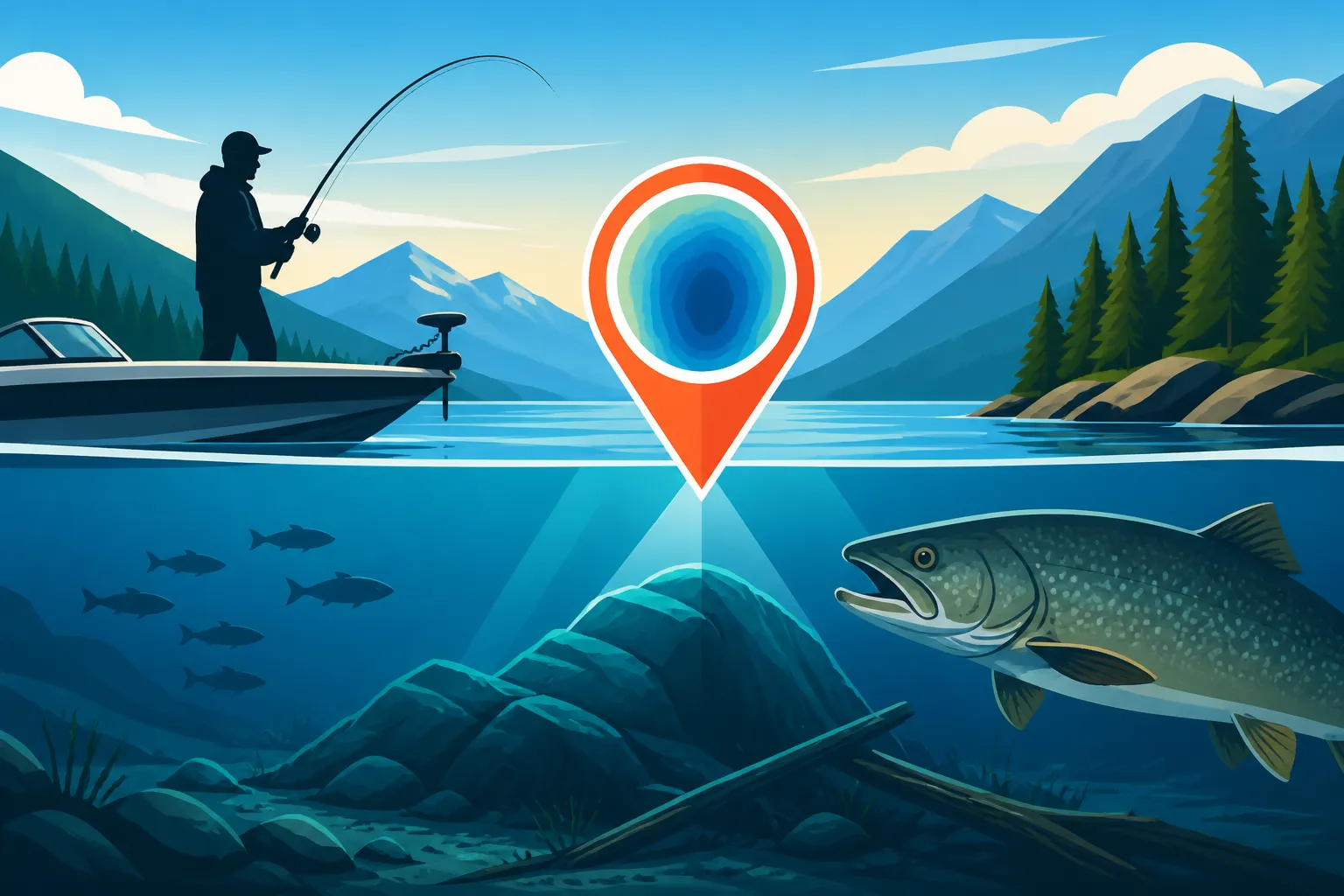
Kootenay Lake isn't just a big body of water; it's a dynamic, glacier-carved ecosystem with an intricate underwater landscape. Understanding this unique geology is your first step to unlocking its deep-water secrets. We're talking about depths that can plunge well over 500 feet in places, creating a vast, often dark, and complex world beneath the surface.
The Unique Geology of Kootenay Lake's Depths
Imagine a massive, ancient glacier slowly grinding its way through a valley, carving out sheer rock faces and depositing debris. That's essentially how Kootenay Lake was formed. This glacial history has left us with incredibly steep drop-offs, underwater shelves, rocky pinnacles, and deep, winding channels. The lake stretches approximately 100 kilometers long, divided into a narrower North Arm and a broader South Arm, each with its own character. The North Arm, fed by the Lardeau and Duncan Rivers, tends to be deeper and colder, while the South Arm, influenced by the Kootenay River, can be slightly shallower in places but still holds immense depths. These varying depths and current flows create distinct thermal layers and oxygen levels, which in turn dictate where baitfish and their predators will reside. It’s a puzzle, but a solvable one with the right tools and knowledge.
Why Deep Structure Matters for Trophy Fish
So, why do we focus so much on deep structure? Simple: that's where the big fish live and hunt. Species like the famed Gerrard Rainbow Trout of Kootenay Lake—known for their incredible size—don't just hang out in open water waiting for food to swim by. They're opportunistic predators that rely on structure for ambush points. Deep ledges, submerged humps, and steep drop-offs provide perfect cover for these massive rainbows to surprise unsuspecting schools of Kokanee, their primary food source.
Beyond ambush points, deep structure offers thermal refuge. In summer, surface waters can warm significantly, pushing cold-water species like Bull Trout and Gerrard Rainbows into cooler, deeper zones where oxygen levels remain stable. In winter, these same deep areas can offer slightly warmer, more stable conditions compared to the freezing surface. Furthermore, these underwater features create currents and eddies that concentrate baitfish, making them natural feeding grounds. If you want to catch the bigger, healthier fish, you need to understand how they use these deep environments, and that starts with knowing where the structure is. You might think about something like Bull Trout in BC's Interior Rivers for more on the habits of those fascinating fish.
Reading Your Sonar and Topographical Maps
This is where technology becomes your best friend. Navigating Kootenay Lake's deep structure without good electronics is like trying to find a needle in a haystack blindfolded. You need a reliable sonar unit—a good quality fishfinder from brands like Garmin, Humminbird, or Lowrance is non-negotiable. More than just seeing "fish arches," you need to interpret the bottom contour. Look for abrupt changes in depth, distinct ledges, and submerged points that extend from the shoreline. A good sonar will show you the "hardness" of the bottom, indicating rock versus mud, which can also be a key factor.
Beyond real-time sonar, investing in high-resolution bathymetric charts or electronic lake maps for your GPS unit is crucial. These maps will outline the underwater topography, revealing hidden channels, humps, and shelves that you might never find just by cruising around. Mark potential hotspots as waypoints on your GPS. When you're out on the water, pay close attention to depth changes, especially if you see baitfish schools or larger marks (which could be the target species) associated with them. Understanding how to use these tools effectively is paramount. If you're struggling with your settings, there's even specific advice on things like Sonar settings for finding structure on Kootenay Lake that can help fine-tune your approach.
Key Deep Water Structure Hotspots on Kootenay Lake
Now that we understand the 'why,' let's get into the 'where.' Kootenay Lake has several renowned deep-water structure spots that consistently produce big fish, given the right conditions and techniques. These are not secret spots by any means, but rather well-known areas that, when fished correctly, can offer incredible rewards.
The Gerrard Wall (North Arm)
Ah, "The Wall." Any serious Kootenay Lake angler will know exactly what you're talking about. Located near the Gerrard spawning channel in the very north end of the lake, this feature is essentially a sheer, deep drop-off that plunges hundreds of feet almost straight down. It’s an iconic piece of structure and absolutely critical for understanding the movements of the Gerrard Rainbow Trout. The name itself comes from the Gerrard rainbows that stage here before their spawning run.
This area is a major congregating point for baitfish, particularly Kokanee, which are drawn to the confluence of river water and the lake's cooler depths. The Gerrard Rainbows follow them, using the extreme depth changes as perfect ambush zones. You'll often find fish suspended anywhere from 50 to 150 feet down along this vertical face. It's a challenging spot due to the depths and currents, but persistence here can pay off with a fish of a lifetime. The structure offers endless nooks and crannies for large trout to hide, especially when they're not actively chasing.
Coffee Creek Shelf and Surrounding Depths (North Arm)
Moving slightly south in the North Arm, the area around Coffee Creek presents another excellent deep-water opportunity. Instead of a single "wall," here you'll find a more varied underwater landscape featuring shelves that extend out from the shoreline before plunging into much deeper water. The shelf itself might be 30-60 feet deep, but it's the edge where it drops off dramatically to 100, 200, or even 300+ feet that attracts the big fish.
The input from Coffee Creek can bring in nutrients and cooler water, creating currents that concentrate baitfish. Large Gerrard Rainbows and Bull Trout will patrol these edges, moving up onto the shelf to feed and then retreating to the security of the deeper water. This area requires careful attention to your sonar to identify the subtle contours of the shelf and its associated drop-offs. Trolling along these contours, especially during low light conditions or when the fish are actively feeding, can be incredibly productive.
Queens Bay Drop-off (Central Lake)
As you head towards the more central part of the lake, near the town of Nelson, Queens Bay offers significant deep-water structure. Here, the drop-offs can be substantial, and the proximity to Nelson means it’s a more accessible spot for many anglers. The bay itself is shallower, but the points and ledges just outside it, especially where they fall away into the main lake basin, are prime areas.
The deep water here provides excellent habitat for both Gerrard Rainbows and Bull Trout, which will often suspend over these depths, ambushing schools of Kokanee. The contours can be quite varied, from gradual slopes to steeper walls, offering different types of cover. Anglers often find success by tracing these deep contours with downriggers, presenting lures at varying depths to find where the fish are holding. It's a spot that can produce year-round, as the deep water remains consistently cold and oxygenated.
Procter Narrows and Beyond (South Arm)
While the South Arm of Kootenay Lake can be slightly shallower in parts, the area around Procter Narrows is a notable exception for deep structure. The Narrows themselves are a constriction where the Kootenay River flows in and out, creating significant currents. However, it's the deeper channels and the sudden drop-offs beyond the narrows, particularly as you move further into the main South Arm basin, that are key.
The powerful currents flowing through the narrows can scour deep channels, and the confluence of river water with the main lake body creates unique nutrient flows and concentrations of baitfish. Look for areas where these deep channels intersect with underwater humps or ledges. Bull Trout, in particular, are often found in these current-heavy, deep environments, lying in wait for an easy meal. While it might not have the same "trophy rainbow" reputation as the North Arm, the South Arm, especially these deeper areas, holds substantial populations of strong-fighting Bull Trout and even some respectable rainbows.
Woodbury Creek and Lardeau River Mouths (North Arm)
Anywhere a significant creek or river enters a large lake, you're going to find some kind of deep-water structure and fish activity. The mouths of Woodbury Creek and the Lardeau River, both contributing to the North Arm, are no exception. While the immediate river mouths might be shallower, the continuous flow over centuries has carved deep channels and created significant underwater fan-like deltas where the river sediments meet the lake's depths.
These areas are essentially highways for fish. They offer current breaks, oxygenated water, and often concentrate forage. Large Bull Trout will patrol the deep edges of these channels, picking off unwary baitfish carried out by the current. Gerrard Rainbows will also stage in the deeper water nearby, especially during seasonal movements. Trolling or jigging the deeper water immediately adjacent to these river mouths, particularly where the bottom drops away rapidly, can be very effective. The mixing of waters also means a constantly changing environment, requiring anglers to adapt their depth and presentation.
Advanced Techniques for Fishing Kootenay Lake's Deep Structure
Once you've identified these deep-water havens, the next challenge is presenting your lure or bait effectively. Fishing Kootenay Lake's depths requires specific techniques and a good understanding of how to get your offering down to where the fish are holding.
Deep Trolling with Downriggers
This is arguably the most popular and effective method for targeting deep-dwelling trout and salmon in Kootenay Lake. Downriggers allow you to precisely control the depth of your lure, sending it down to where you're marking fish on your sonar. The key is to run multiple lines at different depths to find the active zone.
- Setup: You'll typically use 8-10 foot medium-heavy action trolling rods paired with line-counter reels spooled with monofilament or braided line. Attach your main line to a downrigger release clip, then send a heavy lead ball (often 10-15 lbs) down to your desired depth. Your lure, tied to a fluorocarbon leader, trails behind the downrigger ball.
- Lure Selection: Popular choices include large spoons (like Gibbs Delta, Apex, or Tomic plugs), plastic hoochies behind a dodger or flasher, or even plugs. Experiment with colors and sizes until you find what triggers a bite.
- Speed and Pattern: Vary your trolling speed (typically 1.8-3.0 mph) and make broad turns. The change in speed and direction of your lure during turns can often induce a strike. Watch your sonar constantly for fish marks and bait balls, adjusting your depth as needed. You can learn more about general approaches in Trolling Techniques for BC Lake Trout.
Vertical Jigging and Mooshing
When fish are tightly schooled or suspended directly over a specific piece of structure, vertical jigging can be incredibly effective. This technique allows for a more direct, aggressive presentation that can elicit reaction strikes. "Mooshing" is a related technique, often involving a heavy spoon or jig tipped with bait, slowly lifted and dropped directly over fish.
- Jigging: Use heavy metal jigs (3-6 oz or more) in a variety of colours. Position your boat directly over the structure or fish marks you see on your sonar. Drop your jig to the target depth, then aggressively lift and drop your rod tip, letting the jig flutter and fall. Keep your reel in gear and pay close attention for any tap or hesitation in the line on the fall, as strikes often occur then.
- Mooshing: Similar to jigging but often with a more subtle presentation. Use a heavy spoon or a lead-head jig tipped with a piece of herring, anchovy, or even a plastic scent bait. Slowly raise the rod, then let it free-spool back down, maintaining tension on the line. This technique mimics a wounded baitfish and can be deadly for larger, less aggressive fish.
- Boat Control: A good electric trolling motor with GPS Spot-Lock (like those from Minn Kota) is invaluable for staying precisely over your target structure in deep water and varying currents.
Drift Fishing and Bottom Bouncing
While less common for the suspended Gerrard Rainbows, drift fishing and bottom bouncing can be highly effective for species like Bull Trout and Burbot, especially when they're hugging the bottom around deep structure.
- Drift Fishing: This involves letting your boat drift naturally with the wind or current over a productive area, presenting your bait or lure near the bottom. Use heavy sinkers (pencil weights or cannonball sinkers) to maintain bottom contact. A common rig involves a three-way swivel with a dropper line to the sinker and a leader to your bait (often a large piece of herring or anchovy).
- Bottom Bouncing: Similar to drift fishing but with more active rod manipulation. You "bounce" a heavy weight or a specialized bottom bouncer along the bottom as your boat drifts or slowly motors. This keeps your bait or lure in the strike zone directly where bottom-dwelling fish are feeding. This technique is often used for a subtle bait presentation, ensuring it's right in front of the fish. Always be mindful of snags when fishing tight to bottom structure.
Reading Fish Behavior on Sonar
This is where you graduate from simply seeing fish to understanding their intentions. Don't just look for arches; interpret what your sonar is telling you.
- Suspended vs. Bottom-Oriented: Are the fish tight to the bottom, or are they suspended in the water column? This will dictate whether you jig, troll, or drift.
- Schools vs. Solitary: Dense bait balls usually mean predators are nearby. Large, solitary arches, especially high and thick, often indicate a trophy fish. Are your target fish scattered or tightly grouped?
- Reaction to Lures: Some advanced sonar units can show your downrigger ball and even your lure. Watch how fish react. Do they approach your lure? Do they dart away? This feedback is invaluable for fine-tuning your presentation. If you're seeing fish on your sonar but not getting bites, it's a clear signal to change something – depth, speed, lure type, or colour.
Essential Gear and Strategy for Deep Water Success
Having the right techniques is one thing, but without the proper equipment and a solid strategy, Kootenay Lake can humble even the most experienced angler. Here's what you'll need to maximize your chances.
Sonar and GPS Integration
We've touched on this, but it bears repeating: your electronics are your eyes underwater. A high-quality fishfinder/chartplotter combo is a non-negotiable investment. Brands like Humminbird with Side Imaging or Garmin with LiveScope can literally show you structure and fish in stunning detail, not just directly beneath the boat but out to the sides. This helps you identify those subtle ledges or humps off to the side that you might otherwise miss.
Crucially, integrate your sonar with your GPS. This allows you to mark waypoints precisely where you find active fish or promising structure. Over time, you'll build up a personal map of hotspots. Pay attention to the water temperature readings on your unit as well; even small thermocline changes can indicate where fish are holding. Remember to properly calibrate your transducer for the depths of Kootenay Lake to get the most accurate readings.
Rods, Reels, and Line for Deep Water
Fishing deep means dealing with significant drag from the line and the weight of your gear, plus the immense power of a large fish. Your tackle needs to be robust.
- Rods: For deep trolling with downriggers, a fiberglass or composite rod in the 8 to 10-foot range with a medium-heavy action is ideal. The softer tip allows the rod to load effectively when a fish strikes without pulling the line from the downrigger clip prematurely, while the powerful backbone handles heavy weights and strong fish. For jigging, a shorter (6.5-7.5 ft), stiffer rod with a fast tip and strong backbone is better for working jigs and fighting fish directly.
- Reels: Line-counter reels (like those from Daiwa or Penn) are a game-changer for trolling, allowing you to replicate depths precisely. For jigging, a high-quality baitcasting or spinning reel with a smooth drag and good line capacity is essential.
- Line: Braided line (50-80 lb test for trolling, 20-40 lb for jigging) is preferred for its minimal stretch, which provides excellent sensitivity and strong hook sets in deep water. Always use a fluorocarbon leader (20-30 lb test) for its invisibility and abrasion resistance, especially when fishing around rocky structure.
Lures and Baits Tailored for Depth
The lures you use need to be effective at depth and appealing to Kootenay Lake's primary predators.
- Spoons: Classic trolling spoons in silver, blue/silver, green/silver, or even glow-in-the-dark patterns are incredibly effective for Gerrard Rainbows and Kokanee. Brands like Gibbs, Lyman, and Apex are very popular. Size them appropriately – larger spoons for big trout, smaller ones for Kokanee.
- Plugs/Hoochies: Large diving plugs (e.g., Tomic, Apex) or plastic hoochies (squid imitations) trolled behind a flasher or dodger can be deadly, especially for enticing aggressive strikes from big fish. The flash and action of the dodger/flasher attract attention, while the trailing hoochie provides the meal.
- Natural Baits: For Bull Trout, cut plug herring or anchovies, presented on a slow troll or a mooching rig, are often irresistible. Make sure to rig them correctly for a natural spinning action. Using scent gels on all your lures can also make a significant difference in cold, deep water. If you're curious about different approaches to catching other species, you might find some useful tips in articles like How to Catch Kokanee in BC.
Safety and Planning
Kootenay Lake is a large, cold body of water. Safety should always be your top priority.
- Weather: The weather can change quickly, especially with mountain winds. Always check the forecast before heading out and be prepared for sudden squalls or changes in wind direction.
- Safety Gear: Ensure your boat is equipped with all required safety gear, including personal flotation devices (PFDs) for everyone on board. For more information, check out resources like BC Boating Laws for Anglers and Life Jacket Requirements for BC Boaters. A marine radio (VHF) is also critical, as cell service can be spotty in certain areas.
- Float Plan: Always tell someone responsible where you're going, your planned route, and when you expect to return. This is paramount for your safety, especially when exploring remote areas.
- Cold Water: Even in summer, the deep water is extremely cold. If you end up in the water, hypothermia can set in quickly. Dress in layers, including waterproof outer shells.
Consider a Guided Trip
If you're new to Kootenay Lake, or if you're specifically targeting a trophy Gerrard Rainbow or Bull Trout, considering a guided trip is a fantastic idea. Local guides spend hundreds of days a year on the water; they know the lake's moods, the best deep water structure spots, and the most effective techniques for the current conditions. They'll have all the specialized gear and insights to put you on fish.
You can often find reputable local guides through platforms like FishingBooker, which lists experienced Kootenay Lake captains. Hiring a guide isn't just about catching fish; it's an educational experience. You'll learn firsthand how to interpret sonar, present lures, and read the water, which are invaluable skills you can then apply on your own future trips. A guide can accelerate your learning curve dramatically. If you're thinking about one, you might want to read How to Choose a BC Fishing Charter to make an informed decision.
Kootenay Lake Deep Water Fishing Techniques at a Glance
| Technique | Target Species | Ideal Depths | Key Gear | Pros | Cons |
|---|---|---|---|---|---|
| Deep Trolling | Gerrard Rainbow, Kokanee, Bull Trout | 50-150 ft | Downriggers, long rods, spoons, flashers | Covers large areas, consistent depth control | Requires specialized equipment, less "hands-on" engagement |
| Vertical Jigging | Bull Trout, Rainbow Trout | 80-200 ft | Heavy jigs, spoons, stout rods, braid | Direct presentation, targets suspended fish | Requires precise boat control, can be physically demanding |
| Drift Fishing | Bull Trout, Burbot | 100-250 ft (near bottom) | Heavy weights, bait rigs, sensitive rods | Excellent for bottom-dwellers, natural bait presentation | Slower, limited area coverage, prone to snags |
Conclusion
Kootenay Lake offers some of British Columbia's most incredible deep-water fishing opportunities, from the massive Gerrard Rainbow Trout to the aggressive Bull Trout. The frustrations of its vastness can quickly turn into exhilaration when you understand how to approach its intricate underwater structure. By focusing on key deep-water hotspots like The Gerrard Wall and Coffee Creek, utilizing advanced techniques such as deep trolling and vertical jigging, and equipping yourself with the right gear and safety knowledge, you're well on your way to a successful and memorable outing. Remember, patience and persistence are key on a lake of this magnitude, but the rewards are truly exceptional. So, fuel up, check your gear, and get ready to explore the deep-water secrets of Kootenay Lake!
Disclaimer
Fishing conditions and regulations in British Columbia can change frequently. Always consult the most current BC Freshwater Fishing Regulations Synopsis or the Department of Fisheries and Oceans (DFO) website for tidal waters before heading out. The information provided here is for general guidance and educational purposes only.