Best fall salmon runs in BC
There’s nothing quite like the crisp autumn air on a British Columbia river, but trying to figure out when and where those legendary fall salmon runs are actually happening can feel like a real guessing game. You’ve heard the tales of rivers teeming with fish, but pinpointing the best spots and times to experience this natural wonder often leads to frustration. This guide is here to cut through the confusion, revealing the prime locations and crucial timing for an unforgettable fall salmon fishing adventure across BC.
Why Fall is the Ultimate Salmon Season in BC
For many of us who live and breathe fishing in British Columbia, autumn isn't just about changing leaves and pumpkin spice; it's about the incredible return of salmon. It’s a truly magical time when millions of salmon, after years at sea, journey back to their natal rivers to spawn, creating one of the most spectacular natural events on the planet. If you're looking to connect with BC's iconic salmon species, fall is when the action really heats up.
The Spectacle of Spawning Salmon
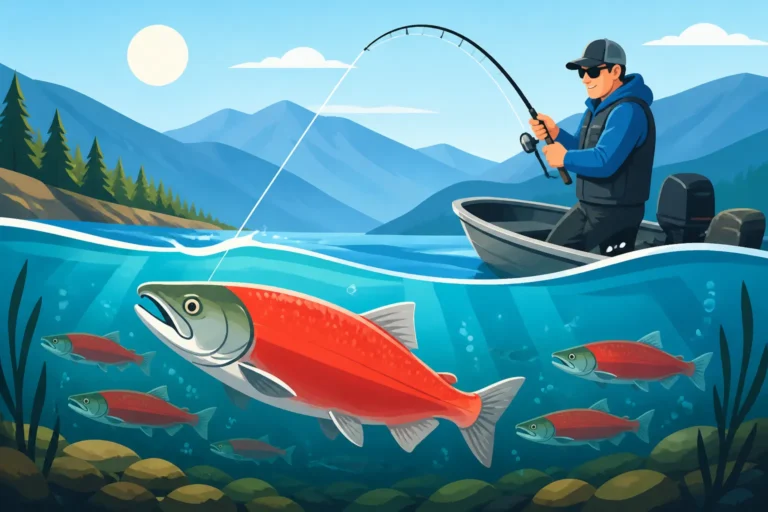
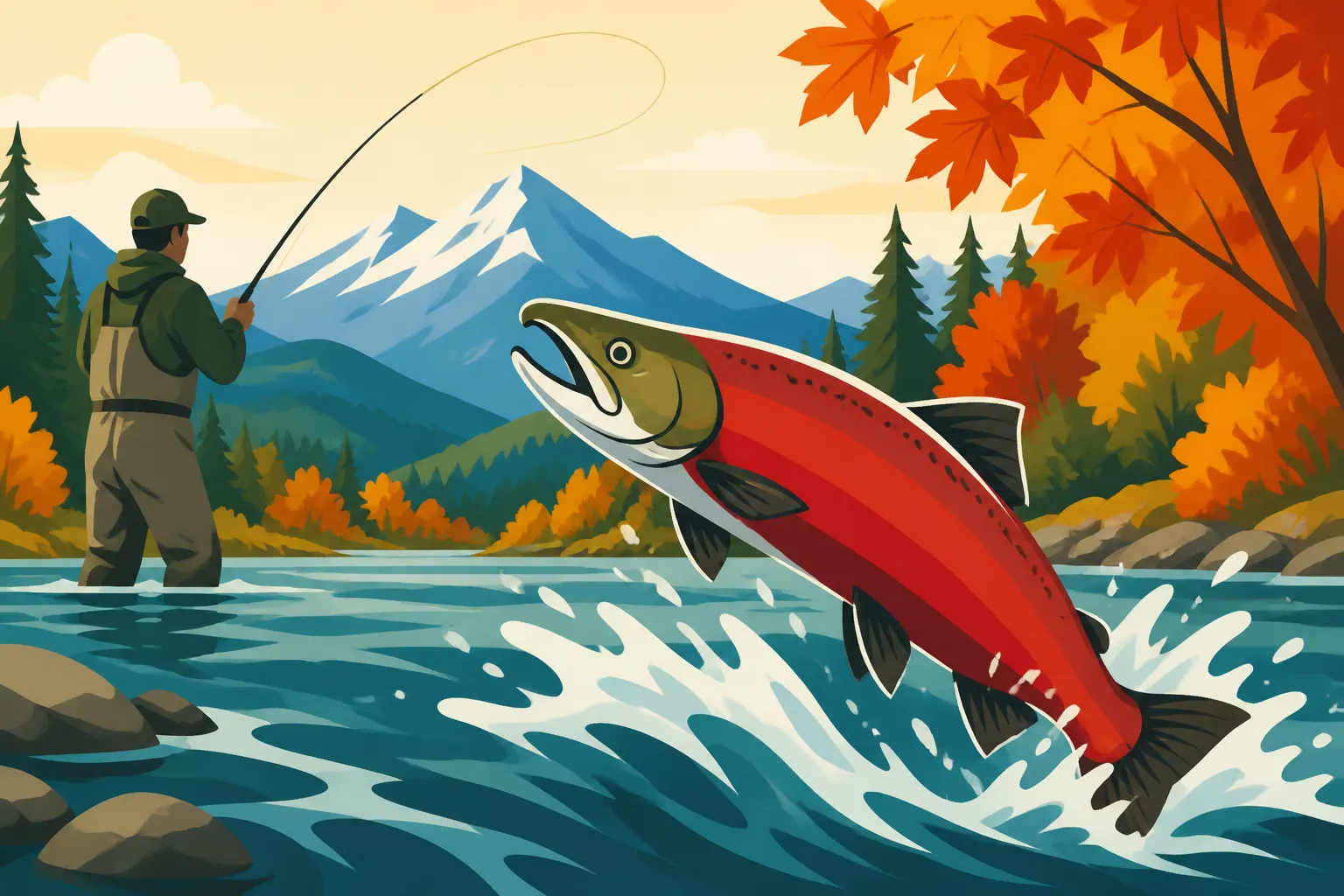
Imagine standing on the bank of a river, watching powerful Chinook, acrobatic Coho, vibrant Sockeye, strong Chum, and even some late Pink salmon pushing upstream. It's not just fishing; it's an immersion in a powerful natural cycle. During the fall, these fish are driven by an instinctual urge to spawn, making them incredibly abundant in specific river systems. While their primary focus isn't feeding, their sheer numbers and aggressive reactions to intruders in their spawning grounds can lead to some incredible fishing opportunities. It’s a chance to witness nature’s grandeur firsthand and, with a bit of skill and luck, land a fish of a lifetime. The sight of a massive Chinook finning in shallow water or a brightly coloured Coho leaping against the current is something that stays with you long after the season ends.
Understanding Peak Migration Times
The secret to fall salmon success really boils down to timing. Different salmon species undertake their spawning migrations at different periods, and these windows can even vary from river system to river system, and certainly year to year depending on water levels, temperatures, and ocean conditions. Generally, you’ll start seeing Chinook and Pink salmon making their push in late summer and early fall, often peaking in September. Coho salmon usually follow, with their runs extending well into October and sometimes even November in many coastal systems. Sockeye, while a massive run, tend to be more of a summer into early fall event, but late returns can still be encountered in September. Chum salmon, often underrated, provide some of the strongest fights and peak from mid-October through November. Staying on top of current conditions and official fishery notices is paramount. A quick check of BC Fishery Notices and In-Season Closures, Explained before heading out can save you a lot of heartache.
Top Rivers and Coastal Areas for Fall Salmon Runs
British Columbia is a vast province with an incredible network of rivers and coastal waters, many of which host incredible fall salmon runs. Knowing which spots are famous for which species and when to visit them is key to planning a successful trip. From the mighty Fraser to the pristine rivers of Vancouver Island, each destination offers a unique fall fishing experience.
Fraser River System: A Salmon Highway
The Fraser River is undeniably the heart of BC’s salmon runs, serving as a massive artery for millions of fish making their way to countless spawning grounds. While the main stem itself can be productive, it’s often the tributaries of the lower and middle Fraser that steal the show during the fall. Places like the Harrison River and the Chilliwack/Vedder River become incredible hotspots.
In September, you'll still find good numbers of Chinook salmon in the Lower Fraser and its tributaries. These fish are big, powerful, and offer a serious challenge. As October rolls in, the focus often shifts to the incredible Coho and Chum salmon runs. The Chilliwack/Vedder River, for instance, is world-renowned for its phenomenal Coho and Chum fishing. Anglers line the banks, drifting roe, spoons, or artificial jigs through the runs, hoping to intercept these aggressive fish. The sheer volume of fish can be astounding, and it's a social, exciting fishery. For a deeper dive into this incredible system, check out our Fraser River Fishing Guide. If you're looking to book a guided trip to navigate these bustling waters, platforms like FishingBooker list many experienced Fraser River guides who know the best spots and techniques.
Vancouver Island Rivers and Coastal Waters
Vancouver Island is another major player in BC's fall salmon scene, boasting numerous rivers and coastal areas that light up with returning salmon. The island's geography means many rivers are shorter and more accessible, leading to intense and often dramatic fishing experiences.
Campbell River, famously known as the "Salmon Capital of the World," lives up to its name, especially in the fall. While the summer sees a huge push of Chinook, the fall months bring incredible Coho action, both in the tidal estuaries and further upstream. The nearby Quinsam River also sees strong returns. Anglers here often employ float fishing techniques with roe or small jigs, or cast spinners and spoons. Charters operating out of Campbell River are highly popular, targeting both the river mouths and the rich waters of Discovery Passage for migratory fish. To plan your adventure in this legendary area, explore our Campbell River Fishing Guide. Further south, the Cowichan River offers excellent Coho fishing, and its clear waters provide a beautiful backdrop for angling. Other smaller coastal streams and estuaries across the island will also have localized runs of Coho and Chum, offering fantastic opportunities for those willing to explore. Many local charters listed on FishingBooker specialize in these Vancouver Island runs, providing an invaluable resource for visitors.
Northern BC's Wild Rivers
For those seeking a more remote and truly wild fall salmon experience, Northern British Columbia’s rivers offer unparalleled adventures. These mighty river systems, often flowing through pristine wilderness, are famous for their robust returns of Chinook and Coho salmon, and a trip here often involves fly-in access or multi-day guided expeditions.
The Skeena River system, including its legendary tributaries like the Bulkley and Kispiox, is an iconic destination. While perhaps more famous for its steelhead, these rivers also host incredible runs of large Chinook and strong Coho salmon in the fall. Anglers often swing flies or drift gear in pursuit of these powerful fish. The remote nature of these rivers means fewer crowds and an immersion in true wilderness. The Kitimat River is another northern gem, known for its excellent Coho and Pink salmon fishing. Access can be a bit more challenging, requiring careful planning or the services of an experienced guide. These are often trophy fisheries, demanding robust gear and a willingness to brave the elements for truly memorable catches. Booking with a reputable guide, often found through services like FishingBooker, is highly recommended for safety and success in these wild environments.
Essential Strategies for Fall Salmon Success
Beyond knowing where and when to go, having the right approach and equipment makes all the difference when targeting fall salmon. These fish are in their spawning phase, which means their behaviour and the most effective techniques can differ from those used earlier in the season or in saltwater. Being prepared ensures you maximize your chances and, importantly, respect the fish.
Gear Up for the Fight
Fall salmon are often aggressive, powerful, and can be quite large, especially the Chinook and Chum. Your gear needs to be up to the task. For river fishing, a medium-heavy to heavy casting or spinning rod, typically 9-11 feet long, paired with a robust reel spooled with 15-30 lb monofilament or braided line is standard. The longer rod helps with line control, casting heavy weights, and fighting strong fish in current. For leader material, fluorocarbon in 15-25 lb test is a popular choice for its abrasion resistance and low visibility.
When it comes to terminal tackle, roe (salmon eggs) is a classic and often highly effective bait for all species of fall salmon, especially Coho and Chinook. Artificial lures like Colorado blades, Gibbs Delta spinners, or various types of jigs (e.g., Pink Worms, Woolly Buggers) are also incredibly productive. Many anglers also find success with large spoons, particularly for Coho in estuaries or larger river sections. For specific tactics, our guide on Salmon Fishing Techniques for BC Rivers offers a wealth of information. Remember to always use single barbless hooks – it's a regulation in many BC waters and promotes healthier catch-and-release.
Reading the Water and Fishery Notices
Salmon runs are heavily influenced by environmental factors, primarily water levels and clarity. A sudden downpour can raise river levels, bringing in fresh fish but potentially making the water murky and fishing challenging. Conversely, prolonged dry spells can lead to low, clear water, making fish spooky. Learning to read the water – identifying runs, pools, and riffles where salmon might hold or travel – is an acquired skill that comes with experience. Salmon will often hold in slower, deeper pools during high water, or in faster, oxygenated riffles in lower conditions.
Equally important, and perhaps even more so, is staying constantly updated on fishery notices. The Department of Fisheries and Oceans (DFO) frequently issues in-season closures, openings, and regulation changes to manage specific salmon stocks. What was open yesterday might be closed today, or a specific retention limit might have changed. Always check the DFO website before you go. This vigilance is crucial, not just for compliance, but for conservation. Consulting with local tackle shops or guides listed on platforms like FishingBooker can also provide invaluable, up-to-the-minute local knowledge on conditions and recent catch reports. This local insight can be the difference between a frustrating day and a fantastic one.
Ethical Angling and Conservation
The privilege of fishing for BC's iconic salmon comes with a responsibility to protect these precious resources. Practicing ethical angling is paramount, ensuring that future generations can also experience the thrill of a fall salmon run. This means adhering strictly to all regulations, including BC Bag and Possession Limits by Species, and respecting any special closures or gear restrictions.
Using single barbless hooks is not just a rule in many areas; it's a conservation best practice that minimizes harm to fish, especially those intended for release. When practicing catch and release, handle fish gently, keep them in the water as much as possible, and revive them properly before letting them go. Being mindful of your footprint on the riverbanks, packing out all your trash, and respecting other anglers are all part of being a responsible steward of our fisheries. And let's not forget the financial contribution many anglers make through the purchase of licenses, stamps, and gear, which directly supports conservation efforts. Understanding requirements like the BC Salmon Conservation Stamp Rules is a key part of this responsibility.
| Salmon Species | Peak Fall Months (General) | Prime Fishing Locations (Examples) | Common Techniques |
|---|---|---|---|
| Chinook (King) | Late August – September | Fraser River tributaries (e.g., Chilliwack/Vedder), Campbell River (lower) | Bar fishing, drift fishing with roe, large spoons |
| Coho (Silver) | September – November | Chilliwack/Vedder River, Cowichan River, Vancouver Island coastal rivers, Skeena tributaries | Float fishing with roe/jigs, spinners, spoons |
| Sockeye (Red) | Late August – Early September | Fraser River (mainstem, lower tributaries), specific systems with strong late runs | Often restricted, typically sockeye-specific gear if open (e.g., sockeye jigs) |
| Chum (Dog) | October – November | Fraser River tributaries (e.g., Harrison, Chilliwack/Vedder), coastal streams | Float fishing with jigs (pink, purple), large spoons, sometimes flies |
| Pink (Humpy) | Late August – Early September (odd years) | Fraser River (mainstem, lower tributaries), tidal estuaries, coastal streams | Small spoons, spinners, pink jigs, flies |
Disclaimer
Please be aware that fishing regulations in British Columbia, including seasons, bag limits, and specific area restrictions, can change frequently and without much prior notice. Always consult the official Fisheries and Oceans Canada (DFO) website and the current BC Freshwater Fishing Synopsis before planning any fishing trip to ensure you are fully compliant with the latest rules. This guide provides general information and should not be considered a substitute for official regulatory documents.