Best fishing access in the Fraser Canyon
The Fraser Canyon is an absolute gem for anglers, a place where the majestic Fraser River carves its way through stunning landscapes, but let's be honest, finding reliable and safe fishing access can feel like searching for a needle in a very rugged haystack. This guide is here to unravel those complexities, providing you with detailed insights into the best spots and strategies to get your line in the water in this incredible stretch of British Columbia, ensuring your next fishing adventure is both fruitful and safe.
Understanding the Fraser Canyon's Unique Fishing Landscape
Fishing in the Fraser Canyon isn't like fishing in your average lake or tranquil river bend. This is a powerful, dynamic system, shaped by ancient glaciers and relentless water flow. It demands respect, preparation, and a good understanding of its unique characteristics. Anglers often face swift currents, deep channels, and a relatively undeveloped shoreline, making access a significant consideration.
The Challenges of Canyon Access
The sheer ruggedness of the Fraser Canyon is both its beauty and its biggest challenge for anglers seeking easy access. Steep cliffs, dense vegetation, and a limited road network mean that many prime fishing spots are either difficult to reach or require specialized equipment and local knowledge. You won't find manicured fishing piers or extensive park facilities in most of these areas. Instead, you'll be navigating gravel roads, unmarked trails, and the sometimes-treacherous banks of a massive river. It's not uncommon to hike through dense brush or scramble over rocks to get to a good casting spot, so sturdy footwear and a keen sense of awareness are paramount. Additionally, water levels can fluctuate dramatically depending on the season and upstream snowmelt, which can completely change access points and make certain areas unsafe. Always check current river conditions before heading out, especially during spring runoff.
Key Fish Species to Target
The Fraser Canyon is renowned for its incredible diversity of fish species, particularly its anadromous runs. The stars of the show are, without a doubt, the Pacific salmon: Chinook, Coho, Sockeye, Pink, and Chum. These powerful fish migrate through the canyon to their spawning grounds further upstream, offering incredible opportunities, though strict regulations often dictate retention limits and open seasons. For instance, understanding BC Fraser River Sockeye Closure Windows is crucial for Sockeye anglers. Beyond salmon, the Fraser River is world-famous for its incredible White Sturgeon. These prehistoric giants can grow to immense sizes, and fishing for them in the canyon is an unforgettable experience, strictly on a catch-and-release basis as per BC Fraser River Sturgeon Catch and Release Requirement. Other species you might encounter include various trout species like Rainbow Trout and Bull Trout, as well as a variety of coarse fish. The dynamic environment means different species thrive in different parts of the canyon, and knowing what you're targeting will help you choose the right access point and technique.
Public Access Points for Anglers
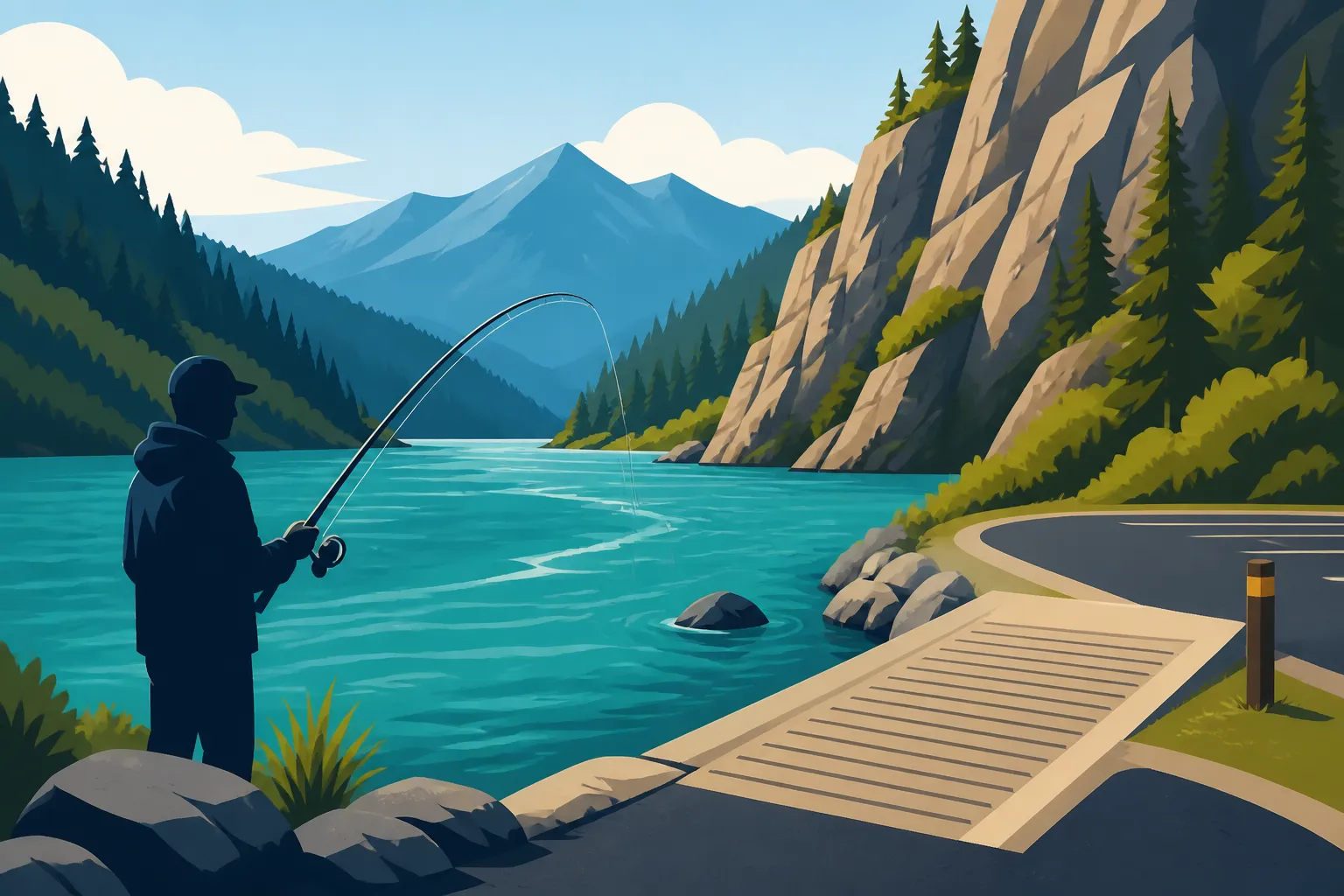
While the Fraser Canyon can feel remote, there are several established public access points that cater to shore anglers, offering a mix of convenience and wilderness experience. These locations often provide a starting point for exploring more secluded areas, or they can be excellent fishing spots in their own right.
Popular Roadside & Provincial Park Accesses
The section of Highway 1 (Trans-Canada Highway) that winds through the Fraser Canyon offers several points where you can pull off and find access to the river. Towns like Hope, Yale, and Boston Bar serve as key hubs. Near Hope, you'll find areas that provide relatively easy access to the lower reaches of the canyon, where the river begins to narrow. These spots are popular for bar fishing, particularly for salmon during their migration runs. Heading north, the small historic town of Yale offers a few access points, some requiring a short walk down to the river banks. Always respect private property signs in these areas.
Further into the canyon, around Boston Bar and further north towards Lytton, the access becomes a bit more rugged. Provincial Parks like Alexandra Bridge Provincial Park are fantastic spots, offering maintained trails that lead down to the river. While known for its stunning suspension bridge, the park also provides excellent access to the Fraser for shore fishing. The river here can be very powerful, so always exercise extreme caution, especially when wading or fishing from rocky outcrops. Check BC Boating Laws for Anglers even if you are not boating as understanding currents and river etiquette is key. These parks also usually have facilities, making them a good base for a day trip. Remember to always check current park regulations and any specific fishing closures or restrictions before you go.
Less-Known Hike-In Spots
For those willing to put in a bit more effort, the Fraser Canyon holds countless less-known hike-in spots that can offer exceptional solitude and untouched fishing experiences. These areas typically involve parking off a main road or a logging road and then hiking down often steep and sometimes unmarked trails to the river's edge. This is where local knowledge truly shines, and often you'll find these spots by word-of-mouth or by carefully studying topographical maps and satellite imagery.
One such area might be found off some of the smaller side roads that branch off Highway 1, especially between Yale and Boston Bar. These roads often lead to abandoned mining claims or old logging sites, which, with a bit of exploration, can reveal paths to the river. When venturing into these areas, always prioritize safety: inform someone of your plans, carry a bear spray, first-aid kit, and plenty of water, and wear appropriate hiking gear. The reward for this effort can be unpressured fishing for migrating salmon or even a chance at a true trophy sturgeon in deeper, less-fished pools. Remember that many of these areas are Crown land, so while access is generally permitted, responsible use, including packing out all your trash, is essential. Before heading into any remote area, it’s always wise to consult a local guide or bait shop; they can often provide invaluable, up-to-date information on river conditions and access.
Navigating the Fraser Canyon by Boat
For many, the true potential of Fraser Canyon fishing is unlocked by boat. This allows access to mid-river channels, deeper pools, and stretches of the river that are simply impossible to reach from shore. However, boating in the Fraser Canyon is not for the faint of heart and requires significant experience and the right equipment.
Essential Boat Launches and Safety
Given the powerful currents and numerous hazards like submerged logs and shifting sandbars, boat launches within the Fraser Canyon itself are limited and often rudimentary. Most anglers venturing into the canyon by boat will launch further downstream, typically in the calmer waters near Chilliwack or Agassiz, and then motor upstream. Popular launch points include Island 22 Regional Park in Chilliwack or launches near Kilby Provincial Park. From these points, experienced boaters can navigate up into the lower canyon. For those seeking to fish the deeper, more turbulent sections around Yale and Boston Bar, specialized jet boats are often required. These vessels are designed to operate in shallow, fast-moving water and are typically piloted by highly experienced individuals.
Safety on the Fraser is paramount. The river is wide, fast, and often carries a lot of debris. Always wear a life jacket, ensure your boat is equipped with all required safety gear, and always check river conditions and weather forecasts. If you're not an experienced river boater, especially in challenging conditions, consider joining a guided trip. Navigating this river safely requires an intimate understanding of its moods and currents, which takes years to develop.
Guided Boat Trips for Deeper Access
For most anglers, the safest and most effective way to experience boat fishing in the Fraser Canyon is by booking a guided trip. Experienced Fraser River guides, often operating out of areas like Chilliwack, Mission, or Hope, possess the specialized boats (typically large, powerful jet boats) and the extensive knowledge required to navigate the canyon safely and put you on fish. These guides know the subtle nuances of the river—where the deep holes are, where the salmon hold, and where the sturgeon feed. They also have the necessary permits, licenses, and safety certifications, ensuring a worry-free experience.
If you're not comfortable navigating the powerful currents of the Fraser Canyon on your own, or simply want to maximize your chances, booking a guided trip is an excellent option. Platforms like FishingBooker can connect you with experienced local guides who know the canyon's intricacies like the back of their hand, offering trips specifically tailored for White Sturgeon Fishing on the Fraser River or targeting the various salmon species. A guided trip usually includes all necessary gear, bait, and often cleaning services, making it a comprehensive and educational experience. It’s also a fantastic way to learn the river from an expert and pick up techniques specific to this unique environment.
Seasonal Considerations and Local Knowledge
Fishing in the Fraser Canyon is a year-round affair, but the species you target and the techniques you employ will change dramatically with the seasons. Understanding these seasonal shifts and leveraging local expertise can make all the difference in your success.
Best Times to Fish Each Section
The Fraser Canyon truly comes alive during the various salmon runs. Late summer and fall are prime times for Chinook, Sockeye, Coho, and Pink salmon, with specific migration windows for each species. For instance, the Best Time of Year to Fish in BC for Sockeye is typically late July through September, though exact dates and open fisheries can vary greatly due to conservation efforts. Many anglers target these fish from shore, especially in the lower canyon sections where they begin to concentrate. Fall also brings in healthy runs of Chum salmon, which are incredibly strong fighters.
For White Sturgeon, the fishing can be excellent virtually year-round, though spring (April-June) and fall (September-November) are often considered peak seasons as water temperatures are favorable and the fish are actively feeding. The powerful currents of the canyon provide excellent habitat for large sturgeon, and fishing for them can be exhilarating. Winter fishing for steelhead is also an option in some of the canyon's tributary rivers, but this often requires even more specialized knowledge and gear, and those fisheries are often subject to very tight regulations. Always check the latest BC Fishing Season Dates and Closures and BC Fishing Regulations Explained before planning your trip, as closures and specific rules can change rapidly due to conservation concerns.
Tapping into Local Expertise and Resources
No amount of online research can replace the insights of someone who lives and breathes fishing in the Fraser Canyon. Local tackle shops, charter operators, and experienced guides are invaluable resources. A quick visit to a tackle shop in Hope, Chilliwack, or even a smaller community like Boston Bar can provide you with up-to-the-minute information on river conditions, recent catches, and which baits or lures are working best. They can also point you towards specific access points that might not be widely advertised. Many of these shops also carry the specific gear tailored for the powerful Fraser, such as heavy-duty rods and reels needed for sturgeon or specialized bar fishing setups.
Additionally, online forums and local fishing clubs are fantastic communities for sharing information. Anglers often post reports and discuss conditions, offering a glimpse into what's happening on the river. However, be prepared to sift through varying levels of detail and sometimes even a bit of good-natured secrecy! For a truly immersive experience and to accelerate your learning curve, a guided trip remains the best way to tap into professional local expertise. Guides not only know the best spots but can also teach you the specific techniques required to succeed in this challenging environment. Whether it's through a local outfitter or by searching for specialized trips on sites like FishingBooker, connecting with local pros is a smart move for any angler new to the canyon or looking to hone their skills. Don't forget to secure your British Columbia Fishing License Guide for 2026 well in advance.
Fraser Canyon Fishing Access & Target Species Overview
| Access Point Area | Primary Access Type | Primary Target Species | Best Time of Year | Notes |
|---|---|---|---|---|
| Hope/Lower Canyon | Roadside, Shoreline | Salmon (Chinook, Coho, Sockeye), Sturgeon | Late Summer to Fall (Salmon), Year-round (Sturgeon) | Bar fishing popular, relatively easier access |
| Yale Area | Roadside, Hike-in Trails | Salmon, Sturgeon, Bull Trout | Late Summer to Fall (Salmon), Spring/Fall (Sturgeon) | More rugged, often requires short walks, swift currents |
| Alexandra Bridge PP | Hike-in Trails | Salmon, Sturgeon, Rainbow Trout | Late Summer to Fall (Salmon), Spring/Fall (Sturgeon) | Maintained trails, scenic, powerful currents at river's edge |
| Boston Bar/Lytton | Hike-in, Limited Roadside | Salmon, Sturgeon, Steelhead (tributaries) | Fall (Salmon), Spring/Fall (Sturgeon) | Remote, very rugged, local knowledge or guide recommended |
| Mid-Canyon (Boat) | Jet Boat Access (Guided) | Trophy Sturgeon, Salmon | Year-round (Sturgeon), Late Summer to Fall (Salmon) | Requires expert guidance, specialized boats, deepest canyon pools |
Disclaimer
Fishing in British Columbia, especially in dynamic environments like the Fraser Canyon, carries inherent risks. Always prioritize safety, understand and follow all current fishing regulations, and be aware of wildlife and environmental conditions. This guide provides general information and should not replace official regulations or professional guidance. Obtain the appropriate Where and How to Buy a BC Fishing License before fishing.