Upper Pitt River Steelhead Fishing
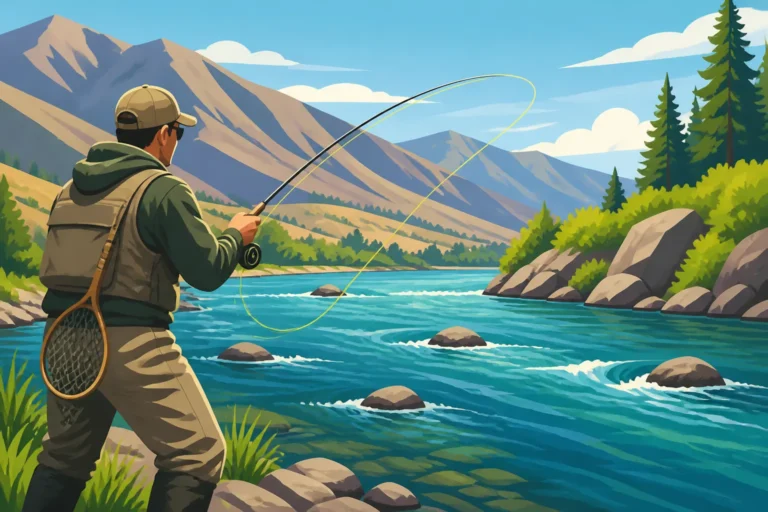
For many anglers, the thought of landing a wild steelhead is the ultimate dream, and the Upper Pitt River in British Columbia presents one of the most incredible, yet challenging, opportunities to achieve it. This isn't your average roadside fishery; it's a remote, rugged, and truly wild steelhead destination that demands respect, preparation, and often, a skilled guide. If you've been dreaming of chasing these magnificent chrome beauties in a pristine wilderness setting, this guide will walk you through everything you need to know about navigating the Upper Pitt River for an unforgettable steelhead fishing experience.
Understanding the Upper Pitt River Steelhead Run
The Upper Pitt River is a legendary name whispered among serious steelhead anglers, a place where the pursuit of these chrome rockets is as much about the journey and the wild setting as it is about the catch. It’s a truly special fishery, demanding respect and a deep understanding of its unique characteristics.
The Allure of Wild Winter Steelhead
There's something uniquely captivating about British Columbia's wild winter steelhead. These aren't hatchery-raised fish; they are powerful, untamed creatures that have battled their way from the ocean back to their natal rivers. The Upper Pitt River is renowned for its strong runs of these impressive fish, offering a genuine wilderness experience that feels a world away from paved roads and crowded riverbanks. Anglers come here not just for the potential trophy, but for the profound connection to nature and the sheer challenge of outsmarting a fish that has evolved to be incredibly wary and resilient. It’s a true test of skill, patience, and perseverance, rewarding those who put in the effort with memories that last a lifetime.
Pitt River's Unique Anadromous System
What makes the Upper Pitt River truly stand out in the pantheon of steelhead rivers is its unique hydrography. Originating high in the Coast Mountains, the Pitt River flows into Pitt Lake, one of the largest tidal lakes in the world, before draining into the Fraser River. This creates a fascinating anadromous system where steelhead and salmon navigate through both freshwater river sections and the tidal influence of Pitt Lake. The fish migrating into the Upper Pitt have to push through the lake, often holding in deeper areas before making their final push upstream. This journey primes them to be incredibly strong and hard-fighting, often displaying brilliant chrome flanks that speak to their recent transition from the ocean.
Understanding the Run Timing and Size
Knowing when to hit the Upper Pitt is crucial for success. Unlike some systems that see distinct fall and winter runs, the Upper Pitt is primarily known for its winter steelhead. These fish typically begin to enter the system in late fall, with the run building through December and peaking from January through March. Some fish can linger into April, depending on water conditions and snowmelt. While the Pitt River system doesn't necessarily produce the sheer numbers of fish found in some of the larger northern BC rivers, the quality of the fish is exceptional. Expect average steelhead in the 8-15 pound range, with true leviathans pushing into the high teens and even 20+ pounds certainly possible. These are powerful, thick-bodied fish, and every hook-up is an epic battle. For a more general overview of prime angling periods, check out our guide on BC Steelhead Season Dates.
Accessing the Upper Pitt River
One of the biggest factors that sets the Upper Pitt River apart, and contributes to its wild character, is its limited access. You can't just drive up to it; getting there is an adventure in itself, typically involving a specialized boat trip across Pitt Lake. This remoteness is both its blessing and its challenge.
The Jet Boat Journey from Pitt Lake
The primary way to reach the productive steelhead waters of the Upper Pitt River is by jet boat, traversing the expansive and often moody Pitt Lake. Your journey usually begins from a launch near Grant Narrows Regional Park in Pitt Meadows. From there, it's a significant boat ride across Pitt Lake, which can be over 20 kilometers long. The lake itself is fed by glacial melt, so its waters are often cold and can become incredibly choppy with strong winds, especially in winter.
Navigating the lake requires a capable vessel and an experienced hand. Once you reach the river mouth at the north end of the lake, the real river journey begins, upstream into the powerful currents and braided channels of the Upper Pitt. This trip is not for the faint of heart or the inexperienced boater; strong currents, numerous log jams, and fluctuating water levels make it a technical and potentially hazardous undertaking without proper knowledge and equipment.
Navigating the River's Challenges
Once on the Upper Pitt River itself, the challenges continue. The river is characterized by its powerful currents, deep runs, and often limited bank access due to dense riparian vegetation and steep terrain. Wading can be extremely difficult, if not impossible, in many sections due to depth and current, making a reliable boat essential for moving between productive spots.
Log jams are a constant feature, creating excellent holding water for steelhead but also presenting navigational hazards. The water can be murky or clear depending on recent rainfall and snowmelt, which directly impacts fish behavior and preferred techniques. These are not manicured fishing spots; this is raw, untamed wilderness fishing where adaptability and local knowledge are paramount. Understanding BC Boating Laws for Anglers is also critical, especially given the remote nature of this trip.
Why a Guided Trip is Often Essential
Given the formidable access challenges and the technical nature of fishing this river, booking a guided trip is not just recommended, it's almost essential for most anglers, especially those new to the area. Professional guides operating on the Upper Pitt possess specialized jet boats designed for navigating its unique conditions and have years of experience reading the river's currents, identifying holding water, and safely transporting clients.
They also have invaluable local knowledge of fish patterns, effective techniques for varying water conditions, and, perhaps most importantly, the ability to ensure your safety in a remote and unforgiving environment. Hiring a guide from services like FishingBooker, for instance, can connect you with experienced operators who specialize in Upper Pitt steelhead, transforming a potentially risky endeavor into a much safer and more productive adventure. They often provide all the necessary gear, expertise, and a hot meal on the river, making the overall experience far more enjoyable and successful.
Essential Gear and Techniques for Upper Pitt Steelhead
Successfully hooking into an Upper Pitt steelhead requires the right tools and a deep understanding of the tactics that work in this unique environment. These fish are strong, and the river itself demands heavy-duty gear and precise technique.
Recommended Rods, Reels, and Lines
For Upper Pitt steelhead, you'll want gear that can handle powerful fish and rugged conditions.
- Rods:
- Float Fishing/Drift Fishing: A longer, sensitive rod is ideal for these techniques. Look for a moderate-fast action rod in the 10'6" to 13' range, rated for 8-15 lb line or 8-17 lb line. This length helps with line mending, casting floats, and absorbing the shock of a hard-fighting steelhead.
- Spey/Switch Rods: Many fly anglers prefer two-handed rods for the Pitt, especially given the challenging wading and need for long casts. A 7- or 8-weight Spey rod, typically 12.5 to 14 feet, or a Switch rod in the 10.5 to 11.5 foot range, is suitable. This allows you to cover water efficiently and effectively.
- Reels:
- Float/Spin Reels: A high-quality centerpin reel is often the top choice for float fishing, offering unmatched line control and direct connection to the fish. For spinning gear, a durable reel in the 3000-4000 series with a smooth drag system is essential.
- Fly Reels: A robust, large arbor fly reel with a reliable disc drag is crucial for Spey fishing. Ensure it has plenty of backing capacity (at least 200 yards of 30 lb dacron) to handle the powerful runs of a Pitt River steelhead.
- Lines:
- Float/Spin Lines: Braided mainline (20-30 lb test) is popular for its sensitivity and strength, often paired with a fluorocarbon leader (10-15 lb test) for abrasion resistance and invisibility.
- Fly Lines: For Spey casting, a Skagit or Scandi shooting head system is versatile. Skagit lines are generally preferred for throwing heavier tips and flies in the colder, higher water typical of winter steelhead, while Scandi lines excel with lighter presentations. Make sure to match your shooting head to your rod's grain window.
Proven Techniques: Float Fishing and Spey Casting
Two techniques truly shine on the Upper Pitt River, largely due to the challenging current and need to cover water effectively.
- Float Fishing (Drift Fishing): This is arguably the most popular and productive method. Using a float (often called a 'bobber' by some, but typically a larger, more buoyant design for river fishing), you suspend your bait or lure at the desired depth, allowing it to drift naturally with the current. The goal is to present your offering directly in the fish's strike zone without any unnatural drag. This requires careful line management, constant mending, and a keen eye to detect subtle takes. Guides excel at positioning the boat to allow for long, clean drifts through prime holding water. Our guide on Float Fishing the Bulkley River offers some transferable techniques that can be adapted here.
- Spey Casting (Fly Fishing): For the dedicated fly angler, Spey casting is the elegant and effective way to target Pitt River steelhead. The long two-handed rod allows for powerful casts without needing extensive backcasting room, perfect for the often-brushy banks. Anglers typically swing weighted flies (intruder patterns, leeches, or traditional Spey flies) through runs and seams, hoping for that electric tug as a steelhead intercepts the fly. This method covers a lot of water and can be incredibly rewarding. Pairing the right Fly Patterns for BC Steelhead Rivers with your technique is key.
Effective Baits, Lures, and Flies
What you tie on the end of your line can make all the difference. Steelhead can be notoriously finicky, so having a range of options is wise.
- Baits (for Float/Drift Fishing):
- Roe: Cured salmon roe (often in netting) is a classic and highly effective steelhead bait. The scent and natural presentation are hard for a steelhead to resist.
- Worms: Scented artificial worms (like Berkley Gulp! or Mad River worms) or even natural earthworms can be surprisingly effective.
- Lures (for Float/Drift Fishing or Casting):
- Spin 'n Glo/Gibbs Delta Co. Wiggle Warts: Small, brightly colored lures with a spinning action can be deadly when drifted or retrieved.
- Drift Jigs: Marabou or rabbit fur jigs in various colors (pink, chartreuse, black, purple) are excellent when suspended under a float.
- Spoons/Spinners: Larger spoons (e.g., Crocodilians, Koho) or spinners can be effective when casting into deeper pools or faster water, mimicking baitfish.
- Flies (for Spey/Switch Casting):
- Intruder Patterns: These large, weighted flies with plenty of flash and movement are go-to choices for winter steelhead. Popular colors include black and blue, pink and purple, chartreuse, and white.
- Leech Patterns: Large marabou or rabbit strip leeches in black, purple, or olive are incredibly effective, especially in lower light or murky conditions.
- Traditional Spey Flies: While less common for the aggressive takes often sought in winter, classic Spey patterns can still tempt a fish with their subtle movement.
Remember, always check current regulations for any bait or lure restrictions on the Upper Pitt River before your trip.
Navigating Regulations and Conservation
Fishing the Upper Pitt River, like any wild BC fishery, comes with a responsibility to understand and adhere to local regulations and embrace conservation-minded practices. These rules are in place to protect the fragile steelhead populations and ensure the longevity of the fishery.
Specific Pitt River Steelhead Regulations
The Upper Pitt River falls under specific provincial and often localized regulations that are crucial to follow. These can include:
- License Requirements: You'll absolutely need a valid BC Freshwater Fishing License. Depending on your residency, costs vary, so make sure to get the correct one. Details on BC Freshwater vs Tidal Waters License, Explained can clarify which license you need. You'll also need a BC Steelhead Conservation Surcharge Stamp, which is mandatory for all anglers targeting or retaining (if allowed) steelhead.
- Season Dates: Steelhead seasons are often strictly regulated to protect spawning fish. While the general winter season runs from late fall through spring, specific opening and closing dates, or even specific days of the week, may apply. Always check the latest BC Freshwater Fishing Regulations Synopsis or current Fishery Notices before heading out.
- Bag and Possession Limits: For wild steelhead, the Upper Pitt is typically a 100% catch-and-release fishery, meaning zero retention. This is a critical measure to protect these vulnerable wild stocks. However, always verify this, as regulations can change.
- Gear Restrictions: Certain types of hooks (e.g., barbed hooks) or specific gear might be prohibited to minimize harm to released fish. Single, barbless hooks are commonly mandated for steelhead.
These regulations are dynamic, so always check the most up-to-date information from the BC government's fishing regulations synopsis.
Catch and Release Practices
Given that the Upper Pitt is a wild steelhead fishery and often catch-and-release only, mastering proper handling techniques is paramount. Every effort must be made to ensure the fish's survival after release.
- Minimize Fight Time: Use appropriate gear to land the fish as quickly as possible without over-stressing it.
- Keep Fish in Water: The golden rule. Do not remove steelhead from the water if you intend to release them. Their gills can collapse, and their slime coat can be damaged, making them susceptible to disease.
- Wet Hands: Always wet your hands before touching a fish to protect its delicate slime layer.
- Gentle Handling: Support the fish horizontally with one hand under the belly and the other gently gripping the tail. Avoid squeezing the body.
- Barbless Hooks: Always use barbless hooks (or pinch down barbs) to facilitate quick and easy hook removal.
- Revive Gently: If the fish seems tired, hold it gently facing into the current in calm water, allowing water to flow over its gills until it regains strength and swims away on its own. Never push or pump the fish back and forth, as this can force water in the wrong direction through its gills.
- Photography: If taking photos, be quick, keep the fish in the water as much as possible, and support it well.
These practices are vital for Steelhead Fishing in BC and any other sensitive fishery.
Importance of Stewardship and the Steelhead Conservation Surcharge Stamp
Anglers fishing for steelhead in British Columbia play a direct role in the conservation of these magnificent fish through the mandatory BC Steelhead Conservation Surcharge Stamp. The funds generated from the sale of these stamps are directly invested back into steelhead research, habitat restoration, and conservation initiatives across the province.
Beyond the stamp, true stewardship means:
- Respecting the Environment: Pack out everything you pack in, and leave no trace. This pristine environment is a privilege to visit.
- Respecting Wildlife: Be aware of other wildlife in the area and give them space.
- Reporting Violations: If you witness illegal fishing activity, report it to the appropriate authorities.
- Educating Others: Share best practices for catch and release and conservation with fellow anglers.
By embracing these principles, we ensure that the Upper Pitt River continues to offer world-class wild steelhead fishing for generations to come.
Timing Your Trip for Success
Catching steelhead on the Upper Pitt River is often about being in the right place at the right time, and that means paying close attention to the calendar, the weather, and critically, the water conditions.
Peak Season Windows and Weather Considerations
While steelhead are present in the Upper Pitt River from late fall through spring, the prime window for targeting the strongest runs and most active fish is typically from January through March. This is true winter steelhead fishing, meaning you need to be prepared for all kinds of weather.
- January: Often sees the first good pushes of fish, especially after some colder temperatures stabilize the water. Days can be short and cold, with snow or freezing rain possible.
- February: A consistent producer, with potentially good numbers of fish and slightly longer days. Still cold, but often with periods of clearer, more stable weather.
- March: Can be excellent, with increasing daylight and often more aggressive fish as they near spawning. However, this is also when snowmelt can begin to impact water levels and clarity.
Weather plays a huge role. Prolonged cold snaps can make fish less active, while sudden warm fronts bringing heavy rain can blow out the river. Dressing in layers, with waterproof and insulated outer shells, is non-negotiable.
Water Levels and Clarity
Water conditions are arguably the most critical factor for success on the Upper Pitt. This is a dynamic, freestone river, meaning its levels and clarity are highly susceptible to precipitation and snowmelt.
- High Water: Heavy rain or rapid snowmelt can cause the river to rise quickly, become murky, and carry a lot of debris. In these conditions, fish often move closer to the banks, and targeting them requires heavier gear and presentations that can get down in the faster current. It can also make navigation dangerous.
- Low and Clear Water: Extended dry spells can lead to low, clear water. While navigation might be easier, fish can become incredibly spooky and wary. Finesse techniques, longer leaders, and natural-looking presentations are key. Low water can also make certain areas inaccessible by jet boat.
- Ideal Conditions: Many anglers consider slightly dropping or stable water levels after a high-water event to be ideal. The water might have a slight tint, offering fish some cover, but still clear enough for them to see your presentation. The fish tend to be more active and spread out through the runs.
Experienced guides constantly monitor weather forecasts and river gauges (where available) to predict optimal fishing windows.
Planning for a Multi-Day Adventure
Given the remoteness and the effort required to access the Upper Pitt, planning a multi-day trip is often the most sensible and rewarding approach. A single day might involve significant travel time on Pitt Lake, leaving limited hours for actual fishing.
- Increased Opportunities: Multiple days allow you to experience varying water conditions, try different spots and techniques, and simply increase your chances of hooking into a steelhead.
- Guide Services: Most guides offer multi-day packages, often staying at rustic cabins or remote camps along the river, providing a truly immersive wilderness experience. This eliminates the daily long boat ride across Pitt Lake and maximizes your fishing time. Booking a multi-day trip through a service like FishingBooker can streamline the logistics, ensuring your accommodations and guide are aligned for an extended stay.
- Flexibility: A multi-day trip also offers more flexibility to adapt to changing weather or river conditions. If one day is unfishable, you might have another day to make up for it.
Remember to bring all necessary personal items, medications, and appropriate clothing for an extended stay in a wilderness setting. Being prepared for anything will make your adventure that much more enjoyable.
Beyond Steelhead: Other Fishing Opportunities on the Pitt
While the allure of Upper Pitt River Steelhead Fishing is undeniable, the Pitt River system is a vibrant ecosystem that offers a diverse range of fishing opportunities throughout the year. It's a true multi-species destination for the adventurous angler.
Salmon Runs in the Lower Pitt
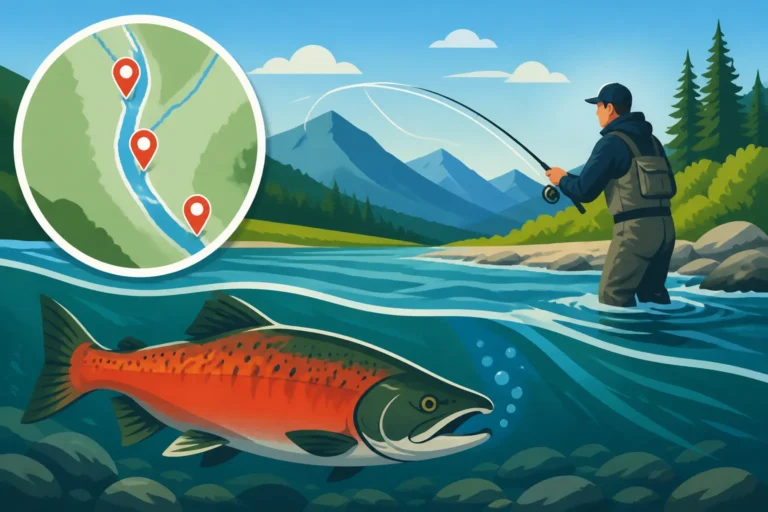
The lower reaches of the Pitt River, closer to Pitt Lake and its confluence with the Fraser River, see impressive runs of Pacific salmon. This provides fantastic angling opportunities, particularly in the late summer and fall.
- Sockeye Salmon: During major return years, the Pitt River can be a significant spawning ground for Fraser River sockeye. While fishing for sockeye can be highly regulated with specific opening and closing windows, when open, they offer fast-paced action. These fish are typically targeted as they move through the lower river.
- Chum Salmon: Also known as Dog Salmon, chum salmon enter the Pitt in good numbers in the fall. They are incredibly strong fighters and can be caught on a variety of methods, including jigs, flies, and spin gear.
- Coho Salmon: Silvery and acrobatic, coho salmon are another popular target in the lower Pitt during the fall. They readily strike flies, spoons, and jigs, providing exhilarating battles.
- Chinook Salmon: While not as abundant as in some other BC rivers, some Chinook (King) salmon also make their way into the Pitt, offering a chance at a true trophy salmon.
Anglers should always consult the latest BC Salmon Conservation Stamp Rules and specific Fishery Notices as salmon runs are highly managed and regulations can change rapidly.
Trout and Dolly Varden in Upper Reaches
Beyond the anadromous runs, the Upper Pitt River system, particularly its smaller tributaries and headwaters, holds resident populations of various trout species and Dolly Varden. These fish offer a different kind of challenge, often in more intimate settings.
- Rainbow Trout: Wild rainbow trout are present throughout the system, often feeding on aquatic insects, smaller baitfish, and salmon eggs during spawning seasons. Fly fishing with nymphs, dry flies, or small streamers can be very effective for these beautiful fish.
- Cutthroat Trout: Coastal cutthroat trout can also be found in the Pitt, especially in its lower reaches and tributaries. These ambush predators readily strike flies and small lures.
- Dolly Varden: Often confused with bull trout, Dolly Varden are native char that inhabit the colder waters of the Upper Pitt and its feeder streams. They are aggressive predators, often growing to respectable sizes, and will readily hit streamers, spoons, and bait. Identifying Bull Trout vs Dolly Varden Identification correctly is important for regulation purposes.
Fishing for these resident species provides a wonderful opportunity to explore smaller side channels and calmer sections of the river, often with lighter tackle and a focus on presentation.
Combining Trips for Diverse Angling
The Pitt River's diverse fishery makes it an ideal location for anglers looking to combine different types of fishing into one epic trip. Imagine spending a few days chasing chrome steelhead in the wild upper reaches, then dropping down to the lower river to target aggressive fall salmon.
- Seasonal Overlap: There can be some overlap in seasons, particularly in late fall, allowing anglers to target both late-run salmon and early-run steelhead.
- Guided Expertise: Many Pitt River guides specialize in both steelhead and salmon, and a good guide service (like those you might find on FishingBooker) can help you plan a multi-species trip tailored to your preferences and the best seasonal opportunities.
- Year-Round Potential: While steelhead dominates the winter narrative, the Pitt system offers angling opportunities almost year-round, from spring trout to fall salmon.
This potential for varied fishing experiences ensures that a trip to the Pitt River is not just a quest for one species, but an exploration of a rich and thriving aquatic environment.
| Fish Species | Primary Season | Typical Target Areas | Common Techniques | Average Size |
|---|---|---|---|---|
| Winter Steelhead | Jan-Mar | Upper River Runs & Pools | Float fishing, Spey casting | 8-15 lbs, up to 20+ lbs |
| Sockeye Salmon | Late July-Sept | Lower River, Pitt Lake | Fly fishing (sockeye rigs), drift | 4-8 lbs |
| Chum Salmon | Sept-Nov | Lower River | Jigs, flies, spoons, drift | 10-20 lbs |
| Coho Salmon | Sept-Nov | Lower River, Tributaries | Flies, spoons, jigs, drift | 5-12 lbs |
| Rainbow Trout | Spring-Fall | Throughout River, Tributaries | Nymphing, dry flies, small spinners | 1-5 lbs |
| Dolly Varden | Year-round (best Spring/Fall) | Upper River, Tributaries | Streamers, spoons, bait | 2-8 lbs |
Disclaimer
Please be aware that fishing regulations in British Columbia are subject to change at any time. It is the angler's responsibility to consult the most current BC Freshwater Fishing Synopsis or relevant Fishery Notices before heading out on any fishing trip. Information provided in this guide is for general informational purposes only and should not be considered legal advice.