BC rockfish conservation area rules
There’s nothing quite like the thrill of fishing British Columbia’s stunning coast, but trying to keep up with all the rules and regulations can sometimes feel like a full-time job. One area that often causes a lot of head-scratching and worry for both seasoned and new anglers alike is understanding BC's Rockfish Conservation Area (RCA) rules. It's easy to accidentally drift into one, or even worse, inadvertently catch a rockfish when you're targeting something else. This guide is here to untangle those rules, clarify where these crucial areas are, and equip you with practical strategies to help you fish responsibly and avoid those dreaded penalties.
Understanding BC's Rockfish Conservation Areas: What Are They and Why Do We Need Them?
Let's face it, the ocean can feel like a vast, inexhaustible resource, but some species are more delicate than we realize. Rockfish, with their striking colours and often inquisitive nature, are a prime example of a species that needs our special attention. It’s not just about protecting them for protection’s sake; it’s about maintaining the intricate balance of our marine ecosystems.
The Critical Need for Rockfish Protection
Imagine a fish that can live for over 100 years, growing slowly, and only reproducing later in life. That's many species of rockfish in a nutshell. This long lifespan and slow reproductive cycle make them incredibly vulnerable to overfishing. When a rockfish population declines, it takes a very long time for it to recover, sometimes decades. This vulnerability is why Fisheries and Oceans Canada (DFO) implemented the Rockfish Conservation Areas. We’ve seen historical declines in some rockfish stocks, prompting these significant measures to ensure their survival for future generations.
One of the biggest frustrations anglers face is identifying the multitude of rockfish species. There are over 30 different species found in BC waters, ranging from the easily identifiable Copper Rockfish to the more cryptic Quillback and Yelloweye Rockfish. Many share similar appearances, especially when they're small, making accidental identification and retention a real risk. This complexity underscores why it's safer to avoid targeting any rockfish in specific areas rather than trying to distinguish them on the fly. These areas aren't just for show; they're vital sanctuaries.
What Exactly is an RCA? Defining the Zones
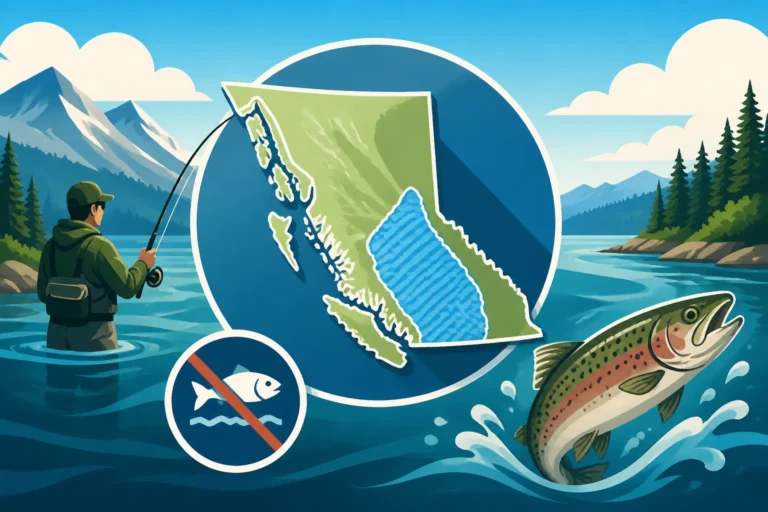
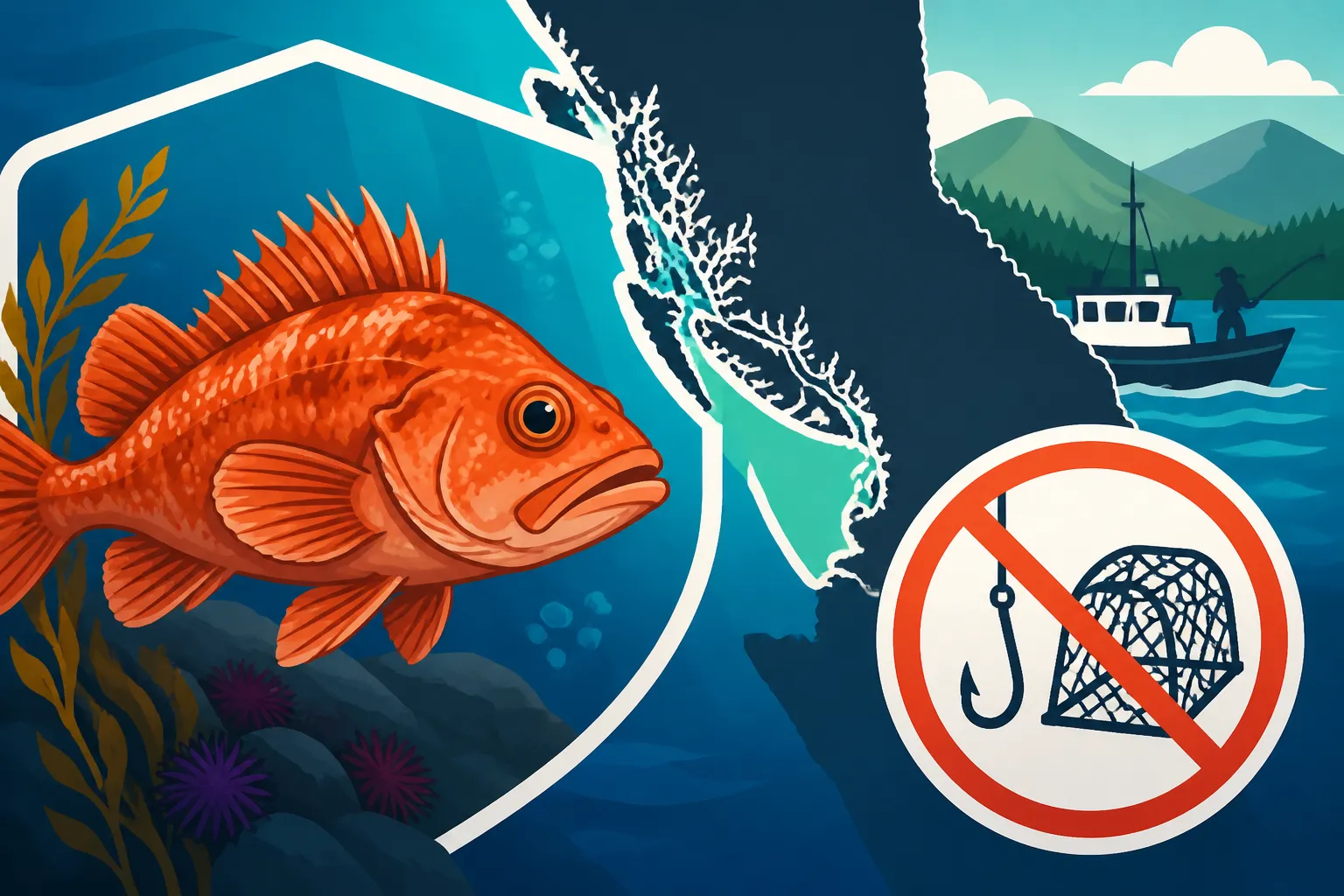
So, what exactly is a Rockfish Conservation Area? In simple terms, an RCA is a specific marine zone, clearly marked on nautical charts and designated by DFO, where all fishing for and retention of rockfish is strictly prohibited. Think of them as underwater national parks for rockfish. The goal is to provide safe havens where these slow-growing, long-lived species can thrive without the pressure of angling.
It’s crucial to understand that within an RCA, you absolutely cannot keep any rockfish you catch, even if you accidentally hook one. The regulations often extend to no fishing specifically for rockfish, meaning you shouldn't even be targeting them in these areas. While you might still be able to target other species like Pacific salmon or lingcod in some RCAs, the golden rule is that if you hook a rockfish, it must be released immediately and carefully. This applies whether you're fishing recreationally or commercially. It's a fundamental part of the overall BC Fishing Regulations Explained.
Navigating the Rules: Where Are RCAs Located and What Are the Specific Prohibitions?
Knowing why RCAs exist is one thing, but knowing where they are and what you can and cannot do is essential for a stress-free fishing trip. The BC coast is vast, and these zones can be found in various locations, sometimes in prime fishing spots you might already frequent.
Identifying Rockfish Conservation Area Boundaries
The trickiest part for many anglers is pinpointing the exact boundaries of these RCAs. They're often defined by specific latitude and longitude coordinates, or by landmarks on shore, which can be challenging to track without the right tools. You'll find these boundaries detailed on official DFO nautical charts, in the annual tidal waters fishing regulations synopsis, and on the DFO website. Many modern marine navigation apps, like Navionics or C-MAP, also offer overlays that display RCA boundaries directly on your chartplotter or tablet, which is an absolute game-changer for on-water awareness. Having an up-to-date physical chart is also highly recommended, perhaps one you can order easily from online retailers like Amazon, just in case your electronics decide to act up.
RCAs are scattered across the entire BC coast. You'll find a significant number of them around Vancouver Island, especially in sensitive areas with complex bottom structures, the Haida Gwaii archipelago, and along the mainland coast in places like Howe Sound and the Sunshine Coast. Each RCA has its own unique boundary, so you can't assume that if one area is an RCA, a similar-looking area nearby will be too. Always check the specific area you plan to fish. Understanding the BC tidal waters area boundary map is a good starting point for comprehending the broader zones.
Beyond Rockfish: Other Species and Activities Within RCAs
It’s a common misconception that RCAs are entirely no-fishing zones. While the primary prohibition is on rockfish fishing and retention, other species can often still be targeted. For instance, you might be able to troll for salmon through an RCA, or drop a line for lingcod, provided you are not targeting rockfish. However, if you hook a rockfish while targeting these other species, it falls under the strict no-retention rule, and immediate, careful release is mandatory. This is particularly important when you're bottom fishing, as rockfish tend to inhabit similar rocky structures as species like lingcod.
The DFO regulations clearly state that when fishing in an RCA, any rockfish caught must be immediately returned to the water where it was caught, in a manner that causes the least harm. This means no bringing them aboard for a quick photo, no keeping them in the livewell, and no attempting to fillet them. It's also critical to note that for some species, like lingcod, there might be specific Lingcod Habits Around Structure or depth regulations that also need to be considered alongside RCA rules, making proper planning even more vital.
Gear Restrictions and Best Practices in RCA Vicinity
While there aren't typically explicit gear restrictions solely for RCAs (like specific hook types), there are definitely best practices for gear and technique when fishing near or in areas where rockfish are prevalent. The goal is to minimize accidental rockfish bycatch. For example, if you're targeting halibut in deep water, using larger baits or jigs might reduce the chance of smaller rockfish taking your hook. If you're fishing for other species in shallower, rocky areas adjacent to an RCA, consider lighter gear that allows for better feel, or using methods that keep your bait or lure away from the direct bottom where rockfish often reside.
A crucial piece of equipment for any angler fishing in BC's coastal waters, especially near RCAs, is a barotrauma reduction device. Rockfish brought up from deeper waters (typically over 10-15 meters) suffer from barotrauma – a pressure-related injury where their swim bladder expands, preventing them from swimming back down. Devices like the Shelton fish descender, available on platforms like Amazon, allow you to safely return rockfish to depth, greatly increasing their survival chances. Using these devices isn't just a good idea; it's a responsible angling practice that demonstrates respect for our marine life.
Practical Strategies for Anglers: Avoiding Bycatch and Ensuring Compliance
The fear of running afoul of DFO regulations can sometimes deter anglers from exploring new spots, but with a bit of preparation and smart angling, you can confidently fish BC's beautiful waters while respecting the RCAs.
Pre-Trip Planning and Essential Tools
The golden rule of fishing in BC, especially regarding regulations, is "know before you go." Before heading out, always check the current DFO tidal waters fishing regulations synopsis and any in-season fishery notices. These notices, which you can learn How to Check BC Fishery Notices Before a Trip, are particularly important as boundaries or rules can change unexpectedly. Don't rely on last year's knowledge!
Secondly, invest in good navigation tools. A reliable GPS chartplotter with up-to-date charts that show RCA overlays is indispensable. If your vessel isn't equipped with one, a marine navigation app on a tablet or smartphone can serve as an excellent backup or primary tool. Apps like iNavX or Navionics are popular choices and can be downloaded onto most devices. Always have a physical chart as well – a simple, inexpensive chart available from local marine supply stores or even via Amazon can be a lifesaver if your electronics fail. Mark potential RCAs on your paper chart with a highlighter so they're impossible to miss. Additionally, make sure you understand other crucial aspects like BC Boating Laws for Anglers to ensure overall compliance.
Fishing Techniques to Minimize Rockfish Encounters
When you're fishing near or in an RCA (if targeting other species is permitted), consciously adapt your techniques to reduce the chance of hooking a rockfish. Rockfish are typically found on or very close to rocky structures, reefs, pinnacles, and kelp beds. If you're targeting salmon, which often cruise in open water, ensure your gear is set to depths that keep it away from the bottom structure. For halibut or lingcod, which do frequent deeper structures, try to use larger baits or lures that are less likely to be swallowed by smaller rockfish.
Another strategy is to avoid repeatedly dropping your line directly into known rockfish hotspots. If you notice you're consistently catching rockfish, it's a clear signal to move to a different location or change your depth and presentation. Understanding the Rockfish Species Identification Guide for BC can also help you recognize their preferred habitats and thus avoid them more effectively. The key is to be adaptable and proactive in minimizing interactions.
Handling Accidental Rockfish Catches: Release and Reporting
No matter how careful you are, sometimes you'll accidentally hook a rockfish. When this happens, swift and proper handling is paramount. First, get the fish back in the water as quickly as possible. Avoid excessive handling, especially touching their eyes or gills. If the fish is exhibiting signs of barotrauma (swollen stomach, bulging eyes, inability to swim down), immediately use your descender device to return it to depth. Many modern descenders clip onto the fish's jaw or lip and are weighted to rapidly take the fish back down to its original depth, where the pressure equalization allows its swim bladder to recompress.
Remember, even if a rockfish appears mortally injured, it is still illegal to retain it. You must release it. While it's disheartening to release a fish you believe won't survive, retaining it would lead to significant fines and penalties for Fishing Without a License in BC: Penalties or for violating RCA rules. There's no DFO requirement to report accidental rockfish catches, but being aware and practicing responsible release contributes to better stock assessment in the long run.
Here's a quick reference on some common rockfish and why conservation is so crucial:
| Rockfish Species (Common Examples) | Key Identification Features | Typical Habitat | Vulnerability and Lifespan |
|---|---|---|---|
| Yelloweye Rockfish (Red Snapper) | Bright orange-red, prominent yellow eye, rough scales | Deep rocky reefs, pinnacles (20-100m+) | Highly vulnerable, extremely long-lived (up to 120 years), slow to mature. Depleted stocks. |
| Quillback Rockfish | Dark brown to black, blotchy, high dorsal fin spines | Rocky reefs, ledges (5-100m) | Vulnerable, long-lived (up to 95 years), relatively slow maturity. |
| Copper Rockfish | Coppery brown, sometimes blotches, light lateral line | Rocky reefs, kelp beds, shallower (0-90m) | Moderately vulnerable, long-lived (up to 50 years), more common. |
| China Rockfish | Dark blue-black, yellow stripe along lateral line | Rocky reefs, boulders (0-120m) | Vulnerable, long-lived (up to 80 years), cryptic. |
| Tiger Rockfish | Orange/red with black vertical stripes | Deep rocky habitats (20-100m) | Vulnerable, long-lived (up to 115 years), rare. |
This table highlights just a few of the many species. Their slow growth and long lifespans make them exceptionally sensitive to fishing pressure, hence the strict rules within Rockfish Conservation Areas. Always prioritize their well-being and adhere to these vital regulations to ensure their survival and the health of BC's marine environment.
Disclaimer
The information provided in this guide is for general informational purposes only and does not constitute legal advice. Fishing regulations in British Columbia are subject to change by Fisheries and Oceans Canada (DFO). Anglers are responsible for consulting the most current DFO regulations synopsis, fishery notices, and local signage before engaging in any fishing activity. Non-compliance with fishing regulations can result in significant penalties.