BC lingcod minimum size limit
Figuring out all the ins and outs of fishing regulations in British Columbia can feel like trying to untangle a particularly stubborn knot in your fishing line. You want to do the right thing, protect our precious fish stocks, and avoid any unwanted run-ins with enforcement, but sometimes just finding the clear, concise information you need is a challenge in itself. If you're heading out to target lingcod in BC's beautiful coastal waters, one of the most crucial rules you need to know is the minimum size limit. This guide is here to break down exactly what that limit is, why it matters, and how to make sure you're always fishing responsibly.
Understanding BC's Lingcod Minimum Size Limit
When you’re out on the water, the thrill of hooking into a powerful lingcod is something else. These aggressive predators offer a fantastic fight and make for delicious table fare. But before you even think about putting one in the cooler, you absolutely must know the rules regarding their size. It’s not just a suggestion; it’s a critical part of sustainable fishing that protects the future of this amazing species.
Why Size Limits Exist for Lingcod
Size limits aren't just arbitrary numbers slapped onto regulations; they're carefully considered scientific measures designed to protect fish populations. For lingcod, like many other species, the minimum size limit primarily serves to ensure that fish have at least one opportunity to spawn before they are harvested. Lingcod mature at different sizes depending on their sex and location, but generally, a 65 cm minimum allows a significant portion of the population to contribute to the next generation.
Think about it this way: if we were allowed to keep every small lingcod we caught, we’d quickly deplete the breeding stock. Fewer adult fish mean fewer eggs, fewer juveniles, and eventually, a drastic decline in the overall population. By letting the smaller ones go, we give them a chance to grow larger, reproduce, and help maintain a healthy, vibrant fishery for everyone, including future generations of anglers. It’s a conservation measure that directly impacts the long-term health and abundance of the lingcod fishery, ensuring those epic battles with big lings can continue for years to come.
The Specific Lingcod Minimum Size in BC Waters
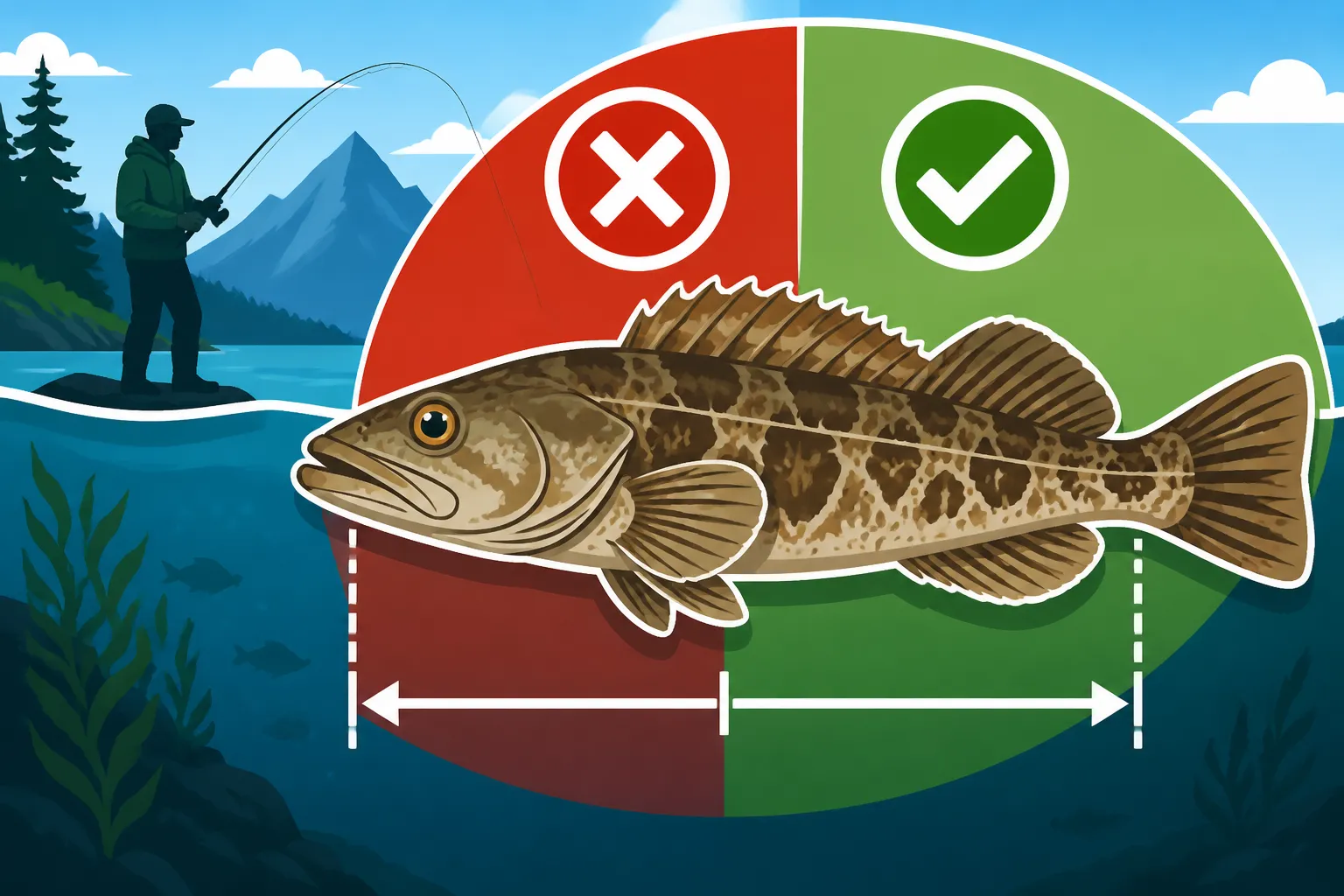
Alright, let's get down to brass tacks. For recreational anglers targeting lingcod in British Columbia's tidal waters, the general minimum size limit is 65 centimeters (approximately 25.6 inches). This measurement is taken from the tip of the nose to the tip of the tail (fork length is not used for lingcod, it's total length). It's always wise to remember that fishing regulations can sometimes have regional nuances or be subject to in-season changes based on scientific assessments and stock levels.
It’s your responsibility as an angler to always consult the most current Department of Fisheries and Oceans (DFO) Pacific Region Integrated Fisheries Management Plan (IFMP) or, more practically, the latest "BC Fishery Notices and In-Season Closures, Explained" before you head out. These notices are crucial because closures or specific size limits might apply to certain areas, like within the Strait of Georgia or around specific Rockfish Conservation Areas (RCAs). The 65 cm minimum is a broad guideline, but specific management areas might have slightly different or additional rules. Always double-check!
How to Properly Measure Your Lingcod
Measuring a fish correctly can be surprisingly tricky, especially when you're on a rocking boat or the fish is still feisty. But it's essential to get it right. For lingcod, you need to measure the total length, which means from the very tip of its snout to the furthest tip of its tail fin.
Here’s a simple process to ensure you’re measuring accurately:
- Lay the fish flat: Gently lay the lingcod on a flat, clean surface, like a measuring board or the deck of your boat. If it's still thrashing, try to calm it down as much as possible without causing undue stress.
- Close the mouth: Ensure the fish’s mouth is closed. An open mouth can add extra length and give you an inaccurate measurement.
- Position the head: Place the tip of the nose right against the zero mark of your measuring device. A good quality measuring board, often available at tackle shops or online from retailers like Amazon, will have a solid end stop to butt the fish's head against.
- Extend the tail: Gently squeeze the tail lobes together so they form a single point, then read the measurement at the very end of the tail. Don't stretch the fish, but ensure it's as straight as possible.
- Read the measurement: Take your reading to the nearest centimeter. If it's exactly on the line, say 64.9 cm, you round down, meaning it's 64 cm. If it's 65 cm or more, then it's a keeper, provided other regulations are met.
Always have a reliable measuring device on hand. A good, rigid measuring board is ideal for accuracy, but a flexible tape measure can work if you’re careful to keep it straight against the fish. Remember, if there’s any doubt, it’s always best to release the fish. It’s better to be safe than sorry, both for the fish and your wallet!
Beyond the Minimum: Other Lingcod Regulations to Know
While the minimum size limit is a cornerstone of lingcod conservation, it's just one piece of the puzzle. British Columbia's fishing regulations for lingcod are a tapestry of rules designed to manage the fishery comprehensively. To truly be a responsible angler, you need to be aware of other critical regulations that govern these fantastic bottom dwellers. Ignoring any of these can lead to fines, gear confiscation, and even the loss of your fishing privileges.
Daily and Possession Limits
Even if your lingcod meets the minimum size requirement, you can't just keep every legal-sized fish you catch. There are strict daily and possession limits in place. A daily limit dictates how many fish of a certain species you can keep in a single day. The possession limit determines how many fish of a certain species you can have in your possession at any given time, whether that's in your cooler, at your camp, or in your freezer at home.
For lingcod, these limits can vary, but typically, recreational anglers are allowed to retain one (1) lingcod per day, with a possession limit of two (2). This means you can catch and keep one today, and if you have one from yesterday at home, you’re still within your possession limit of two. However, it's paramount to check the current DFO regulations, as these numbers are subject to change. For example, some areas or specific times of year might have a zero retention limit or different allowances. This ensures that the overall harvest remains sustainable and prevents any single angler from having an outsized impact on the stock. You'll find details on these limits in the general BC fishing regulations synopsis.
Seasonal Closures and Area Restrictions
Lingcod fisheries are also managed through specific seasonal closures and area restrictions. These measures are often implemented to protect lingcod during critical life stages, such as spawning, or to safeguard habitats where they are particularly vulnerable. Lingcod typically spawn in the late winter and early spring, and during these times, certain areas might be closed to fishing to give them peace to reproduce successfully.
For instance, many parts of the Strait of Georgia or specific inshore areas might have different opening and closing dates for lingcod fishing compared to outer coastal waters. Additionally, you'll encounter numerous Rockfish Conservation Areas (RCAs) along the BC coast. Fishing for lingcod, or any bottom fish, is strictly prohibited within these zones to protect sensitive rockfish populations that share similar habitats. Ignorance of these boundaries is not an excuse. Always consult current charts and fishery notices to understand where you can and cannot fish. Overlooking these closures can result in significant penalties. Staying informed through resources like "BC Fishery Notices and In-Season Closures, Explained" is essential before every trip.
Gear Restrictions and Best Practices
Responsible lingcod fishing also involves adhering to specific gear restrictions and adopting best practices to minimize harm, especially to those fish that need to be released. While lingcod are not as finicky as some species, certain rules apply to the type of gear you can use. For example, using single, barbless hooks is always encouraged for any catch-and-release fishing, making it easier to remove the hook with less damage to the fish.
When targeting lingcod, you'll often be fishing near rocky structure, which can be tough on gear. Using appropriate tackle that minimizes snagging and allows for efficient retrieval helps prevent lost gear that could become marine debris. Some regulations may specify maximum numbers of hooks per line or prohibit certain types of gear known to cause excessive bycatch or harm. Additionally, if you're venturing into waters where other sensitive species might be present, like certain salmon populations, ensure your gear complies with those species' specific rules, such as using single, barbless hooks for all species if salmon are open for retention. Always familiarize yourself with these nuances to fish ethically and legally.
Consequences of Not Following Lingcod Regulations
Let's be blunt: fishing without knowing and following the rules isn't just irresponsible; it's illegal, and the consequences in British Columbia can be significant. Fisheries officers are out there, and they take their job of protecting our marine resources very seriously. Getting caught with an undersized lingcod or exceeding your bag limit isn't a minor slap on the wrist; it can truly put a damper on your fishing adventure and your bank account.
Penalties for Undersized Lingcod
The Department of Fisheries and Oceans (DFO) has a clear enforcement framework for violations of fishing regulations. If you're caught with an undersized lingcod, the penalties can range from substantial fines to the seizure of your catch, fishing gear, and even your vessel. The exact fine amount can vary depending on the severity of the offense, your history of violations, and whether it's a first offense. However, general fines for fisheries violations can easily be in the hundreds, if not thousands, of dollars.
For example, a single undersized fish might lead to an immediate fine, but repeated offenses or possessing multiple undersized fish could escalate to court appearances and even more severe penalties. Beyond the financial impact, there's the inconvenience and stress of dealing with legal proceedings. You might also lose your fishing license, preventing you from enjoying the waters of BC for an extended period. It's a stark reminder that these regulations are serious business and are in place to safeguard the long-term health of our fisheries, as highlighted in comprehensive guides like "Fishing Without a License in BC: Penalties".
Ethical Angling and Conservation
Beyond the legal ramifications, there's a strong ethical component to adhering to fishing regulations. As anglers, we are stewards of the environment. Our actions directly impact the health and sustainability of the fish populations we love to pursue. Keeping an undersized lingcod, even unintentionally, undermines the collective efforts to conserve the species. It means one less fish that gets to spawn and contribute to future generations.
Ethical angling means not just following the letter of the law but also understanding its spirit. It means making the extra effort to properly measure your catch, releasing fish with care, and staying informed about current regulations. It also means educating ourselves and others about the importance of these rules. Every time you consciously release an undersized fish, you're making a tangible contribution to conservation. It fosters a culture of respect for the resource and ensures that the thrill of catching lingcod remains a possibility for many years to come.
Tips for Releasing Undersized Lingcod Safely
Catching an undersized lingcod means it’s time for a quick and careful release. Releasing fish properly is an art form in itself, and when done correctly, it gives that fish the best possible chance of survival. Lingcod, being robust fish, generally have a good survival rate if handled well, but those extra seconds and thoughtful techniques can make all the difference, especially when you consider their habitat often means they come from deeper waters.
Minimizing Harm During Catch and Release
The goal when releasing an undersized lingcod is to get it back into the water as quickly and gently as possible, minimizing stress and physical injury. Here are some key tips:
- Handle with wet hands: Always wet your hands before touching the fish. Dry hands can remove the fish's protective slime coat, making it vulnerable to infection.
- Support the body: If you must handle the fish, support its entire body horizontally, especially if it’s a larger one. Avoid holding it vertically by the jaw or tail only, as this can damage internal organs or the spine.
- Use a de-hooking tool: If the hook is easily accessible, use long-nosed pliers or a de-hooking tool to remove it quickly and cleanly. Avoid tearing at the flesh.
- Barbless hooks: Consider using single, barbless hooks, especially when fishing for species where catch-and-release is common or for species that frequently fall below the legal size. Barbless hooks greatly reduce tissue damage and make removal much faster.
- Avoid prolonged air exposure: Lingcod, like all fish, cannot breathe air. Keep their time out of water to an absolute minimum. A few seconds for hook removal is usually fine, but don't let them gasp for air for extended periods for photos.
- Gentle release: Gently place the fish back into the water headfirst, or support it in the water until it swims away on its own. Don't just toss it in.
Using a Descending Device
Lingcod are often caught in deeper waters, sometimes from depths where they can suffer from barotrauma, which is essentially the "bends" for fish. When a fish is brought up quickly from deep water, the gases in its swim bladder expand, causing it to bloat, turn upside down, and be unable to swim back down. This is particularly common for rockfish, but lingcod can also be affected if caught from significant depths.
This is where a descending device becomes invaluable. A descending device is a tool that allows you to safely lower the fish back down to the depth from which it was caught, re-compressing its swim bladder and allowing it to recover and swim away naturally. There are various types, from simple weighted clamps that attach to the fish's jaw to more elaborate systems that release the fish at a predetermined depth. Many anglers find these devices, often referred to as "recompression tools" or "fish descenders," to be essential when bottom fishing in deeper areas. You can find a good selection of descending devices on platforms like Amazon, and they're a small investment that makes a huge difference in fish survival rates. Using one demonstrates a true commitment to conservation and gives those undersized lingcod the best shot at thriving.
| Regulation Category | Specific Rule for Lingcod (General) | Notes |
|---|---|---|
| Minimum Size Limit | 65 cm (total length) | Measured from tip of nose to tip of tail. Round down to nearest cm. |
| Daily Limit | 1 fish per day | Always check DFO Fishery Notices for specific area/time variations. |
| Possession Limit | 2 fish | Total number of fish you can have at any time, including at home. |
| Season | Varies by area | Often closed during late winter/early spring spawning periods. Check DFO for specifics. |
| Area Restrictions | No retention within Rockfish Conservation Areas (RCAs) | Familiarize yourself with RCA locations on charts. |
| Gear | Single, barbless hooks recommended for catch and release | Reduces harm to fish being released. |
Disclaimer
Please remember that fishing regulations, including those for lingcod in British Columbia, are subject to change without notice. While we strive to provide the most up-to-date and accurate information, it is the individual angler's responsibility to consult the current British Columbia Fishing License Guide for 2026 and the official Department of Fisheries and Oceans (DFO) regulations and fishery notices before heading out on the water. This guide is for informational purposes only and should not be considered a legal document. Always refer to the latest DFO Pacific Region Integrated Fisheries Management Plans and fishery notices to ensure compliance.