BC catch and release only trout streams
It’s a unique feeling, isn't it? That moment you reel in a beautiful trout, only to realize you can’t actually take it home for dinner. British Columbia is home to some incredible fisheries, but not all of them are about filling your cooler. For many passionate anglers, the idea of "catch and release only" waters can feel a bit counterintuitive at first, or even a tad frustrating if you’re not sure why these special rules exist or how to navigate them. This guide is here to unravel the mystery of BC's catch and release trout streams, helping you understand their purpose, find these unique spots, and master the art of ethical C&R fishing, ensuring these precious fish continue to thrive for generations to come.
Understanding Catch-and-Release Only Streams in BC
The concept of catch-and-release (C&R) fishing has gained immense traction in British Columbia, particularly for certain trout streams. These aren't just arbitrary rules; they're vital conservation measures put in place to protect fragile fish populations, enhance trophy potential, and maintain healthy ecosystems. It’s all about sustainability and ensuring that future generations can experience the same incredible fishing opportunities we enjoy today.
Why Catch-and-Release Is Essential for Trout Streams
Imagine a pristine stream, teeming with healthy, wild trout. These fish are often slow-growing, highly susceptible to fishing pressure, and sometimes represent unique genetic strains. When too many are harvested, especially the larger, more mature ones, it can severely impact their breeding success and the overall health of the fishery. Catch-and-release regulations step in to reduce mortality rates, allowing fish to grow larger, reproduce more successfully, and maintain a robust population structure. This isn't just about preserving numbers; it's about fostering an environment where fish can truly thrive, leading to better fishing experiences for everyone in the long run. Many of these streams might hold sensitive populations of wild rainbow trout, cutthroat trout, or even bull trout, which require extra protection.
The Benefits of Designated C&R Waters
Beyond direct conservation, designated catch and release only trout streams offer a host of other benefits that make them incredibly popular among dedicated anglers. For starters, these waters often boast a higher density of fish, and more importantly, a higher proportion of larger, older, and wiser fish. This means a greater chance of hooking into that trophy trout you’ve been dreaming about – a fish that has seen many flies and lures, providing a true challenge. These fisheries also act as living laboratories, allowing scientists to study fish behavior and population dynamics in a relatively undisturbed environment. For anglers, it’s an opportunity to hone their skills, learn more about fish behavior, and appreciate the act of fishing itself, rather than just the outcome of a meal. Plus, the peace of mind knowing you're contributing to a thriving ecosystem is a reward in itself. These areas become true sanctuaries for anglers who prioritize the experience and the future of the sport.
Identifying and Locating BC's C&R Trout Waters
Navigating BC's fishing regulations can sometimes feel like solving a complex puzzle, especially when it comes to pinpointing those specific catch and release only trout streams. It’s not always immediately obvious, and missing a detail can lead to a less-than-ideal day on the water. But with the right approach and resources, finding these special spots becomes much easier.
Where to Find the Official Regulations
Your absolute first stop should always be the official government publications. The BC Freshwater Fishing Regulations Synopsis is the bible for anyone fishing in British Columbia's inland waters. This comprehensive document is updated annually and details all the specific regulations, including which lakes and rivers are designated as catch and release only. Don’t just skim it; take the time to read the sections relevant to the region and specific water bodies you plan to fish. You'll find it available online on the BC government’s fishing and hunting portal, and often in print at local tackle shops and service BC centres. For more detailed guidance, consider checking out articles like Reading the BC Freshwater Fishing Regulations Synopsis to help you decipher all the codes and exceptions.
Within the synopsis, you'll find tables and maps outlining specific lakes, rivers, and even sections of rivers that have special regulations. Look for keywords like "Single Barbless Hook," "No Bait," and "Catch and Release Only." These are your clear indicators. Sometimes, a specific stream might have C&R rules only for certain species (like trout), while others might be open for retention of different fish. Always double-check!
Utilizing Online Resources and Local Knowledge
Beyond the official synopsis, the digital age offers a wealth of resources. The BC Fisheries website often has "Fishery Notices and In-Season Closures, Explained" which can provide real-time updates on closures or changes to regulations, especially for sensitive areas. These notices are critical because regulations can change mid-season due to conservation concerns or new assessments. Various angling forums and online communities dedicated to British Columbia fishing are also fantastic places to gather information. Locals often share their insights and experiences, pointing to lesser-known C&R gems or offering tips on current conditions.
Local tackle shops are invaluable. The staff there live and breathe fishing in their area and can often give you hyper-local advice on specific streams, current conditions, and even point you to maps or resources that highlight C&R areas. Don't be shy about asking questions! Websites like iFishBC, a mobile app, also provide geographically tagged regulations, making it easier to see what rules apply to a specific body of water right from your phone. When exploring regions like the Cariboo Chilcotin or the Kootenay region, these local insights can be paramount.
Here's a quick reference table for identifying C&R waters:
| Resource Type | How It Helps | Key Information to Look For |
|---|---|---|
| BC Freshwater Fishing Synopsis | The definitive source for all regulations, updated annually. | "Catch and Release Only," "Single Barbless Hook," "No Bait" markings |
| BC Government Fishery Notices | Real-time updates on closures and regulation changes. | In-season changes affecting specific water bodies |
| iFishBC App | Geo-located regulations and fishing information on your mobile device. | On-the-spot rules for your current fishing location |
| Local Tackle Shops/Guides | Expert local advice, current conditions, and hidden C&R spots. | Recommendations, specific access points, and nuanced rules |
| Online Fishing Forums | Community discussions, shared experiences, and tips on specific streams. | Local insights, recent catches, and current trends |
Essential Gear and Ethical Practices for C&R Fishing
So, you’ve found your perfect catch and release only trout stream – congratulations! But the adventure doesn't stop there. Engaging in C&R fishing isn't just about releasing the fish; it's about doing so with the utmost care and responsibility to ensure the fish's survival after its encounter with you. This means having the right gear and, more importantly, adopting a set of ethical practices that minimize stress and injury.
Recommended Gear for Minimal Impact
When targeting trout in C&R waters, your gear choices become paramount. The goal is to hook, land, and release the fish as quickly and gently as possible.
- Barbless Hooks: This is often a mandatory regulation in C&R streams, and for good reason. Barbless hooks inflict less damage and are far easier to remove, drastically reducing the time a fish is out of the water. You can buy hooks that are already barbless, or you can simply crimp down the barb on your existing hooks with a pair of pliers. Many brands, like Gamakatsu and Mustad, offer excellent barbless options. A quick search on Amazon will show you a wide array of choices.
- Appropriate Rod and Line: Using a rod and line setup that matches the size of fish you expect to encounter is crucial. Overly heavy gear can stress smaller fish, while gear that's too light can prolong the fight, exhausting the fish and increasing its mortality risk. For most BC trout streams, a light to medium-light action rod with 4-8 lb test line (or a 3-6 weight fly rod) is ideal. This allows for a quick but fair fight.
- Rubberized Landing Net: A net with soft, knotless, rubberized mesh is a game-changer. Unlike traditional knotted nylon nets that can strip off protective slime, damage fins, or even injure eyes, rubber nets are gentle on the fish. They also prevent hooks from getting tangled, making for a quicker release. You can find excellent options from brands like Frabill or Fishpond on Amazon.
- Long-Nosed Pliers or Hemostats: These are indispensable tools for quick and safe hook removal. They allow you to easily grasp the hook without putting your fingers near the fish's mouth, especially when dealing with smaller fish or deeply set hooks. Again, a quick look on Amazon will provide many choices, from standard pliers to specialized fishing hemostats.
- Wetting Your Hands: This might seem minor, but it's incredibly important. Always wet your hands thoroughly before touching a fish. Dry hands can remove the fish’s protective slime coat, leaving it vulnerable to bacterial and fungal infections.
Mastering Ethical Release Techniques
Even with the best gear, your technique for handling and releasing a fish makes all the difference. The goal is to minimize air exposure and physical stress.
- Minimize Fight Time: As mentioned, use appropriate tackle to bring the fish in efficiently. Prolonged fights can exhaust a fish, making it less likely to recover after release.
- Keep the Fish in the Water: Whenever possible, unhook the fish while it’s still in the net and submerged. This reduces air exposure, which is highly stressful for fish and can damage their delicate gills.
- Gentle Handling: If you must handle the fish, do so with wet hands and support its body horizontally. Avoid squeezing its belly or gills. If it's a larger fish, cradling it gently under its belly and tail is best.
- Quick Hook Removal: With barbless hooks and your pliers or hemostats, removing the hook should be swift. If a hook is deeply set and can't be removed easily without causing major damage, it's sometimes better to cut the line as close to the hook as possible. The hook will often rust out or be dislodged naturally.
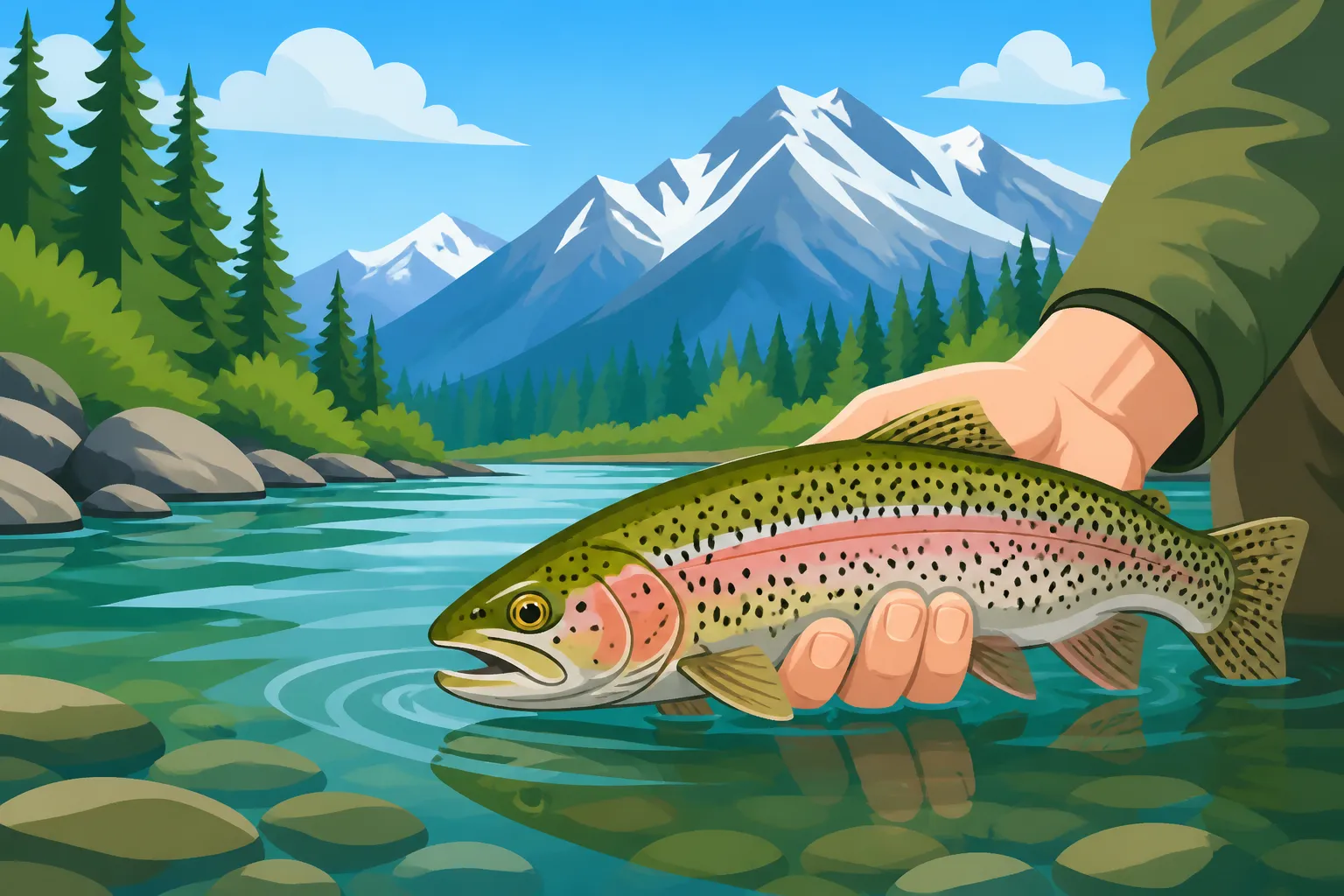
- Revival: After releasing, hold the fish gently in the current, facing upstream, until it regains its strength and can swim away on its own. It might take a minute or two. Don't just toss it back; watch for strong tail kicks and self-propelled movement. For more in-depth knowledge on handling fish, articles on Sturgeon Catch and Release Survival Tips can offer valuable insights, even though they focus on a different species, the core principles of care are universal.
Navigating Regulations and In-Season Changes
Fishing in British Columbia is a dynamic sport, and the rules are not always set in stone for an entire year. This is particularly true for sensitive fisheries, like many of the catch and release only trout streams. Staying informed about the latest regulations and understanding how they can change is crucial for any responsible angler. The last thing you want is to inadvertently break a rule designed to protect the very fish you're trying to enjoy.
Why Regulations Change and How to Stay Current
Regulations in BC fisheries are constantly evolving, driven by scientific data, conservation needs, and sometimes even environmental factors like droughts or floods. Population assessments, spawning success rates, and disease outbreaks can all trigger in-season changes. For instance, an unexpected decline in a specific trout stock might lead to a temporary closure or a stricter C&R rule for that particular stream. Similarly, a strong return might open up a short retention window in other areas.
To stay current, checking the official BC government website for "Fishery Notices" should be part of your pre-fishing routine, every single time. These notices are published by the Ministry of Forests, Lands, Natural Resource Operations and Rural Development (FLNRORD) and supersede the printed synopsis. They announce emergency closures, openings, or changes to limits and methods. You can subscribe to email alerts so you get notified immediately when a new notice is issued for your preferred fishing region. Furthermore, understanding the nuances between BC Freshwater vs Tidal Waters License, Explained is critical, as rules can vary greatly depending on whether you're in a river or a coastal estuary.
Specific Considerations for Trout Streams
Many of BC's catch and release trout streams are managed with a high degree of precision. Beyond the general C&R rule, you might encounter other specific regulations:
- Gear Restrictions: This often means "single barbless hooks only" or "fly fishing only" rules. These restrictions are in place to reduce mortality, as flies and barbless hooks tend to inflict less damage. Always carry the right hooks and be prepared to switch if the regulations demand it.
- Bait Restrictions: Many C&R trout streams prohibit the use of bait. This is because fish are more likely to swallow bait deeply, leading to higher mortality rates when the hook is removed. Artificial lures and flies, when used correctly, tend to hook fish in the mouth, making release much easier.
- Season Dates and Closures: Even C&R streams have specific seasons. For example, a stream might be C&R for trout during the spring and summer, but completely closed during fall spawning periods to protect breeding fish. You might also find special rules regarding specific areas like BC Interior Fraser steelhead protection closures or specific times of year as detailed in BC Fishing Season Dates and Closures. These closures are non-negotiable and are crucial for the long-term health of the fishery.
- Protected Species: Some trout streams are C&R not just for general conservation, but because they host species with protected status, such as certain strains of wild steelhead or bull trout. Misidentifying a fish could lead to a violation, so brush up on your fish identification skills.
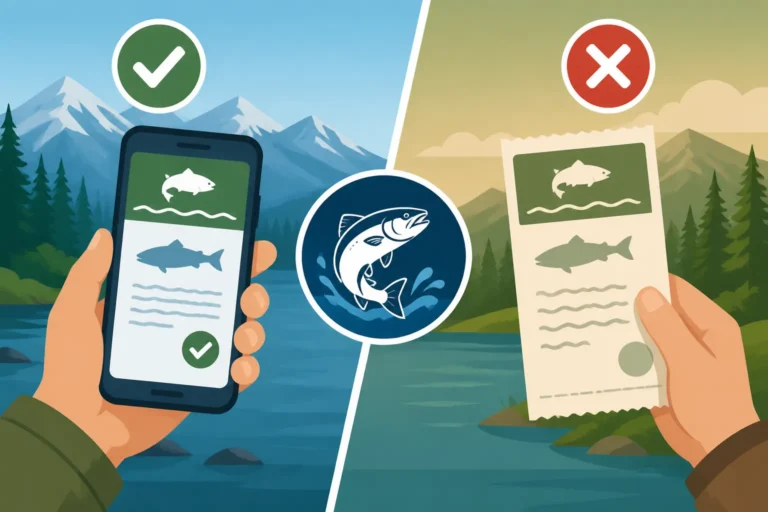
Always remember to have your British Columbia Fishing License Guide for 2026 in order and readily accessible, whether it’s a printed copy or a digital version on your phone as discussed in Printing or Carrying a Digital Fishing License in BC. It’s not just about the rules for the fish, but also about ensuring you're legally permitted to be fishing in the first place.
Ultimately, fishing BC’s catch and release only trout streams is a privilege and a joy. By understanding the regulations, using the right gear, and practicing ethical release techniques, you’re not just having a great day on the water; you’re actively contributing to the health and vitality of British Columbia’s incredible freshwater fisheries for everyone to enjoy, now and in the future.
Disclaimer
Please remember that fishing regulations in British Columbia can change frequently. While this guide provides comprehensive information, it is always your responsibility to consult the most current official BC Freshwater Fishing Regulations Synopsis and any in-season Fishery Notices from the BC government before heading out on your fishing trip. Failure to comply with regulations can result in significant penalties.