BC Fraser River sockeye 5-week closure window dates
Navigating the ever-changing landscape of fishing regulations in British Columbia can feel like a full-time job, especially when it comes to iconic species like Fraser River sockeye salmon. Anglers often face the frustrating reality of closures that seem to pop up just as the fish are running, leaving many confused about when and where they can actually wet a line. This guide is here to untangle the complexities of the BC Fraser River sockeye 5-week closure window, offering clarity on its purpose, typical timing, and how you can stay informed to avoid disappointment and ensure you're always fishing legally and sustainably.
Understanding the Fraser River Sockeye Closure Window
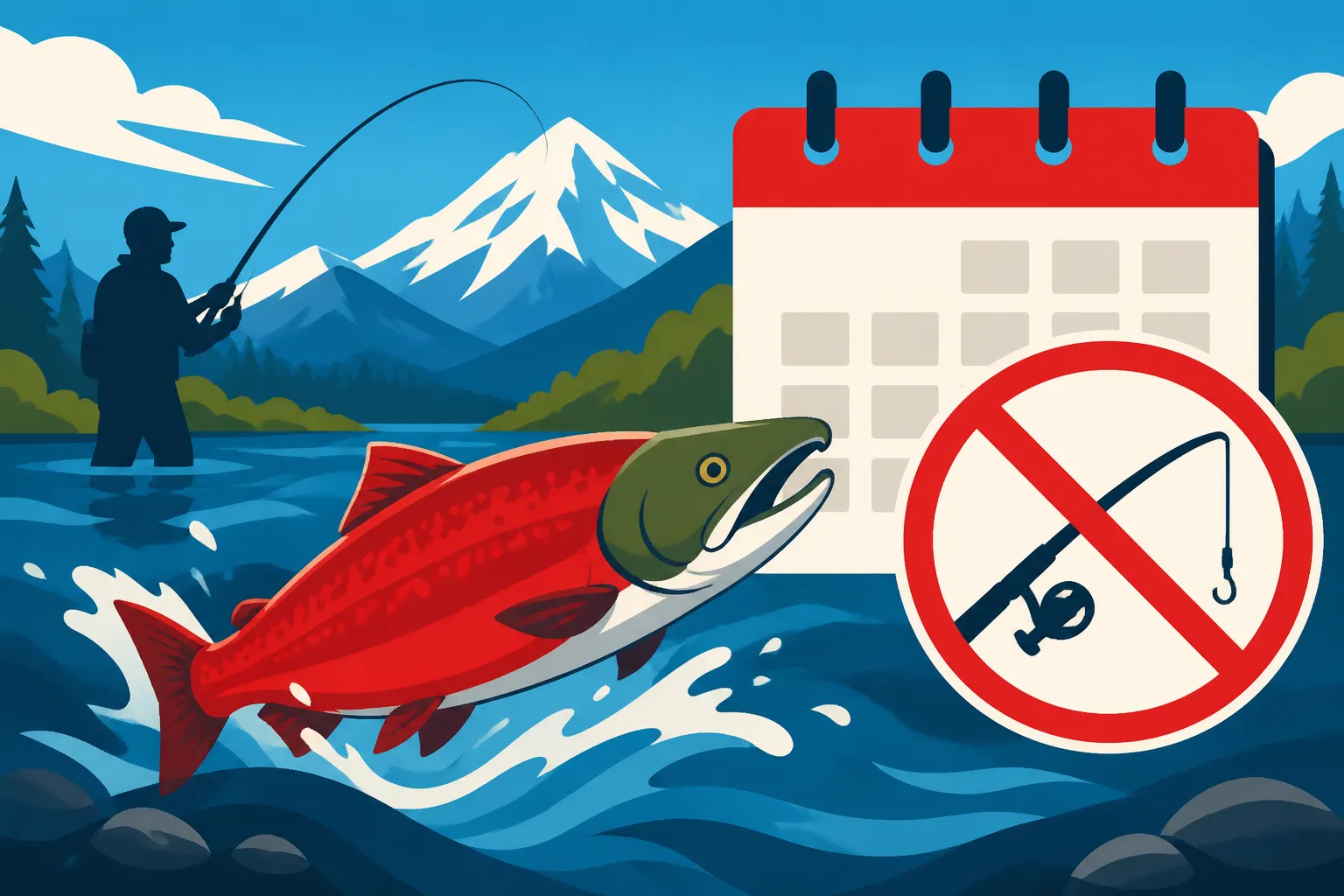
The Fraser River is legendary for its sockeye salmon runs, drawing anglers and wildlife enthusiasts from all over the world. However, these runs are incredibly sensitive to environmental conditions, fishing pressure, and conservation needs. It's not uncommon for recreational fishing opportunities for sockeye on the Fraser to be subject to specific closure windows, often lasting around five weeks, to protect these vulnerable stocks.
Why the 5-Week Closure Exists
The existence of a significant closure window for Fraser River sockeye isn't just a random inconvenience; it's a critical conservation measure. Sockeye salmon undertake an epic journey, migrating hundreds of kilometers from the ocean, through the Strait of Georgia, and up the mighty Fraser River and its tributaries to their natal spawning grounds. This migration is incredibly taxing, and the fish are particularly vulnerable during certain periods.
The 5-week closure is typically implemented during what is deemed a critical migration period. This is often a time when different sockeye "management groups" or "stocks" are passing through the Lower Fraser. Some of these stocks might be robust, while others could be in a precarious state, facing low returns due to environmental factors like warmer river temperatures, habitat degradation, or historical overfishing. By implementing a blanket closure, Fisheries and Oceans Canada (DFO) aims to provide a "time-out" for all sockeye to pass through the lower river unhindered by recreational fishing pressure. This allows for a more accurate assessment of the returning numbers and ensures that enough fish make it to their spawning grounds to sustain future generations. It’s a tough pill to swallow when the fish are right there, but it’s all about the long-term health of the fishery. Understanding the Sockeye Salmon Life Cycle in the Fraser System helps to appreciate the vulnerability of these magnificent fish during their arduous journey.
General Timing of the Closure
While it's called a "5-week closure," the exact dates are never set in stone year after year. The DFO makes these decisions based on real-time stock assessments, migration timing, and in-season updates on returns. Historically, however, this crucial closure period often falls within the late July to early September timeframe. This corresponds to the peak migration of several sockeye stocks through the Lower Fraser River, as they push upstream towards areas like the Chilcotin, Shuswap, and other interior spawning grounds.
It’s important to remember that this isn't a fixed calendar event like a holiday. The specific start and end dates can shift by a week or more depending on the run strength, river conditions, and management objectives for that particular year. One year you might be fishing into August, the next you might be shut down by the end of July. This variability is precisely why staying informed is so vital for any angler hoping to target salmon on the Fraser. The DFO constantly monitors run sizes, ocean entry timing, and river conditions to decide when and for how long these measures are necessary.
Impact on Anglers and Local Communities
Let's be honest, these closures can be incredibly frustrating for recreational anglers. You plan your summer around the sockeye run, get your gear ready, and then suddenly, your dreams of fresh sockeye are dashed. Many anglers feel a sense of disappointment, especially those who travel significant distances or book guides specifically for this experience. It impacts weekend warriors and serious sport fishermen alike.
Beyond the individual angler, these closures have a ripple effect on local communities and the fishing industry. Tackle shops in areas like Mission, Chilliwack, and Hope often see a significant downturn in sales of sockeye-specific gear, bait, and licenses during these periods. Fishing guides who specialize in Fraser River salmon can lose bookings, impacting their livelihoods. While no one wants to see a fishery collapse, the economic reality of these conservation measures is keenly felt by many small businesses and independent operators. It underscores the delicate balance between conservation and economic activity that DFO and local stakeholders constantly try to manage. Many guides and outfitters offer alternatives, like White Sturgeon Fishing on the Fraser River, to keep clients on the water.
How to Stay Informed About Specific Closure Dates
Given the dynamic nature of Fraser River sockeye regulations, relying on old information or hearsay is a recipe for disappointment, and potentially, legal trouble. There are specific, reliable channels you must consult to ensure you have the most up-to-date information.
Official DFO Fishery Notices
This cannot be stressed enough: the official DFO Fishery Notices are your absolute best, most reliable, and frankly, only source for precise, legally binding information on fishing closures and openings. These notices are issued by Fisheries and Oceans Canada whenever there's a change in regulations, whether it's an opening, a closure, or a modification to daily limits or gear restrictions.
You can access these notices directly on the DFO website. Even better, you can sign up for their email subscription service to have these critical updates delivered right to your inbox. Trust me, it’s worth the minor inconvenience of extra emails to avoid a hefty fine. When a notice comes out, read it carefully. Don’t just skim the subject line. These documents outline the specific dates, geographic boundaries (e.g., "Fraser River from Mission Bridge to the mouth"), and species affected. This ensures you're fully aware of restrictions like the BC Fraser River sockeye 5-week closure window dates or any changes to BC Freshwater Salmon Retention Rules. Make it a habit to check them weekly, or even daily, if you’re planning a trip during a known volatile period. For a comprehensive overview, familiarize yourself with BC Fishery Notices and In-Season Closures, Explained.
Consulting Local Tackle Shops and Guides
While DFO notices are the official word, local tackle shops and experienced fishing guides are invaluable resources for practical, real-time insights. These folks are on the water, talking to other anglers, and often have a deep understanding of local conditions and how DFO decisions might unfold. They are often the first to know when a notice has been issued or when a new assessment is underway.
Think of your local tackle shop as a community hub. The staff at shops like Chilliwack Dart & Tackle or Fred's Custom Tackle often live and breathe fishing. They’ll have the DFO notices posted, can explain what they mean in plain language, and might even have insights into historical patterns or what’s happening upstream. Similarly, professional guides like those operating on the Fraser River Fishing Guide are constantly in communication with DFO representatives and each other. They are invested in staying current, as their business depends on it. A quick chat with them can often clarify nuances that might be missed in a formal notice, and they can offer advice on alternative fishing opportunities during a sockeye closure. Just remember to always verify their advice against the official DFO notices for absolute certainty.
Community Forums and Social Media Groups
In the digital age, online fishing forums and social media groups have become popular platforms for anglers to share information. You’ll find groups dedicated specifically to Fraser River Fishing Guide or general BC angling. These platforms can be great for quick updates, seeing what others are experiencing on the water, and discussing regulations. Sometimes, a DFO notice will drop, and within minutes, it’s being dissected and discussed in these groups.
However, a word of caution: while these resources offer fantastic peer-to-peer knowledge sharing, they are not official sources. Information can be misinterpreted, outdated, or simply incorrect. Always use these platforms as a supplementary source of information and never as your sole basis for understanding regulations. If you see something interesting or concerning, take it as a prompt to go check the official DFO Fishery Notices. It’s a good idea to cross-reference any information you find online with the DFO website or a trusted local expert.
Navigating Fishing Opportunities During the Closure
When the Fraser River sockeye closure window descends, it can feel like your fishing plans are completely derailed. But fear not, the angling opportunities in British Columbia are vast and varied! A temporary sockeye closure doesn't mean you have to pack away your rods; it just means it's time to pivot and explore other fantastic fisheries that BC has to offer.
Alternative Species and Locations
British Columbia is a fishing paradise, and while sockeye are iconic, they are far from the only game in town. When the Fraser is closed for sockeye, consider shifting your focus to other species or different waters. The Fraser River itself offers incredible White Sturgeon Fishing on the Fraser River, a purely catch-and-release fishery that provides an unforgettable experience with prehistoric giants. These amazing fish are often targeted during sockeye closures, offering a thrilling alternative.
Beyond the Fraser, BC's interior lakes and rivers are teeming with rainbow trout, bull trout, and kokanee. Areas like the Okanagan Valley or the Kootenay region offer world-class trout fishing. For instance, you could head to Kootenay Lake for the legendary Gerrard rainbow trout, or explore the Best Fishing Lakes in British Columbia for a change of scenery. If you're still craving salmon, and regulations permit, other river systems or even coastal tidal waters might have open seasons for other salmon species like pink or chum, depending on the time of year and specific area. Always consult the BC Fishing Seasons by Month for a comprehensive overview of what’s open where. Remember, BC has diverse fishing opportunities, and a sockeye closure is a perfect excuse to broaden your angling horizons.
Fishing Techniques During Sockeye Closures
If you decide to fish the Fraser River or any water where sockeye might be present during a closure for other permitted species (e.g., sturgeon), selective fishing becomes paramount. The goal is to minimize accidental encounters with sockeye and ensure any caught are released unharmed. This often means adjusting your gear and techniques.
For example, when targeting sturgeon on the Fraser, anglers often use large baits on the bottom, which is less likely to be picked up by migrating sockeye. If there's an opening for other salmon species (like Chinook or Coho, outside of the sockeye closure zone), you might opt for specific lures or baits that are less attractive to sockeye, or fish at depths where sockeye are less prevalent. Always pay close attention to the specific regulations for the area you're fishing, as sometimes there are gear restrictions (e.g., single barbless hooks only, no bait) explicitly designed to protect sockeye even when other species are open. The golden rule is responsible catch-and-release, especially if you accidentally hook a closed-species fish. Knowing the rules around BC Catch and Release Only Waters is crucial, and having a good quality landing net and de-hooking tool, which you can easily find on Amazon, can make a huge difference in ensuring a quick and safe release.
Preparing for the Post-Closure Season
A sockeye closure isn't just a period of frustration; it's also an excellent opportunity to prepare for when the fishing does open up again, or for other target species. Use this time wisely! You can:
- Maintain your gear: Give your reels a good cleaning and lubrication, check your line for nicks, sharpen hooks, and organize your tackle box. This is a great time to ensure everything is in top shape so you're ready to go at a moment's notice.
- Learn new techniques: Ever wanted to try fly tying or learn a new casting technique? The closure provides the perfect downtime. There are countless tutorials and resources online.
- Study regulations: Dive deep into the Reading the BC Freshwater Fishing Regulations Synopsis or brush up on the specific rules for the river stretch you plan to fish. Knowledge is power, and knowing the ins and outs of BC Fishing Regulations Explained will make you a more confident and compliant angler.
- Plan future trips: Research other fishing spots in BC you've always wanted to try. Maybe it's a trip to one of the Best Steelhead Rivers in BC in the fall, or exploring a new lake for trout.
- Stock up on essentials: Check your inventory of leaders, weights, lures, and other consumables. A quick order on Amazon can ensure you have everything you need for your next outing, from spare line to waterproof fishing gloves.
By taking advantage of these down periods, you'll not only stay engaged with your passion but also be better prepared and more effective when the fishing opportunities arise again.
Penalties and Responsible Angling Practices
Fishing during a closed season or for a prohibited species isn't just bending the rules; it carries serious consequences. It's vital that every angler understands the ramifications of non-compliance and embraces responsible angling practices to support the long-term health of British Columbia's fisheries.
Consequences of Fishing During a Closure
Fishing during a DFO-mandated closure for a specific species, like the Fraser River sockeye, is a serious offense. The penalties are not trivial and can significantly impact your wallet and your future angling opportunities. Fines can range from hundreds to thousands of dollars, depending on the severity of the offense. In some cases, your fishing gear – including rods, reels, and even your boat – can be seized. Additionally, you could face a suspension of your fishing license, meaning you won't be able to fish legally in BC for a certain period.
Beyond the legal and financial repercussions, non-compliance undermines the very conservation efforts designed to protect these fish. Every sockeye caught during a critical closure period directly impacts the number of fish that make it to the spawning grounds, potentially jeopardizing future runs. It's not just about getting caught; it's about the collective responsibility we share as anglers. For more details on the severity of these infractions, refer to Fishing Without a License in BC: Penalties.
Ethical Considerations for Sockeye Conservation
As anglers, we are stewards of the resource. Our passion for fishing comes with a profound responsibility to protect the fish and their habitats. For species like Fraser River sockeye, which face numerous challenges throughout their life cycle, ethical angling is paramount. This means more than just following the rules; it means understanding the spirit of the regulations.
When you're out on the water, consider the bigger picture. Even if a specific area is open for another species, but you're seeing a lot of sockeye, consider if your current technique or location is inadvertently putting stress on them. Practice responsible catch-and-release if you're targeting other species where sockeye might be present. Ensure you're using appropriate gear, minimizing fight time, and handling fish gently and quickly in the water. Remember, these closures exist because sockeye are vulnerable. Our actions, even small ones, contribute to the overall health of the fishery. If you observe someone actively violating regulations, reporting it to the DFO Observe, Record, Report line is a crucial step in upholding conservation efforts.
Supporting Conservation Efforts
Beyond personal compliance, anglers can actively support sockeye conservation through various means. This often involves engaging with local conservation groups, participating in volunteer efforts, or simply staying informed and advocating for sound fishery management. Organizations like the Pacific Salmon Foundation or the Fraser River Sturgeon Society work tirelessly on habitat restoration, stock assessment, and public education.
Supporting these groups, whether through donations, volunteering for stream cleanups, or participating in citizen science programs, directly contributes to the long-term health of salmon populations. Anglers have a powerful voice, and by joining forces with conservation advocates, we can help ensure that iconic runs of Fraser River sockeye continue for generations to come. It’s about being part of the solution, not just enjoying the outcome. Consider purchasing a BC Salmon Conservation Stamp, even if not required for your specific license, as the funds directly support salmon enhancement and restoration programs.
Key Fraser River Sockeye Closure Information
| Typical Timing | Late July to Early September (approx. 5 weeks) |
|---|---|
| Governing Authority | Fisheries and Oceans Canada (DFO) |
| Primary Source for Dates | Official DFO Fishery Notices (website & email subscription) |
| Why it Exists | Critical conservation measure to protect vulnerable sockeye stocks during peak migration |
| Impact | Protects sockeye, but impacts recreational anglers and local businesses |
| Recommended Action During Closure | Consult DFO notices, target alternative species/locations, prepare for post-closure season |
| Consequences of Non-Compliance | Significant fines, gear seizure, license suspension |
Disclaimer
Please note that fishing regulations in British Columbia can change rapidly and without prior notice, especially concerning sensitive species like sockeye salmon. The information provided in this guide is for general informational purposes only and is based on typical regulatory patterns. It is your sole responsibility to consult the official Fisheries and Oceans Canada (DFO) website and their most recent Fishery Notices before planning any fishing trip to ensure you are fully compliant with all current regulations. Failure to do so may result in significant penalties.