BC juvenile tidal license registration requirement
Navigating the world of fishing regulations for young anglers can sometimes feel like trying to untangle a particularly stubborn fishing knot. Parents and guardians often find themselves confused, wondering if their child needs a license to fish in British Columbia's beautiful tidal waters, especially when the goal is to land that first salmon. This guide aims to clear up all that confusion, specifically addressing the BC juvenile tidal license registration requirement, ensuring you and your young fishing companion are fully compliant and ready for a fantastic day on the water.
Understanding the BC Tidal Waters Fishing License for Young Anglers
It's a common and understandable misconception that fishing regulations are a one-size-fits-all situation. However, when it comes to tidal waters in British Columbia, there are some important distinctions, especially for our younger generation of anglers. Understanding these nuances is key to a hassle-free fishing adventure.
Who Needs a Tidal Waters License in BC and Who Doesn't?
Let's start with the basic rule of thumb: in British Columbia, anyone aged 16 years or older is legally required to possess a valid recreational tidal waters fishing license to fish in the ocean. This applies whether you're casting a line from a boat, off a pier, or wading into the shallows. The moment you turn 16, you step into the world of adult angling responsibilities, and that includes purchasing your own license.
However, and this is where the main source of confusion for parents often arises, there's a wonderful exemption for youth under 16. Generally speaking, children under the age of 16 do not require a tidal waters fishing license to engage in recreational fishing for most species in BC's marine environments. This means if your 10-year-old is happily catching rockfish, cod, or crab, they likely don't need a license for that specific activity. This policy is fantastic for encouraging youngsters to get out and enjoy the outdoors, without the added cost or administrative hurdle for parents. It truly embodies the spirit of getting kids hooked on fishing early. For a broader overview of age requirements, you might want to read our detailed guide on BC Fishing License Age Requirements.
The Specific Nuance of the Juvenile Tidal Salmon Registration
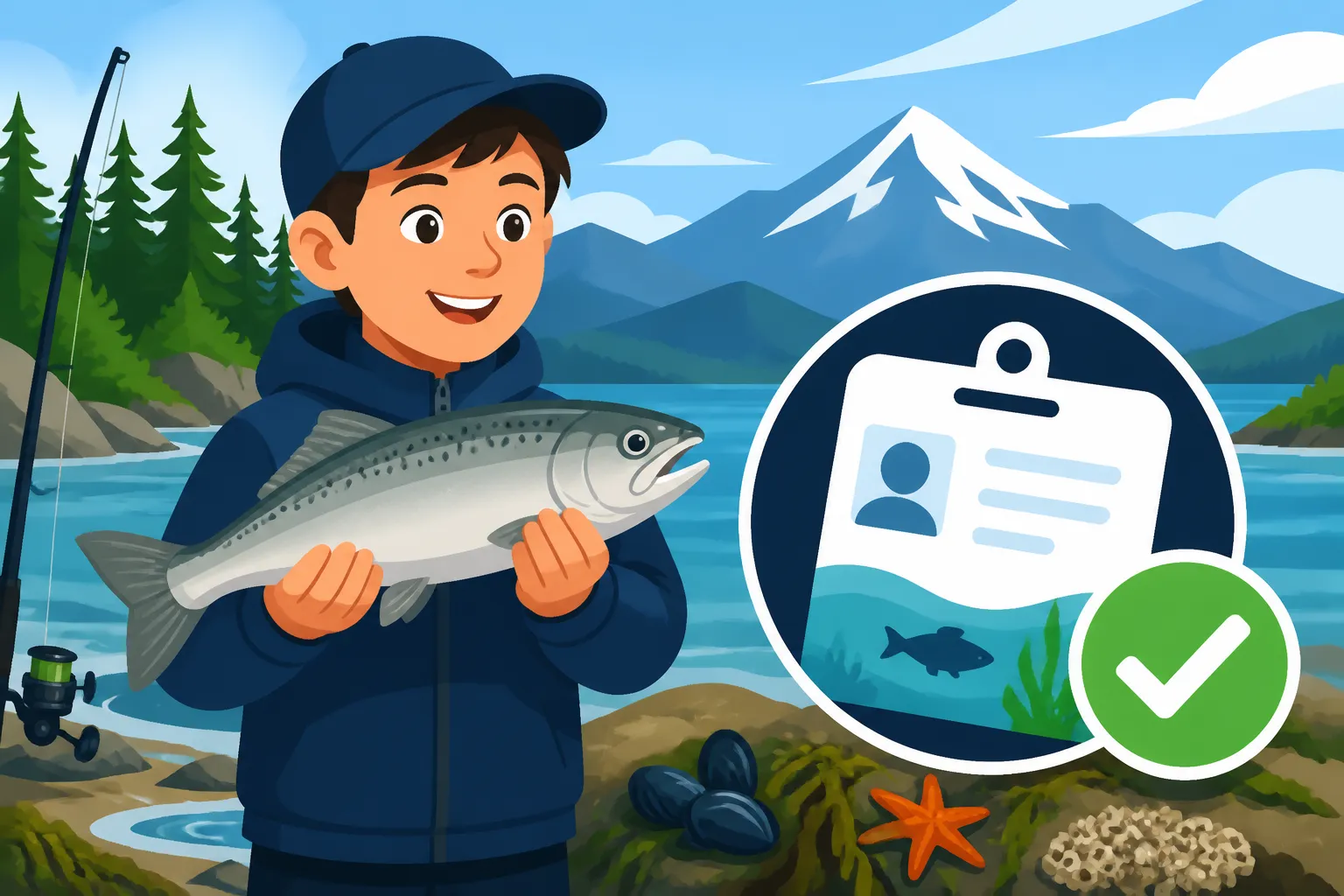
Now, here's where we dive into the specific requirement that often catches people off guard. While the general rule is "no license for kids under 16," there's a very important asterisk when it comes to retaining salmon. If your child, who is under 16, wants to keep any species of salmon (Chinook, Coho, Sockeye, Pink, Chum), they must be registered in the National Recreational Licensing System (NRFLS) and have a valid "Juvenile Salmon Stamp" – even though it doesn't cost anything.
It's tricky, I know! You think, "Great, no license for my kids," and then suddenly, if they manage to hook and want to keep that beautiful Coho, there's a "registration" requirement. This isn't about charging you extra; it's purely for conservation and data tracking purposes. The Department of Fisheries and Oceans (DFO) needs to accurately monitor salmon catches across all age groups to make informed decisions about salmon stocks, seasons, and limits. Without this registration, the DFO wouldn't have a full picture of the recreational salmon harvest, which is crucial for the long-term sustainability of these iconic fish.
This juvenile salmon registration isn't a physical stamp you purchase at a tackle shop like the adult BC Tidal Waters Salmon Conservation Stamp Cost. Instead, it's an online registration process that ties your child's intent to retain salmon to the system, allowing DFO to track their reported catches if they participate in catch surveys. It ensures that every salmon kept, regardless of the angler's age, contributes to vital conservation data. So, while your child technically falls under the BC Youth Fishing License Exemption Under 16 for general tidal fishing, planning to keep salmon introduces this specific, free, but mandatory registration step.
Navigating the Juvenile Tidal Salmon Registration Process
The idea of another "registration" can seem daunting, but thankfully, the process for the juvenile tidal salmon registration is straightforward and designed to be as user-friendly as possible. It’s all done online, which means you can take care of it from the comfort of your home before your big fishing trip.
Step-by-Step Guide to Registering Your Child for Tidal Salmon Retention
The juvenile salmon registration is facilitated through the same online portal where adults purchase their licenses: the National Recreational Licensing System (NRFLS) website, managed by the Department of Fisheries and Oceans Canada. Here's a simple breakdown of how to get your child set up:
- Visit the DFO Recreational Licensing Website: Head to the official DFO website for recreational fishing licenses. This is the central hub for all things related to tidal water licenses in BC. If you're wondering How to Buy a BC Fishing License Online for yourself, this is the same place you'd go.
- Create an Account (if you don't have one): If you're an adult angler, you likely already have an account. If not, you'll need to create one as the parent or legal guardian. This account will be linked to your child's registration.
- Navigate to the Juvenile Salmon Stamp Section: Once logged in, look for options related to "Juvenile Salmon Stamps" or "Youth Salmon Registration." The wording can sometimes vary slightly, but it will be clear that it's for anglers under 16 who wish to retain salmon.
- Provide Child's Information: You'll be prompted to enter your child's full name and date of birth. This ensures accurate record-keeping.
- Confirm and "Purchase" (at no cost): This "stamp" is absolutely free. You'll go through a checkout process, but the cost will always be $0.00. This process formalizes the registration within the system.
- Print or Save Proof of Registration: Once completed, you'll receive a confirmation, often in the form of a printable document or a digital file. Just like an adult license, you should ensure this proof is readily available when your child is fishing. Whether you print it out and keep it in a waterproof bag, or save it as a PDF on your smartphone, having it accessible is crucial. Consider a small, portable tackle box – like those available on Amazon – that can safely hold both your license and your child's registration along with their favorite lures.
This entire process usually takes just a few minutes, and it provides immense peace of mind knowing you're fully compliant with regulations. It's a small administrative step for a significant conservation benefit.
What Happens if Your Child Catches a Salmon Without Registration?
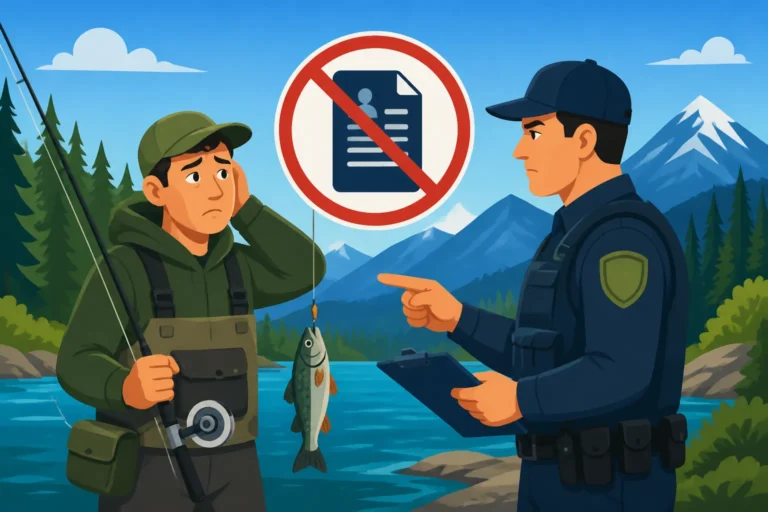
Now for the critical part: what if you forget, or simply weren't aware of this requirement, and your child catches a salmon they'd like to keep? The unfortunate reality is that a salmon retained by an unregistered juvenile angler is not legally retained. This means that if a Fisheries Officer (DFO) stops your vessel or checks your catch, and your child cannot produce valid proof of their juvenile salmon registration for any salmon in your possession that they caught, there could be consequences.
While DFO officers are generally understanding, especially with families, they are also tasked with enforcing regulations that are vital for conservation. The primary goal here isn't to issue heavy fines to families; it's to ensure accurate catch data. However, the legal ramification could be that the salmon caught by the unregistered child may have to be released, or in some cases, an officer may issue a warning or a fine if there's a pattern of non-compliance or significant disregard for the rules.
Imagine you're out fishing for salmon in the waters near the Campbell River, a renowned hotspot, and your child lands a beautiful Chinook. If they aren't registered, that amazing moment could be overshadowed by the inability to legally keep their prized catch. This scenario really underscores the importance of taking those few minutes to complete the free online registration beforehand. It's not just about avoiding penalties; it's about being a responsible angler and contributing to the health of BC's salmon stocks. Always double-check current regulations and fishery notices, which are frequently updated, to avoid any surprises. You can find essential updates by checking BC Fishery Notices and In-Season Closures, Explained before each trip.
Key Considerations and Best Practices for Fishing with Kids in BC Tidal Waters
Beyond the specific registration for juvenile salmon, there's a whole world of considerations that contribute to a truly successful and memorable family fishing trip in British Columbia's breathtaking tidal waters. It’s not just about the paperwork; it’s about safety, responsible angling, and fostering a love for the sport in our younger generations.
The Importance of the Salmon Conservation Stamp for Adults and Kids
It’s easy to confuse the adult Salmon Conservation Stamp with the juvenile salmon registration, but they serve slightly different functions while both contributing to the same goal: salmon conservation. For adults, if you plan to retain any species of salmon in BC's tidal waters, you must purchase a separate BC Tidal Waters Salmon Conservation Stamp Cost in addition to your basic tidal fishing license. This stamp is not just a piece of paper; the funds generated from its sale directly support salmon enhancement, habitat restoration, and conservation programs across the province. It's a tangible way adult anglers contribute financially to the future of salmon.
For kids under 16, as we've discussed, the juvenile salmon registration serves a similar data-tracking purpose, but it is free and does not involve a direct purchase. Its primary role is to ensure that DFO has comprehensive data on the recreational salmon harvest, irrespective of age. This allows them to monitor population trends, assess the impact of fishing, and implement necessary management strategies to protect species like Chinook and Coho. So, while one is a purchase and the other a free registration, both are indispensable tools in the larger framework of sustainable fishing and salmon recovery. Understanding this interconnectedness helps us appreciate why these regulations exist in the first place, moving beyond simple compliance to genuine stewardship.
Beyond Licenses: Ensuring a Safe and Enjoyable Family Fishing Trip
A fishing license or registration is just one piece of the puzzle for a fantastic family outing. When you’re out on the water, especially with children, safety and comfort are paramount. Here are some critical points to consider:
- Safety First with Life Jackets: This cannot be stressed enough. Everyone on board a boat, especially children, should wear a properly fitted life jacket or PFD at all times. Even strong swimmers can get into trouble quickly. Familiarize yourself with Life Jacket Requirements for BC Boaters to ensure you meet all legal and safety standards. Many retail outlets, including general stores and sporting goods sections on platforms like Amazon, offer a wide range of child-sized life jackets designed for comfort and safety.
- Boating Regulations: If you're heading out on a boat, make sure you understand all the BC Boating Laws for Anglers. This includes having the required safety equipment, understanding right-of-way rules, and adhering to speed limits in certain areas.
- Know the Limits: Before you even cast a line, check the current BC Bag and Possession Limits by Species for all the fish you might encounter. These limits are subject to change, sometimes even in-season, so always refer to the latest DFO Recreational Fishing Guide and any specific fishery notices for your area.
- Proper Gear for Kids: While you don't need to break the bank, having a basic rod and reel combo that's appropriate for a child's size and strength makes a huge difference. Heavy, cumbersome gear can quickly lead to frustration. Lightweight spinning combos, often found at reasonable prices on sites like Amazon or local tackle shops, are perfect. Don't forget kid-friendly tackle, like brightly colored bobbers and simple hooks.
- Sun and Hydration: BC's coastal weather can be unpredictable, but the sun's rays can be intense, even on cloudy days. Pack sunscreen, hats, sunglasses, and plenty of water or juice to keep everyone hydrated.
- Snacks and Breaks: Short attention spans are a given with kids. Pack plenty of snacks, and be prepared for breaks. Sometimes the best part of the trip isn't just catching fish, but the picnic on the boat or shore!
- Teach Responsible Angling: This is perhaps the most important lesson. Teach your children about catch-and-release best practices for species you aren't keeping, how to handle fish gently, respect for the environment, and the importance of leaving no trace. Encourage them to be curious about marine life and the ecosystem. Consider a charter experience; many family-friendly options exist, and a good guide will teach kids the ropes while ensuring compliance. You might explore our guide on What to Expect on a BC Fishing Charter for more insights.
By taking these steps, you're not just ensuring compliance with regulations, but you're also setting the stage for a positive, educational, and genuinely fun experience that will hopefully create lifelong memories and responsible anglers for years to come. The goal is to make fishing a joyful and enriching activity, not a regulatory headache.
Tidal Waters Fishing Summary for Kids (Under 16)
To help clarify the various requirements, here's a quick summary for fishing in BC's tidal waters with kids under 16:
| Requirement | General Tidal Fishing (e.g., Rockfish, Cod, Crab) | Tidal Salmon Retention (e.g., Chinook, Coho, Sockeye) |
|---|---|---|
| Basic Tidal Fishing License | Not required for kids under 16 | Not required for kids under 16 |
| Juvenile Salmon Registration (FREE) | Not required | MANDATORY if child intends to keep salmon |
| Adult Supervision | Recommended | Highly recommended, especially for safety |
| Life Jacket / PFD | MANDATORY on boats | MANDATORY on boats |
| Knowledge of Bag & Possession Limits | MANDATORY | MANDATORY |
| Knowledge of Fishery Notices & Closures | MANDATORY | MANDATORY |
This table highlights that the key difference hinges entirely on whether your child plans to keep salmon. For everything else, the under-16 exemption generally holds, provided you adhere to all other safety and ethical angling practices.
Disclaimer
The information provided in this guide is for general informational purposes only and does not constitute legal advice. Fishing regulations in British Columbia, especially those concerning specific species, areas, and seasons, are subject to frequent changes by the Department of Fisheries and Oceans Canada (DFO). It is the responsibility of every angler to consult the most current DFO Pacific Region Recreational Fishing Synopsis and any in-season fishery notices before heading out on the water. Non-compliance with regulations can result in significant penalties.