Best charters targeting salmon at the tide line
Trying to find those elusive salmon holding along the tide lines in British Columbia can feel like searching for a needle in a vast, moving haystack. The currents can be fierce, the fish can be picky, and knowing where that magical "line" is at any given moment requires a lifetime of experience. This comprehensive guide is here to demystify the process and help you identify the best fishing charters in BC that specialize in targeting salmon right where the action is – at the tide line.
Understanding the Tide Line and Salmon Behavior
When we talk about the "tide line" in the context of salmon fishing in British Columbia, we're not just referring to any spot in tidal waters. We're zeroing in on those specific, often dynamic boundaries where currents converge, water depths change abruptly, or freshwater meets saltwater. These aren't static locations; they move with the ebb and flow, making them tricky to pinpoint for the uninitiated. Understanding what makes these areas so attractive to salmon is the first step to a successful trip.
What is the Tide Line?
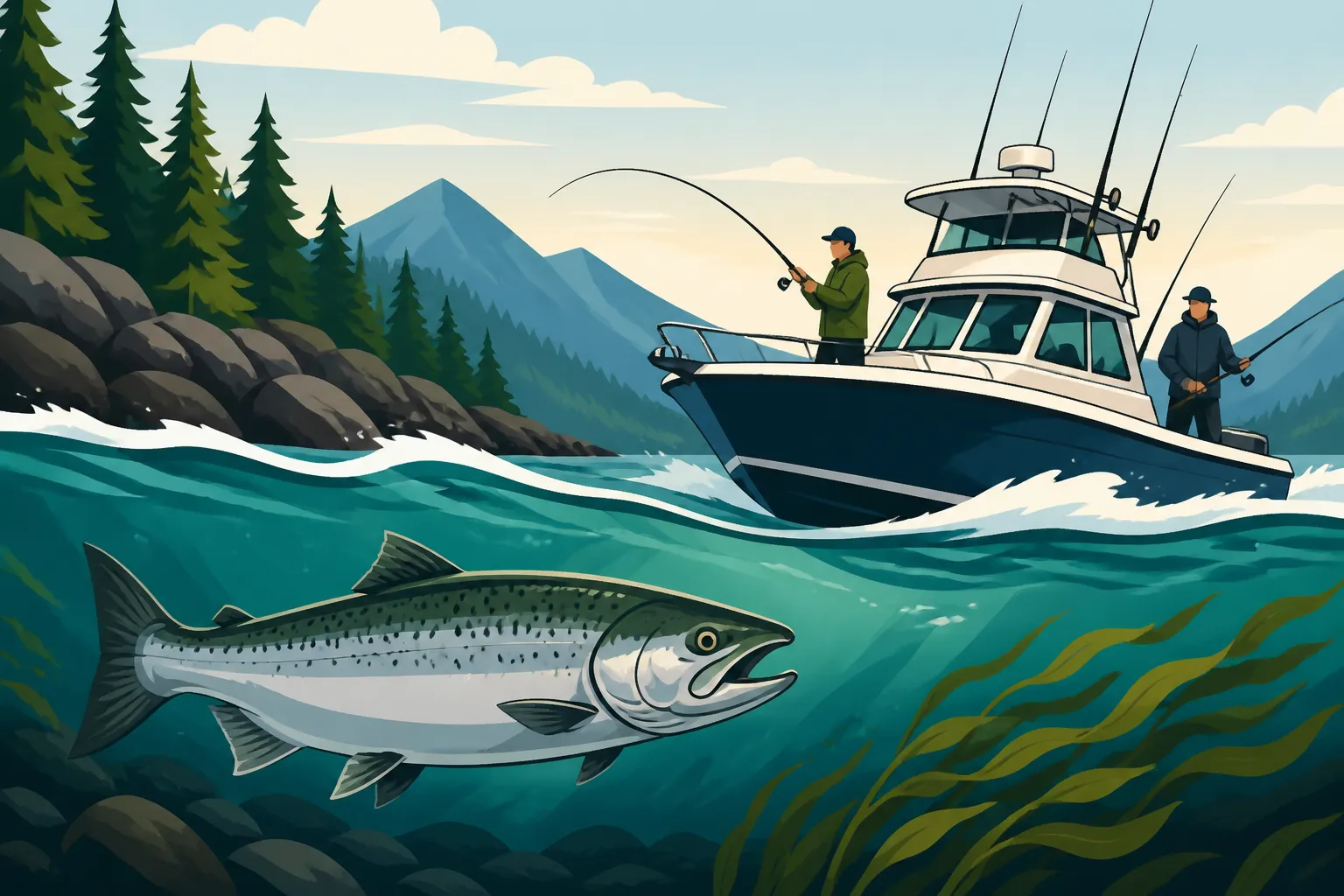
Imagine the mouth of a major river like the Fraser, emptying into the Strait of Georgia. As the powerful freshwater plume pushes out, it meets the incoming or outgoing saltwater currents. The boundary where these two distinct water masses interact, often marked by a visible seam, foam, or debris, is a prime example of a tide line. These aren't always grand river mouths, though. They can be subtle edges around islands, headlands, or even underwater structures where opposing currents create eddies and upwellings. Think about the churning water around the Discovery Islands or the confluence of currents near active passes. These areas concentrate nutrients and, critically, baitfish.
These invisible highways and feeding grounds are constantly shifting. What might be a productive tide line on an outgoing tide could be completely barren on the incoming. The strength of the tide, the phase of the moon, and even recent weather patterns can drastically alter where these lines form and how pronounced they are. A keen eye and a deep understanding of marine hydrodynamics are essential for locating them, which is precisely where experienced charter captains shine. They don't just know where the lines are, they understand why they're there and what fish might be using them.
How Salmon Use the Tide Line
Salmon, whether they're migrating back to their natal rivers or feeding aggressively in saltwater, are incredibly efficient predators. They are constantly looking for the path of least resistance and the easiest meal. The tide line offers both. As baitfish like herring, anchovies, and needlefish are swept along by currents, they often get disoriented or concentrated at these seams. This creates a natural ambush point for hungry salmon, especially Chinook (King) and Coho (Silver) salmon, which are powerful hunters. The swirling currents might also make it easier for salmon to hold their position without expending too much energy, waiting for food to come to them.
Furthermore, tide lines can act as navigational cues for salmon returning to freshwater. As they approach their spawning rivers, they'll often "stage" in these rich feeding zones, building up energy for the arduous journey ahead. This is particularly true for Chinook salmon, which can spend weeks or even months in nearshore tidal waters before pushing into rivers. Chinook Salmon Fishing in BC goes into more detail about their habits. The interplay of salinity, water temperature, and current speed at these lines also creates unique ecological niches that attract the entire food chain, from microscopic plankton to formidable salmon. A knowledgeable guide can help you understand these subtle environmental cues.
Why a Charter is Essential for Tide Line Salmon Fishing
While the idea of venturing out on your own and finding that perfect tide line might sound appealing, the reality of salmon fishing in BC's tidal waters, especially at these dynamic boundaries, can be incredibly challenging and even dangerous without the right expertise. Hiring a professional fishing charter is not just a convenience; it's often the difference between a frustrating blank and a memorable, productive day on the water.
Local Knowledge and Experience
This is arguably the biggest advantage a charter offers. British Columbia's coastline is vast and intricate, with countless islands, inlets, and river mouths, all subject to complex tidal patterns. A charter captain who specializes in tide line fishing has spent countless hours on the water, observing, learning, and mapping these ever-changing zones. They know where the tide lines tend to form under different conditions, how the salmon relate to them, and what specific baits or lures are working on a given day. They've built up a mental library of successful spots and techniques that you simply can't acquire in a single trip or even several.
Think of it this way: you could spend days, even weeks, trying to locate these productive seams yourself, burning fuel and potentially coming up empty-handed. Or you could step onto a charter boat, and within minutes, the captain has you positioned exactly where the fish are likely to be. They understand the nuances of the tides, wind, and currents and how these factors conspire to create the best fishing opportunities. This local, real-time knowledge is priceless, especially when targeting such a specific and transient feature like a tide line. How to Choose a BC Fishing Charter often emphasizes the importance of a captain's local expertise.
Specialized Gear and Techniques
Tide line fishing for salmon often requires specific gear and techniques to be truly effective. The currents can be strong, demanding heavier tackle and different rigging to get your presentation down to where the salmon are holding. Charters come equipped with top-of-the-line rods, reels, and terminal tackle that are perfectly suited for these conditions, saving you the expense and guesswork of acquiring it all yourself. From heavy-duty downriggers to specialized flashers and hoochies designed to perform in strong currents, they've got it covered.
Beyond the gear, there are the techniques themselves. Trolling at specific speeds and depths along a tide line, understanding how to "mooch" effectively with the current, or even knowing when to switch to jigging can make all the difference. These are skills honed over years, and a good captain will not only execute them flawlessly but often provide valuable coaching to help you improve your own angling abilities. They'll know the subtle art of how to rig herring for chinook trolling or the best lure retrieve speed for coho in coastal streams, ensuring your bait or lure looks as natural and enticing as possible to a hungry salmon.
Key Characteristics of a Great Tide Line Salmon Charter
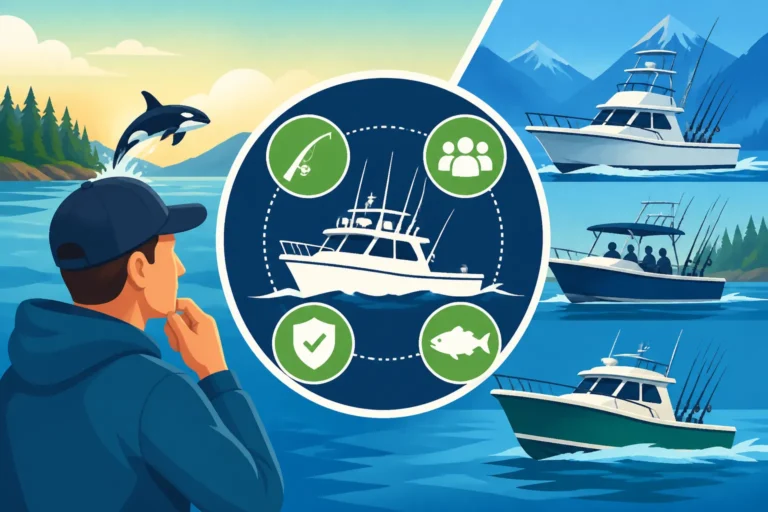
Not all fishing charters are created equal, especially when it comes to the specialized pursuit of salmon at the tide line. To ensure you have the best possible experience and the highest chance of success, you need to look for specific qualities in a charter operation. These characteristics go beyond just having a boat and a license; they speak to the captain's dedication, expertise, and commitment to their craft.
Expertise in Tidal Zones
A top-notch tide line salmon charter will be run by a captain who lives and breathes tidal water. This means they possess an intimate understanding of oceanography, specifically how tides, currents, and even freshwater plumes interact to create productive fishing zones. They don't just take you to a spot; they explain why that spot is likely to be productive at that particular tide phase and time of day. They'll talk about spring tides versus neap tides, understanding exactly what tide to book a salmon charter on, and how each affects salmon behavior and feeding patterns.
Look for charters that explicitly mention "tidal fishing," "river mouth fishing," or "current line specialists" in their descriptions. Don't be afraid to ask potential captains about their experience navigating complex currents, identifying bait concentrations at the seams, and their success rates specifically targeting salmon in these dynamic environments. A truly expert captain will be able to articulate their strategy and demonstrate a profound knowledge of the local waterways, such as the Strait of Georgia or Johnstone Strait, where tide lines are major features. Many highly specialized guides list their expertise on platforms like FishingBooker, making it easier to find captains with these specific skills.
Boat and Equipment Suitability
Fishing the tide line often means navigating choppy water, strong currents, and sometimes busy marine traffic. A suitable boat is paramount. It should be stable, well-maintained, and equipped with the necessary safety features. Beyond stability, the vessel needs to be set up for effective salmon fishing, particularly for trolling or mooching in currents. This means robust downriggers, ample rod holders, and reliable electronics, including a good sonar system to identify bait balls and salmon holding depths.
Equally important is the quality and appropriateness of the fishing gear. Heavy-duty rods and reels are essential for battling large Chinook salmon in strong currents, and a charter should provide well-maintained, quality tackle. The captain should also have a wide array of terminal tackle, including various flashers, spoons, and hoochies, as salmon preferences at the tide line can change quickly. They should be using fresh bait, like brined herring or anchovies, which are critical for enticing salmon. Ask about the boat's size, its stability, and the type and condition of the fishing equipment provided before you book.
Safety and Professionalism
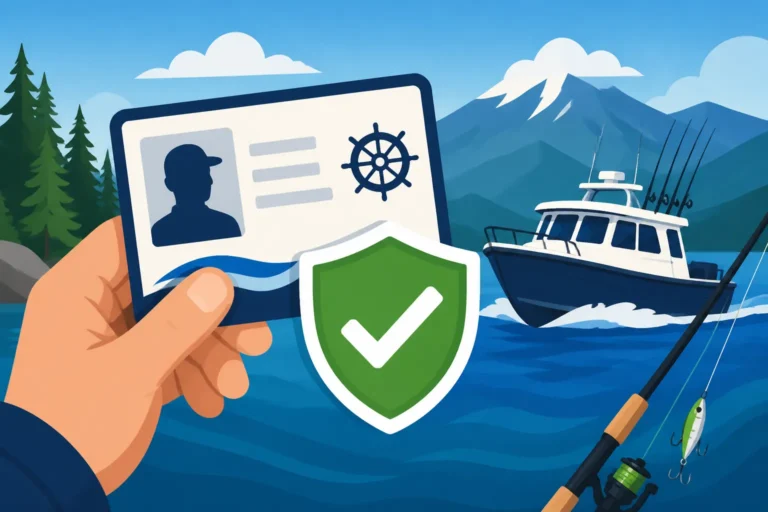
No matter how many fish you catch, your safety should always be the top priority. A reputable tide line salmon charter will adhere to all Canadian Coast Guard regulations, ensuring the boat is equipped with all required safety gear, from life jackets to communication devices. The captain should hold all necessary certifications, including a valid master's license and first aid training. Safety briefings should be standard, and the captain should demonstrate a clear commitment to responsible boating and fishing practices. BC Boating Laws for Anglers covers many of the regulations.
Professionalism also extends to communication, customer service, and ethical fishing practices. A professional charter captain will be punctual, communicative, and passionate about providing a great experience, whether you're a seasoned angler or a complete beginner. They should be knowledgeable about BC Bag and Possession Limits by Species and local conservation efforts, ensuring all fishing is done legally and sustainably. They'll handle your catch respectfully, often offering cleaning and bagging services. Furthermore, they should manage expectations realistically, understanding that fishing is fishing, and while they'll do their best, success is never guaranteed. This kind of professionalism builds trust and enhances the overall enjoyment of your trip.
Preparing for Your Tide Line Salmon Charter
Once you've done your research and picked a promising charter, a little preparation on your part can go a long way in ensuring you have a comfortable and successful day on the water. It’s not just about showing up; it’s about being ready for the conditions and knowing what to expect.
What to Ask Before Booking
Before you finalize your booking, have a chat with the charter captain or booking agent. This is your chance to clarify any uncertainties and ensure the trip aligns with your expectations. Here’s a list of crucial questions:
- Target Species and Techniques: Confirm that the charter explicitly targets salmon at the tide line. Are they focusing on Chinook, Coho, or both? What are their primary techniques (trolling, mooching, jigging)? Understanding Salmon Fishing Techniques for BC Rivers might help you formulate more specific questions.
- Trip Duration and Timing: How long is the trip, and what are the typical start and end times? For tide line fishing, timing is often critical, so inquire if the trip is scheduled around specific tidal movements. Some charters might offer different trip durations, like those you find listed on platforms such as FishingBooker.
- What's Included/Excluded: Does the price include your British Columbia Fishing License Guide for 2026, bait, tackle, fish cleaning, and packaging? What about food and drinks? This helps avoid any surprises on the day of the trip.
- Passenger Capacity: How many anglers will be on board? This can affect comfort and the amount of personal attention you receive.
- Cancellation Policy: What happens if the weather turns foul, or if you need to cancel? Understanding their policy is important.
- Fish Retention Rules: While the charter should know this, it's good to be aware of the current BC Bag and Possession Limits by Species for salmon, especially for specific areas and times.
| Factor to Consider | Importance for Tide Line Salmon Fishing | Why It Matters |
|---|---|---|
| Captain's Tidal Expertise | High | Local knowledge of dynamic currents and salmon behavior is paramount. |
| Boat Stability & Size | High | Essential for comfort and safety in potentially choppy tidal waters. |
| Quality of Tackle | High | Strong, well-maintained gear needed for powerful salmon in currents. |
| Current Fishery Notices | High | Regulations (closures, limits) can change frequently in tidal zones. |
| Safety Equipment | Absolute | Non-negotiable for any offshore or river mouth fishing. |
| Communication | Medium | Clear communication pre-trip and during ensures smooth experience. |
| Fish Cleaning Service | Medium | A convenient perk, but less critical than fishing expertise. |
| Comfort Amenities | Low to Medium | Depending on trip length, bathroom, seating can enhance experience. |
Packing Essentials for Tidal Fishing
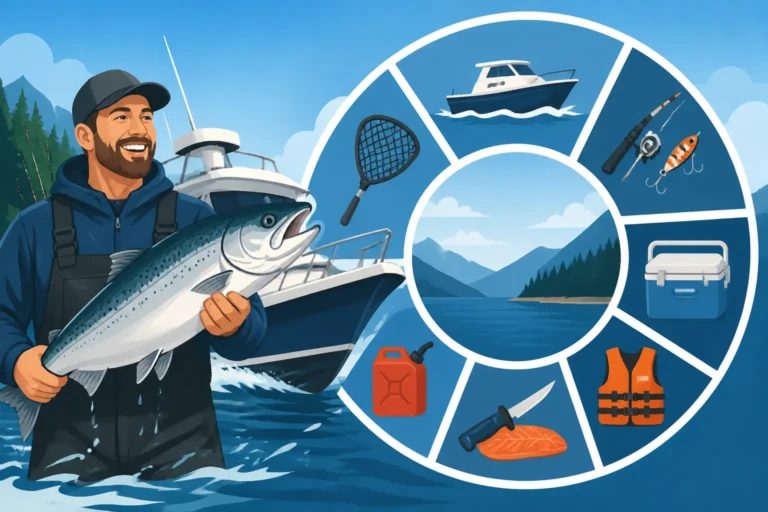
Being prepared for a day on the water means more than just showing up with enthusiasm. British Columbia's weather can be notoriously unpredictable, especially on the coast, and fishing at the tide line often means exposure to wind and spray. What to Bring on a BC Fishing Charter is always a good read, but here's a tailored list for tidal salmon fishing:
- Layered Clothing: Dress in layers. Even on a sunny day, it can be cool on the water, and conditions can change quickly. A waterproof outer shell is a must to protect against spray and sudden rain.
- Waterproof Footwear: Boots or deck shoes with good grip are essential for safety and comfort on a wet boat deck.
- Sun Protection: Sunglasses (polarized are best for spotting fish/structure), a wide-brimmed hat, and high-SPF sunscreen are crucial, even on cloudy days. UV rays reflect off the water, increasing exposure.
- Snacks and Drinks: While some charters provide these, it's always wise to bring your own water and energy-boosting snacks.
- Camera: To capture those epic fish and stunning BC scenery! Make sure it's waterproof or in a protective case.
- Motion Sickness Medication: If you're prone to seasickness, take preventative medication before you board the boat, as the tide lines can sometimes involve crossing confused seas.
- Cooler (Optional): If the charter doesn't offer fish packaging, bring a cooler with ice to take your catch home fresh.
Remember that a significant portion of your charter experience is dependent on the captain's local expertise. They will know the best time of day to catch salmon and the specific areas where the tide lines are most productive for species like Coho Salmon Fishing in BC. Don't forget to ask about Tipping Etiquette for BC Fishing Charters before you go so you are prepared to show your appreciation for a hard-working crew. Enjoy your adventure seeking out those powerful salmon where the mighty ocean and river currents collide!
Disclaimer
This article is for general informational purposes only and does not constitute professional advice. Laws, prices and regulations vary by location and change over time. Consult a qualified professional for guidance on your specific situation.