Best winter float trips for steelhead in BC
Trying to chase steelhead in the dead of winter in British Columbia can feel like a fool's errand. The icy winds, the unpredictable water levels, the sheer elusiveness of these magnificent fish – it's enough to make even seasoned anglers question their sanity and consider staying home by the fire. But what if I told you that winter offers some of the most rewarding and intensely personal steelhead experiences imaginable, especially when you're floating down a pristine river? This guide is all about diving deep into the world of winter float trips for steelhead in BC, helping you understand why they're so special, where to go, and how to make your frosty adventure a success.
The Magic and Challenge of Winter Steelhead in BC
Winter steelhead fishing isn't for the faint of heart, but for those who brave the elements, the rewards can be truly spectacular. There's a certain quiet solitude on the rivers during the colder months, a stark beauty that's absent when the crowds of summer are bustling about. Yet, it also presents unique challenges that demand a different approach to angling.
Understanding the Winter Steelhead Run
Unlike their summer counterparts, winter steelhead are anadromous rainbow trout that typically enter freshwater rivers from late fall through early spring, with peak numbers often seen in January, February, and March. They're making their way upstream to spawn, driven by an ancient instinct, often pushing through cold, often high, and sometimes murky water. These fish are generally larger and incredibly powerful, having spent several years growing fat in the ocean. They aren't actively feeding once they enter the river system in the same way a resident trout might be, but rather reacting to intruders or simply taking advantage of an easy meal if presented perfectly. Their aggressive, sometimes subtle, takes in cold water make them a truly formidable adversary. Understanding their migration patterns and preferred holding lies in slower, deeper water, or behind significant structure, is absolutely crucial.
The timing of these runs can be heavily influenced by factors like rainfall, snowmelt, and overall water temperature. A sudden cold snap can slow things down, while a mild spell or a good rain can bring in fresh waves of fish. It's a constant dance with nature, making every trip unique and every fish a testament to perseverance. Anglers often keep a close eye on BC Steelhead Season Dates to anticipate these movements, though local knowledge from guides is often the best insight.
Why Float Trips are Ideal for Winter Conditions
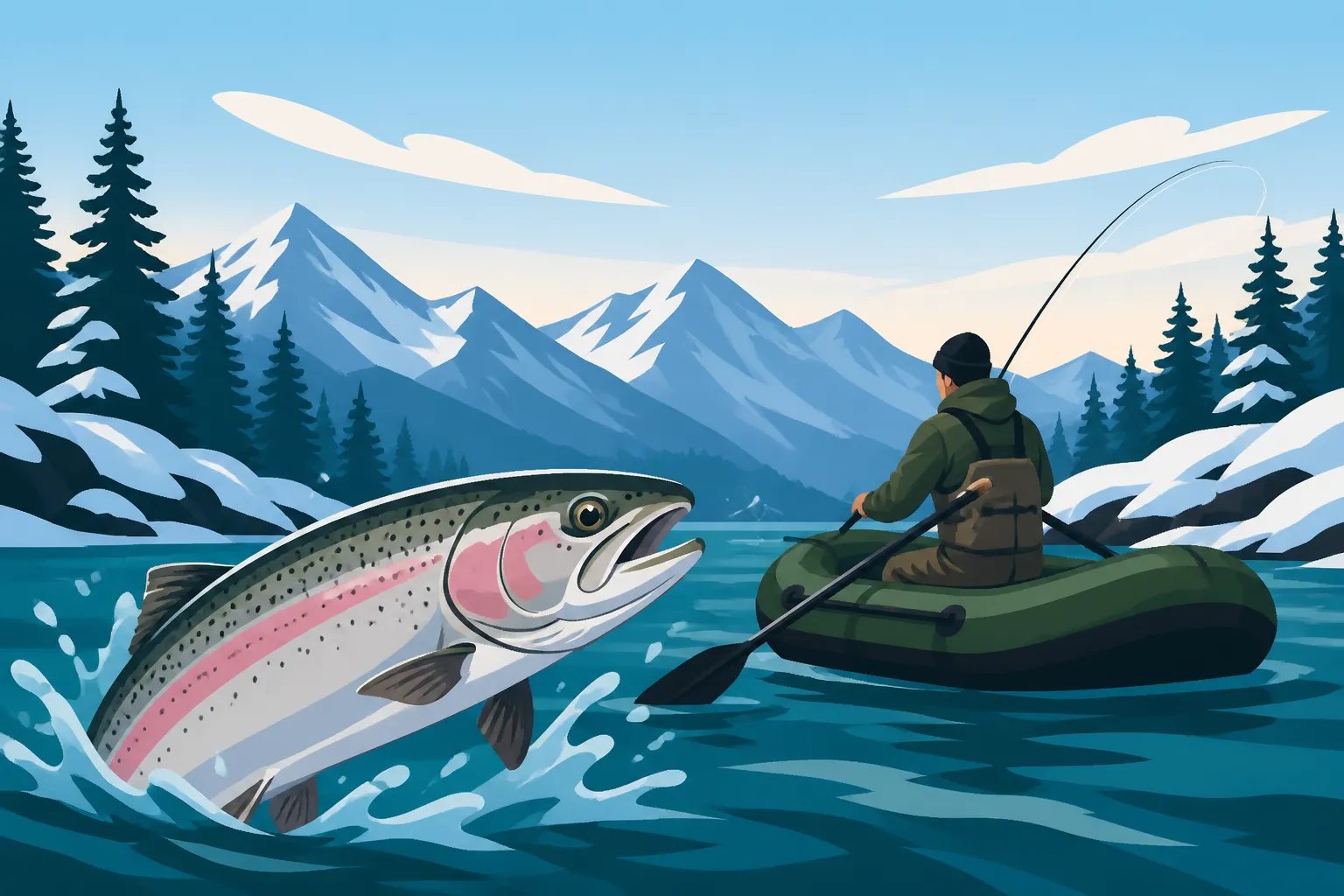
When you're dealing with the often-unpredictable flows and icy temperatures of a BC winter river, a float trip in a drift boat or raft becomes an invaluable tool. Here's why:
Firstly, comfort and mobility. Standing in freezing river water for hours on end is a quick way to shorten your fishing day. A drift boat keeps you dry and relatively warm, allowing you to focus on fishing rather than shivering. You can move quickly from one promising run to the next without expending huge amounts of energy wading through challenging currents or treacherous banks. This enhanced mobility means you can cover significantly more water than you ever could on foot, increasing your chances of finding those elusive steelhead.
Secondly, access to prime water. Many of the best winter steelhead lies are in sections of river that are difficult or impossible to reach by wading from the bank. A drift boat allows you to systematically fish long stretches of river, drifting through deep pools, across seams, and along undercut banks that hold fish. Your guide can expertly position the boat, holding you in the perfect spot to present your fly or lure to specific fishy-looking areas. This precision and access are paramount when targeting fish that are often holding tight to structure in cold water. It's a stark contrast to bank fishing, where you're limited to whatever is within casting distance from shore.
Thirdly, safety and expertise. Winter river conditions can be dangerous, with slippery banks, swift currents, and icy obstacles. A professional guide in a properly equipped drift boat provides a critical layer of safety. They know the river intimately – every rock, every eddy, every shallow spot. They understand how the water changes with conditions and can navigate safely. Beyond safety, their expertise in reading the water, understanding steelhead behaviour in winter, and providing local insights is truly invaluable. They often know exactly Where wild steelhead still run in BC and the best ways to approach them.
Key Regions for Winter Steelhead Float Trips in BC
British Columbia is world-renowned for its steelhead, and several regions offer exceptional opportunities for winter float trips. Each area has its own character, challenges, and rewards.
The Skeena System: A Steelhead Mecca
When you talk about steelhead in BC, the Skeena River system is often the first thing that comes to mind, and for good reason. Rivers like the Bulkley, Kispiox, Copper, and Kalum, all tributaries of the mighty Skeena, are legendary for their prolific runs of large, wild winter steelhead. These rivers flow through vast, wild landscapes in northern BC, offering an experience that's as much about the wilderness as it is about the fishing.
The Bulkley River: Known for its stunning scenery and consistent runs of chrome-bright steelhead, the Bulkley is a prime float trip destination. Its varied water, from long, gravelly runs to deep, boulder-strewn pools, provides ample opportunity for both gear and fly anglers. Winter fishing here means braving serious cold, but the potential for a trophy-sized fish is very real. Guides here are experts at navigating the often-challenging winter conditions. Float Fishing the Bulkley River is an art form, especially in winter.
The Kispiox River: Often considered the jewel of the Skeena system, the Kispiox is famous for producing some of the largest steelhead in the world. It’s a smaller, more intimate river than the Bulkley, but its reputation for giants attracts anglers globally. Winter float trips on the Kispiox are typically done with spey rods, methodically swinging flies through prime holding water. The sheer anticipation of connecting with a Kispiox monster in the quiet solitude of winter is unparalleled. You'll want to check Best steelhead runs on the Kispiox River for specific timing.
The Copper River: While perhaps less famous than its neighbours, the Copper offers an incredible winter steelhead experience. It's a river that truly shines in its raw, untamed beauty, with powerful runs and deep pools. Fishing the Copper often involves a deeper plunge into true wilderness, adding an extra layer of adventure to your float trip.
Vancouver Island and Coastal Gems
Closer to BC's population centres, Vancouver Island and other coastal rivers offer more accessible, yet equally thrilling, winter steelhead opportunities. These rivers are often characterized by shorter, more intense runs following rain events, making timing crucial.
Cowichan River: On Vancouver Island, the Cowichan River is a well-known system for its winter steelhead. While it can get busy, especially on weekends, its consistent returns and relatively milder climate make it a popular choice. Float trips on the Cowichan can involve both single-hand and spey fishing, targeting fish that often hold in the numerous log jams and deeper sections.
Gold River: Further north on Vancouver Island, the Gold River is another excellent option. It's a more remote and less pressured system, known for strong runs of wild winter steelhead. Float trips here are an immersive experience, taking you through stunning West Coast rainforests. Anglers often find themselves fishing alongside eagles and other wildlife.
Lower Mainland and Fraser Valley Opportunities:
Even closer to Vancouver, the Fraser Valley boasts rivers like the Vedder/Chilliwack and Chehalis. These rivers, while seeing significant fishing pressure, offer very accessible winter steelhead float trips, especially on weekdays. While fish tend to be smaller than their Skeena system cousins, they are still powerful, ocean-run steelhead that fight with incredible tenacity. A local guide can help navigate the nuances and find less pressured water. For those new to the region, Chilliwack River best fishing access or Vedder River best salmon fishing spots (which often refers to its steelhead potential in winter) are common starting points, but a float trip takes you beyond the bank crowds.
What to Expect on a Winter Steelhead Float Trip
A winter steelhead float trip is an adventure, and knowing what to expect can help you prepare and make the most of your time on the water. It's not just about casting; it's about being present, enduring, and adapting.
Essential Gear and Layering for Winter Comfort
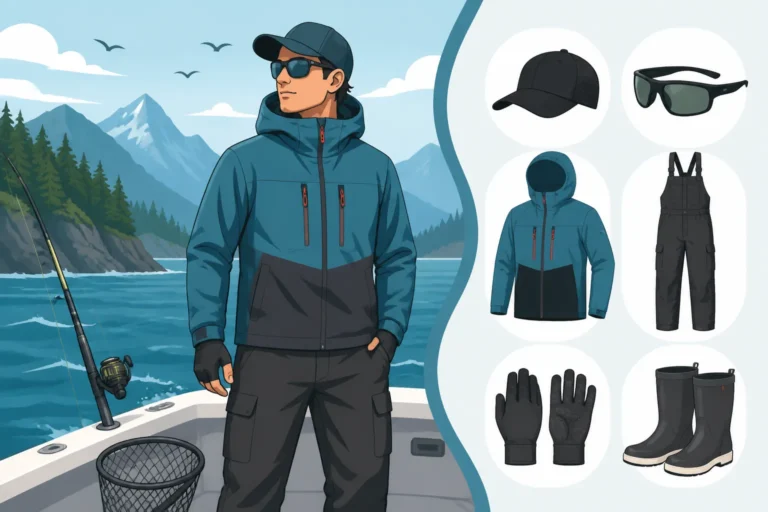
The mantra for winter fishing in BC is layer, layer, layer. The cold can be bone-chilling, especially when you're spending hours on the water. Here's a breakdown of what you'll need:
- Warm, Waterproof Outerwear: A high-quality, breathable, waterproof jacket and pants are non-negotiable. Think Gore-Tex or similar material. Your guide will likely have a dry bag or box for your spare layers, but what you're wearing needs to repel rain, snow, and spray.
- Insulating Layers: Multiple mid-layers of fleece, wool, or synthetic puff jackets are essential. Don't skimp here. Merino wool base layers are fantastic for warmth and moisture-wicking.
- Footwear: Waterproof, insulated wading boots are critical. Even if you're primarily in the boat, you might step out onto a bank. Your guide will provide waders if needed, or you'll bring your own. Insulated socks are a must – bring spares!
- Hand and Head Protection: Warm, waterproof gloves or mitts are vital, even if you take them off to cast. A warm hat that covers your ears is also crucial. Consider a neck gaiter or buff.
- Fishing Gear: While many guides provide top-notch gear, if you're bringing your own, ensure your rods (often 10-13ft spey or switch rods for fly fishing, or longer mooching/drift rods for gear fishing) are appropriate for steelhead. Lines, reels, and terminal tackle should be in excellent condition. Talk to your guide beforehand about what they recommend or supply. You might find some excellent suggestions in Best rod setup for Fraser River sturgeon if you're looking for heavy-duty gear, although steelhead setups are generally lighter.
Remember, it's always better to have too many layers and be able to shed them than to be shivering uncontrollably. Your guide will appreciate a well-prepared angler! You can read more about it in What to wear on a BC fishing charter.
The Role of a Professional Guide and Drift Boat
Your guide is the key to a successful and safe winter float trip. They are more than just a boat driver; they are an expert, a teacher, and a safety officer all rolled into one.
- Navigation and Safety: The guide's primary role is to safely navigate the river. This includes knowing where obstacles lie, how to handle changing currents, and where to put in and take out the boat. They'll also be equipped with first aid and safety gear.
- Spotting and Positioning: A good guide has an uncanny ability to read the water, identifying likely holding lies for steelhead even in challenging conditions. They will then expertly position the drift boat to give you the best possible angle and drift for your presentation. This can mean subtle adjustments or holding the boat stationary against the current for a perfect swing.
- Instruction and Advice: Whether you're a seasoned pro or relatively new to steelhead fishing, your guide will offer invaluable instruction on casting techniques, lure/fly selection, reading the water, and fighting fish. They'll know the current hot flies or baits and which presentations are most effective. Don't be shy to ask questions!
- Local Knowledge: Guides live and breathe these rivers. They know current regulations, recent fish movements, and any in-season closures. Their up-to-the-minute knowledge is something you simply can't get from a map or online forum. They are often booked through services like FishingBooker, which makes finding reputable ones easier.
Common Techniques Used on Winter Floats
Winter steelhead can be finicky, and guides will employ a variety of techniques to entice them. The choice often depends on water conditions, clarity, and the fish's mood.
- Float Fishing (Gear): This is incredibly popular, especially on rivers with good current. A weighted float (or "bobber") is used to suspend a small lure, bait, or soft plastic just off the bottom, allowing it to drift naturally through known steelhead lies. This technique excels at presenting a bait slowly and precisely in the strike zone. Think small jigs, roe bags, or yarn balls.
- Drift Fishing (Gear): Similar to float fishing but without a bobber, this technique uses enough weight to bounce a bait or lure along the bottom, mimicking dislodged food items. It's effective for covering deeper pockets and runs.
- Spey Casting/Swinging Flies: For fly anglers, swinging flies is the quintessential steelhead technique, particularly with two-handed (spey or switch) rods. Large, weighted flies (like intruders, tube flies, or leeches) are cast across and downstream, then allowed to swing through the current. The steelhead often intercepts the fly on its swing, resulting in a powerful, memorable tug. Fly Patterns for BC Steelhead Rivers can vary greatly depending on the season and water.
- Nymphing (Fly): While less common on larger, faster winter rivers, Euro Nymphing or indicator nymphing can be effective in slower, deeper pools or smaller tributaries. This method presents weighted nymphs close to the bottom, imitating aquatic insects.
The best guides are versatile and will switch techniques as conditions or fish behaviour dictate. For more in-depth knowledge on this, check out Best Techniques for Winter Steelhead.
Choosing the Right Winter Steelhead Guide and Trip
Deciding on a winter steelhead float trip is exciting, but choosing the right guide and making the necessary preparations can make all the difference between a good trip and a truly great one.
Researching Guides and Outfitters
This is where your due diligence really pays off. Not all guides are created equal, and finding one that matches your expectations and fishing style is crucial.
- Experience and Reputation: Look for guides with extensive experience specifically in winter steelhead float trips on the rivers you're interested in. Online reviews, testimonials, and referrals from other anglers are excellent resources. Platforms like FishingBooker can provide a curated list of reputable guides and allow you to compare their services, experience, and pricing structures transparently. Many of the Best Guided Steelhead Trips on the Skeena are booked years in advance.
- Communication: A good guide will be responsive and communicative before your trip. They should be willing to discuss their approach, what to expect, gear requirements, and any questions you might have.
- Licensing and Safety: Ensure the guide is properly licensed and insured. They should adhere to all Transport Canada regulations for safe boat operation and carry appropriate safety equipment. Inquire about their first aid certification. You'll find more details in Licensing Requirements for BC Charter Captains.
- Inclusions: Clarify what's included in the trip price. Does it cover all fishing gear (rods, reels, flies/lures), waders, snacks, drinks, and fish cleaning? Most guides provide tackle, but specific personal items like waders might be extra. Be clear on the BC Fishing Charter Cost Guide components.
- Booking platforms: Using a platform like FishingBooker can streamline this process significantly. You can often see availability, read verified reviews, and directly message guides, making it easier to find the perfect fit for your winter adventure.
Timing Your Trip for Optimal Conditions
Winter steelhead fishing is all about timing. While you can't control the weather or the fish, understanding the general patterns can help you maximize your chances.
- Peak Run Times: Generally, late January through March are considered prime months for winter steelhead on many BC rivers. However, this can vary by region and even by specific river. Early winter (December-January) can be excellent for fresh, aggressive fish, while late winter (March-April) often sees larger numbers as more fish stage for spawning.
- Weather and Water Conditions: Keep an eye on weather forecasts and, more importantly, river conditions. High, dirty water from heavy rain or snowmelt can make fishing challenging, while low, clear water can make fish spooky. The "perfect" conditions are often when the river is dropping and clearing after a freshet, or during a stable period of cold weather with consistent water levels. Your guide will be your best resource for this. They'll have their finger on the pulse of the river.
- Flexibility: If you have the flexibility, booking a trip with a few buffer days can be beneficial. This allows you to potentially adjust your fishing days to align with better weather or river conditions, especially if you're travelling a long distance.
Preparing Mentally and Physically for the Cold
Winter steelhead fishing isn't a walk in the park. It's often cold, wet, and can be slow between bites. A positive attitude and realistic expectations are paramount.
- Embrace the Challenge: Understand that steelhead are often called "the fish of a thousand casts" for a reason. You might not catch dozens of fish, but the one you do hook will be incredibly memorable. Enjoy the process, the scenery, and the company.
- Stay Hydrated and Energized: Even in cold weather, it's easy to get dehydrated. Bring plenty of water, coffee, or hot tea. Pack high-energy snacks like granola bars, nuts, or sandwiches. Your guide will likely provide some refreshments, but personal preferences are important.
- Manage Expectations: This isn't a guarantee of limits. Winter steelhead fishing is about the pursuit, the patience, and the battle with a truly magnificent wild fish. The experience itself is the reward. Connecting with nature in its rawest form is often the true trophy.
Winter Steelhead Float Trip Regions at a Glance
Here's a quick comparison of some popular regions for winter steelhead float trips in BC to help you visualize the options.
| River System | Primary Target Species | Peak Winter Months | Typical Trip Duration | Water Characteristics | Guide Availability |
|---|---|---|---|---|---|
| Skeena (Bulkley, Kispiox) | Wild Steelhead | Late Jan – March | 3-7 days | Large, powerful, varied (runs, pools, boulders) | High |
| Vancouver Island (Cowichan, Gold) | Wild/Hatchery Steelhead | Dec – March | 1-3 days | Medium-sized, often rain-fed, log jams | Medium-High |
| Fraser Valley (Vedder/Chilliwack) | Hatchery/Wild Steelhead | Dec – March (with peaks) | 1-2 days | Medium-sized, sometimes crowded, diverse holding water | High |
| Coastal Rivers (various smaller) | Wild Steelhead | Jan – March (rain-dependant) | 1-2 days | Smaller, intimate, very responsive to rain, wilderness feel | Medium |
This table provides a general overview, but conditions and specific guide availability will always vary. Using resources like FishingBooker can help you pinpoint specific opportunities. Remember that many guides also offer multi-day packages. You can often find Best Guided Trips for Beginners in BC or more advanced options through these services.
The allure of winter steelhead in BC is undeniable. It's a test of endurance, skill, and patience, but the moments of quiet beauty and the explosive power of a chrome-bright steelhead on the end of your line make it all worthwhile. A well-planned float trip with an experienced guide opens up incredible opportunities, allowing you to access prime water, stay comfortable, and learn from the best. So, bundle up, do your research, and get ready for an unforgettable adventure chasing British Columbia's most prized winter residents.
Disclaimer
This article is for general informational purposes only and does not constitute professional advice. Laws, prices and regulations vary by location and change over time. Consult a qualified professional for guidance on your specific situation.