Best charters for anglers with mobility limitations
There's nothing quite like the feeling of the rod bending, the line screaming, and the thrill of a fish on. But for many anglers with mobility limitations, the thought of getting out on the water can feel daunting, if not impossible. The physical barriers, the worries about safety, and the sheer effort required can often outweigh the joy. However, in British Columbia, the dream of a fulfilling fishing trip is absolutely within reach, and this guide will walk you through how to find and enjoy the best charters for anglers with mobility limitations.
Understanding the Challenges of Fishing with Mobility Limitations
Fishing is a sport that inherently involves movement, balance, and sometimes navigating uneven terrain or unstable surfaces. For individuals facing mobility challenges, these aspects can quickly turn an exciting prospect into a source of anxiety. It's not just about getting onto a boat; it's about the entire experience from start to finish.
Common Physical Barriers on Fishing Boats
When you imagine a typical fishing charter, you might picture a boat with narrow walkways, steep steps up to the helm, or a deck cluttered with gear. For someone using a wheelchair, a walker, or simply struggling with balance or endurance, these are significant hurdles.
Think about the boarding process first. Many docks have ramps that can be steep or slick, and stepping from a stable dock to a moving boat can be a genuine challenge, especially with a height difference. Once on board, there are often tight doorways, raised thresholds, or confined spaces that make maneuvering a wheelchair or even crutches nearly impossible. Even basic needs, like accessing a washroom, can become complex if the facilities aren't designed with accessibility in mind. Furthermore, the constant motion of the boat, even on calm waters, can test balance and stability, making standing and casting difficult and tiring. It’s not just the big things, but the sum of many small, often overlooked, details that can make or break a trip.
What to Look for in Accessible Charters
An "accessible" charter isn't just a marketing term; it refers to a vessel and a service specifically designed to accommodate various mobility needs. This goes beyond just having a friendly crew, although that's crucial too. It means the physical environment of the boat has been considered and often modified to reduce barriers.
When you're searching for a charter, you'll want to prioritize specific features that address these challenges head-on. This might include a boat with a wider beam for stability, a flatter deck with minimal steps, and ample clear space for movement. Easy boarding solutions, like a gangway that can be adjusted to different dock heights, or even a hydraulic lift, are invaluable. Inside, accessible washrooms are a must for longer trips. The goal is to minimize the physical demands on the angler, allowing them to focus on the fishing itself, rather than constantly worrying about how to navigate the boat. This upfront research is what truly makes the difference between a frustrating outing and a truly enjoyable one.
Key Features of Mobility-Friendly Fishing Charters in BC
Finding the right charter in British Columbia means looking beyond the "big fish" photos and focusing on the practicalities that ensure a comfortable, safe, and ultimately successful trip for someone with mobility limitations. These specialized charters prioritize thoughtful design and dedicated service.
Boat Design and Accessibility Modifications
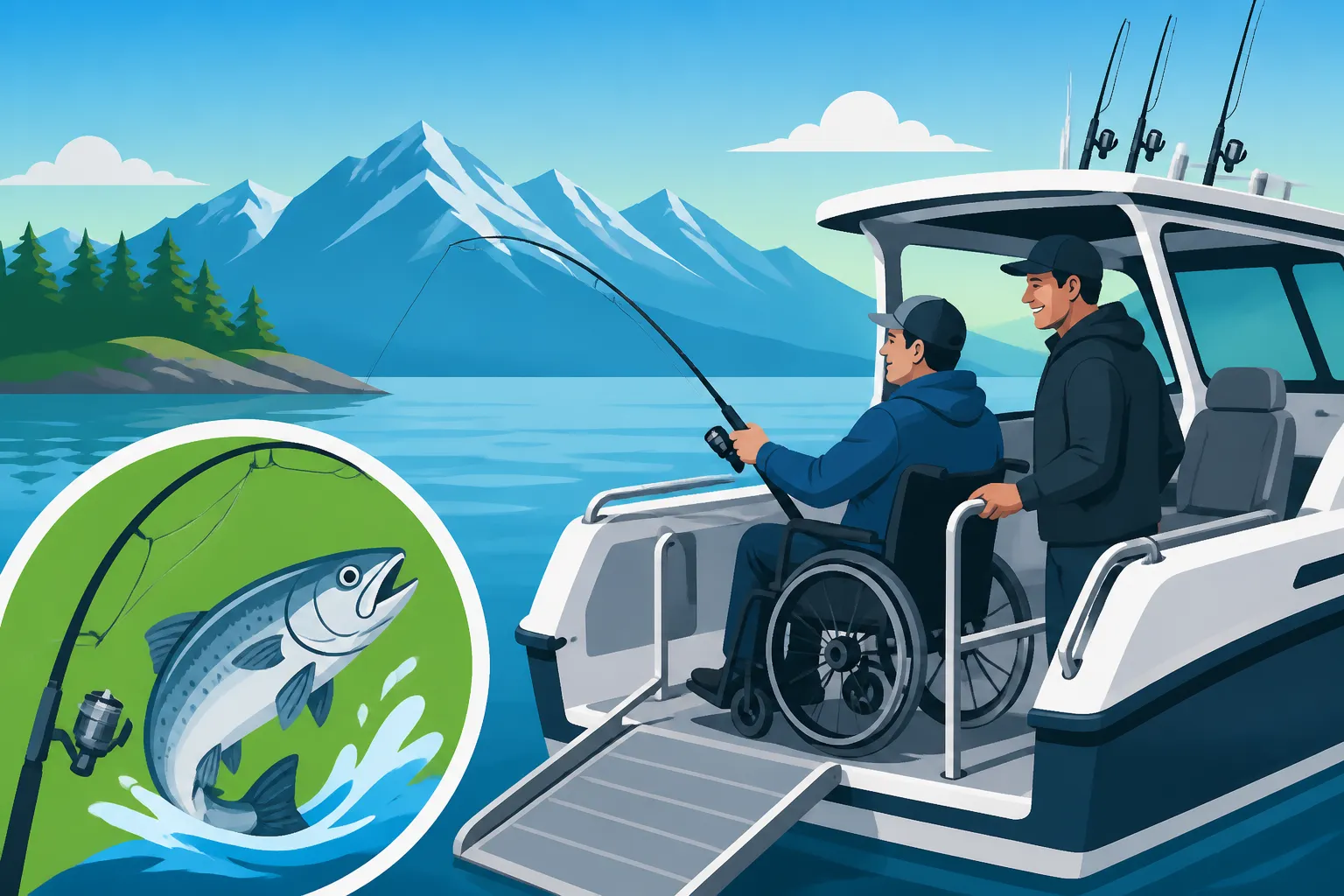
The vessel itself is the first, and arguably most important, consideration. A genuinely accessible charter boat will often feature a wider beam, which inherently provides greater stability, reducing the impact of waves and making it easier to maintain balance. The deck should be as flat and uncluttered as possible, minimizing tripping hazards and providing clear pathways for wheelchairs or walkers. You might find boats with wider doorways into cabins and washrooms, allowing for easier entry and exit. Handrails should be abundant, sturdy, and strategically placed along all walkways, at fishing stations, and near any steps or ramps.
Some advanced accessible charters even boast features like low-profile transoms for easier boarding, or even built-in, marine-grade ramps or lifts that can safely transfer an angler from the dock to the boat. This level of modification demonstrates a true commitment to inclusivity, moving beyond basic accommodation to proactive integration. Without these foundational design elements, even the most enthusiastic crew can only do so much to ensure a smooth experience. It's about empowering the angler to move independently and confidently.
Crew Training and Assistance
Beyond the physical attributes of the boat, the crew's attitude and training are absolutely paramount. A truly mobility-friendly charter will have a crew that isn't just willing to help, but is experienced in assisting anglers with various needs. This means they know how to safely help someone board, how to secure a wheelchair, and how to anticipate needs before they become issues. They understand the nuances of providing support without being patronizing.
For example, a good crew member will understand the importance of clear communication during boarding and movement, ensuring the angler feels secure and informed. They might offer to help with baiting hooks, casting, or even retrieving a fish once hooked, allowing the angler to conserve energy for the fight itself. This level of empathetic and skilled assistance ensures that the angler can fully participate in the fishing experience, knowing they have capable hands ready to support them. It’s about building trust and creating an environment where everyone feels valued and capable. Before you book, don't hesitate to ask specific questions about the crew's experience with mobility-limited guests.
Gear and Equipment Considerations
Even the best boat and crew can fall short if the fishing gear itself isn't appropriate or easily manageable. Accessible charters often go the extra mile by providing specialized equipment designed to make fishing less physically demanding. This could include lighter rods and reels that are easier to hold and cast, or rods with modified grips for better control.
Some charters might even offer electric reels, which can significantly reduce the physical exertion required to retrieve deep-water fish or heavy lines, perfect for species like halibut. Halibut Fishing Techniques for BC's Coast often involves heavy gear, so this is a huge benefit. Comfortable seating with back support and armrests at fishing stations is also a plus, allowing anglers to fish for longer periods without discomfort. For those who require it, a charter might have adaptive fishing aids, such as rod holders that can be easily mounted to a wheelchair or a railing, freeing up hands and allowing for a more relaxed fishing posture. Think about how much more enjoyable the trip will be if you're not constantly struggling with your gear.
Finding and Booking Accessible Charters in British Columbia
So, you're convinced an accessible charter is the way to go, but where do you start looking in British Columbia? It can feel like searching for a needle in a haystack, as not every charter advertises their specific accessibility features upfront. However, with the right approach and a bit of diligent research, you can absolutely find the perfect fit for your needs.
How to Research and Verify Accessibility Claims
The first step is always thorough research. Don't just rely on a website's claim that they are "wheelchair friendly." What does that actually mean to them? Start by looking for charters that explicitly mention accessibility features on their websites or social media. Look for photos of their boats that clearly show wide decks, sturdy handrails, or even specialized boarding equipment. Reviews from other anglers with mobility limitations can be incredibly insightful, so seek those out on independent review sites.
Once you have a shortlist, the most crucial step is to pick up the phone. Have a direct conversation with the charter captain or booking agent. This is your opportunity to ask very specific questions tailored to your individual needs. Don't assume anything. Explain your specific mobility limitation and inquire about how they accommodate it. For instance, if you use a power wheelchair, you'll need to know if the boat's entry points are wide enough and if there's space to maneuver and safely secure the chair on deck. This personal conversation is the best way to verify their claims and gauge their understanding and commitment to accessibility.
Essential Questions to Ask Before Booking
To help you with that crucial phone call, here’s a list of questions that go beyond the usual inquiries about fish species and bait. These are designed to uncover the true accessibility of a charter:
- Boarding Access: "What is the boarding process like? Do you have ramps, lifts, or does your crew provide specific assistance for stepping onto the boat? What is the height difference between the dock and the boat at various tides?"
- Deck Layout: "Is the deck flat and unobstructed, or are there steps, narrow passages, or raised thresholds? Is there ample space to maneuver a wheelchair or walker?"
- Handrails and Support: "Are there sturdy handrails throughout the boat, especially at fishing stations and around any steps or uneven surfaces?"
- Washroom Accessibility: "Is the washroom accessible? Is the doorway wide enough, and is there space to maneuver inside? Are there grab bars?"
- Crew Experience: "Do you or your crew have experience assisting anglers with mobility limitations? Can you provide hands-on assistance with casting, baiting, or retrieving a fish if needed?"
- Equipment: "Do you have any adaptive fishing equipment, like specialized rod holders or electric reels? Are your rods and reels lightweight and easy to handle?"
- Emergency Procedures: "What are your emergency procedures, and how do they account for passengers with mobility limitations?"
- Companion Policy: "If I need a companion to assist me, what is your policy and pricing for an additional person?"
Asking these detailed questions ensures you have a clear picture of what to expect and helps you avoid unwelcome surprises on the day of your trip. Don't be shy; your comfort and safety are paramount.
Utilizing Online Platforms and Local Resources
While direct communication is key, online platforms can be a great starting point for your search. Websites like FishingBooker often allow you to filter by certain amenities or ask questions directly to captains, making it easier to identify potential accessible options. You can use their messaging system to send your detailed questions to multiple charters quickly. How to Choose a BC Fishing Charter also offers good general advice that can be adapted for your specific search.
Beyond online booking sites, don't overlook local resources. Tourist information centres in popular fishing destinations like Campbell River, Tofino, or Prince Rupert might have lists of local charters and could even have insights into which ones are known for their accommodating nature. Local fishing clubs or disability support groups can also be excellent sources of recommendations, as they often have first-hand experience or know others who do. Sometimes, the best advice comes from someone who has been there themselves.
| Feature | Standard Charter Boat | Mobility-Friendly Charter Boat |
|---|---|---|
| Deck Layout | May have steps, narrow aisles, cluttered areas | Flat, wide, uncluttered deck; clear pathways |
| Boarding | Step-on from dock, varying height/stability | Ramps, hydraulic lifts, crew assistance with transfers |
| Handrails | Limited, primarily for stability in rough seas | Numerous, sturdy, strategically placed throughout |
| Washroom Access | Small, tight, difficult to access | Wider doors, grab bars, space to maneuver |
| Crew Training | General boating and fishing assistance | Specific training in assisting mobility-limited guests |
| Fishing Gear | Standard rods/reels | Lighter rods, electric reels, adaptive rod holders |
| Seating | Basic benches or deck boxes | Stable, comfortable seating with back support at stations |
Preparing for Your Accessible BC Fishing Adventure
Once you've found and booked your ideal accessible fishing charter in British Columbia, the excitement truly begins! But just like any good fishing trip, a little preparation goes a long way to ensure everything goes smoothly and you can fully enjoy your time on the water.
Packing Smart for Comfort and Safety
Packing for an accessible fishing trip involves a bit more thought than just grabbing your lucky hat. Focus on layers of clothing, as the weather in BC can change rapidly, especially on the coast. Waterproof and windproof outer layers are essential, even on a sunny day, as spray from the ocean or even a sudden rain shower can occur. Comfortable, non-slip footwear is absolutely critical for stability on a moving boat, regardless of your mobility level.
Don't forget any personal mobility aids you might need. If you typically use a small folding cane or walking stick, bring it. If you have specific cushions or supports that make sitting more comfortable, consider bringing those too. Snacks and drinks are always a good idea, as are any personal medications you might require. Sunscreen, sunglasses, and a wide-brimmed hat will protect you from the intense BC sun, which can reflect strongly off the water. A good pair of polarized sunglasses will also help you spot fish or structure under the surface, which is useful when targeting species like Chinook Salmon Fishing in BC. Thinking through these small details beforehand can significantly enhance your comfort and overall enjoyment. What to Bring on a BC Fishing Charter provides a good general checklist to build upon.
Communication is Key
Even after asking all your questions before booking, maintaining open communication with your charter captain and crew on the day of your trip is vital. Don't be afraid to voice your needs or concerns as they arise. If you're feeling unsteady, let the crew know. If you need assistance with something, just ask. They are there to help, and proactive communication ensures your safety and comfort.
Before heading out, a good captain will often do a safety briefing. During this time, make sure they understand your specific needs, particularly regarding emergency procedures. Knowing that you might need extra time or assistance in an evacuation scenario is important for them to plan accordingly. Similarly, if you're aiming for a specific type of fish or have a particular goal for the day – whether it's catching a trophy or simply enjoying the peacefulness of the water – share that with them. A great crew will go out of their way to make your experience special and memorable. Remember, you've chosen an accessible charter precisely because they cater to your needs, so embrace that support and enjoy the incredible fishing opportunities British Columbia has to offer. Whether you're targeting big White Sturgeon Fishing on the Fraser River or just some feisty trout, the experience should be a joyful one.
Disclaimer
This article is for general informational purposes only and does not constitute professional advice. Laws, prices and regulations vary by location and change over time. Consult a qualified professional for guidance on your specific situation.