Best guided drift boat trips on the Skeena
The Skeena River in British Columbia is a legendary waterway, but its vastness, powerful currents, and often remote access can be incredibly intimidating for any angler, no matter their experience level. If you've ever dreamt of tackling its famous runs of steelhead and salmon but felt overwhelmed by the logistics, a guided drift boat trip is often the perfect answer. This comprehensive guide will walk you through everything you need to know about experiencing the Skeena from the unique vantage point of a drift boat, ensuring a memorable and successful adventure.
Why a Guided Drift Boat Trip on the Skeena is a Game-Changer
When you think about fishing a river as iconic as the Skeena, images of rugged wilderness, pristine waters, and powerful, chrome-bright fish often come to mind. But getting to those perfect spots, understanding the subtle nuances of the river, and staying safe amidst its formidable currents is a challenge few can master alone. This is precisely where a guided drift boat trip transforms a daunting dream into an accessible reality.
Accessing Remote Waters
The Skeena River system is immense, encompassing countless miles of mainstem and tributary rivers that carve through some of BC's most stunning, yet inaccessible, landscapes. Many of the most productive fishing holes, holding lies, and prime runs are simply unreachable by foot or even by conventional jet boat due to shallow sections, rapids, or private land. A drift boat, designed for navigating these varied conditions, offers unparalleled access.
Imagine floating silently down a stretch of river, the only sounds being the rhythmic dip of oars and the whisper of the current. You're passing through areas where the banks are too steep, dense with timber, or simply too far from any road for bank anglers to reach. These remote stretches often hold less-pressured fish, increasing your chances of finding aggressive biters. Your guide, intimately familiar with every rock bar, eddy, and riffle, knows precisely where to put the boat to give you the best casting angles and drift presentation for these untouched spots. It's not just about reaching a spot; it's about navigating it safely and effectively, something only specialized equipment and local expertise can provide.
Expert Local Knowledge
There’s a significant difference between reading a map and knowing a river. A Skeena drift boat guide isn't just a boat operator; they are a walking encyclopedia of the river's secrets. This local knowledge is arguably the most valuable asset you get on a guided trip. They understand the intricacies of the water, such as:
- Fish Movements and Habits: When do the steelhead move through certain pools? Where do the Chinook hold in different water levels? How do Coho react to changing light conditions? A good guide tracks these patterns daily.
- Optimal Techniques and Presentations: The Skeena demands specific techniques, whether it's the perfect swing with a two-handed rod for steelhead, a precise drift with roe for salmon, or understanding how to present a fly or lure in varying current speeds. Your guide will have a full arsenal of proven methods and know which one applies to the specific run you’re in. They’ll instruct you on casting, mending, and retrieving to maximize your chances, often correcting subtle flaws in your technique that you might not even notice.
- Reading the Water: They can instantly identify subtle currents, seams, and depth changes that indicate where fish are likely holding. This ability to "read the water" means you spend less time casting aimlessly and more time putting your fly or lure in front of actual fish. This kind of nuanced understanding comes only from thousands of hours spent on the river, year after year.
This expert guidance can literally be the difference between a frustrating day of blind casting and an exhilarating day of hooking into Skeena giants.
Safety and Comfort on the Water
Fishing the Skeena, especially during peak seasons when water levels can be high and currents strong, requires respect and caution. Safety should always be paramount, and a guided drift boat trip provides a secure and comfortable platform for your adventure.
Your guide is a seasoned professional, often with extensive first aid and swiftwater rescue training. They know how to safely navigate rapids, avoid hazards, and handle unexpected situations that can arise on a wild river. The drift boats themselves are purpose-built for river conditions, offering stability and maneuverability. You'll have comfortable seating, plenty of space for your gear, and often a dry storage area for personal items.
Beyond the practical safety, there's the comfort of simply being able to focus entirely on fishing. You don't have to worry about mooring the boat, checking depths, or constantly looking for the next hazard. Your guide handles all the logistical complexities of navigating the river, leaving you free to enjoy the stunning scenery, perfect your cast, and concentrate on that tell-tale tug on your line. It's a truly immersive experience where the burden of responsibility is lifted, allowing you to fully embrace the magic of the Skeena. BC Boating Laws for Anglers is a good read if you plan on operating your own vessel.
What to Expect from Your Skeena Drift Boat Adventure
Embarking on a guided drift boat trip down the Skeena River is an experience unlike any other. It’s a full immersion into the raw beauty of British Columbia’s wilderness, combined with the thrill of pursuing some of the most sought-after game fish in the world. Knowing what to expect can help you prepare and fully appreciate every moment.
The Drift Boat Experience
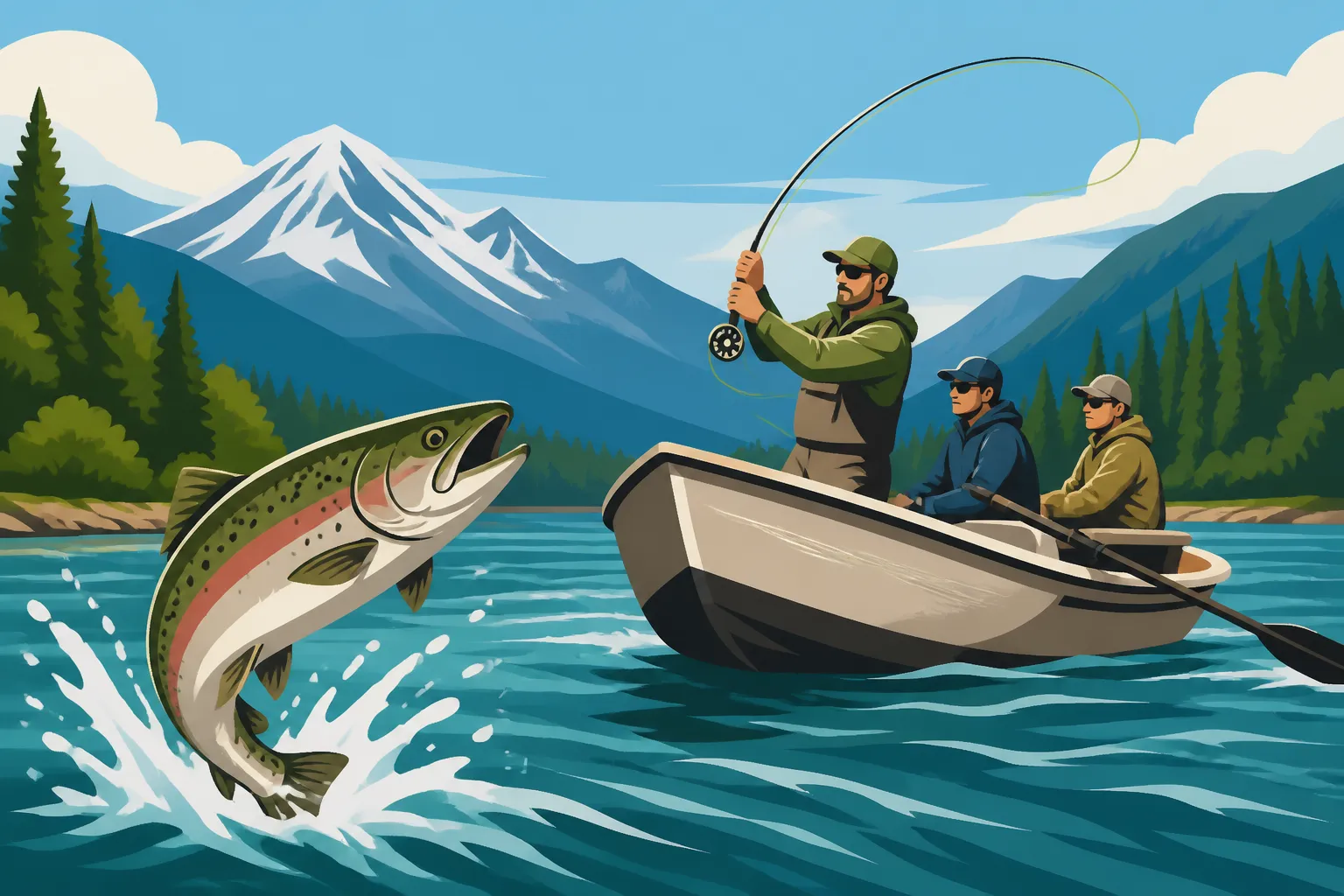
Picture this: You meet your guide at a designated launch point, often a gravel bar or a small boat ramp along the river. After a quick briefing, you step into a specially designed drift boat – typically a McKenzie-style drift boat or a similar custom-built craft. These boats are rowed or motored only minimally to position the boat, allowing you to drift silently downriver with the current. This stealthy approach is crucial for not spooking wary fish.
As you drift, your guide will expertly maneuver the boat, using oars to slow the drift, pivot, or hold the boat in prime fishing lanes. You’ll be positioned to cast to specific seams, eddies, and structure where fish are known to hold. This continuous movement covers a lot of water, allowing you to fish many different types of runs and pools throughout the day. It’s an active form of fishing; you'll be casting, mending, and retrieving almost constantly, guided by your expert. Lunch is often a delightful affair, served on a scenic gravel bar with the river flowing gently by, adding to the overall wilderness experience.
The pace is dictated by the river and the fishing, but it's generally a blend of intense fishing action and serene floating, offering moments to simply soak in the incredible surroundings – towering mountains, dense forests, and the occasional glimpse of wildlife like eagles, bears, or deer along the banks. It’s an intimate way to connect with the river and its inhabitants.
Targeting Skeena's Legendary Fish
The Skeena River is renowned worldwide for its incredible runs of Pacific salmon and wild steelhead. Your drift boat trip will likely focus on one or more of these incredible species, depending on the season and your preference.
- Steelhead: These chrome-bright, sea-run rainbow trout are the crown jewels of the Skeena. Both spring and fall runs occur, offering incredible opportunities to target these powerful, acrobatic fish. Drift boat trips are ideal for steelhead, allowing anglers to cover miles of prime water, swinging flies or drifting baits through classic holding water. The sheer power of a Skeena steelhead on the end of your line is an unforgettable thrill. You'll often hear about Best Steelhead Rivers in BC and the Skeena is always at the top of that list.
- Chinook Salmon (King Salmon): The largest of the Pacific salmon, Skeena Chinook can reach truly monumental sizes. These powerful fish offer an incredible fight, and drift boat fishing allows you to effectively present large lures, plugs, or bait to them in their deep holding lies. Catching a massive Skeena King is a bucket-list item for many anglers. Chinook Salmon Fishing in BC is a pursuit many travel far and wide for.
- Coho Salmon (Silver Salmon): Known for their acrobatic jumps and aggressive strikes, Coho salmon are a blast to catch. They often hold in faster, shallower water than Chinook, making them excellent targets for drift fishing with flies, spinners, or twitching jigs.
- Sockeye, Pink, and Chum Salmon: While often targeted less specifically by sport anglers on drift trips, these species are also present and can provide plenty of action, especially during their strong runs. Sockeye, for instance, are notoriously challenging but rewarding on the fly.
Your guide will help you understand the current regulations for each species and ensure ethical catch-and-release practices, especially for the protected wild steelhead.
Gear, Techniques, and Instruction
One of the great advantages of a guided trip is that most, if not all, of the necessary high-quality fishing gear is provided. This typically includes:
- Rods and Reels: Expect top-tier rods and reels appropriate for the target species, whether it's specialized two-handed Spey rods for steelhead, heavy-duty baitcasting setups for Chinook, or lighter gear for Coho.
- Terminal Tackle: Your guide will have an extensive selection of flies, lures, weights, leaders, and indicators perfectly matched to the current conditions and fish behavior.
- Safety Gear: Life jackets are always provided and mandatory for your safety.
Beyond the gear, your guide is a patient and experienced instructor. If you're new to Spey casting, they'll offer tips and demonstrations. If your drift isn't quite right, they'll offer constructive feedback. They’ll teach you how to properly fight a powerful fish in strong current, how to land it safely for a quick photo, and how to ensure a healthy release. This instructional aspect is invaluable, allowing you to improve your angling skills while having an incredible fishing experience. Think of it as a masterclass on the water, with the added bonus of stunning scenery and potential trophy fish.
Choosing the Right Guide and Trip for Your Skeena Dream
So, you're convinced a Skeena drift boat trip is for you – excellent! Now comes the important part: finding the right guide and tailoring the trip to your preferences. This decision can profoundly impact your experience, so it's worth putting in the effort.
Vetting Your Skeena Guide
Choosing a guide isn't just about picking the first name you find. It's about finding a professional who matches your style, expertise, and expectations. Here’s what to look for and how to approach the search:
- Experience and Reputation: Look for guides with a long history of operating on the Skeena. Experience translates into deep river knowledge, consistent success rates, and robust safety protocols. Seek out testimonials, reviews, and word-of-mouth recommendations. Many anglers start their search for the perfect Skeena guide on sites like FishingBooker, where they can filter by species, dates, and read testimonials from previous clients, making it easier to compare options and find reputable operators.
- Specialization: Some guides specialize in certain species (e.g., purely steelhead, or primarily Chinook) or fishing techniques (e.g., fly fishing only). Be clear about what you want to target and confirm your guide’s expertise in that area. If your heart is set on Steelhead Fishing in BC, make sure your chosen guide lives and breathes steelhead.
- Communication: A good guide will be responsive and happy to answer all your questions before the trip. They should provide clear details about what’s included, what you need to bring, and expectations for the day. Platforms like FishingBooker often facilitate direct communication with guides, allowing you to ask these crucial questions upfront.
- Licenses and Certifications: Ensure your guide is fully licensed and insured, and that their boat meets all safety regulations. Professionalism is key.
- Personality Match: While hard to gauge entirely beforehand, read reviews that touch on the guide's demeanor. Do they sound patient, enthusiastic, and good with beginners? Or are they better suited for hardcore experienced anglers? Sometimes, a quick phone call can give you a good feel.
Don't hesitate to shop around and ask multiple guides for quotes and trip details. This is your dream trip, and you want it to be perfect.
Trip Length and Accommodation Options
Skeena drift boat trips can range from single-day excursions to multi-day lodge packages. Your choice will depend on your budget, time constraints, and how deeply you want to immerse yourself in the experience.
- Day Trips: These are perfect for those on a tighter schedule or budget. You’ll meet your guide in the morning and fish a full day, typically returning to your accommodation in the evening. Day trips are often based out of towns like Terrace or Kitimat, which offer a range of hotels, motels, and B&Bs.
- Multi-Day Trips/Lodge Packages: For the ultimate Skeena experience, many anglers opt for multi-day packages with a lodge. These typically include accommodation, all meals, and multiple days of guided fishing. Lodges range from rustic cabins to luxurious resorts, offering a comprehensive and hassle-free experience. They’re ideal for those who want to fully disconnect and maximize their time on the water. These packages often provide access to exclusive waters or allow for longer travel to more remote sections of the river.
Consider the driving distances and logistics. If you're coming from further afield, a lodge package can simplify everything, as they often arrange airport transfers and all ground transportation.
Preparing for Your Trip
Once you've booked your guide and trip, a little preparation goes a long way to ensure a comfortable and productive experience.
- Fishing License: This is non-negotiable. You’ll need a valid BC freshwater fishing license, and often a Steelhead Conservation Surcharge Stamp or a Salmon Conservation Stamp, depending on what you’re targeting. Your guide will confirm the specifics, but it's your responsibility to have it before you step into the boat. Check out British Columbia Fishing License Guide for 2026 for full details.
- Appropriate Clothing: The weather on the Skeena can change rapidly. Layers are key! Think waterproof and windproof outer shells, fleece or wool mid-layers, and moisture-wicking base layers. Bring warm hats, gloves, and quality waterproof socks. Good wading boots (even if you're not planning to wade much, they're great for gravel bars) are also highly recommended.
- Personal Items: Sunglasses (polarized are a must for spotting fish and reducing glare), sunscreen, insect repellent, a camera, and any personal medications.
- Food and Drink: While many guides provide lunch and water, it's always a good idea to bring extra snacks and your preferred beverages.
- Attitude: Come with an open mind, a willingness to learn, and a positive attitude. The Skeena is a challenging river, and while your guide will put you in the best possible position, fishing success is never guaranteed. Enjoy the journey, the scenery, and the opportunity to be on one of the world's truly magnificent rivers.
The Best Time for a Skeena Drift Boat Trip
Timing is everything when it comes to fishing the Skeena River, as different species have distinct migratory patterns. Planning your drift boat trip around the peak seasons for your target fish will dramatically increase your chances of success.
Steelhead Seasons
The Skeena is famous for its powerful, wild steelhead, which undertake two main runs:
- Spring Steelhead (March – May): After a long winter, these fish move into the Skeena system from the ocean, often in powerful pushes as river levels rise with snowmelt. The spring run is known for hot, aggressive fish that are eager to chase a swung fly or a drifted bait. Conditions can be challenging with fluctuating water levels and temperatures, but the rewards are immense. Early spring might still see some winter steelhead lingering, while April and May are prime for fresh, chrome-bright fish pushing upstream. Drift boat guides are adept at finding pockets of clear water or working areas where the fish are holding during these varied conditions.
- Fall/Winter Steelhead (September – December): The fall run is arguably the most famous, with a significant number of fish entering the system. September and October are often considered the prime time, with consistent numbers and typically more stable weather and water conditions. As winter approaches, fishing can extend into December, offering dedicated anglers the chance to target fish in crisp, cold conditions. Many consider fall steelhead to be some of the hardest fighting fish you'll ever encounter. A drift boat is perfect for covering the extensive runs these fish utilize.
Salmon Seasons
While steelhead get a lot of the spotlight, the Skeena's salmon runs are equally impressive and offer a thrilling experience from a drift boat.
- Chinook Salmon (Late May – August): The mighty Chinook, or King Salmon, begin entering the Skeena system in late May, with the run peaking in June and July. These are often the largest fish you'll encounter, providing epic battles. Early season Chinook are particularly vibrant and strong. Drift boats allow guides to target the deep pools and heavy currents where these powerful fish often hold.
- Sockeye Salmon (July – August): While more challenging to catch on conventional gear, the sheer numbers of Sockeye can be astonishing. They typically run strong through July and August. While some anglers target them specifically with specialized fly patterns, they often provide an incredible backdrop to other fishing pursuits.
- Pink Salmon (Mid-July – Early September): Pink salmon run on odd-numbered years in very large numbers. These smaller, aggressive salmon are a fantastic target for light tackle, offering continuous action and making for a fun day on the water, especially for families or beginners. Their numbers ensure that even if other species are slow, you’ll likely still be hooking into fish.
- Coho Salmon (August – November): The acrobatic Coho salmon start arriving in August and provide excellent fishing well into the fall, often overlapping with the steelhead run. They are aggressive biters and put on spectacular aerial displays. Fall Coho fishing from a drift boat is incredibly popular, as they can be found in various water types.
- Chum Salmon (Late August – October): Chum salmon are known for their sheer power and can be a formidable opponent on a fly rod or spinning gear. They arrive in late summer and can provide fantastic action throughout the fall.
Here’s a simplified table to help visualize the general peak seasons for a Skeena drift boat trip:
| Species | Peak Drift Boat Season | Notes |
|---|---|---|
| Spring Steelhead | March, April, May | Aggressive fish, can be challenging conditions. |
| Chinook Salmon | June, July, Early August | Trophy-sized fish, powerful fighters. |
| Sockeye Salmon | July, August | Large numbers, often targeted with flies. |
| Pink Salmon | July, August, Early September (Odd Years) | Great for light tackle, lots of action. |
| Coho Salmon | August, September, October | Acrobatic and aggressive, often overlaps with fall steelhead. |
| Fall Steelhead | September, October, November | Most popular season, large runs of fresh, hot fish. |
| Chum Salmon | Late August, September, October | Strong fighters, great on fly or gear. |
Remember, these are general guidelines. Water levels, temperatures, and specific run timing can vary year to year, so always confirm with your chosen guide or check BC Fishing Season Dates and Closures before finalizing your plans. A good guide will always advise you on the best time to visit based on your target species and current river conditions. Whether you're chasing the elusive steelhead or battling a giant Chinook, a guided drift boat trip on the Skeena promises an unforgettable fishing adventure.
Disclaimer
This article is for general informational purposes only and does not constitute professional advice. Laws, prices and regulations vary by location and change over time. Consult a qualified professional for guidance on your specific situation.