Average cost of a half-day salmon charter in Campbell River
Oh, the dream of hooking into a powerful salmon in the waters of Campbell River! It's an experience many anglers crave, but before you can feel that thrilling tug on your line, there's often one big question that pops up: "What's this going to cost me?" Budgeting for a fishing trip, especially when you're looking at charters, can feel like navigating a dense fog. This guide is here to cut through that uncertainty, helping you understand the average cost of a half-day salmon charter in Campbell River and what factors truly influence that price tag.
What Drives the Price Tag: Factors Influencing Half-Day Salmon Charters in Campbell River
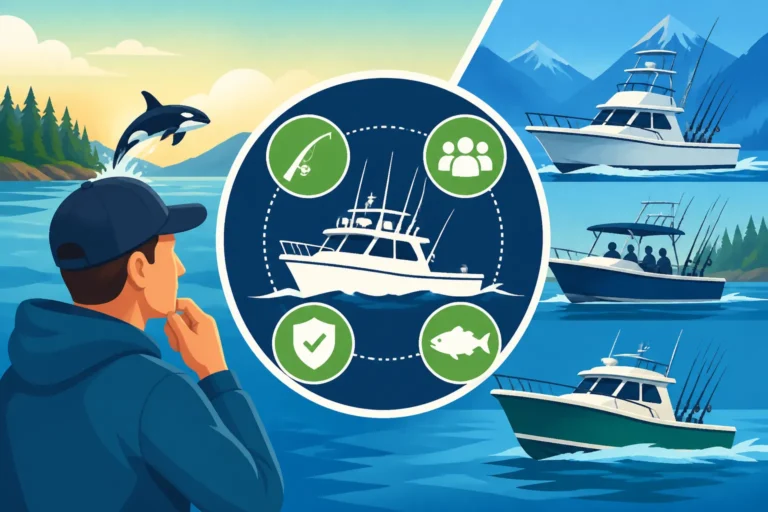
When you start looking at charter prices, it can feel like a bit of a moving target. One operator might quote one price, another something slightly different, and it's easy to get confused about what's "average." The truth is, there are several key elements that go into determining the cost of a half-day salmon charter out of a renowned spot like Campbell River. Understanding these factors will not only help you budget more accurately but also choose a charter that truly fits your expectations and fishing style.
The Vessel, the Crew, and Your Group Size
Think about it: a smaller, zippier boat taking out just a couple of anglers might operate on a different cost structure than a larger, more luxurious vessel designed for a bigger group. The type of boat itself plays a role – maintenance, fuel efficiency, and the sheer capital investment of a top-tier fishing machine all factor in. Beyond the boat, the experience and reputation of your captain and crew are invaluable. A seasoned guide who knows the local waters like the back of their hand, understands the subtle nuances of salmon behavior, and can put you on fish consistently might command a higher rate, and frankly, it’s often worth it.
Group size is another huge component. Most charters have a base rate for the boat, and then a per-person charge beyond that minimum. If you're a solo angler or a pair, you might end up paying a bit more per person compared to a group of four who are splitting the overall boat cost. It’s a bit like booking a vacation rental; sometimes it's more economical per head with a larger party. If you're looking for a more intimate experience, a private charter for just your party is often an option, though it typically means a higher overall cost. Conversely, if you're open to joining a "shared" or "open" charter where you join other individuals or small groups, the per-person price can sometimes be more accessible.
Seasonality and Salmon Runs
British Columbia's fishing calendar is dictated by the incredible migration of salmon. These runs are a major draw, and the peak times for specific species can definitely influence charter pricing. For instance, if you're aiming to catch a big, chrome-bright Chinook during its prime run in late summer, you might find demand is higher and prices reflect that. Similarly, the bustling coho salmon season in the fall sees a lot of activity. Campbell River is, after all, famously known as the "Salmon Capital of the World," and for good reason!
The "shoulder seasons" – say, early spring or late fall – when fishing might still be excellent but perhaps less predictable for certain species, could sometimes offer slightly different rates. It’s not necessarily about fishing being "worse," but often about lower overall demand or different target species. Some charters might even offer special rates during these times to encourage bookings. Always check the BC Fishing Season Dates and Closures to align your trip with the best time for your target species, and then inquire about charter availability and pricing for those specific windows.
What's Included and What's Extra
This is where many anglers can get tripped up. The base price of a charter typically includes the boat, the captain and sometimes a deckhand, fuel, and most of the essential fishing gear like rods, reels, and tackle. Bait is almost always included, especially for salmon fishing. However, there can be significant variations, and it’s crucial to clarify what’s explicitly covered and what isn’t.
Sometimes, rain gear, specialized foul-weather clothing, or even snacks and non-alcoholic beverages might be provided as a courtesy, but don't assume. Think about it: a quality fishing rod and reel can be a significant investment, as can a tackle box full of lures. The fact that a charter provides these, often high-end, items is a substantial part of their service. However, things like your fishing license, any required conservation stamps (like the BC Salmon Conservation Stamp Rules), fish processing services (filleting, vacuum-sealing), or shipping your catch home are almost universally not included in the base charter fee. These are important additional costs you absolutely need to factor into your total budget.
Navigating the Numbers: Understanding the Average Cost Range for a Half-Day Trip
So, what does that "average" look like for a half-day salmon charter in Campbell River? It's not a single fixed number you can just pluck out of the air, but rather a range that reflects the variables we just discussed. Think of it less like a precise calculation and more like a spectrum, and your goal is to find where on that spectrum your ideal trip falls.
The Typical Spectrum of Half-Day Charter Rates
For a half-day (typically 4-5 hours) salmon charter out of Campbell River, anglers can generally expect to see rates that start in the mid-hundreds for a single person joining an open charter, and go up from there. If you're booking a private boat for your group, the total boat cost could easily be in the higher range, but when divided amongst 2-4 people, the per-person cost might actually be quite reasonable. These figures will fluctuate based on the specific operator, the time of year (as discussed), and the demand.
It’s really important to remember that these are general expectations. Just like hotel prices, they can change based on current economic conditions, fuel costs, and simply what each individual charter company decides to charge for their services. Your best bet is always to check the current rates directly with a few different charter operators or through a reputable booking platform. Don't be shy about reaching out and asking for a detailed quote for your specific dates and group size.
Comparing Shared Charters to Private Experiences
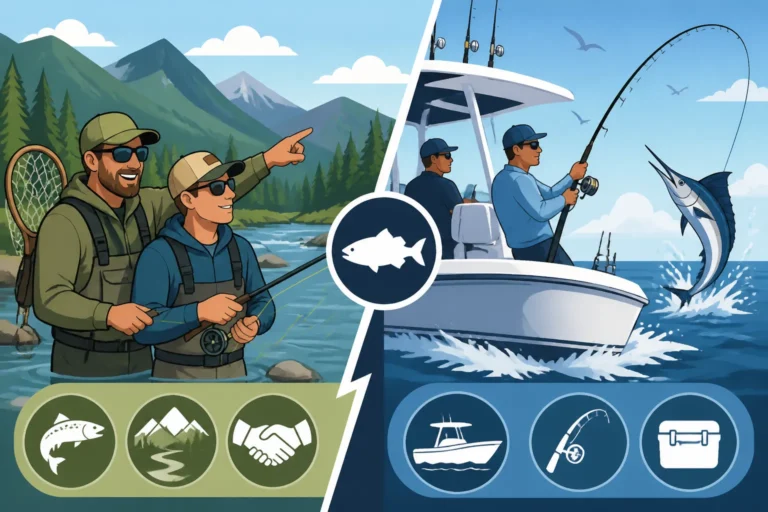
Deciding between a shared charter and a private charter is often a trade-off between cost and experience.
-
Shared Charters: These are often the most budget-friendly option per person. You buy a spot on a boat, and you'll be fishing alongside other anglers you may not know. This can be a fantastic way to meet new people who share your passion for fishing, and sometimes you can learn a lot from watching other folks. The downside? You might have less input on where you fish or how long you spend in a particular spot, as the captain needs to cater to the whole group. The boat might also be larger to accommodate more people, which can sometimes feel a bit less intimate.
-
Private Charters: If you book a private charter, you're essentially reserving the entire boat for your party. This means you have much more flexibility. Want to focus entirely on Chinook Salmon Fishing in BC for the whole trip? You can! Prefer to spend more time trolling in one area or try a different technique? The captain will usually be more amenable to tailoring the trip to your group's preferences. While the overall boat cost will be higher, the experience is often more personalized and exclusive. If you have a group of 3-6 people, splitting a private charter can often bring the per-person cost into a very comparable range to individual spots on a shared charter, making it an excellent value.
Here's a quick look at how various factors can shape the final charter cost:
| Factor | Influence on Cost (Generally) | Notes |
|---|---|---|
| Group Size | Larger groups (up to boat capacity) often lower per-person cost | Private charters cost more overall, but per-person can be comparable for larger groups. |
| Seasonality | Peak salmon runs (e.g., summer/fall) can be higher | Shoulder seasons might offer slightly lower rates due to less demand. |
| Boat Type | Larger, newer, more amenities = higher | Smaller, more utilitarian boats might have lower overheads, potentially lower rates. |
| Guide Experience | Highly reputable, experienced guides = higher | Expertise can lead to better success rates, often a worthwhile investment. |
| Inclusions | More included (e.g., premium gear, snacks) = higher | Always clarify what fishing gear, bait, and amenities are part of the base price. |
| Booking Method | Some booking platforms might have small fees | Direct booking can sometimes offer flexibility; platforms offer convenience and comparison (e.g., FishingBooker). |
Beyond the Base Rate: Essential Extra Costs to Budget For
It's easy to focus solely on the charter fee, but a successful and stress-free fishing trip to Campbell River involves accounting for several other expenses. Skipping these can lead to unwelcome surprises or, worse, a situation where you're unable to fish legally or take home your prized catch. Being prepared for these "hidden" or additional costs is just as important as knowing the charter's base rate.
Mandatory Licenses and Conservation Stamps
This is non-negotiable. Before you even step foot on a charter boat in British Columbia, you must have the appropriate fishing license. For salmon fishing in Campbell River, you'll need a BC Tidal Waters Fishing License, and crucially, if you intend to retain any species of salmon, you also need to purchase a BC Tidal Waters Salmon Conservation Stamp Cost. These stamps are vital for funding conservation efforts that protect these amazing fish. Children under a certain age often don't require a license, but still need to register their catch, so always check the specific rules regarding BC Fishing License Age Requirements for everyone in your party.
Purchasing these licenses is usually simple and can be done online through the provincial government's portal or at local tackle shops and approved vendors. Do it before your trip, as charter captains cannot sell them on the water, and fishing without one carries significant penalties. Imagine getting all excited, heading out, and then realizing you can't fish because you forgot this crucial step!
Gratuities: Showing Appreciation for Your Crew
Just like in other service industries, tipping your fishing guide and any deckhands is customary and deeply appreciated. These folks work incredibly hard, often starting their day well before you arrive, preparing the boat, maintaining gear, and then dedicating hours to putting you on fish, baiting hooks, netting fish, and ensuring your safety and enjoyment. A typical gratuity for a good experience is usually 15-20% of the charter fee, based on the total cost of the trip.
Think of it this way: your guide's expertise, the effort they put into cleaning your fish, and their overall professionalism are what make your day memorable. A little extra show of appreciation goes a long way. If you had an exceptional day, or if the crew went above and beyond, consider tipping a bit more. It's a direct way to acknowledge their hard work. You can typically give the gratuity directly to the captain at the end of the trip, and they will share it with the crew. Tipping Etiquette for BC Fishing Charters covers this in more detail.
Handling Your Catch: Processing, Packaging, and Shipping
One of the best parts of a successful salmon charter is bringing home fresh fish for the dinner table! However, getting that fish from the boat to your freezer or kitchen involves a few more steps and potential costs. Most charter operators will perform basic filleting of your fish right on the boat or dock. This might be included in the charter price, or there might be a small additional fee per fish. Always clarify this upfront.
Beyond basic filleting, if you want your fish professionally vacuum-sealed, flash-frozen, or even smoked, you'll likely need to use a local fish processing service. Campbell River has excellent local options for this, but these services come with their own charges based on weight and type of processing. If you're flying home, you'll also need to consider the cost of an airline-approved cooler or insulated box, and any potential overweight baggage fees or specialized shipping costs if you decide to send your fish separately. Don't let your fantastic catch go to waste because you didn't budget for its journey home!
Food, Drink, and Personal Gear
While some charters might offer basic refreshments, it's always a good idea to bring your own snacks and drinks, especially for a half-day trip. A good thermos of coffee, some water bottles, and a few easy-to-eat snacks can make a big difference in your comfort levels on the water.
You should also factor in personal gear. Even on a half-day trip, the weather in Campbell River can be unpredictable. Layers are key! A good waterproof jacket, comfortable non-slip shoes, a hat, and sunglasses are essential. While most charters provide fishing gear, some anglers prefer to bring their own lucky rod or specific tackle. Just check with the charter beforehand if you plan to bring your own equipment to ensure it's suitable and won't interfere with their setup. Don't forget sunscreen, even on cloudy days, as the sun's reflection off the water can be intense.
Finding Your Perfect Charter: Tips for Research and Booking in Campbell River
So, you've got a handle on the costs, both direct and indirect. Now it's time to find that perfect charter to make your Campbell River salmon fishing dreams a reality. With so many excellent operators in the area, doing a little homework will ensure you pick the right fit for your group and your fishing goals.
Leveraging Online Resources and Reviews
The internet is your friend here! Start by searching for Campbell River fishing charters. You'll find a wealth of information, from individual operator websites to larger booking platforms. Platforms like FishingBooker can be incredibly useful because they aggregate many different charters in one place, allowing you to easily compare boats, rates, availability, and most importantly, read reviews from other anglers. These reviews offer invaluable insights into what past customers experienced – did the guide work hard? Was the boat comfortable? Were they successful in catching fish?
Pay attention to recent reviews and look for consistency. A charter with consistently positive feedback about professionalism, fish-catching ability, and customer service is often a strong indicator of a good choice. Don't just look at the star rating; read the actual comments to get a feel for the experience. Some charters specialize in different types of fishing or cater to specific groups, like families or experienced anglers. Websites and reviews can help you discern these nuances.
Key Questions to Ask Before You Book
Once you've narrowed down a few potential charters, don't hesitate to pick up the phone or send an email with some specific questions. Transparency is key to avoiding any surprises.
Here's a checklist of questions you might want to ask:
- What is the total cost for my group size for a half-day trip on my desired dates? (Be specific about how many people.)
- What exactly is included in that price? (Reconfirm fishing gear, bait, fuel, and captain/crew.)
- What isn't included? (Specifically ask about licenses, stamps, fish processing, snacks/drinks, and gratuities.)
- What is your cancellation policy? (Especially important for weather-related cancellations or unexpected changes to your plans.)
- What kind of salmon can we expect to target during that time of year? (A good guide will be realistic about expectations.)
- Do you offer basic filleting services, and is there an extra charge?
- What do I need to bring? (Sunscreen, layers, hat, food, drinks, etc.)
- Do you have any recommendations for local fish processors if I want my catch vacuum-sealed or frozen?
Getting clear answers to these questions upfront will save you stress and ensure a smoother trip. This is also a good opportunity to gauge the captain's communication style and personality – you want to spend several hours on the water with someone you feel comfortable with! If you're a beginner, you might also ask if they are particularly good with new anglers or if they offer Best Guided Trips for Beginners in BC.
Booking Direct vs. Through an Aggregator
You'll generally have two ways to book: directly with the charter operator or through an online booking platform (aggregator). Both have their merits.
-
Direct Booking: Going straight to the charter's website or calling them directly can sometimes offer more flexibility in terms of scheduling, or allow for more in-depth discussions about customizing your trip. Some operators might prefer direct bookings and occasionally offer a slight discount or added perk. It also allows you to build a personal relationship with the captain from the start.
-
Aggregator Platforms: Sites like FishingBooker offer immense convenience. You can browse multiple options side-by-side, filter by location, boat size, target species, and price. They often have clear booking systems, secure payment processing, and sometimes even offer cancellation protection. The sheer volume of choice and the ease of comparing reviews can be a huge time-saver. Many operators list their services on these platforms because of their reach. When looking at these sites, remember to factor in any booking fees they might charge, although often these are built into the listed price.
No matter how you book, the goal is the same: secure a fantastic half-day salmon charter that delivers the quintessential Campbell River fishing experience. A bit of planning and clear communication will set you up for success.
Campbell River is truly a special place for salmon fishing, and a half-day charter is a fantastic way to experience its legendary waters. By understanding the factors that influence cost, budgeting for the extras, and doing your research, you can ensure a memorable and exciting adventure without any financial surprises. Tight lines!
Disclaimer
This article is for general informational purposes only and does not constitute professional advice. Laws, prices and regulations vary by location and change over time. Consult a qualified professional for guidance on your specific situation.