BC Freshwater Salmon Retention Rules
Navigating the ever-changing landscape of British Columbia's freshwater salmon retention rules can feel like trying to hit a moving target with your eyes closed. One day a river is open, the next it's closed, and the size limits seem to shift with the tides, leaving many anglers scratching their heads in frustration. This guide is here to untangle that complexity, providing you with a clear, comprehensive understanding of what you need to know to fish responsibly and legally for salmon in BC's incredible freshwater systems.
Understanding the Complexity of BC's Salmon Retention Rules
Let's be honest, trying to keep up with fishing regulations in British Columbia, especially concerning salmon, can feel like you need a law degree and a crystal ball. It’s not just a matter of knowing a few basic rules; it’s about understanding a dynamic system designed to protect precious fish stocks. This complexity, while often frustrating for the angler, is absolutely vital for the long-term health of our salmon populations. These aren't just fish; they're the lifeblood of our ecosystems and a cornerstone of BC's heritage.
Why Salmon Rules Are So Dynamic
The primary reason salmon retention rules are constantly in flux stems from the intricate dance between conservation efforts, varying run sizes, and a myriad of environmental factors. Each salmon species – Chinook, Coho, Sockeye, Pink, and Chum – has its own unique life cycle, migration patterns, and population health status. One year, a particular run of Sockeye might be incredibly strong, leading to more liberal retention limits, while the very next year, due to ocean conditions or river temperatures, that run might be critically low, necessitating strict catch-and-release or even full closures.
Adding to this complexity is the sheer scale of the Department of Fisheries and Oceans (DFO) management area, which spans vast coastal waters and countless river systems. They're constantly monitoring stock assessments, environmental conditions like water levels and temperatures, and even genetic profiles to make informed decisions. It’s not just about how many fish are in the river; it’s about how many are making it to the spawning grounds, how many are being impacted by commercial fisheries, and how many are needed for future generations. This scientific approach means regulations are living documents, always adapting to ensure sustainability, which ultimately benefits us all as anglers.
The Role of Fishery Notices and In-Season Closures
Given the dynamic nature of salmon populations, the DFO relies heavily on "Fishery Notices" to communicate real-time changes to regulations. These aren't just minor adjustments; they can include sudden closures, changes to bag limits, or even alterations to specific gear restrictions within days or even hours of an announced change. This unpredictability is perhaps the biggest headache for anglers. You might plan a weekend trip months in advance, only to discover the morning you launch your boat that the river you intended to fish is now catch-and-release only for salmon, or worse, completely closed.
It's absolutely paramount to check these notices religiously before every single fishing trip. Don't rely on what you read last week, or what your buddy told you, or even what the local tackle shop said a couple of days ago. These notices are typically posted on the DFO's website, and many experienced anglers subscribe to email alerts to get the updates as soon as they're released. They can be specific to a certain river section, a particular species, or even a time of day. Ignoring them isn't just risky; it's illegal. For a comprehensive overview, understanding BC Fishery Notices and In-Season Closures, Explained is crucial for any responsible angler in British Columbia.
Freshwater vs. Tidal Waters: The Crucial Distinction for Retention
Before you even think about what kind of salmon you can keep, you absolutely must know whether you're fishing in freshwater or tidal waters. This isn't just a minor detail; it's a fundamental distinction that dictates which license you need, which regulations apply, and ultimately, whether your retained fish is legal or not. Many fines are issued simply because anglers misunderstand where one type of water ends and the other begins.
Defining Freshwater and Tidal Boundaries
The line between freshwater and tidal waters can be surprisingly blurry, and it often varies from river to river. Generally speaking, tidal waters are those influenced by the ocean's tides, meaning they rise and fall with the ebb and flow of the sea. For salmon, this typically means the lower reaches of major river systems, river mouths, and estuaries. Freshwater, on the other hand, is the water upstream of this tidal influence, where the flow is purely driven by gravity and precipitation, not the ocean.
A classic example is the mighty Fraser River. Its tidal influence extends remarkably far upstream, sometimes past Mission, depending on river flow and tidal height. This means that if you're fishing for salmon near communities like Richmond, Ladner, or even parts of Surrey along the Fraser, you are likely in tidal waters. As you move further upstream, past areas like Chilliwack, the river definitively becomes freshwater. Other coastal rivers like the Skeena, Campbell, or Cowichan also have distinct tidal boundaries, often marked by signs or defined by specific geographic points in the regulations. It's not always obvious, so always consult the specific regulations for the river you intend to fish.
Licensing Implications for Different Water Types
The distinction between freshwater and tidal waters isn't just academic; it directly impacts your legal right to fish and retain salmon. If you're fishing in freshwater, you need a provincial freshwater fishing license, issued by the BC government. If you're in tidal waters, you need a federal tidal (saltwater) fishing license, issued by the DFO. Confusing, right? This means if you're fishing a river system that transitions from tidal to freshwater, and you plan to fish both sections, you technically need both licenses.
Many anglers make the mistake of having only one type of license and venturing into the other water type, which can lead to hefty fines if encountered by a fishery officer. For many salmon species, particularly Chinook and Coho, they spend a significant portion of their migration through both tidal estuaries and then into freshwater rivers. Therefore, understanding BC Freshwater vs Tidal Waters License, Explained is a critical first step for any salmon angler in British Columbia. Make sure you're always properly licensed for the specific water you're casting into to avoid any unwelcome surprises. For a complete guide on getting started, you might want to review the British Columbia Fishing License Guide for 2026.
Key Species and Their Retention Regulations
Now that we've covered the basics of water types and licenses, let's dive into the nitty-gritty of retaining specific salmon species in BC's freshwater. This is where things get truly detailed, as each species has its own set of rules, often varying by river, time of year, and even whether the fish is marked or unmarked.
Chinook Salmon Retention Rules
Chinook salmon, often called King salmon, are the largest and most prized of the Pacific salmon species, and their retention rules reflect their status and conservation needs. In freshwater, Chinook regulations are generally the most restrictive. You'll often encounter specific size limits, daily limits, and annual limits, all designed to protect the breeding stock and allow enough fish to reach the spawning grounds.
For instance, in many freshwater systems, there might be a slot limit, meaning you can only keep Chinook within a certain size range (e.g., 50-80 cm). This is to protect both the smaller, immature fish and the largest, most prolific spawners. Daily limits are typically low, often one per day, and there may be an annual limit as well. Furthermore, specific river sections are frequently designated as BC Chinook Salmon Non-Retention Areas during critical migration or spawning periods, meaning any Chinook caught there must be immediately released, often unharmed. Always check the specific regulations for the river you're fishing before heading out, as these rules are highly localized and can change quickly.
Coho Salmon Retention Rules
Coho salmon are known for their feisty fights and delicious table fare, and their freshwater retention rules introduce another layer of complexity: marked vs. unmarked fish. A "marked" Coho is one that has had its adipose fin (the small, fleshy fin between the dorsal and tail fins) clipped, indicating it's a hatchery-reared fish. An "unmarked" Coho has its adipose fin intact, indicating it's a wild fish.
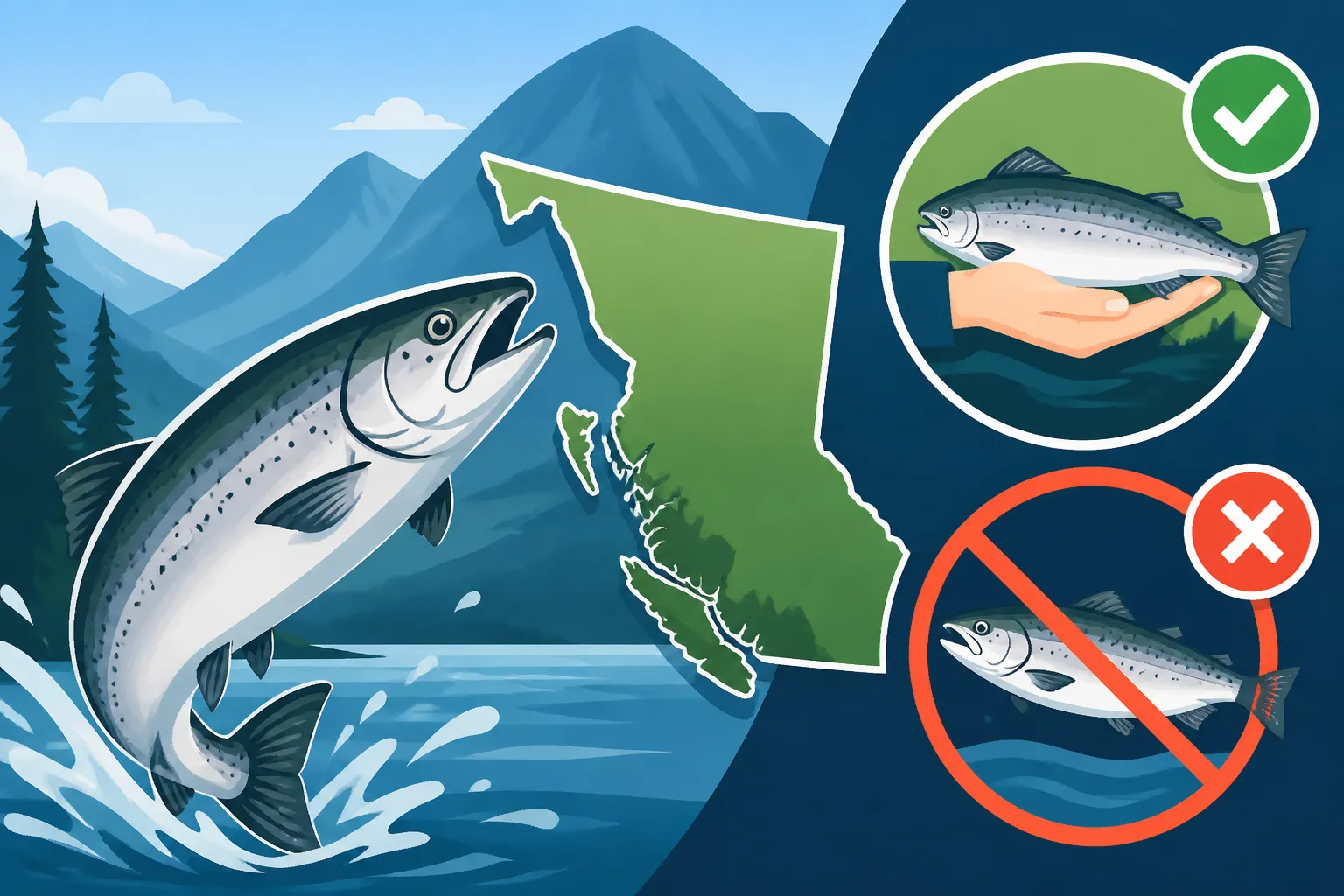
In many BC freshwater systems, regulations differentiate between these two. You might be allowed to retain one or two marked Coho per day, but all unmarked (wild) Coho must be released. This policy is a crucial conservation measure, designed to reduce pressure on wild Coho populations while allowing anglers to still enjoy fishing for hatchery-enhanced stocks. This distinction requires anglers to be able to quickly and accurately identify the presence or absence of the adipose fin, which can sometimes be tricky in low light or with a thrashing fish. Again, rules for Coho can vary significantly between rivers and even different sections of the same river, so due diligence in checking the current regulations is essential.
Sockeye Salmon Retention Rules
Sockeye salmon are perhaps the most iconic of BC's salmon, famous for their vibrant red spawning colours and their massive, cyclical runs up rivers like the Fraser. However, their retention rules are often the most volatile and subject to immediate changes due to their extreme sensitivity to environmental conditions and their vital role in the ecosystem. You'll rarely find consistent Sockeye retention rules from year to year, or even month to month.
In most years, freshwater Sockeye retention is only permitted during very specific, often short, seasonal windows when run sizes are projected to be exceptionally strong. Even then, these openings can be announced and closed with very little notice. The Fraser River, for instance, frequently has BC Fraser River Sockeye Closure Windows designed to protect these fish during critical migration periods or when run forecasts are uncertain. If there is an opening, daily limits are usually strict, typically one to two per day. It’s not uncommon for an entire season to be catch-and-release only or completely closed for Sockeye in freshwater. You absolutely must stay on top of the latest DFO Fishery Notices for any chance of retaining a Sockeye.
Pink and Chum Salmon Retention
Pink and Chum salmon are generally the most abundant Pacific salmon species in many BC river systems, and consequently, their freshwater retention rules are often more liberal than those for Chinook, Coho, or Sockeye. Pink salmon, known for their biannual "on" years (e.g., 2023, 2025, etc.), can often be retained in good numbers, typically with daily limits of two to four fish in freshwater during open seasons. They're a great target for beginners and provide plenty of action.
Chum salmon, while perhaps not as widely sought after for table fare in freshwater as other species, are powerful fighters and are also frequently available for retention. Their daily limits are often similar to Pinks, allowing for two to four fish, depending on the river and the health of the specific run. However, even with these more abundant species, it's critical to remember that localized river closures or reduced limits can still apply due to specific conservation concerns, low water conditions, or other environmental factors. Never assume an open season; always verify the current regulations for your chosen fishing spot.
Mandatory Stamps and Surcharge Requirements
Beyond your basic fishing license, anyone intending to retain salmon in British Columbia's freshwater must also acquire specific conservation stamps. These aren't just extra fees; they are direct contributions to the conservation and management of these incredible fish populations. Overlooking these stamps can turn a legal catch into an illegal one, regardless of your license status.
The Freshwater Salmon Conservation Stamp
If you are fishing for Pacific salmon in freshwater and intend to retain any, you are legally required to purchase a Freshwater Salmon Conservation Stamp. This stamp is an additional endorsement to your basic freshwater fishing license and is crucial for anyone targeting Chinook, Coho, Sockeye, Pink, or Chum for retention. The funds generated from the sale of these stamps go directly towards salmon enhancement, habitat restoration, stock assessment, and enforcement programs, playing a vital role in ensuring future salmon returns.
It’s important to understand that the stamp is species-specific; it applies only to Pacific salmon. If you're fishing for trout, bass, or other freshwater species and have no intention of keeping salmon, you don't need this particular stamp. However, if that surprise Chinook grabs your line and you decide to keep it, you'd better have that stamp affixed to your license or clearly indicated on your digital copy. You can often purchase this stamp online or from authorized vendors at the same time you buy your main license. For full details on this requirement, check out BC Freshwater Salmon Conservation Stamp Requirement.
When and Why Surcharges Apply
While the Freshwater Salmon Conservation Stamp is the primary "surcharge" for retaining salmon in freshwater, it's worth noting that other species-specific surcharges exist in BC's fishing regulations, though they typically apply more to species like Steelhead or certain trout strains, rather than directly to retaining Pacific salmon. These surcharges, like the salmon stamp, are dedicated funds for the conservation and management of those particular species.
For instance, there might be a specific Steelhead Conservation Surcharge Stamp required if you are fishing for Steelhead, even if your intention is catch-and-release. These additional fees ensure that the species receiving dedicated conservation efforts are supported by the angling community. While they don't directly govern salmon retention in the same way the Freshwater Salmon Conservation Stamp does, they underscore BC's comprehensive approach to fisheries management. Always review the full BC Fishing Regulations Explained before targeting any specific species to ensure you have all the necessary stamps and endorsements.
Practical Steps for Staying Compliant
Given the complexities, how does a responsible angler ensure they're always compliant with BC's freshwater salmon retention rules? It comes down to preparation, diligence, and equipping yourself with the right tools and information.
Checking the Current Regulations Synopsis
This is the golden rule for any angler in BC: always check the current freshwater fishing regulations synopsis. This comprehensive document is released annually (or bi-annually for tidal waters) and details all the rules and regulations for various regions, rivers, and species. You can find the Freshwater Fishing Synopsis online on the BC government's fisheries website, and many tackle shops will have paper copies available. It's often updated with in-season changes through DFO Fishery Notices.
When you consult the synopsis, pay close attention to the specific region and water body you plan to fish. Look for sections on "Pacific Salmon" or individual species like "Chinook Salmon." Crucially, look for:
- Dates: Are the seasons open for retention?
- Daily Quotas: How many can you keep per day?
- Possession Limits: How many can you have in your possession at home or in your vehicle?
- Size Restrictions: Are there minimum or maximum sizes, or slot limits?
- Gear Restrictions: Are there specific lures, baits, or hook types required or prohibited?
- Special Regulations: Are there any unique rules for that specific lake or river section?
It’s a detailed read, but every angler needs to become familiar with Reading the BC Freshwater Fishing Regulations Synopsis. Many experienced anglers even print out the relevant pages or save the PDF to their phone or tablet, so they have it accessible even without cell service. Don't rely on memory; the rules change!
Essential Gear and Practices for Retention
Once you understand the rules, having the right gear and adopting responsible practices are key to legal and ethical retention. First and foremost, if there are size limits, you absolutely need a reliable measuring device. A tape measure or a marked fishing mat (many are available on Amazon) should be part of your standard kit. Don't eyeball it; a few centimeters can be the difference between a legal catch and a fine.
Secondly, if you intend to keep fish, proper handling is paramount. Bring a cooler with ice, especially on warmer days, to ensure the fish is kept fresh. Dispatch the fish quickly and humanely. A swift blow to the head is generally recommended. Bleeding the fish immediately also improves meat quality. After dispatching, measure the fish if required, and then place it on ice. Don't let your catch sit in the sun or in a warm fish box. This isn't just about legality; it's about respecting the fish and ensuring you get the best possible eating experience. Always ensure you are within the BC Bag and Possession Limits by Species for all retained fish.
Consequences of Non-Compliance
It's tempting to think that a small oversight in fishing regulations won't matter, or that you won't get caught. But in British Columbia, fishery officers are diligent, and the consequences for non-compliance with salmon retention rules are significant, impacting both your wallet and your future angling opportunities. These aren't just minor slaps on the wrist; they reflect the serious conservation efforts behind the regulations.
Penalties for Illegally Retaining Salmon
Getting caught illegally retaining salmon in BC freshwater can lead to a range of severe penalties. At a minimum, you're looking at substantial fines. These fines can vary depending on the severity of the offence, the species involved, and whether it's a first-time offense or a repeat violation. For instance, retaining a prohibited species, an over-limit catch, or a fish outside of a slot limit can result in fines easily running into the hundreds or even thousands of dollars.
Beyond monetary penalties, fishery officers have the authority to seize your fishing gear, including rods, reels, nets, and even your boat or vehicle if it was used in the commission of a serious offense. More critically, you could face a suspension of your fishing license, meaning you would be legally prohibited from fishing in BC waters for a specified period, sometimes for several years. Imagine missing out on prime fishing seasons because of a careless mistake! For a clear understanding of the risks, reviewing Fishing Without a License in BC: Penalties can give you a sobering perspective on the importance of compliance. These aren't just rules; they're laws designed to protect a precious resource.
Ethical Angling and Conservation
Beyond the legal ramifications, there's a broader, more profound consequence to non-compliance: the damage to the conservation efforts that every responsible angler supports. When regulations are flaunted, it undermines the collective effort to manage and protect salmon stocks for future generations. Every illegally retained fish, especially those from sensitive runs, can have a ripple effect on spawning populations and the overall health of the ecosystem.
Ethical angling isn't just about following the rules; it's about embodying a mindset of stewardship. It means making conservative choices, releasing fish carefully, minimizing your impact on the environment, and actively participating in the conservation of our fisheries. The DFO and provincial fisheries branches rely on accurate data and angler compliance to make their management decisions. When anglers disregard the rules, it complicates their work and can lead to more restrictive regulations for everyone. Ultimately, by understanding and respecting BC's freshwater salmon retention rules, you're not just avoiding a fine; you're contributing to the sustainability of one of the world's most incredible natural treasures. Even if you don't always agree with a particular regulation, adhering to it is crucial for the bigger picture.
Freshwater Salmon Retention Limits Overview (Always Check Current Synopsis)
To give you a general idea, here's a table outlining common freshwater salmon retention limits in British Columbia. Please remember, these are generalized examples and highly subject to change. Always consult the most current BC Freshwater Fishing Regulations Synopsis and DFO Fishery Notices before fishing.
| Salmon Species | Typical Daily Limit (Freshwater) | Common Size Restrictions | Adipose Fin Requirement | Additional Notes |
|---|---|---|---|---|
| Chinook | 0-1 per day | Often slot limits (e.g., 50-80cm), or minimum size | N/A | Highly variable, frequent non-retention periods/areas. |
| Coho | 1-2 per day | N/A or specific minimum | Often "marked only" (adipose clipped) | Wild (unmarked) Coho often must be released. |
| Sockeye | 0-2 per day | N/A | N/A | Highly season-dependent; often catch-and-release or closed. Check notices daily. |
| Pink | 2-4 per day | N/A | N/A | Generally more liberal, but localized closures can occur. |
| Chum | 2-4 per day | N/A | N/A | Generally more liberal, but localized closures can occur. |
Important Note: Possession limits are typically twice the daily limit, but this can vary. Always confirm for your specific area.
Disclaimer
The information provided in this guide is for general informational purposes only and is not intended as legal advice. Fishing regulations in British Columbia are complex, subject to frequent change, and highly localized. It is the individual angler's sole responsibility to consult and adhere to the most current British Columbia Freshwater Fishing Regulations Synopsis and all applicable DFO Fishery Notices before engaging in any fishing activity. Non-compliance can result in significant penalties.