When steelhead runs peak on the Skeena River
If you're dreaming of tangling with one of British Columbia's most revered game fish, the steelhead, then the Skeena River system is likely at the top of your list. But one of the biggest questions I hear from fellow anglers, often tinged with a bit of hopeful anticipation, is "When do those steelhead runs really hit their stride on the Skeena?" It's a fantastic question, because timing your trip just right can make all the difference between an unforgettable experience and a long week of just casting. This guide is going to walk you through the nuances of when the Skeena's legendary steelhead runs truly peak, helping you understand the seasonal rhythms and factors that influence these magnificent fish.
Understanding Skeena Steelhead Runs
The Skeena River, often called "The River of Dreams," is truly a jewel for anglers, renowned worldwide for its incredible steelhead runs. But unlike some fisheries where fish arrive with clockwork precision, the Skeena's steelhead are a bit more complex, influenced by a blend of their life cycle, environmental cues, and the sheer vastness of the river system itself. Understanding these basics is your first step to planning a successful trip.
The Life Cycle and Migration of Steelhead
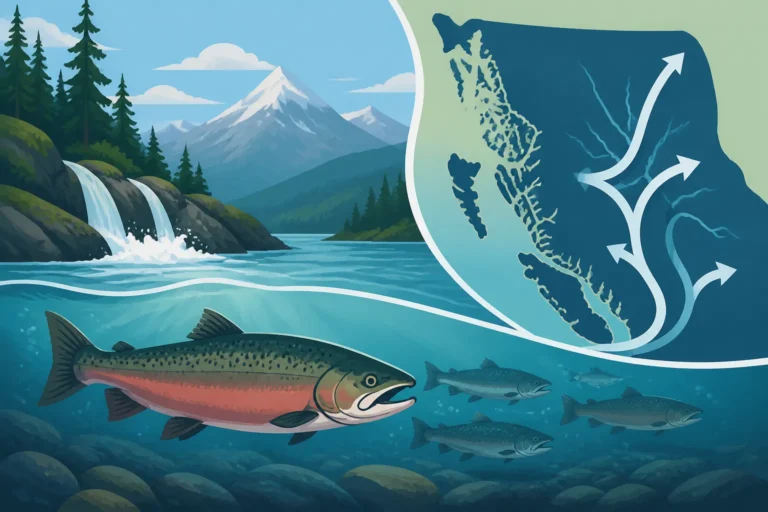
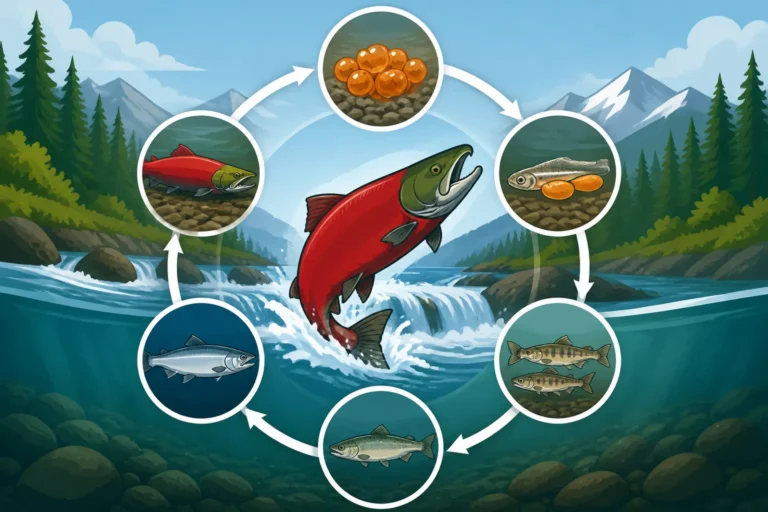
Steelhead are incredible creatures, members of the rainbow trout family, but with an anadromous twist – meaning they spend part of their lives in the ocean before returning to freshwater to spawn. On the Skeena, these journeys are epic. After years growing large and strong in the Pacific, they begin their arduous migration upstream, driven by an instinct older than time itself. They navigate hundreds of kilometers of powerful currents, eventually reaching the gravel beds of the mainstem Skeena or its many tributaries like the Bulkley, Kispiox, or Babine rivers.
This migration isn't a single, unified wave. Rather, it's a continuous influx of fish, with different genetic strains and individual fish making their journey at different times. Some might push hard and fast, while others take a more leisurely approach, staging in deeper pools before moving further upstream. This extended migration is why the "peak" can feel elusive; it's less a single point and more a prolonged period where fish numbers are at their highest and most accessible. If you're keen to learn more about these fascinating fish, I've got a great piece on Steelhead Runs on BC's North Coast Rivers that dives even deeper.
Factors Influencing Run Timing
The exact timing and intensity of a steelhead run on the Skeena are never precisely the same year to year. It's a dance with Mother Nature, with several key factors calling the tune. Water levels and temperature are probably the biggest players. When river levels are too low, fish might hold in the lower river or in the mainstem, waiting for a freshet (a sudden increase in flow, often from rain or snowmelt) to encourage them to push upstream. Too high, and the river becomes a raging torrent, making travel difficult and fishing almost impossible.
Temperature plays an equally vital role. Steelhead prefer specific water temperatures for their migration – usually cooler water. If the ocean or river temperatures are unusually warm, it can delay their entry or slow their progress. Conversely, a sudden cold snap can also put the brakes on their movement. Think about it from the fish's perspective: they're trying to conserve energy for spawning. Optimal conditions mean less stress. Anglers often keep a close eye on weather patterns leading up to and during the season, and you can find a lot of helpful information about this in articles like BC Fishing Seasons by Month which outlines general trends across the province.
Peak Steelhead Seasons on the Skeena River
The Skeena River effectively has two distinct steelhead runs that anglers eagerly anticipate: the iconic spring run and the more challenging, but incredibly rewarding, fall run. Each offers a unique experience, with different fish characteristics, weather, and fishing conditions.
The Iconic Spring Steelhead Run
Ah, the spring steelhead run! For many, this is the Holy Grail of BC fishing. These are often "winter-run" steelhead that have spent the colder months in the lower Skeena or its major tributaries, waiting for the increasing daylight and warmer temperatures of spring to trigger their final push to the spawning grounds. The peak for these chrome beauties typically occurs from late March through May.
During this window, you're looking for fish that are incredibly strong and vibrant, having just recently entered the system or having held over winter in prime condition. The river conditions are often challenging, with snowmelt contributing to higher, colder water, but it's precisely these conditions that bring the fish in. Anglers often target these fish using float fishing, spey casting, or drift fishing techniques. The sheer power of a fresh Skeena spring steelhead on the end of your line is something you'll never forget. Many experienced anglers will attest that these fish, fresh from the ocean, are some of the hardest fighting. When temperatures are just right, and the river is running clear, you'll find them in classic holding lies, resting between rapids, eager to snap at a well-presented fly or bait.
The Challenging but Rewarding Fall Steelhead Run
While the spring run gets a lot of attention, the fall steelhead run on the Skeena offers an entirely different, equally thrilling experience. These are fish that enter the river much earlier, sometimes as early as July, but their peak numbers and active fishing periods are generally from September through November.
What makes the fall run unique? For starters, the fish have been in freshwater for a longer period, often taking on beautiful coloration, ranging from subtle grey-greens to deep, rusty reds as they approach spawning. The weather can be stunning, with crisp autumn days and vibrant fall foliage, but it can also turn quickly, bringing rain and cold. Best Steelhead Rivers in BC often highlight the Skeena during this time for good reason. The fishing can be phenomenal, but also notoriously fickle. These fish have seen a lot of flies and lures, and they can be more selective, requiring stealth, precise presentations, and sometimes a bit of luck. However, when you connect with a fall-run Skeena steelhead, often a larger, more mature fish, the fight is legendary. They are often less acrobatic than their spring counterparts but use the river's current to their full advantage, making for a truly grueling and memorable battle. This is also a time when you might find a mix of anadromous fish, as various salmon species are also in the river, providing diverse angling opportunities.
| Season | Typical Peak Period | Steelhead Characteristics | Typical Water Conditions | Fishing Challenges |
|---|---|---|---|---|
| Spring | Late March – May | Fresh, bright, very aggressive, strong | Higher, colder water from snowmelt; can be murky | Reading water, managing heavy current, specific gear for cold/high water |
| Fall | September – November | More colored, can be larger, more selective | Variable: can be clear and low, or rising with rain | Stealth, precise presentations, unpredictable weather shifts |
Navigating Fluctuations and Local Knowledge
While we can talk about "peak" seasons, the reality on the ground can shift due to a myriad of environmental factors. Being prepared for these fluctuations and knowing how to access up-to-date information is crucial for any angler heading to the Skeena.
How Weather and Water Conditions Affect Peaks
I mentioned it earlier, but it bears repeating: weather and water conditions are everything when it comes to steelhead. A prolonged drought can mean lower-than-average water levels, causing fish to hold in deeper, cooler sections or simply delay their migration further upriver. Conversely, heavy, sustained rainfall can blow out rivers, making them high and unfishable for days or even weeks. This isn't just an inconvenience; it can truly postpone what you thought would be the peak. I've had trips where the river was perfect one day, and unfishable the next due to a surprise rainstorm. It's just part of the game when you're fishing wild rivers.
This variability is why relying solely on historical "peak" dates can sometimes lead to disappointment. Instead, consider these dates as general guidelines. Smart anglers keep an eye on long-range forecasts, snowpack reports, and real-time river flow data. A great resource for tracking the actual conditions on the Skeena and its tributaries is often available through government hydrological services, which provide real-time water level and temperature readings. Checking these resources before and during your trip is just as important as packing your favorite fly rod.
The Importance of Fishery Notices and Local Guides
Given the dynamic nature of steelhead runs, the best source of up-to-date information will always be official fishery notices and, perhaps most importantly, local knowledge. British Columbia's fisheries management bodies regularly issue notices regarding openings, closures, and specific regulations that can change in-season due to conservation concerns or unexpected run strength. These are non-negotiable and must be adhered to. Ignoring them could mean hefty fines or worse, impacting the very resource you came to enjoy. You'll find a lot of essential reading in our BC Fishing Regulations Explained guide.
Beyond official notices, there is no substitute for the wisdom of local guides and fly shops. These folks are on the water daily, seeing the conditions firsthand, talking to other anglers, and tracking fish movements. A good guide isn't just there to put you on fish; they're an invaluable source of real-time intelligence. They know which specific pools are holding fish, what flies are working, and how the river is reacting to recent weather. If you're considering a guided trip, reading up on Best Steelhead Guides in BC can help you choose the right outfit. Even if you're fishing unguided, popping into a local tackle shop in Terrace, Kitimat, or Smithers for a chat can provide insights that no online report can match. Many of them also have their fingers on the pulse of what gear is performing best in current conditions, and you can often pick up specialized items that are hard to find elsewhere, though a quick browse on Amazon can also help you gather essentials like specialized waders or high-quality rain jackets before you even leave home.
Gear Up for Your Skeena Steelhead Adventure
Fishing the Skeena, especially for steelhead, isn't just about timing; it's also about being properly equipped. The conditions can be challenging, and the fish are powerful, so your gear needs to be up to the task.
Essential Rods, Reels, and Lines
For steelhead on the Skeena, your rod and reel setup is paramount. For spey casting, which is incredibly popular on these wide rivers, a 13-foot to 15-foot two-handed rod, typically in a 7 to 9-weight, is standard. This provides the power and reach needed to cover vast amounts of water and handle big fish in strong currents. For single-handed rods, common for nymphing or indicator fishing, a 9-foot to 10-foot, 8 or 9-weight rod with a strong backbone is usually preferred. Your reel should be robust, with a smooth, reliable drag system and ample backing capacity. These fish make powerful runs, and you don't want your reel to fail when the steelhead of a lifetime is on the line.
Line choice is equally critical. For spey setups, Skagit or Scandi heads, often with interchangeable tips of various sink rates, allow you to adapt to different water depths and current speeds. For single-handed setups, weight-forward floating lines are common, but you'll also want sink-tip lines or even full sinking lines for certain conditions or techniques like swinging streamers. Don't skimp on quality here; a cheap line can ruin your casting and presentation. If you're just starting to build your steelhead arsenal, looking for reputable brands and reading reviews on Amazon can give you a good idea of what's available and what other anglers recommend for similar conditions.
Clothing and Accessories for Variable Conditions
Beyond your rod and reel, what you wear and what you carry in your pack can make or break your comfort and safety on the Skeena. British Columbia weather, especially in the Skeena region, is famously unpredictable. You can experience sun, rain, and even snow all in the same day. Layering is key: start with moisture-wicking base layers, add insulating mid-layers (fleece or synthetic down), and top it off with a waterproof and breathable outer shell. Don't forget waterproof waders and wading boots with good grip; you'll be spending a lot of time in and around cold water. I've got a fantastic article on Wading Techniques for BC Steelhead Rivers that covers safety as well.
Accessories like a good quality fishing vest or pack to hold your flies, leaders, tools, and a first-aid kit are essential. Polarized sunglasses are non-negotiable for spotting fish and protecting your eyes. A warm hat, gloves, and a reliable headlamp are also must-haves, especially during the colder shoulder seasons. And don't forget your camera to capture those incredible moments! Many anglers find excellent deals and a vast selection of these essential items by browsing online, perhaps even through a platform like Amazon, to ensure they're fully prepared for whatever the Skeena throws their way. Being well-prepared means you can focus on the fishing, not on being cold, wet, or uncomfortable.
Remember, the Skeena is a wild river, and while the "peak" of a steelhead run offers the best chance at success, every day on the water, regardless of the fish count, is an adventure in itself. Enjoy the journey, respect the fish and the river, and may your lines be tight!
Disclaimer
This article is for general informational purposes only and does not constitute professional advice. Laws, prices and regulations vary by location and change over time. Consult a qualified professional for guidance on your specific situation.