BC Youth Fishing License Exemption Under 16
One of the most common questions new anglers or parents often have in British Columbia is whether their children need a fishing license. The thought of navigating complex regulations for a simple day out with the kids can be daunting, but thankfully, BC has a fantastic exemption for young anglers that makes getting started much easier. This guide will clarify the specific age requirements, what "exempt" truly means, and what responsibilities still fall on parents or guardians when taking kids fishing in our beautiful province.
The Basics of Youth Fishing Exemptions in BC
It's a wonderful thing to introduce children to the joys of fishing – the quiet patience, the excitement of a bite, and the connection with nature. British Columbia actively encourages this by providing specific exemptions for younger anglers, removing one significant barrier for families wanting to get out on the water. However, "exemption" doesn't mean a complete free pass, and there are crucial details to understand.
Who Qualifies as "Under 16"?
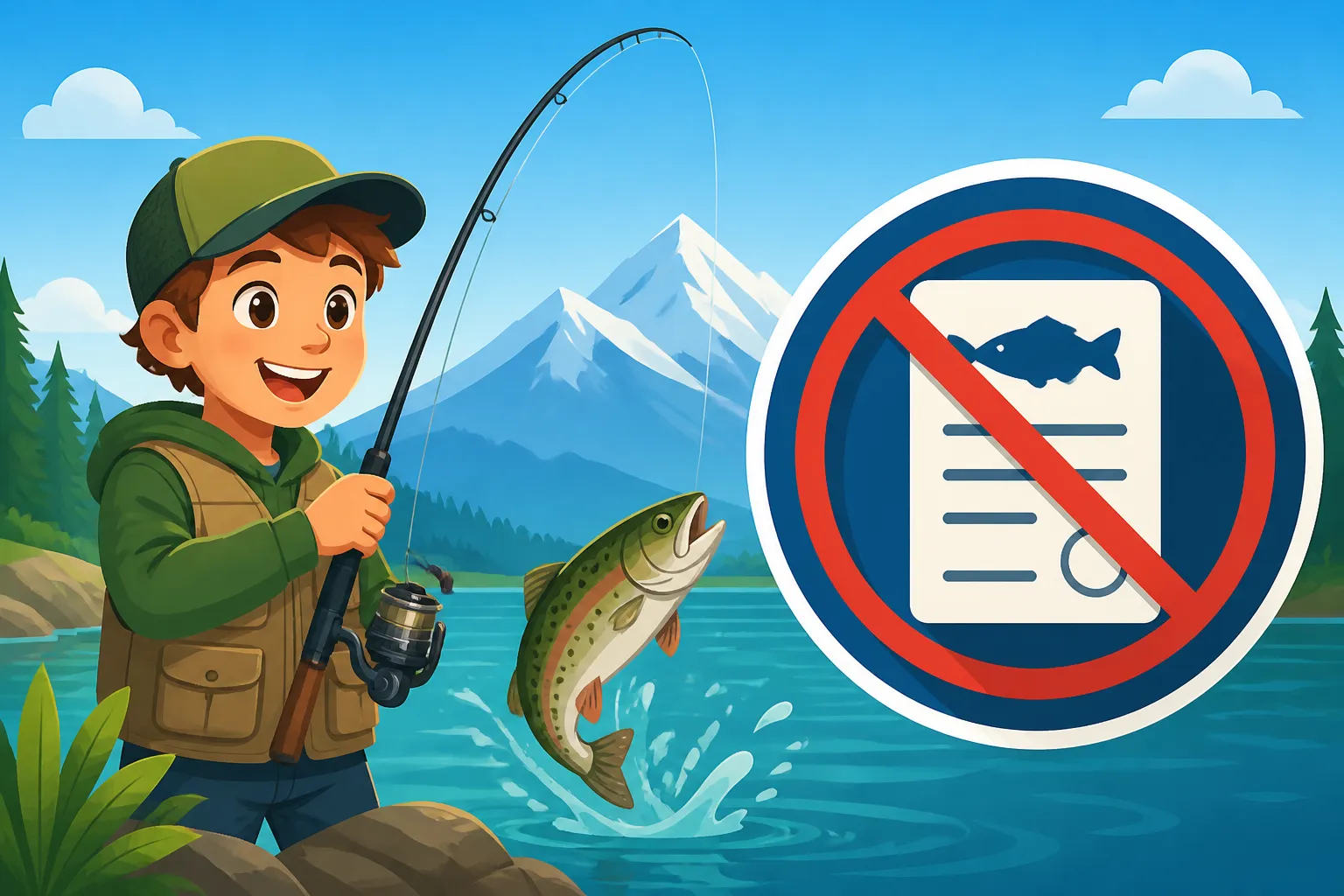
In British Columbia, the general rule is quite straightforward: any individual who has not yet reached their 16th birthday is exempt from requiring a basic freshwater fishing license. This means if your child is 15 years old, they do not need to purchase a license to fish in freshwater lakes and rivers across the province. The clock starts ticking on their 16th birthday, at which point they are considered an adult angler and must purchase the appropriate BC Freshwater Fishing License. This age cutoff applies universally across BC for freshwater fishing, making it simple for parents to know where their kids stand. It’s designed to foster a love for the outdoors from a young age without the initial financial and bureaucratic hurdle of license acquisition.
What Does "Exempt" Really Mean?
When we say "exempt," it means the primary financial and administrative burden of purchasing a basic license is lifted for those under 16. They don't need to carry a physical or digital license document for freshwater fishing. This is a huge relief for many families, especially those new to fishing or just trying it out. However, "exempt" does not mean exempt from all the rules. It's vital to understand that while they might not need the paper, they are still absolutely bound by all other provincial and federal fishing regulations. This includes respecting catch limits, understanding specific gear restrictions, adhering to season dates, and recognizing protected species or areas. Think of it like a driver's learner's permit: you can drive, but you still need to follow all traffic laws and have supervision. For children, the responsibility for ensuring compliance rests heavily on the accompanying adult, who must hold a valid license themselves if they are also fishing. For a deeper dive, check out our guide on whether Do Kids Need a Fishing License in BC?.
Understanding Freshwater vs. Tidal Waters Rules for Youth
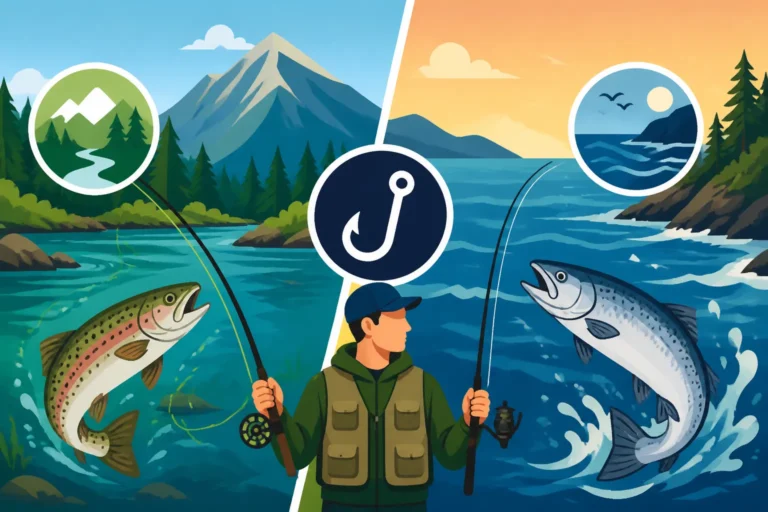
British Columbia is unique in that it offers both incredible freshwater and tidal (saltwater) fishing opportunities. While the exemption for youth is broad, it’s important to distinguish how these rules apply differently between these two distinct fishing environments. Many an outing has been complicated by not knowing the subtle but significant differences.
Freshwater Fishing Without a License for Kids
For those casting lines in BC's myriad lakes, rivers, and streams, the under-16 exemption is quite generous. Children can fish in any freshwater body that is open for angling without needing a basic freshwater fishing license. This applies whether you're targeting rainbow trout in an Okanagan lake, chasing kokanee in the Kootenays, or trying for Dolly Varden in a northern river. This simplified approach is a huge boon for family outings, allowing spontaneous trips without the need for pre-purchase paperwork.
However, there are still critical nuances. While the basic license is exempt, certain special regulations or species require additional stamps, even for youth. For example, if your child plans to retain salmon caught in freshwater (where permitted), they will need a Freshwater Salmon Conservation Stamp. This isn't part of the basic license fee but an add-on dedicated to conservation efforts. Similarly, if they are targeting or retaining steelhead in designated waters, a BC Steelhead Conservation Surcharge Stamp might be required. It’s crucial to consult the annual Freshwater Fishing Regulations Synopsis or our detailed article on BC Freshwater vs Tidal Waters License, Explained to ensure full compliance. The exemption is for the general license, not necessarily for all associated conservation fees or species-specific requirements.
Tidal Waters (Saltwater) Requirements for Young Anglers
This is where the rules diverge significantly from freshwater. While children under 16 don't need a basic license for freshwater, the federal regulations governing tidal (saltwater) fishing are different. For anyone, regardless of age, wishing to fish in BC's saltwaters – think salmon fishing off Vancouver Island, halibut jigging near Tofino, or crabbing in the Strait of Georgia – a Tidal Waters Sport Fishing License is required.
The good news is that for youth under 16, this tidal waters license is free. However, it is not an exemption from the requirement to have the license. Parents or guardians must still obtain this free license for their child before they go saltwater fishing. This process is usually quick and can be done online through the National Recreational Fisheries Licensing System. While the cost is zero, the act of obtaining and possessing the license is mandatory. This allows Fisheries and Oceans Canada (DFO) to track angler participation and gather valuable data for managing marine species. Furthermore, just like in freshwater, if a child plans to retain salmon from tidal waters, they must also acquire a Tidal Waters Salmon Conservation Stamp, which comes with a fee, regardless of their age. The fee for this stamp goes directly to vital salmon conservation and enhancement programs. So, for saltwater, remember: free license, but still required, and conservation stamps might still apply. You can learn more about this specific requirement in our post about the BC juvenile tidal license registration requirement.
Important Exceptions and What Kids Still Need to Observe
It's easy to hear "under 16, no license needed" and assume a free-for-all. But as we've touched on, that's not the case. The exemption primarily covers the basic license fee, not the entire regulatory framework. Parents and guardians play a pivotal role in ensuring that young anglers understand and adhere to the broader rules designed to protect our precious fish stocks.
The Role of Conservation Stamps for Salmon and Steelhead
Even though a child under 16 may not need to pay for a basic freshwater license, or will get their basic tidal license for free, the story changes when it comes to specific, highly managed species like salmon and steelhead. These iconic fish are often the target of many anglers, and their conservation is paramount.
If your child intends to fish for salmon in either freshwater or tidal waters, and especially if they plan to retain any salmon, they will need the appropriate Salmon Conservation Stamp. For freshwater, it's the Freshwater Salmon Conservation Stamp; for tidal waters, it's the Tidal Waters Salmon Conservation Stamp. These stamps come with a cost, and that cost applies regardless of age. These funds are vital for programs that support salmon habitat restoration, stock assessment, and enhancement projects across the province. Similarly, for steelhead, particularly in specific designated rivers, a BC Steelhead Conservation Surcharge Stamp may be mandatory if retention is permitted (which is rare for wild steelhead). It's always best practice to check the current regulations for the specific body of water you're fishing. Failing to have these stamps when required can lead to fines, even if the basic license is covered by the age exemption.
Abiding by Bag Limits and Fishery Notices
This is arguably the most critical aspect for young anglers and their supervising adults. While the license itself might be exempt, every single bag limit, size restriction, and possession limit applies to children just as it does to adults. If the daily limit for rainbow trout in a particular lake is two fish, your 12-year-old is allowed to keep two fish, no more. If the minimum size for a specific species is 30 cm, a fish smaller than that must be immediately released, even if caught by a child.
Furthermore, British Columbia is incredibly proactive with its fisheries management, issuing Fishery Notices frequently to address changing stock levels, environmental conditions, or conservation concerns. These notices can announce sudden closures, open new areas, change bag limits, or introduce gear restrictions. For instance, the Fraser River often has specific windows for sockeye salmon closures or non-retention periods for Chinook. These notices apply to everyone, including youth. It is the responsibility of the accompanying adult to check these notices before every fishing trip. Ignorance of the rules is not an excuse for anyone, especially when it comes to vital conservation measures. The latest information can be found on the DFO website or by consulting our resource on BC Fishery Notices and In-Season Closures, Explained. Failing to adhere to bag limits or fishing in a closed area can result in significant penalties, including fines and gear seizure, regardless of the angler's age.
Adult Supervision and Responsibility
Let's be real: children are still learning, and fishing regulations can be complex even for seasoned adults. This is precisely why the role of the supervising adult is so paramount when a child is fishing under the exemption. The adult who is accompanying the child (and ideally, also fishing with a valid license) is ultimately responsible for ensuring the child's compliance with all fishing regulations.
This means:
- Education: Teaching the child about appropriate catch and release techniques, how to identify different species, and why limits exist.
- Guidance: Actively monitoring the child's fishing, helping them identify their catch, and ensuring they are releasing undersized or prohibited fish correctly.
- Knowledge: The adult must be fully informed about the specific regulations for the water body being fished, including all species-specific rules, gear restrictions, and any recent fishery notices. Our guide on Reading the BC Freshwater Fishing Regulations Synopsis can be an invaluable tool.
- Accountability: In the event of an infraction (e.g., exceeding a bag limit, fishing in a closed area), the accompanying adult can be held legally responsible. This is not a trivial matter; fisheries officers take conservation seriously.
It's a shared adventure, but the adult carries the weight of responsibility for ensuring ethical and legal angling practices. This approach not only protects fish stocks but also instills a strong sense of conservation and responsible angling in the next generation.
The Benefits of Getting a Youth Registration, Even If Not Required
While the under-16 exemption offers a great entry point, there are compelling reasons why parents might still consider obtaining a free youth registration for their child, especially for tidal waters where it’s required anyway. Beyond mere compliance, these registrations offer valuable educational and developmental benefits.
Tracking Catch and Contributing to Conservation Data
For tidal waters, as mentioned, the free youth license is mandatory. This act of registration, even without a fee, is crucial for fisheries management. It allows DFO to track how many young people are participating in saltwater fishing and, through catch reporting (even for zero-cost licenses), helps estimate recreational fishing pressure and success rates. This data is invaluable for making informed decisions about stock assessment and setting sustainable quotas.
Even for freshwater, while not strictly required for a basic license, sometimes there are youth-specific initiatives or voluntary registration programs. By participating, even if it's just for a free tidal license, children and their families contribute directly to the overall understanding of fish populations. It teaches kids that their actions, even catching a few small fish, are part of a larger ecological picture. It shows them that fishing isn't just about catching fish, but about being part of a community that values and protects resources.
Educational Value and Understanding Regulations Early
Navigating the licensing process, even if it's just the free online registration for tidal waters, offers an invaluable educational experience for children. It introduces them to the concept of regulations, permits, and conservation from a young age. They learn that fishing is a privilege, not a right, and that responsible angling comes with responsibilities.
Parents can use this opportunity to walk their child through the online portal, explaining why certain questions are asked, why conservation stamps exist, and how the money from these stamps helps fish populations. This hands-on experience, even if just for a free license, fosters a deeper understanding of the importance of sustainable fishing practices far more effectively than simply handing them a rod. It demystifies the bureaucratic side of fishing and shows them how they are directly connected to the health of the environment. Imagine ordering something useful like a new fishing reel or a tackle box from Amazon; the process of ordering a license can be an equally practical lesson in responsibility.
Preparing for Future Licensed Fishing
Let's face it, that 16th birthday will arrive faster than you think! By having your child engage with the licensing process early (even for free permits), you're setting them up for a smooth transition into full adult licensure. They'll already be familiar with the concepts of licenses, stamps, bag limits, and the general process of acquiring the necessary permits.
This eliminates the potential shock or confusion when they suddenly do need to pay for a full license and additional stamps. It reinforces the idea that obtaining a license is a normal and necessary part of fishing responsibly. This early exposure can make them more confident and proactive anglers in the long run, ensuring they remain compliant and continue to enjoy fishing throughout their lives. It's about building good habits and respect for the resource that will serve them well into adulthood.
| Age Group | Freshwater Basic License | Freshwater Salmon Stamp | Freshwater Steelhead Stamp | Tidal Waters Basic License | Tidal Waters Salmon Stamp |
|---|---|---|---|---|---|
| Under 16 | EXEMPT | Required if retaining salmon (paid) | Required if retaining steelhead (paid) | REQUIRED (free) | Required if retaining salmon (paid) |
| 16+ | Required (paid) | Required if retaining salmon (paid) | Required if retaining steelhead (paid) | Required (paid) | Required if retaining salmon (paid) |
Common Misconceptions and How to Avoid Penalties
Navigating fishing regulations can be tricky, and even with the best intentions, misconceptions can lead to unintentional violations. For youth anglers and their supervising adults, understanding these potential pitfalls is key to a smooth and enjoyable fishing experience in BC. Nobody wants their day on the water ruined by a run-in with a fisheries officer, especially when it could have been avoided.
The Myth of "Free for All" Fishing
Perhaps the biggest misconception regarding the youth exemption is that "no license means no rules." This couldn't be further from the truth. As we've emphasized, the exemption only applies to the basic license requirement for freshwater or the cost of the basic license for tidal waters. All other regulations, without exception, apply to anglers of all ages.
This includes:
- Daily and Possession Limits: A child cannot keep more fish than the daily limit allows, nor can the total number of fish in their possession (at home or in coolers) exceed the possession limit. This is a common pitfall, especially if multiple children are fishing and each keeps a full limit. The total catch must still adhere to the cumulative limits for the group, often defaulting to the limits of the licensed adult. Our guide on BC Bag and Possession Limits by Species is a must-read.
- Size Restrictions: Many species have minimum or maximum size limits. An undersized fish, even if perfectly hooked, must be released immediately and unharmed.
- Gear Restrictions: Certain waters may have restrictions on bait, hook types (e.g., single barbless), or methods (e.g., fly-fishing only). These apply to everyone.
- Season Closures: Specific areas or species may be closed to fishing during certain times of the year. Fishing during a closure is a serious offense.
- Protected Species: Catching certain protected species, like Fraser River White Sturgeon, comes with strict catch-and-release requirements and specific handling rules.
The "free for all" mentality not only endangers fish stocks but can also put the supervising adult at risk of significant penalties.
What Happens if a Child Exceeds Limits or Targets Prohibited Species?
When a child fishing under the exemption commits an infraction, the legal responsibility almost always falls on the accompanying adult or guardian. This means that if your 10-year-old keeps an extra fish over the limit, or accidentally fishes in a closed area, you as the supervising adult are likely to receive the ticket or face the consequences.
The penalties for fisheries violations in BC can be severe, including:
- Fines: These can range from hundreds to thousands of dollars, depending on the severity and type of offense.
- Seizure of Gear: Rods, reels, tackle boxes, and even boats can be seized.
- Loss of Future Fishing Privileges: Anglers, and potentially their supervised youth, could lose the right to fish for a period.
- Criminal Charges: For very serious offenses, criminal charges are possible.
For example, imagine a family outing targeting kokanee. Your child excitedly catches a few, and you, caught up in the moment, don't realize they've kept one over the limit for the day. A fisheries officer checks your cooler and finds the extra fish. Even if the child caught it, the licensed adult (you) would be held accountable. This isn't just about financial penalties; it's about the integrity of our conservation efforts. To avoid these difficult situations, always err on the side of caution, regularly consult the regulations, and teach your children strict adherence to the rules. Don't let a misunderstanding turn a fun family trip into a costly legal issue. Our article on Fishing Without a License in BC: Penalties provides a sobering look at the potential consequences.
Practical Tips for Taking Kids Fishing in BC
Getting kids into fishing is one of the most rewarding experiences, but it requires a bit of planning to ensure it’s fun, safe, and compliant. After all, a positive first impression can turn a curious child into a lifelong angler.
Gear Essentials for Young Anglers
You don't need to break the bank to get a child started in fishing, but having the right basic gear can make a world of difference in their enjoyment and success. Simplicity and durability are key.
- Rods and Reels: Opt for a simple, pre-spooled spincast combo. Brands like Ugly Stik or Shakespeare often make durable, easy-to-use kids' combos. The push-button reel system is intuitive and minimizes tangles, which can quickly frustrate a young angler. A rod length between 4 and 5 feet is usually perfect for small hands. You can find excellent starter kits on Amazon that include a rod, reel, and basic tackle.
- Line: Stick with monofilament line in the 6-10 lb test range. It's forgiving for beginners and strong enough for most freshwater fish kids will target.
- Hooks: Use small, barbless hooks (size 8-12) for trout or kokanee. Barbless hooks are mandatory in many BC waters and make catch-and-release much easier and safer for the fish. Always carry extra hooks, as they inevitably get snagged.
- Sinkers and Floats: A few split shot sinkers and small bobbers are essential. A bobber that goes under is often the most exciting part for a child! Again, simple clip-on bobbers are best.
- Bait: Worms are almost always a winner! They're easy to use, irresistible to many fish, and kids love handling them. PowerBait, corn, or small pieces of shrimp can also be effective, depending on the target species.
- Accessories: Don't forget a small pair of pliers or a hook remover, a net (small, soft mesh is best for catch and release), a ruler or tape measure to check fish size against limits, and a cooler for any fish you plan to keep. And, of course, a life jacket for any time near or on the water!
- Comfort: Beyond fishing gear, remember to pack snacks, drinks, sunscreen, bug spray, and appropriate clothing. A comfy fishing chair or blanket can also make a long wait more pleasant.
Finding Family-Friendly Fishing Spots
British Columbia is brimming with incredible fishing opportunities, but not all spots are ideal for kids. Look for locations that offer safety, easy access, and a good chance of catching something, even if it's small.
- Stocked Lakes: The Freshwater Fisheries Society of BC regularly stocks many lakes across the province with rainbow trout, often in easily accessible parks. These lakes are typically well-marked, often have docks or easy shore access, and offer a high probability of success for kids. A quick search on their website can reveal List of BC stocked trout lakes near you.
- Calm Ponds or Slow-Moving Rivers: Avoid fast currents or steep, slippery banks. Calm ponds, designated fishing piers, or wide, gentle sections of rivers are much safer. Many municipal or provincial parks offer such access. For example, some areas around the Lower Mainland offer excellent opportunities for Best family-friendly fishing spots in BC with easy access.
- Good Amenities: Spots with restrooms, picnic areas, and perhaps even playgrounds can extend the enjoyment of the trip, especially for younger children with shorter attention spans.
- Local Knowledge: Don't hesitate to ask staff at local tackle shops or community recreation centers for their recommendations on kid-friendly spots. They often know the hidden gems or newly stocked areas.
- Charters for a Special Treat: For saltwater or sturgeon fishing, consider a family-friendly charter. While more expensive, guides often know the best spots to ensure success and handle all the complex regulations, gear, and safety aspects. You might look into options for Best Family-Friendly Fishing Charters in BC. It’s a fantastic way to experience more challenging fishing with expert supervision.
Remember, the goal is to create positive memories. Even if the fish aren't biting, the experience of being outdoors, learning about nature, and spending time together is what truly matters.
Disclaimer
The information provided in this guide is for general informational purposes only and is not intended as legal advice. Fishing regulations in British Columbia can change frequently. It is the sole responsibility of each angler to consult the most current BC Freshwater Fishing Regulations Synopsis and Fisheries and Oceans Canada (DFO) Pacific Region Sport Fishing Regulations and Fishery Notices before engaging in any fishing activity. Non-compliance with regulations can result in significant penalties.