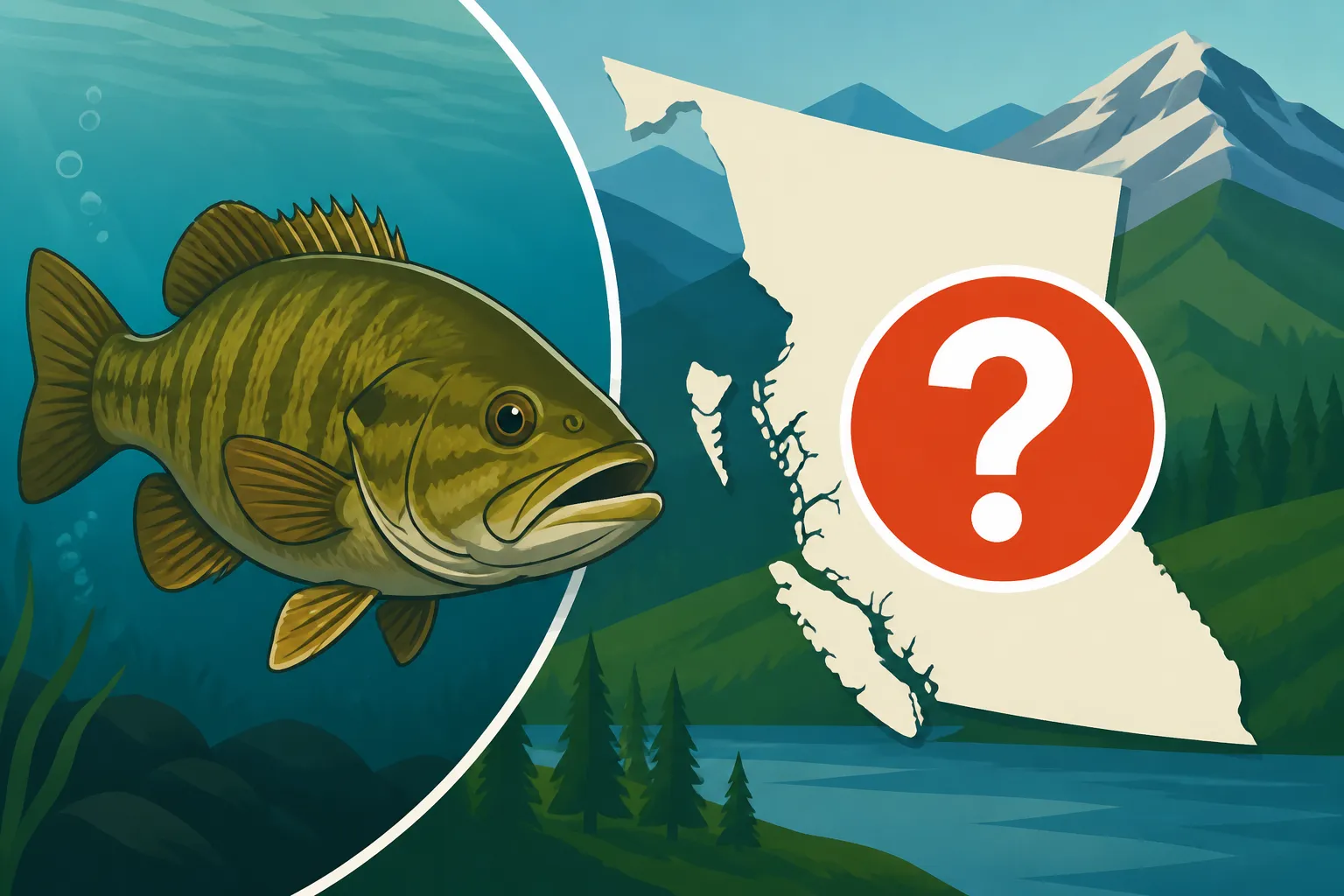
Are Smallmouth Bass Invasive in BC?
It's a frustrating reality for many anglers and conservationists in British Columbia to see non-native species establishing themselves in our precious waterways. The question of whether smallmouth bass are considered invasive in BC isn't just a technicality; it strikes at the heart of our delicate aquatic ecosystems and raises concerns about the future of our native fish populations. This guide dives deep into the status of smallmouth bass in British Columbia, their ecological footprint, where they're typically found, and what we, as responsible anglers, can do to help manage their presence.
The Truth About Smallmouth Bass in BC Waters: Are They Invasive?
Let's get straight to it: Yes, smallmouth bass are generally considered an invasive species in British Columbia. While they might be a popular sport fish in other parts of North America, their introduction to BC waters has been a significant concern for fisheries managers and environmental scientists for decades. They are not native to this province, and their presence can, and often does, disrupt the natural balance of the lakes and rivers they inhabit. This isn't about villainizing a species; it's about understanding the complex ecological dynamics at play when a non-native predator enters an established ecosystem.
Defining "Invasive" in the BC Context
When we talk about an "invasive species" in BC, we're referring to any species that is not native to the province and whose introduction causes or is likely to cause harm to the environment, economy, or human health. Smallmouth bass fit this definition primarily due to their predatory nature and their ability to outcompete native species for food and habitat. Unlike some non-native species that might coexist without major issues, smallmouth bass have a track record of negatively impacting populations of native fish, including salmonids like rainbow trout and kokanee. Their aggressive feeding habits can significantly alter food webs, especially in smaller, more sensitive lakes and streams.
The provincial government and various conservation groups keep a close eye on these populations. The intent behind classifying a species as invasive is not to eradicate it unnecessarily, but to manage its spread and mitigate its impact on native flora and fauna. This perspective helps guide fishing regulations and conservation efforts aimed at preserving the unique biodiversity that makes fishing in British Columbia so special. You can learn more about general regulations in our guide to BC Fishing Regulations Explained.
How Smallmouth Bass Arrived in British Columbia
The introduction of smallmouth bass to British Columbia wasn't a natural migration; it was almost entirely due to human intervention, both intentional and accidental. Over the years, bass were often illegally introduced into new waters by individuals hoping to establish new sport fisheries or simply by moving fish from one lake to another. This practice, often called "bucket biology," is highly irresponsible and illegal, as it can have devastating, unforeseen consequences for the existing ecosystem. Unfortunately, once a species like smallmouth bass gains a foothold, it's incredibly difficult, if not impossible, to completely remove them.
These initial introductions often happened decades ago, sometimes even a century, before the full ecological impacts were widely understood or regulated. Today, transporting live fish without proper permits is strictly prohibited, precisely because of the risks associated with invasive species. The problem with these introductions is that the bass don't arrive with their natural predators or diseases that might keep their populations in check in their native habitats, allowing them to proliferate unchecked in BC's waters.
Where Smallmouth Bass are Found and Their Ecological Impact in BC
Smallmouth bass, once introduced, tend to thrive in certain conditions. Understanding where they are found and the specific ways they impact native species helps us grasp the scope of the issue. They aren't everywhere, but where they are, their presence is felt by the entire aquatic community.
Key Habitats and Known Populations
Smallmouth bass prefer warmer, clear waters, often with rocky or gravelly bottoms, and they tend to congregate around submerged structures like logs, weed beds, and docks. They can tolerate a variety of lake and river environments, making them adaptable invaders. In British Columbia, significant populations have become established in various lakes and some river systems, particularly in the southern interior and parts of Vancouver Island.
For instance, the Okanagan Valley, known for its warmer climate, has seen smallmouth bass establish themselves in several lakes. While these lakes also host popular native species like rainbow trout and kokanee, the presence of bass adds another layer of complexity to fisheries management. You can find more detailed information on specific locations in our Smallmouth Bass in BC Lakes article. Anglers heading to these areas should be aware of the potential for encountering bass and the regulations that apply to them. Often, fishing gear that works well for other species can also attract smallmouth, like certain spinnerbaits or soft plastics available on Amazon that mimic baitfish.
The Detrimental Impact on Native Species
The primary concern with smallmouth bass being invasive is their voracious appetite and predatory nature. They are opportunistic feeders and will consume a wide variety of prey, including insects, crayfish, and, critically, the eggs and fry of native fish species. This predation can significantly reduce the recruitment of native fish, leading to population declines over time. In lakes where smallmouth bass have become well-established, there have been observed decreases in populations of juvenile trout, kokanee, and even some native minnow species.
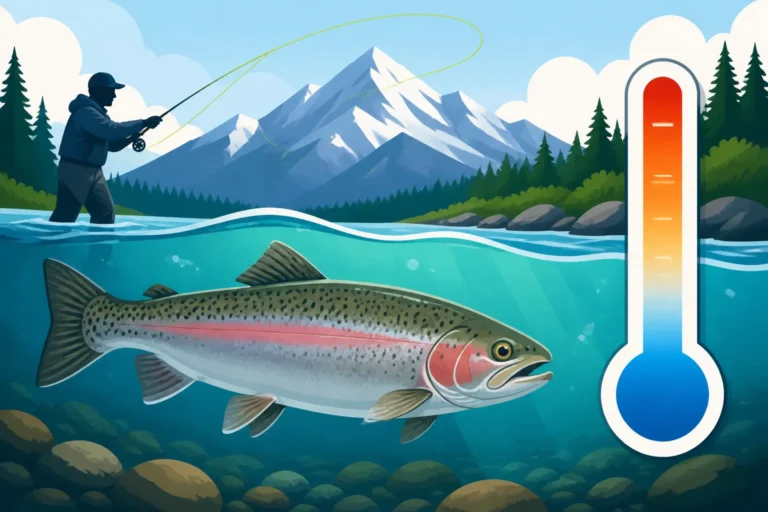
Furthermore, smallmouth bass compete directly with native predators for food resources. For example, if a lake has native bull trout or rainbow trout, the introduction of smallmouth bass means more mouths to feed, putting additional pressure on the available prey base. This competition can stress native populations, making them more vulnerable to disease or environmental changes. It's a cascading effect that can alter the entire structure of an aquatic ecosystem, sometimes irreversibly. Anglers often struggle to identify different trout species; our Trout Species Identification Guide for BC can help clarify differences between native species.
| Feature | Smallmouth Bass | Native Rainbow Trout | Native Kokanee Salmon |
|---|---|---|---|
| Origin in BC | Introduced (Invasive) | Native | Native |
| Appearance | Bronze to brown with vertical bars, red eye, large mouth extending to middle of eye. | Greenish-blue to dark olive back, white belly, pink/red stripe, small black spots. | Silvery with blue/green back, white belly, no distinct spots, often smaller. |
| Typical Habitat | Warmer, clear lakes & rivers, rocky bottoms, structure. | Cooler, clear lakes & rivers, often in moving water. | Deep, cold lakes (landlocked sockeye), open water. |
| Diet (Juvenile) | Insects, small crustaceans, fish fry. | Aquatic insects, zooplankton, small invertebrates. | Zooplankton, small insects. |
| Diet (Adult) | Crayfish, minnows, insects, fish (including eggs/fry). | Insects, small fish, leeches, other invertebrates. | Zooplankton, small insects. |
| Spawning Time | Late spring/early summer (water temp 15-21°C). | Spring/early summer (lakeshores, stream inlets). | Fall (lake shoals, stream inlets). |
| Growth Rate | Moderate to fast, depending on food availability. | Variable, often slower in wild populations. | Moderate, dependent on zooplankton availability. |
This table illustrates some key differences, highlighting why smallmouth bass are distinct from the native species they impact.
The Challenges of Managing Smallmouth Bass Populations in British Columbia
Managing an invasive species like smallmouth bass is a monumental task, riddled with ecological complexities, logistical hurdles, and even public perception challenges. It's not a simple fix, and it often requires a multi-faceted approach involving regulations, scientific research, and public engagement.
Difficulties in Eradication and Control
Once smallmouth bass are established in a lake or river system, complete eradication is often virtually impossible, especially in larger, interconnected waterways. They are highly adaptable, have good reproductive rates, and can quickly spread. Methods like rotenone (a fish toxicant) might be effective in small, isolated ponds, but using them in larger, more complex ecosystems carries significant risks to native species and overall water quality. Manual removal efforts, such as intensive netting or electrofishing, can help reduce populations in specific areas, but they require continuous effort and substantial resources. This is why prevention of new introductions is always the most effective strategy.
The sheer size and number of water bodies in BC make monitoring and controlling every potential spread point incredibly challenging. Even small, seemingly insignificant translocations of live fish can lead to new infestations. This means that while government agencies do their best, they rely heavily on public awareness and responsible angling practices to prevent further spread. Finding effective lures for smallmouth bass can be done through a quick search on Amazon, but ensuring you don't inadvertently spread them is key.
Regulatory Measures and Conservation Goals
British Columbia employs specific regulations to manage smallmouth bass populations, often differing from those for native species. For many native fish, there are strict catch limits, size restrictions, and sometimes even catch-and-release only rules. However, for invasive species like smallmouth bass, regulations are often designed to encourage their removal from the ecosystem. This might mean higher bag limits, no possession limits, or even encouraging anglers to not release them. It's crucial for anglers to check the specific regulations for the water body they plan to fish, as rules can vary. Our guide on BC Bag and Possession Limits by Species can help you understand these nuances.
The overarching conservation goal is to protect and restore native fish populations. While managing smallmouth bass is part of that, it's balanced with broader efforts to preserve critical habitats, improve water quality, and ensure sustainable fisheries for native species like salmon and trout. These goals are often laid out in the annual BC Freshwater Fishing Regulations Synopsis, which is essential reading for any angler.
What Anglers Can Do: Responsible Fishing Practices and Reporting Invasive Species
As anglers, we have a vital role to play in protecting BC's aquatic ecosystems. Our actions on the water, both in how we fish and how we handle what we catch, can make a significant difference in the fight against invasive species like smallmouth bass.
Practicing "Clean, Drain, Dry" and Preventing Spread
One of the most impactful things any boater or angler can do is practice the "Clean, Drain, Dry" principle. This simple yet effective method prevents the spread of aquatic invasive species, including smallmouth bass eggs or juveniles, as well as invasive plants and other organisms.
- Clean: Inspect and remove all plants, mud, and debris from your boat, trailer, waders, boots, and fishing gear before leaving the access site.
- Drain: Pull the drain plug and drain all water from your boat's bilge, livewell, and any other water-holding compartments. Do this before leaving the access point.
- Dry: Allow your boat, trailer, and all gear to thoroughly dry for at least 48 hours before entering another water body. If drying isn't possible, consider a high-pressure wash with hot water.
These steps are critical, especially when moving between different lakes or river systems. Even a seemingly innocent puddle in your boat or a piece of plant matter stuck to your anchor can harbor invasive hitchhikers. This goes hand-in-hand with always making sure you have the proper British Columbia Fishing License Guide for 2026 for the waters you're fishing.
Responsible Handling and Reporting of Smallmouth Bass
When you encounter smallmouth bass while fishing in BC, particularly in waters where they are considered invasive, your actions matter. In many regulated areas, anglers are encouraged to retain all smallmouth bass caught, rather than releasing them. This is a critical point that differentiates invasive species management from traditional catch-and-release practices for native fish. Always consult the current fishing regulations for the specific lake or river you are fishing to confirm the rules for smallmouth bass. If regulations permit retention, consider keeping your catch for the table, as they can be quite tasty, or disposing of them responsibly.
It's also imperative to report new sightings of smallmouth bass, especially in waters where they are not yet known to exist. Early detection is key to preventing widespread establishment. You can usually report invasive species sightings to the provincial fisheries ministry or local conservation officers. They will want details like the location, date, approximate size and number of fish, and even a photo if possible. This information helps agencies monitor the spread and plan targeted management efforts. For specific fishing tactics, check out Best techniques for bass in Okanagan lakes or even how to pick a Best topwater lure for dawn bass fishing – just remember the broader context of invasive species management.
Remember, the goal here isn't to discourage fishing for bass where it's permitted and managed, but to ensure that this activity doesn't inadvertently contribute to the problem of invasive species. Tools and equipment for safe fish handling, like a good pair of pliers or a landing net, are readily available on Amazon and can assist in quickly and efficiently dealing with your catch, whether you're releasing a native trout or retaining an invasive bass.
Disclaimer
This article is for general informational purposes only and does not constitute professional advice. Laws, prices and regulations vary by location and change over time. Consult a qualified professional for guidance on your specific situation.