Best time of day to catch salmon on an incoming tide
There’s nothing quite like the feeling of anticipation when you’re out on the water in beautiful British Columbia, knowing the salmon are around. But let's be real, it can be incredibly frustrating when you spend hours casting, trolling, or waiting, only to come up empty-handed. We all know that timing is absolutely everything in salmon fishing, and understanding the nuances of tides can be the secret sauce to turning a slow day into an epic one. This guide is all about helping you decode the mystery of the incoming tide, revealing the prime windows for hooking into those elusive BC salmon and giving you the practical know-how to make the most of every opportunity.
The Dance of Tides and Salmon Behavior
If you've spent any time fishing the coastal waters or tidal rivers of British Columbia, you've probably heard the old adage: "Fish the tides." It's not just a saying; it's a fundamental truth, especially when it comes to salmon. These incredible fish are highly attuned to the rhythms of the ocean, and the incoming tide, in particular, acts as a powerful trigger for their movement and feeding patterns.
The Mechanics of Incoming Tides
An incoming tide, often called the flood tide, is when the water level rises from low tide to high tide. Think of it as the ocean taking a deep, slow breath, pulling water into bays, estuaries, and up river mouths. This isn't just a simple rise in water level; it's a dynamic process that completely transforms the aquatic environment. As the tide pushes in, it often brings with it cooler, saltier, and more oxygenated water. This influx can stir up the seabed, dislodging baitfish, crustaceans, and other forage that salmon love to feast on. The current created by the incoming tide also acts as a highway, guiding salmon upriver towards their spawning grounds or funneling them into specific feeding lanes along the coast.
Why Salmon Respond to Incoming Tides
Salmon are opportunistic feeders and migratory creatures, and the incoming tide plays directly into both these instincts. For those salmon still in their feeding phase, particularly Chinook and Coho in saltwater, the incoming tide concentrates baitfish and other food sources. These tides can push schools of herring or anchovies closer to shore, or into shallower areas where salmon find it easier to ambush them. The increased current also offers a strategic advantage, allowing salmon to hold in favorable positions, expending less energy while waiting for prey to be swept past them.
For salmon heading upstream to spawn, the incoming tide provides a critical window of opportunity. The rising water offers deeper channels, allows access to areas that might be too shallow at low tide, and can mask their presence from predators. The cooler water brought in by the ocean can also provide a welcome relief, particularly during warmer months, as it can lower river temperatures to more comfortable and oxygen-rich levels for these powerful fish. It's like the ocean is giving them a gentle, strong push towards their ultimate destination.
Varying Tidal Influence by Location
The impact of an incoming tide isn't a one-size-fits-all situation; it varies dramatically depending on where you're casting your line in BC. For instance, fishing the outer coast, like around Tofino or Ucluelet, might see salmon responding to the first push of the flood as baitfish are concentrated along structure. Further inland, say in the Strait of Georgia near Campbell River, the tidal currents can be incredibly strong, creating nutrient-rich upwellings that attract huge schools of salmon.
When you move into river mouths and estuaries, like the mighty Fraser River, the influence becomes even more complex. Here, the incoming saltwater meets the outflowing freshwater, creating a brackish zone that's a buffet for salmon. The tide can literally back up the river flow, providing an easier ride for migrating salmon and concentrating them in specific holding areas. Understanding these localized dynamics is crucial. A fast-moving tide on the coast might mean a more subtle, yet still significant, push miles up a river system. Checking local charts and tide tables is non-negotiable, and resources like the official BC Fishery Notices and In-Season Closures, Explained are essential for staying informed.
Pinpointing the "Prime Window" for Salmon on Incoming Tides
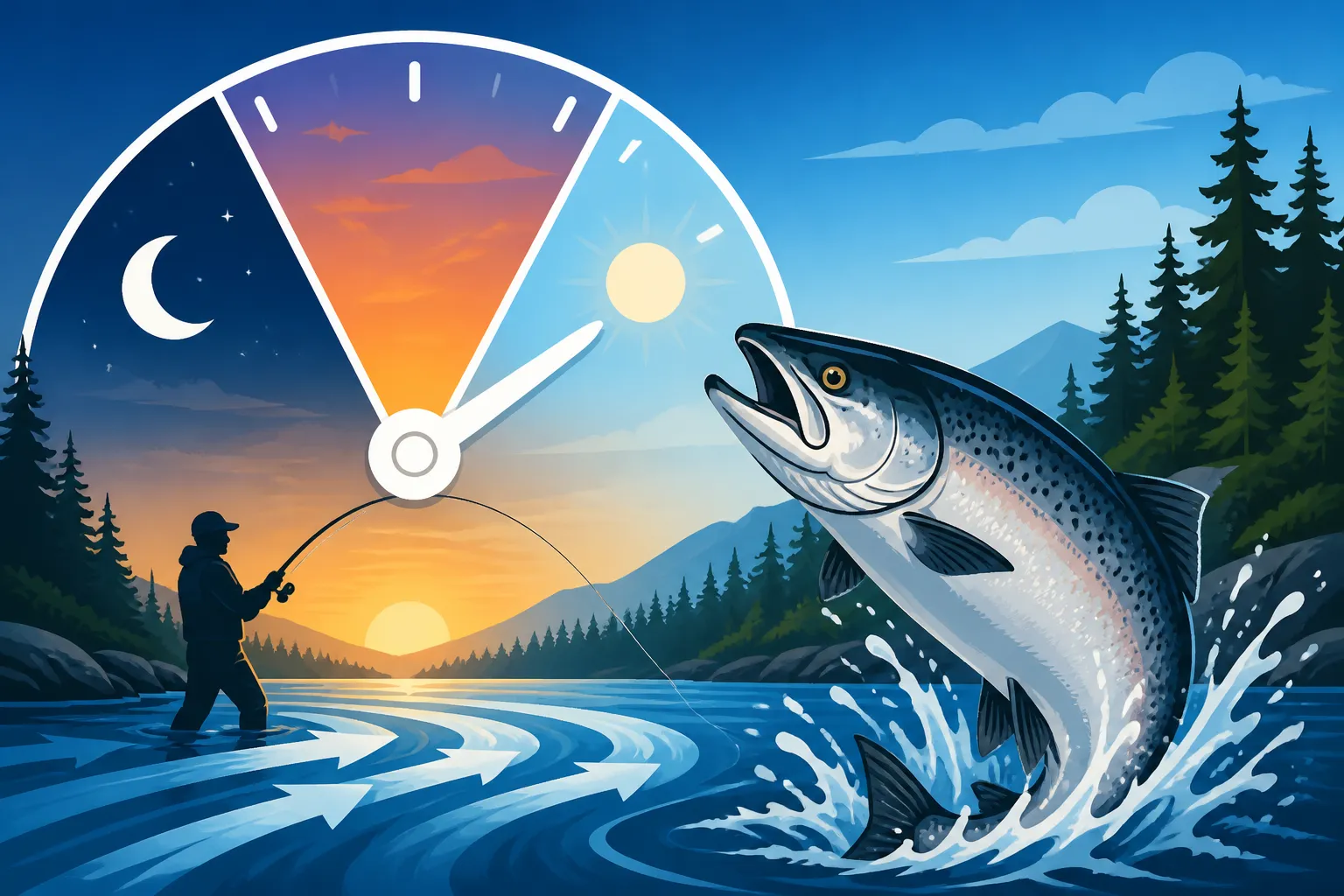
Okay, so we know why the incoming tide is important, but the real million-dollar question is when during that rising tide is the absolute best time to catch salmon? It's rarely the entire six-hour period. Instead, there are specific windows where salmon activity often peaks, driven by changes in current, baitfish movement, and water conditions.
The First Push: Early Stages of the Incoming Tide
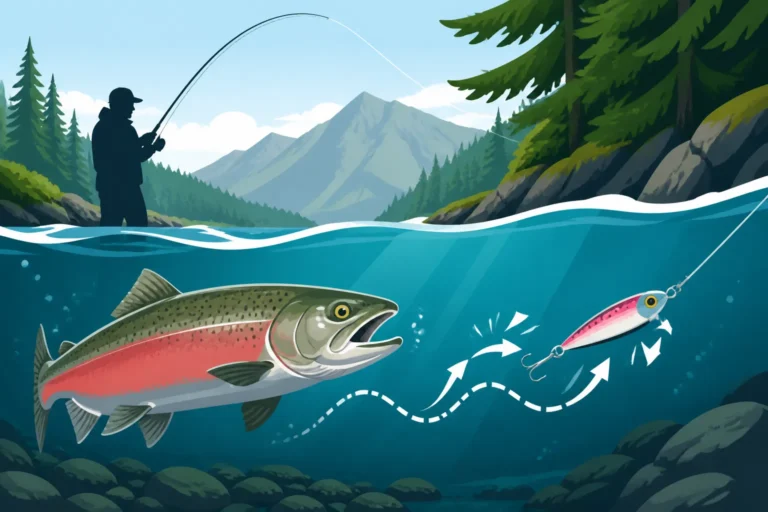
Many experienced anglers swear by the very beginning of the incoming tide, often called the "first push" or the "low slack to early flood." This is when the water starts to turn from its lowest point, and the current begins to pick up. For salmon in marine environments, this initial movement can trigger feeding. As the tide begins to flow, it often dislodges bottom-dwelling creatures, and pushes baitfish into new areas, making them vulnerable. Salmon, especially Chinook, might be waiting at the edges of structure or deeper channels, ready to intercept this fresh delivery of food.
In river mouths, the first push of the incoming tide can start to slow the downstream flow of freshwater. This subtle change provides a moment of reprieve for salmon staging at the river's entrance, giving them an easier pathway to start their journey upstream. It's often a good time to target them as they begin to move from deeper holding areas into shallower feeding or staging zones. Patience during this phase can really pay off; sometimes it's just a whisper of current change that sparks the bite.
Mid-Tide Flow: The Strongest Current
As the incoming tide progresses, the current often reaches its maximum strength during the "mid-tide flow." This is a double-edged sword for anglers. On one hand, strong currents can be highly productive because they efficiently transport baitfish, concentrate nutrients, and act as a powerful conveyor belt for migrating salmon. On the other hand, fishing in robust currents requires heavier gear, precise boat control (if you're on a vessel), and a good understanding of how to present your offering naturally.
During the peak of the incoming current, salmon in both saltwater and river mouths are typically very active. They might be holding in current seams, eddies, or behind submerged structure, expending minimal energy while waiting for food to be swept into their strike zone. This is a classic time to employ drift fishing techniques in rivers or troll against the current in open water. Chinook Salmon Fishing in BC can be particularly fruitful during this period, as these powerful fish are often more willing to chase a bait or lure that mimics a struggling prey item in the strong flow. If you're using heavy gear, make sure your leaders are robust; you can find excellent fluorocarbon leaders and swivels on Amazon that stand up to the challenge.
High Slack and the Turn: What to Expect as the Tide Peaks
As the incoming tide approaches its peak, the current gradually slows down, leading to "high slack water." This is the period of calmest water before the tide begins to recede (the outgoing or ebb tide). While some anglers dismiss slack tide as unproductive, it can actually be a fantastic window, especially for certain species or in specific locations.
During high slack, baitfish that were scattered by strong currents might consolidate, making them easier for salmon to locate. In estuaries and river mouths, salmon might use this calmer period to move into shallower areas to rest or explore, areas inaccessible during stronger currents. Coho Salmon Fishing in BC, known for their aggressive feeding habits, can sometimes turn on during high slack, particularly if there’s a good concentration of baitfish.
The moment the tide "turns" – shifting from high slack to the beginning of the outgoing flow – is another crucial moment. Often, just as the water starts to move in the opposite direction, there can be a burst of activity. Salmon that were holding during slack water might reposition or make a final feeding push before the ebb really sets in. It's a subtle transition, but paying close attention to the water's movement and making a few extra casts or drifts during this time can sometimes yield surprising results.
Factors Modifying the Prime Window
While the general patterns of incoming tides hold true, several other factors can significantly modify the "prime window." Water temperature is a huge one; salmon are highly sensitive to it. If the incoming tide brings in water that's too warm or too cold for their preference, their activity might be muted or shift to different depths. River flow, especially in systems like the Fraser River, also plays a massive role. A particularly strong freshwater flow can overwhelm the incoming tide's influence, pushing the brackish zone further downstream.
Weather conditions, especially wind, can disrupt baitfish schools and make fishing challenging, regardless of the tide. And let's not forget the time of year! Salmon runs have specific timing, and what works for an early season Chinook might not be as effective for a late fall Coho. Always consult the BC Fishing Seasons by Month guide to get a general idea of what species are active. Additionally, keeping an eye on How barometric pressure affects BC salmon fishing can provide another layer of insight into fish behavior.
Practical Strategies for Fishing an Incoming Tide
Knowing when the bite should happen is only half the battle; the other half is knowing how to capitalize on it. Fishing an incoming tide requires adaptability, the right gear, and a keen eye for reading the water.
Gear and Techniques for Tidal Salmon
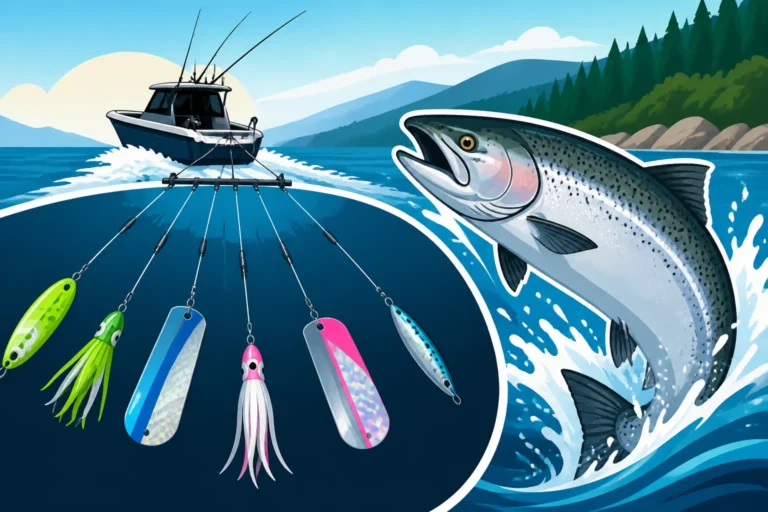
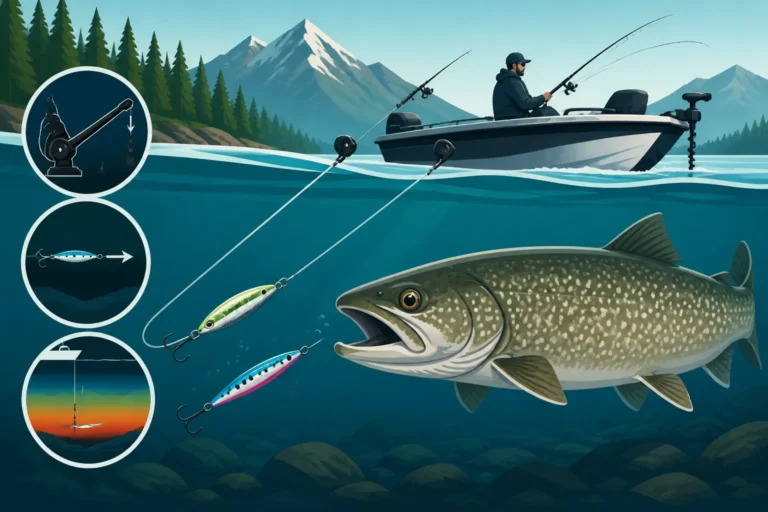
When the tide is pushing, current is a factor, and that means your gear needs to be up to the task. For trolling in saltwater, heavier weights like cannonballs or downriggers are often essential to keep your lures or bait at the desired depth. Flashers, spoons like the Gibbs-Delta "Highliner" or Apex, and hootchies are all popular choices, with many anglers finding great deals on these through retailers like Amazon. For river mouth fishing, a sturdy baitcasting or spinning setup capable of handling heavy leads (often 6-12 ounces) for bottom bouncing or float fishing is necessary. Consider a quality fishing rod and reel combo that can withstand the fight of a powerful salmon in current; you can research options and read reviews on Amazon before committing.
Techniques to Master:
- Trolling Against the Current: In saltwater, trolling into the incoming current allows your lures to behave more naturally, mimicking baitfish swimming upstream. Adjust your speed to keep your gear in the strike zone.
- Drift Fishing/Bottom Bouncing: In tidal rivers, this is highly effective. Use enough weight to keep your bait (roe, cured roe, shrimp) or lure (spin-n-glos, jigs) ticking along the bottom at the same speed as the current. This presents a natural, easy meal for salmon holding in deeper channels or behind structure.
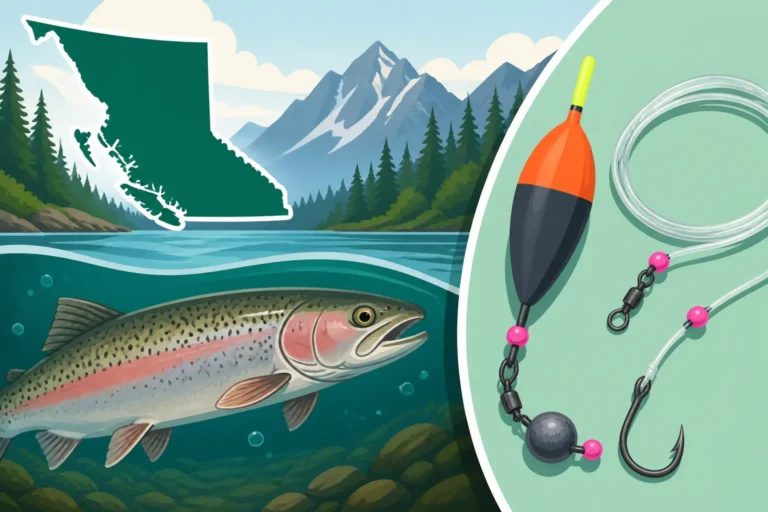
- Float Fishing: For Coho and some Chinook in shallower, less turbulent river sections, a large float (like a Raven or Drennan) can suspend your bait or jig just above the bottom, allowing it to drift naturally with the tide. This is often the preferred method for Best Lure Retrieve Speed for Coho in Fall when they're entering rivers.
Remember to consider line strength. Strong currents put extra strain on your line, so don't skimp on quality monofilament or braided line.
Safety Considerations
Fishing in tidal waters, especially in British Columbia, means dealing with powerful, dynamic forces. Safety must always be your top priority. Strong incoming currents can quickly sweep you or your boat into dangerous situations. If you're fishing from shore, be aware of the rising water level and potential for swift currents near points and obstructions. Never turn your back on the ocean, especially in areas known for sneaker waves or rapidly changing conditions.
For boaters, understanding marine charts, knowing buoy markers, and having reliable safety equipment is non-negotiable. Always inform someone of your float plan, check the weather forecast religiously, and carry appropriate communication devices. Currents can also be particularly tricky around river mouths and narrow passages, so exercise extreme caution.
Reading the Water: Identifying Salmon Holding Spots
This is where the art of fishing truly comes into play. On an incoming tide, salmon will seek out specific features that offer both a resting place and an ambush point.
- Current Seams and Eddies: Look for areas where the main current meets slower water, creating a distinct "seam" on the surface. Salmon love to hold in these seams, letting the current bring food to them. Eddies – areas where the current circles back on itself – are also prime spots for salmon to rest and feed.
- Submerged Structure: Rocks, logs, gravel bars, and sudden depth changes provide cover and break the current. Salmon will often stage behind or alongside these structures, waiting for the right moment to strike.
- Transition Zones: The line where clear ocean water mixes with murky river water is often a hotspot. Baitfish can get disoriented here, making them easy prey. This is particularly true in places like the Lower Fraser River.
- Pinch Points: Areas where the channel narrows, accelerating the current, can concentrate both salmon and their prey. These "pinch points" force salmon into more predictable travel lanes, making them easier to target.
- Depth Contours: Use your fish finder or knowledge of the area to locate drop-offs, underwater humps, and ledges. Salmon will often travel along these contours during an incoming tide.
Learning to read these subtle signs takes time and practice, but observing how the water moves and where birds or other wildlife are congregating can give you valuable clues. You'll find many Best Salmon Fishing Spots in BC that exemplify these features.
Species-Specific Considerations for Incoming Tides
While the general principles of fishing an incoming tide apply to all salmon species, each one has its unique quirks and preferences that can help you fine-tune your approach. Understanding these differences can be the key to success.
Chinook Salmon and the Tide
Chinook salmon, often referred to as "Kings," are the largest and most powerful of the Pacific salmon. They are incredibly aggressive feeders, and the incoming tide often ignites this instinct. In saltwater, particularly during their feeding migrations, Chinook will actively chase baitfish that are pushed by the tide. They often prefer deeper water and strong currents, so targeting them during the mid-tide flow with heavy gear and large, enticing lures or bait can be highly effective.
When Chinooks enter river mouths, the incoming tide provides them with vital fresh, cool water and an easier path upstream. They will often "ride" the tide, moving into estuaries and holding in deeper pools or current seams just out of the main flow. Fishing these holding spots with robust gear and techniques like bottom bouncing or heavy float fishing can be very productive. Remember, these are powerful fish, so be prepared for a fight, especially on the push of an incoming tide. For more targeted advice, check out How to Fish a River for Chinook Salmon.
Coho Salmon and the Tide
Coho salmon, known for their acrobatic fights and willingness to strike, also respond well to incoming tides, though sometimes with a slightly different pattern than Chinooks. In saltwater, Coho are often found shallower, keying in on smaller baitfish and even insects. An incoming tide can push these food sources closer to shore or into bays, making Coho highly accessible to anglers trolling with spoons or hootchies, or even fly fishing near coastal beaches.
When Coho enter tidal rivers, they often follow the tide in, moving quickly into the lower reaches. They are less prone to holding in deep, strong currents like Chinooks, preferring more moderate flows or the edges of channels. During the early and mid-stages of an incoming tide, Coho can be very active, slashing at spinners, flies, or small pieces of roe. As the tide reaches high slack, they might move into shallower, more complex structure to rest before continuing their journey. Targeting Coho during this period requires a lighter, more finesse approach than for Chinook, often involving lively presentations that mimic fleeing bait.
Sockeye and Pink Salmon: Less Aggressive, But Still Tide-Influenced
Sockeye and Pink salmon are primarily targeted during their spawning migrations, and while they are generally less aggressive feeders in freshwater than Chinook or Coho, the incoming tide still plays a crucial role in their movement.
Sockeye salmon, known for their brilliant red spawning colors, enter river systems in massive schools. The incoming tide, particularly in systems like the Fraser River, acts as a critical elevator, helping these huge numbers of fish push upstream. They will utilize the deeper channels and the current relief provided by the tide to conserve energy. Anglers targeting Sockeye typically use specialized techniques like 'flossing' or short-floating with small, bright colored lures or bare hooks, aiming to intercept them as they move up the tidal influence. The timing of the tide affects their movement patterns more than their feeding instincts.
Pink salmon, or "humpies," are the most abundant salmon species and typically run every odd year in huge numbers. Like Sockeye, they use the incoming tide to advance their migration. Pinks are somewhat more inclined to strike a lure in freshwater than Sockeye, especially bright pink or chartreuse spinners and flies. The mid-tide push is often a productive time to find them moving through tidal stretches of rivers and estuaries. They will concentrate in areas where the incoming tide funnels them, making these pinch points prime fishing locations. Remember to check current regulations carefully before heading out, as Sockeye Salmon Fishing in BC and Pink salmon runs can be subject to specific management actions.
Understanding the subtle differences in how each salmon species reacts to the incoming tide will undoubtedly elevate your success. By combining this knowledge with good tide charts, suitable gear, and a keen eye on the water, you’ll be well on your way to a memorable British Columbia salmon fishing experience.
Disclaimer
Fishing regulations and conditions in British Columbia can change frequently. Always consult the latest BC Freshwater Fishing Synopsis or the Fisheries and Oceans Canada (DFO) website for tidal waters regulations before heading out. Be aware of all licensing requirements, catch limits, and any in-season closures or special restrictions for the waters you plan to fish. Safety on the water is paramount; always wear a personal flotation device and exercise caution.