Halibut Fishing Techniques for BC’s Coast
The vast, unpredictable waters off British Columbia's coast beckon with the promise of a true titan: the Pacific halibut. For many anglers, the dream of battling one of these colossal flatfish is matched only by the daunting reality of knowing where to start. From understanding their deep-water habits to choosing the right heavy-duty gear, it's easy to feel lost and overwhelmed, leading to trips that fall short of expectations. This comprehensive guide is designed to equip you with the knowledge, techniques, and confidence needed to successfully target and land these magnificent creatures in BC’s productive marine environment.
Understanding British Columbia Halibut: The Ultimate Flatfish
Before you even think about dropping a line, it’s crucial to understand the magnificent creature you’re pursuing. Pacific halibut are not just any fish; they are apex predators of the deep, masters of camouflage, and truly a challenge to any angler. Knowing their characteristics and the rules that govern their pursuit is the first step toward a successful and responsible fishing experience.
Pacific Halibut Characteristics and Behavior
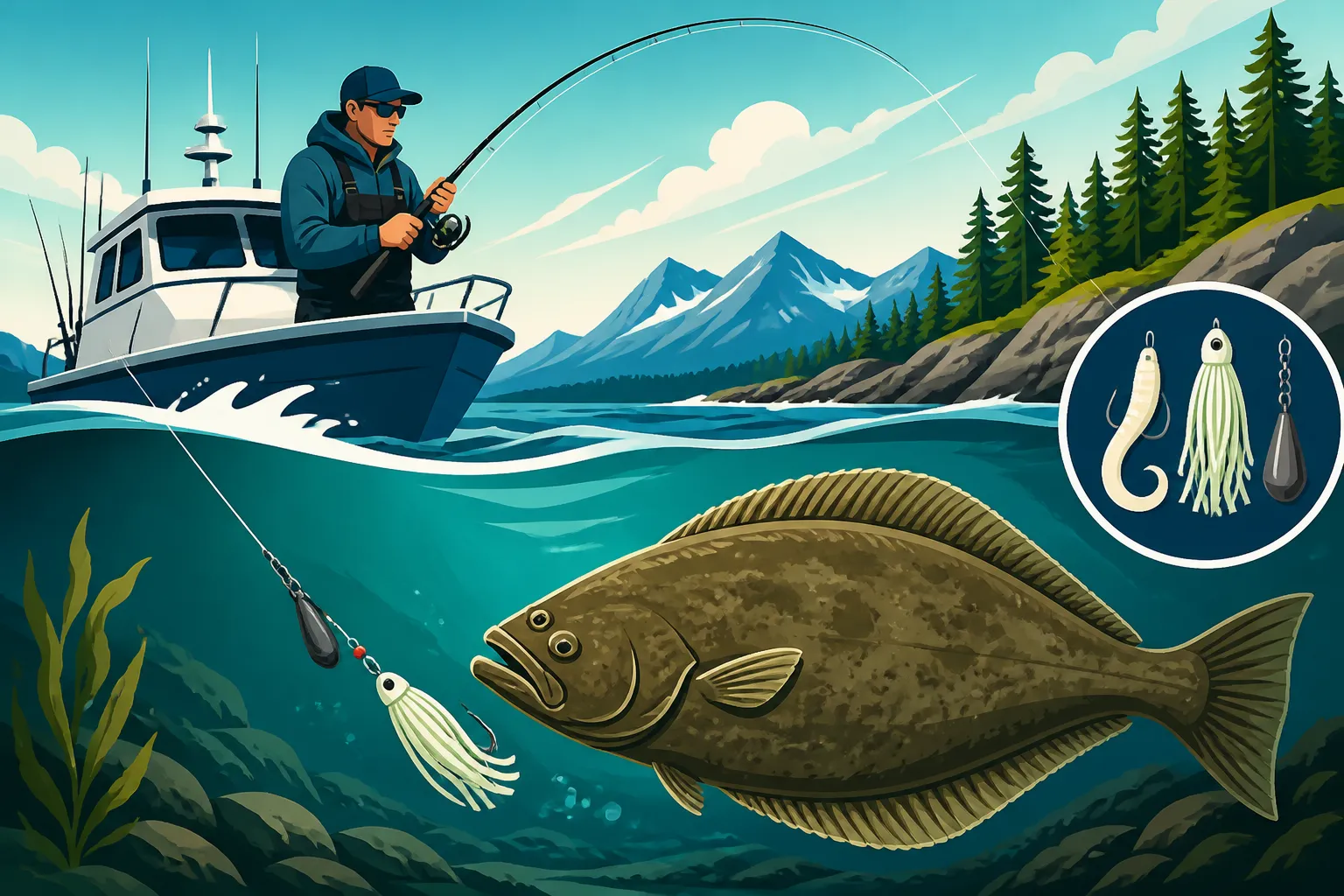
Pacific halibut (Hippoglossus stenolepis) are undeniably one of the most iconic and sought-after game fish in British Columbia. Their unique flat-bodied appearance, with both eyes situated on one side of their head, allows them to lie perfectly camouflaged on the seabed, ambushing unsuspecting prey. They can range from smaller, "chicken" halibut weighing 10-20 pounds to genuine barn doors pushing well over 100 pounds, with the BC record currently sitting at a staggering 459 pounds! The sheer power and endurance of these fish, even smaller ones, can be quite surprising on the end of a line.
These incredible fish are primarily bottom dwellers, preferring areas where the seabed transitions from rock to sand or mud, often near underwater pinnacles, ledges, and drop-offs. They thrive in depths ranging from 100 to 600 feet, though they will move into shallower waters, especially during warmer months or when following bait. They are opportunistic predators with a voracious appetite, feeding on a wide variety of prey including cod, herring, rockfish, octopus, and even smaller halibut. Their diet, combined with their sedentary ambush style of hunting, means they're often found waiting patiently on structure where baitfish congregate or currents sweep food past.
Understanding their migratory patterns is also key. While some halibut may remain in certain areas year-round, many undertake seasonal migrations. In the colder months, they tend to move into deeper, more stable waters to spawn. As spring approaches and water temperatures rise, they migrate back to shallower feeding grounds, making them more accessible to anglers. This seasonal movement directly influences where and when you'll have the best chance of encountering them, so staying informed about local patterns is crucial.
Halibut Regulations and Conservation in BC
Fishing for halibut in BC isn't just about the thrill of the catch; it’s also about responsible angling and ensuring the sustainability of this incredible fishery. The Department of Fisheries and Oceans (DFO) sets strict regulations, and these can change annually, or even in-season, based on stock assessments. Before every single trip, you absolutely must consult the latest DFO fishery notices and the official British Columbia Sport Fishing Regulations Synopsis. Ignoring these rules can lead to significant fines and even gear confiscation, which is a headache no one wants.
Key regulations typically include daily bag limits, which specify how many halibut you can keep per day, and possession limits, which dictate how many you can have in your freezer or in transit. There are also minimum and maximum size limits, often referred to as slot limits. For instance, you might be allowed to keep one halibut under a certain length and another over a different length, or a combination. These slot limits are designed to protect both juvenile fish, allowing them to mature, and the largest, most prolific breeders. You'll also need to ensure you have the correct BC Halibut Bag Limit Rules understood before you head out.
Conservation goes beyond just following the law. It also involves best practices for catch and release, especially for fish outside the slot limit or if you've already filled your quota. Minimizing stress on the fish by using appropriate gear, bringing them to the boat quickly, and using a release device if deep-hooked, are all part of being a responsible angler. Ensuring these majestic fish can continue to thrive for future generations is paramount, and understanding your role in conservation is as important as mastering your fishing techniques. Don't forget, you'll also need a valid British Columbia Fishing License Guide for 2026 and potentially a tidal waters license with the correct salmon stamp if you're also targeting salmon. These are critical for anyone fishing BC's vast waters, tidal or freshwater.
Essential Gear for BC Halibut Fishing
Halibut fishing is not for the faint of heart, nor for light tackle. These powerful fish demand robust, reliable gear that can withstand immense pressure and the deep, often unforgiving coastal environment of British Columbia. Skimping on tackle here is a recipe for heartbreak, snapped lines, and lost fish.
Rods, Reels, and Line for Heavy Duty
When it comes to selecting a rod for BC halibut, think heavy-duty and rugged. You're looking for a powerful boat rod, typically 6 to 7.5 feet in length, with a fast action tip to detect subtle bites but a very strong backbone to exert leverage on a heavy, deep-dwelling fish. Many experienced halibut anglers opt for rods rated for 80-130 lb line, designed for deep jigging or trolling. Brands like Ugly Stik, Shimano, and Penn offer excellent, durable options that can take a beating. The right rod will allow you to confidently lift heavy weights and turn a stubborn halibut without feeling overwhelmed.
Pairing that rod with an equally formidable reel is crucial. Large conventional reels are the standard, offering the brute strength and line capacity needed for deep-water battles. Look for reels with a robust drag system, preferably a lever drag, that can handle upwards of 50-80 pounds of pressure. Models like the Shimano TLD series, Penn Squall, or more premium options like the Daiwa Saltiga or Accurate Boss series are popular choices. Ensure your reel can hold at least 300-500 yards of heavy braided line; you'll need that capacity for the depths you'll be fishing and for the powerful runs a large halibut can make.
For line, braided superline is the undisputed champion for halibut. Its zero stretch offers unparalleled sensitivity, allowing you to feel even the slightest tap on your bait hundreds of feet down. It also provides incredible lifting power, which is essential when fighting a heavy fish in deep water. Most anglers use 80-150 lb test braid as their main line. This is then typically connected to a shorter, heavier leader, often 100-200 lb monofilament or fluorocarbon, using a strong connection knot like a FG knot or a good quality swivel. The heavy leader provides abrasion resistance against the halibut’s rough skin and sharp gill plates, as well as any underwater structure. You can often find excellent quality braided line on platforms like Amazon, offering convenience and a wide selection to match your setup.
Terminal Tackle: Hooks, Weights, and Swivels
Your terminal tackle is the business end of your setup, and it needs to be just as robust as your rod and reel. Large, strong hooks are paramount. For bait fishing, circle hooks are highly recommended. Not only do they often result in a solid hook-up in the corner of the fish's mouth, minimizing gut hooking, but they also significantly improve post-release survival rates if you happen to catch a fish outside the slot limit. Sizes typically range from 16/0 to 24/0, depending on the size of your bait. Ensure they are forged and made from high-carbon steel to prevent straightening under pressure. Some anglers still use large J-hooks for artificial baits or specific jigging scenarios, but circle hooks are generally preferred for bait.
Weights are absolutely essential when targeting halibut in deep, often current-swept waters. You need to get your bait or jig to the bottom and keep it there. Pyramid sinkers and cannonball sinkers are common, ranging from a hefty 16 ounces all the way up to 64 ounces (4 pounds) or more, depending on the depth, current, and speed of your drift. Having a variety of weights onboard is crucial, as conditions can change quickly. A common rig involves a spreader bar or a three-way swivel to keep your weight separate from your leader and bait, preventing tangles and allowing for a more natural presentation.
Finally, don't overlook the importance of heavy-duty swivels and snaps. When dealing with powerful fish and heavy weights, weak terminal connections are the quickest way to lose your prize. Opt for ball-bearing swivels or heavy-duty barrel swivels rated for at least 300-500 pounds test. These will prevent line twist, which is a common issue when deep-water jigging or retrieving heavy gear, and ensure your line remains strong throughout the fight. Using robust snaps on your weights can also make changing weights quicker and easier when adjusting to different currents or depths.
Prime Halibut Fishing Grounds in BC
British Columbia's coastline is vast and replete with incredible fishing opportunities, but when it comes to halibut, some areas truly stand out. Knowing where to go and what kind of underwater structure to look for significantly increases your chances of success. It's not just about getting on the water; it's about getting on the right water.
Popular Coastal Hotspots
When seasoned anglers talk about the Best Halibut Fishing Spots in BC, a few key regions consistently come up. The West Coast of Vancouver Island is arguably the most famous, with areas around Tofino, Ucluelet, and Nootka Sound being legendary. These locations benefit from proximity to the continental shelf, where deep-water currents bring rich nutrients, attracting vast schools of baitfish and, consequently, large halibut. Charter operators in these towns are experts at finding the productive offshore banks and pinnacles. Further north, areas like Zeballos and the waters around Kyuquot also offer exceptional halibut fishing, often with less fishing pressure.
Moving up the coast, Northern BC offers some truly remote and productive grounds, especially around Prince Rupert and the mystical Haida Gwaii archipelago. The waters here are wild and untamed, often yielding some of the largest halibut in the province. Places like Langara Island and the waters surrounding Queen Charlotte Islands are renowned for their consistent action and trophy potential. The sheer abundance of marine life in these northern regions creates an ideal habitat for halibut to grow to impressive sizes.
The Central Coast, encompassing areas around Bella Bella and Shearwater, also provides fantastic opportunities. While perhaps less internationally known than Vancouver Island's west coast, these waters are rich in nutrients and offer a rugged, pristine fishing experience. These specific regions boast numerous underwater structures, such as Dixon Entrance, Hecate Strait, and various submarine canyons and banks, all of which are prime halibut real estate. Consulting local guides or fishing reports for these specific areas before your trip can provide invaluable, up-to-date insights into where the fish are biting.
Identifying Productive Structure and Depths
Halibut are masters of ambush, so finding them means finding their preferred hunting grounds. These are typically areas of transition or relief on the seabed. Underwater maps, such as those provided by Navionics or C-MAP, are indispensable tools for identifying promising structure. Look for contour lines that indicate sharp drop-offs, underwater ledges, humps, pinnacles, and gravel banks. These features create current breaks and eddies where baitfish gather, providing perfect ambush points for halibut.
Once on the water, your fish finder and sonar unit become your best friends. Modern units with Chirp sonar, side imaging, and down imaging capabilities can provide incredibly detailed views of the seabed, helping you pinpoint subtle structure that might be missed on a basic chart. Pay close attention to areas where you see baitfish congregating near the bottom, or where there are distinct changes in bottom composition. Halibut will often position themselves on the "down-current" side of a hump or ridge, waiting for food to be swept to them.
While halibut can be caught in a range of depths, the sweet spot often lies between 100 to 600 feet. However, don't be afraid to experiment. In certain conditions, particularly during strong feeding frenzies or in shallower bays with good current, halibut can be found as shallow as 50 feet. Conversely, in the dead of winter, they might retreat to depths exceeding 800 feet. The key is to understand that halibut follow their food, so if bait is shallow, they'll be there. If currents are bringing food to a deeper ledge, that's where you'll find them. Always consider the current – halibut prefer to face into it, waiting for an easy meal, so positioning your boat appropriately for a drift or anchoring effectively is paramount.
Mastering Halibut Fishing Techniques
Successfully catching halibut isn't a one-size-fits-all endeavor. These intelligent flatfish can be finicky, and having a diverse arsenal of techniques at your disposal will greatly increase your chances of success. Whether you prefer the subtle art of bait fishing or the active engagement of jigging, understanding the nuances of each method is key.
Bait Fishing Strategies
Bait fishing is arguably the most traditional and often the most productive method for targeting halibut. These opportunistic feeders have a keen sense of smell, and a natural, oily bait wafting through the water column is often irresistible. The most popular baits include whole or cut herring, salmon heads, octopus, mackerel, and various species of cod. The fresher the bait, the better, as the scent trail is what really calls the halibut in. You can sometimes purchase frozen bait from local tackle shops or even online retailers such as Amazon, but always prioritize fresh if available.
Rigging your bait correctly is crucial for maximizing its appeal and ensuring a solid hook-up. A common setup involves a single large circle hook threaded through the bait, ensuring the hook point is exposed. For larger baits, some anglers use a two-hook rig, often called a spreader bar or "mooching" rig, with one hook near the head and another mid-body or near the tail. The key is to present the bait as naturally as possible, allowing it to waft enticingly in the current just off the bottom. Some experienced anglers also use "scent bombs" or mesh bags filled with oily offal to create a stronger scent trail, especially in areas with strong currents.
Once rigged, the decision often comes down to drifting or anchoring. Drifting allows your bait to cover more ground, spreading its scent over a wider area and increasing the chances of encountering a halibut. This is particularly effective in areas with moderate current over extensive halibut grounds. You'll want to use enough weight to keep your bait near the bottom, occasionally bumping it, but still allowing it to drift naturally. Anchoring, on the other hand, is ideal for known hotspots, specific structure, or when the current is too strong for an effective drift. By anchoring, you can saturate a smaller, highly productive area with scent and keep your bait precisely where you believe halibut are holding. Whichever method you choose, regularly checking your bait for freshness and ensuring it's still on the bottom is vital.
Jigging for Halibut
For anglers who prefer a more active and engaging method, jigging for halibut can be incredibly rewarding. This technique involves repeatedly dropping heavy metal jigs or soft plastics to the seabed and then working them with an erratic retrieve to mimic an injured baitfish. The strike can be explosive, and the fight on a jig is often more intense as you're actively working the rod. You can find a wide array of specialized jigs on the market, from leadhead jigs to pipe jigs and "Delta" jigs, many of which can be ordered through online platforms like Amazon for convenience.
The type of jig you choose often depends on depth and current. In deeper water or stronger currents, heavy metal jigs (often 12-32 ounces or more) are necessary to quickly reach the bottom. These can be plain lead, or come in various colors, often with glow-in-the-dark properties which are highly effective in low-light conditions at depth. Soft plastics, such as large paddle-tail swimbaits or grub-tails rigged on heavy jig heads, also work wonders. The movement and vibration of these soft baits can be incredibly enticing to a hungry halibut. The color choice can sometimes make a difference; while natural colors like green, blue, and white are always good, glow-in-the-dark or contrasting patterns (e.g., black and white) can sometimes trigger strikes in murky water or deep conditions.
The technique itself involves dropping the jig all the way to the bottom, then reeling up a few feet and executing a series of lifts and drops. Experiment with the cadence: sometimes a slow, subtle lift and fall is best, while other times an aggressive, erratic jigging motion will elicit a strike. It’s crucial to make sure your jig is always near the bottom; halibut rarely rise far off the seabed to strike. Pay close attention to your line, as halibut bites can range from a subtle tap to a rod-bending thud. When you feel that bite, set the hook hard and prepare for a serious battle. As discussed in Jigging for Halibut off Vancouver Island, mastering this technique requires patience and practice, but the rewards are well worth it. Knowing How deep to jig for halibut off Vancouver Island also provides a strategic advantage.
Trolling and Other Methods
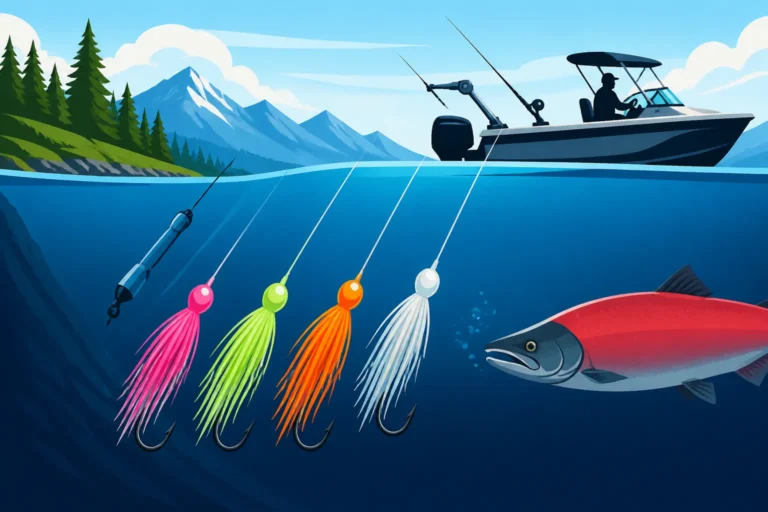
While bait fishing and jigging are the dominant methods, deep trolling can also be an effective strategy, especially for covering large areas and locating schools of halibut. This technique requires specialized gear, primarily downriggers, which allow you to present your lures or bait at precise depths. Heavy weights are still paramount, but the downrigger takes care of depth control, allowing your lure to swim freely. Large spoons, flashers paired with hoochies or plastic squid, and even rigged whole baitfish can be trolled slowly along contour lines or over known halibut grounds.
When trolling, scent is still incredibly important. Many anglers will "tip" their artificial lures with a small piece of bait, such as herring, or apply commercial scent gels to enhance their appeal. The goal is to imitate a wounded or fleeing baitfish, triggering the halibut's predatory instincts. Speed is also a key factor; halibut are generally not fast pursuers, so a slow troll (typically 1-3 knots) is usually most effective. Monitoring your fish finder and downrigger ball for signs of fish or bait schools will help you fine-tune your presentation.
Beyond these primary methods, some innovative anglers experiment with other approaches. For instance, using heavy diving planes or "planers" can also get lures down to depth without the need for downriggers, offering a more portable alternative for smaller boats. There are also specialized deep-drop rigs used in extremely deep waters, often incorporating multiple hooks and glow-in-the-dark components. Regardless of the method, the underlying principle remains the same: present an enticing offering near the bottom where halibut are lurking, and be prepared for a powerful fight when one decides to bite. You might also find some overlap in techniques when you're looking into How to Catch Lingcod off Vancouver Island, as both species share similar deep-water, structure-oriented habitats.
Best Times and Tides for Halibut
Timing is everything in fishing, and halibut are no exception. Knowing when these elusive flatfish are most active, both seasonally and within the tidal cycle, can dramatically increase your chances of success. It's not just about getting on the water, but getting on the water at the right moment.
Seasonal Considerations
British Columbia's halibut season typically runs from spring through fall, with specific opening and closing dates varying by management area and DFO regulations. However, within that broader window, there are definitely peak times. Spring, generally from May to June, is often considered prime time. As ocean temperatures begin to warm, halibut migrate from their deeper winter spawning grounds into shallower, more accessible feeding areas along the coast. They are often hungry after spawning, making them more aggressive and willing to bite. This period can offer some of the most consistent action and opportunities for larger fish.
Summer, through July and August, continues to be a highly productive period. The halibut are well established in their feeding grounds, and with a greater abundance of baitfish, they are actively feeding. This is often the most popular time for charter trips, as the weather is generally more stable and the fishing is consistent. While you might encounter more fishing pressure during these peak summer months, the sheer numbers of fish mean that good opportunities still abound.
As we move into fall, from September to October, halibut fishing can still be excellent. Many fish are in a pre-winter feeding frenzy, trying to bulk up before retreating to deeper waters. The weather can become more unpredictable, but for those willing to brave cooler temperatures and potentially choppier seas, the rewards can be significant, often with fewer boats on the water. Winter fishing for halibut is generally not common due to their deep-water habits and often severe weather conditions, making them largely inaccessible to recreational anglers. For a broader understanding of fishing opportunities, consult Best Time of Year to Fish in BC for other species as well.
Tidal Currents and Bite Windows
Understanding the tidal cycle is perhaps even more critical than the season when it comes to pinpointing the best bite windows for halibut. Halibut are masters of using current to their advantage, often positioning themselves to ambush prey carried by the flow. For this reason, periods of moving tide are often highly productive, as the current disperses scent from your bait over a wider area, attracting fish, and also brings food past their waiting mouths.
However, the specific "best" tidal stage can vary based on technique and location. For drifting with bait, a moderate moving tide (either incoming or outgoing) is usually ideal. It allows your bait to cover ground naturally, imitating a lost or injured fish. If the current is too strong, your weights won't hold bottom effectively, making it difficult to present your bait. Conversely, if the tide is completely slack, your bait might just sit lifelessly, reducing its appeal.
For anchoring over a specific piece of structure, the period around slack tide can sometimes be productive. While the lack of current might mean less scent dispersal, it allows your bait to remain perfectly positioned on a known hotspot without being swept away. This can be particularly effective when targeting very specific ledges or humps that get bombarded by strong currents at other times. Many anglers will focus their efforts during the hour before and an hour after a tide change, as this is often when the current is transitioning, and halibut might be more active. Always consult local tide charts specific to your fishing area, as the timing and strength of tides can vary significantly along BC's coast. The moon phase also influences the strength of tides, with new and full moons typically bringing stronger currents, which can make deep-water fishing more challenging but potentially more rewarding if you can hold bottom.
Handling and Caring for Your Halibut Catch
Landing a large halibut is just one part of the equation; knowing how to properly handle, dispatch, and process your catch ensures the highest quality table fare and respects the fish. An improperly handled halibut can quickly degrade in quality, wasting all your effort.
Landing and Dispatching Large Halibut
When you finally bring a large halibut alongside the boat, the excitement can be overwhelming, but safety and efficiency are paramount. Large halibut are incredibly powerful and can inflict serious damage with their thrashing tails and sharp gill plates if not handled correctly. Never attempt to lift a large halibut directly into the boat by the line or with inadequate tools. You'll need specialized equipment: a large, sturdy gaff (preferably with a long handle), and for very large fish, a harpoon may be used (check local regulations on harpoon use).
Once gaffed or harpooned, it’s often best to secure the fish with a tail rope to prevent it from flopping violently in the boat. For safety, many anglers will immediately "brain" or "spike" the halibut, a technique known as iki-jime. This involves quickly inserting a sharp spike or a sturdy screwdriver into the fish's brain, located directly behind the eyes. This instantly paralyzes the fish, minimizing stress, stopping its thrashing, and preventing the release of lactic acid into the meat, which can toughen it. A swift strike to the head with a fish club can also be used to stun the fish before spiking. Once dispatched, the fish will be much safer to bring aboard and prepare for bleeding.
Bleeding a halibut immediately after dispatching is a critical step for ensuring premium meat quality. This involves making a clean cut to the main artery near the gills or severing the tail. Allowing the fish to bleed out completely, ideally by hanging it over the side of the boat or placing it in a bleeding tube, removes blood from the flesh, resulting in whiter, firmer, and better-tasting meat. This process should take place quickly after the fish is subdued. After bleeding, the fish should be immediately placed on ice or in an insulated fish bag to chill rapidly, preventing bacterial growth and preserving its freshness.
Proper Filleting and Storage
Once your halibut is bled and chilled, the next step is proper filleting and storage. Halibut are unique due to their flat shape, and there are specific techniques to maximize yield. The most common method for larger fish is the four-fillet method, where two fillets are taken from the top side and two from the bottom. For smaller halibut, a two-fillet method, essentially slicing the fish in half along the backbone, might be easier. Cleanliness is key here; use sharp, clean knives and work on a clean surface. Many experienced anglers bring a large cutting board or specialized filleting table for boat-side processing.
Immediately after filleting, the meat should be rinsed with clean saltwater or fresh water, patted dry, and then carefully packaged. For short-term storage, keeping the fillets on ice in a cooler is sufficient. For longer-term storage, vacuum sealing is highly recommended. This removes air from the packaging, preventing freezer burn and greatly extending the shelf life of your precious catch. Place the vacuum-sealed portions directly into a freezer. Properly packaged halibut can last six months to a year or even longer in a deep freezer.
Transporting your catch home also requires careful planning. Ensure you have ample ice and robust coolers to maintain a consistent cold temperature. If you're traveling a long distance, consider freezing your fillets solid before transport. Remember, your hard work from the catch to the table will pay off in delicious, high-quality halibut meals for months to come. Having all the necessary supplies, from quality knives to vacuum sealers, is just as important as your fishing gear.
Safety First: Navigating BC's Coastal Waters
British Columbia's coastal waters are breathtakingly beautiful, but they can also be incredibly challenging and unforgiving. Prioritizing safety is non-negotiable, especially when venturing offshore for halibut. A successful trip isn't just about catching fish; it's about returning home safely.
Essential Marine Safety Equipment
Before you even leave the dock, ensure your vessel is equipped with all the necessary marine safety gear, and that everyone on board knows where it is and how to use it. This includes having enough Canadian-approved life jackets or Personal Flotation Devices (PFDs) for every person on board, readily accessible. In fact, Life Jacket Requirements for BC Boaters are very specific, so make sure you're compliant. Beyond PFDs, a functional VHF radio is critical for communication, especially in areas with spotty cell service. Always monitor marine channels and know how to make a distress call.
Additional essential safety items include visual signals like flares (both aerial and hand-held), a sound-signaling device (whistle or horn), a first-aid kit stocked for marine emergencies, and a spare propeller and tools. An anchor with sufficient chain and rode for the depths you'll be fishing is also crucial, not just for holding position but as an emergency braking device. For those operating a motorized vessel, having your BC Pleasure Craft Operator Card Requirement is not just a good idea, it's the law. Many of these items can be found at marine supply stores or conveniently online, ensuring you're fully prepared.
Furthermore, consider investing in a satellite messenger device or an Emergency Position Indicating Radio Beacon (EPIRB) or Personal Locator Beacon (PLB), especially if you plan to fish remote areas. These devices can transmit your location to rescue authorities in an emergency, even if your other electronics fail. Always ensure your boat's navigation lights are functional, your bilge pump is working, and you have enough fuel for your trip plus a reserve. Adhering to all BC Boating Laws for Anglers is not just about avoiding fines; it's about ensuring everyone's safety on the water.
Weather Awareness and Trip Planning
British Columbia's coastal weather is infamous for its rapid changes. A calm morning can quickly turn into a raging storm, making what was a pleasant day offshore into a dangerous situation. Before every trip, meticulously check marine forecasts, paying close attention to wind speed and direction, wave height and period, and any fog warnings. Don't rely on a single source; cross-reference multiple weather apps and official marine forecast channels. If the forecast looks marginal, it's always better to err on the side of caution and postpone your trip. No fish is worth risking your life.
Always file a float plan with a responsible person on shore. This plan should include your departure time and location, your intended fishing area, your estimated return time, and the number of people on board. Instruct your contact person on what to do if you don't check in by your scheduled return. This simple step can be a lifesaver if you encounter an unexpected emergency.
Finally, know your vessel's limits and your own capabilities. Don't push your boat into conditions it wasn't designed for, and don't venture further offshore than your experience level allows. Have a plan for various emergency scenarios, such as engine failure, a medical emergency, or unexpected weather. Regular maintenance on your boat, including checking engine fluids, batteries, and electrical systems, will also help prevent mechanical breakdowns. Being prepared and respectful of the ocean's power will ensure your halibut fishing adventures are memorable for all the right reasons.
Disclaimer
Please be aware that fishing regulations in British Columbia, including those for halibut, are subject to change by the Department of Fisheries and Oceans (DFO). Always consult the most current DFO fishery notices and the British Columbia Sport Fishing Regulations Synopsis before heading out on the water. This article is intended as a general guide and does not replace official regulatory documents. Ensure you have all required licenses and stamps. Fishing carries inherent risks; always prioritize safety.