Best steelhead points on the Morice River
For many seasoned anglers, the Morice River represents the pinnacle of British Columbia steelhead fishing, offering a truly wild and challenging experience. But let's be honest, showing up to a new river without a clue where to start can be incredibly intimidating, and the Morice, with its vast stretches of untouched wilderness, is no exception. This guide is here to cut through that uncertainty, helping you pinpoint the most promising steelhead holding waters and understand the nuances of this remarkable fishery.
Understanding the Morice River Steelhead Fishery
The Morice River, a significant tributary to the Bulkley River, is truly a jewel in British Columbia's vast network of steelhead rivers. It's not just another waterway; it's a testament to untouched wilderness, offering an experience that's as much about the journey and the pristine surroundings as it is about the fish. When you set your sights on Morice River steelhead, you're stepping into a world where wild fish thrive, demanding respect, patience, and a keen understanding of their environment.
The Morice River's Unique Characteristics
What makes the Morice River such a prime destination for steelhead? It boils down to a few critical characteristics that create the ideal habitat. This river typically runs clear, often showcasing that beautiful emerald green hue, especially after stable weather. This clarity, while stunning, also means the fish can be exceptionally wary, requiring a stealthy approach. The riverbed is a mosaic of gravel bars, deep bedrock-lined pools, significant log jams, and undercut banks. These features aren't just scenic; they are crucial holding water for migrating steelhead. The varied structure provides shelter from strong currents, visual cover from predators (including us anglers!), and ambush points for any opportunistic feeding.
The current speed on the Morice is another factor. While there are slower, deeper pools, much of the river features a moderate to fast flow, creating ideal oxygenated riffles and runs that steelhead love to rest in. Understanding how the current interacts with the river's structure is key to identifying those prime holding lies. Furthermore, the Morice River flows out of Morice Lake, which provides a relatively stable flow, though heavy rains or snowmelt can certainly influence water levels and clarity, just like any other river. The confluence with the Bulkley River is a particularly noteworthy area, as fish moving up the Bulkley often take a "left turn" into the cleaner, colder waters of the Morice. This junction creates a complex system of currents and depths, making it a natural gathering point for migrating fish.
Steelhead Behavior and Migration in the Morice
Steelhead in the Morice River are part of the larger Skeena River system, undertaking incredible migrations from the Pacific Ocean to their spawning grounds. These are true sea-run rainbow trout, powerful and elusive, making them one of the most sought-after game fish in North America. Their migration into the Morice typically begins in late summer, usually starting in late August and peaking through September and October, extending into early winter. This window provides ample opportunity for anglers to intercept these magnificent fish.
When they enter the river, steelhead aren't actively feeding in the same way they would in the ocean. Instead, they are focused on conserving energy for their journey upstream to spawn. This means they'll seek out specific types of water where they can rest comfortably, out of the main current, yet still have access to highly oxygenated water. These preferred "lies" or holding patterns include:
- Tail-outs of deep pools: These are the shallower, faster-moving sections at the end of a deep pool where the current begins to pick up again. Steelhead will often rest just before the main current, waiting for an opportunity to move up.
- Seams and soft water: Look for areas where fast water meets slower water, creating a distinct "seam." Steelhead will often sit in the calmer water adjacent to the current, letting the river bring food or simply resting.
- Undercut banks and log jams: These offer excellent overhead cover and a break from the current. Fish will tuck into these spots, feeling secure.
- The heads of runs: Similar to tail-outs, the faster, broken water at the top of a run can also hold fish as they prepare to push into the main current.
- Sheltered pockets behind boulders: Any significant structure that breaks the current will create a "cushion" of softer water downstream, perfect for a resting steelhead.
Understanding these preferences is crucial. You're not necessarily looking for a fish actively chasing food; you're trying to present your fly or lure in a way that entices a reaction strike or simply drifts naturally into their holding zone, making it an irresistible offering. This is where patience, observation, and methodical fishing truly pay off.
Prime Steelhead Holding Waters on the Morice River
Finding steelhead on the Morice River is less about secret spots and more about understanding what type of water holds fish consistently. While local guides and experienced anglers have their preferred runs, the principles remain the same whether you're at a popular access point or a remote stretch. The Morice is a wild river, and fish will use similar features throughout its length.
Identifying Productive Pools and Runs
The Morice is characterized by its long, classic steelhead runs and deep, meandering pools. These aren't just generic terms; they describe distinct river features that hold fish:
- Long, Glide-like Runs: These are stretches of relatively uniform depth and current, often with a gravel or small cobble bottom. Steelhead will spread out in these runs, especially when they are fresh from the ocean and actively moving upstream. The key here is to methodically cover the water, swinging flies or drifting gear through potential lies. Think of the Morice River Road sections; while some might require a hike, these long runs are prevalent and often productive.
- Deep Holding Pools: These are the classic "rest stops" for steelhead. They're often found where the river bends, scouring out a deeper channel on the outside curve. These pools might have significant depth (5-15 feet or more) and slower currents, allowing fish to conserve energy. Look for changes in current speed, distinct seams, and submerged structure. The areas just upstream of the Morice River Bridge, for example, often feature these kinds of deep pools.
- Confluence Zones: As mentioned, the junction of the Morice and Bulkley Rivers is a hotspot. However, don't overlook smaller tributary confluences along the Morice itself. These can bring in colder, oxygenated water, creating attractive holding areas, especially during warmer periods. Fish will often stack up just below where these smaller streams enter the main river.
- Pocket Water: While not as common as on steeper, smaller streams, sections of the Morice with larger boulders or exposed bedrock will create "pockets" of calmer water. These small, distinct holding lies are often overlooked but can harbor surprisingly large fish. They require a more precise cast and presentation.
When you approach a section of the river, take a moment to read the water. Where are the current breaks? Where is the water deepest? Where are the seams? Imagine yourself as a steelhead – where would you rest? Successful anglers spend more time observing and less time blindly casting.
Access Points and Navigational Considerations
Accessing the Morice River can range from relatively straightforward to truly adventurous. For those looking for easier entry, the Morice River Road provides access to various points along the river's lower and middle sections. While some stretches might be privately owned or part of First Nations traditional territories, there are public access points, often near bridge crossings or designated recreation sites. Always respect private property and cultural heritage sites.
- Roadside Access: Areas accessible directly from the Morice River Road often involve short hikes down to the river. These spots can see more angling pressure, but for good reason – they often contain excellent holding water. Keep an eye out for pull-offs and trails, but be prepared for rugged terrain.
- Wading Safety: Wading on the Morice requires extreme caution. The bottom can be slippery, the currents strong, and the water depth unpredictable. Always use a sturdy wading staff, wear appropriate studded boots, and never wade alone or beyond your comfort level. The water is cold, so quality waders are a must. For detailed safety tips, consider our guide on Wading Techniques for BC Steelhead Rivers.
- Boat Access: For those seeking more remote and untouched stretches, a jet boat is often the preferred method. Many reputable guiding operations, which you can often find listed on platforms like FishingBooker, utilize jet boats to access areas otherwise unreachable by foot. This allows them to cover miles of prime water, exploring pools and runs that see minimal pressure. Jet boat navigation on the Morice requires significant skill and local knowledge due to shallow spots, log jams, and varying water levels. If you're considering a DIY jet boat trip, ensure you have the experience and the right vessel for these challenging conditions.
Before heading out, always consult local maps and current fishing regulations. The river can be expansive, and knowing your way around is paramount for both success and safety.
Seasonal Strategies for Morice River Steelhead
Steelhead fishing on the Morice River isn't a one-size-fits-all affair. The river's character, the fish's behavior, and your angling success will shift dramatically with the seasons. Understanding these nuances is crucial for planning your trip and selecting the right tactics.
Early Season Tactics
The early season for Morice River steelhead typically kicks off in late August and runs through September. This is often a fantastic time to be on the water. The weather is generally milder, the days are longer, and the first fresh pushes of summer-run steelhead are entering the system.
- Water Conditions: In the early season, water levels are usually moderate, and clarity is often excellent, especially if there haven't been significant rain events. The water temperature is still relatively warm, which means steelhead can be more aggressive and willing to move for a fly or lure.
- Fish Behavior: These fresh-run fish are often strong and feisty. They haven't been in the river long, so they might be less lock-jawed than their late-season counterparts. They'll be moving steadily upstream, but will still hold in those classic resting lies.
- Recommended Techniques:
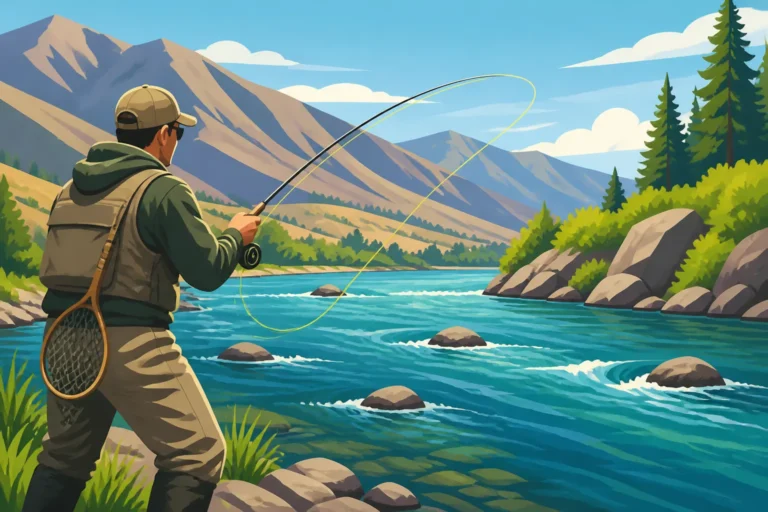
- Swinging Flies: This is the quintessential Morice River steelhead technique. Spey rods really shine here, allowing you to cover vast amounts of water with minimal effort. Use smaller, brighter flies early in the season, such as classic Intruder patterns, tube flies, or brightly colored leeches in sizes #4 to #1/0. Focus on broad, methodical swings through runs and the tail-outs of pools. Our guide on Fly Patterns for BC Steelhead Rivers offers some excellent suggestions.
- Drift Fishing: If regulations permit (always check the current synopsis!), drift fishing with roe bags, beads, or small lures can be incredibly effective, especially in deeper, slower pools where fish are concentrated. The key is a perfect, drag-free drift that presents your bait naturally to the fish. You can learn more about this in our article on Drift Fishing for Steelhead in BC Rivers.
- Pro Tip: Early season fish can be found higher in the water column and will often respond well to a faster, more aggressive swing. Don't be afraid to experiment with retrieve speed and fly action.
Mid to Late Season Challenges and Rewards
As autumn progresses into late October, November, and even December, the Morice River undergoes a transformation. The weather becomes colder, the days shorter, and the river itself takes on a different personality. This is the mid to late season, and while it presents more challenges, the rewards can be truly exceptional, often involving larger, more mature steelhead.
- Water Conditions: Water temperatures drop significantly, often hovering just above freezing. Water levels can fluctuate more dramatically with fall rains and early snow. Clarity might decrease after heavy precipitation, but often returns to that beautiful emerald green once the river drops and settles. Cold water generally means less aggressive fish.
- Fish Behavior: Steelhead in the mid to late season have been in the river longer. They're more lethargic in the colder water, often holding tighter to the bottom and requiring a slower, more deliberate presentation. They are less likely to chase a fly or lure from a distance. However, these are often the largest fish of the run, having had more time to ascend the river. This is prime time for those targeting Best time of year for trophy steelhead in BC.
- Recommended Techniques:
- Slow and Deep Swings: Switch to heavier sink tips (T-14 or T-17) and larger, darker, or more subdued fly patterns. Black and blue, purple, or olive Intruder-style flies are excellent choices. Slow your swing down considerably, allowing the fly to sink deep and move at a snail's pace through the holding water. Focus on covering every inch of prime real estate.
- Indicator Nymphing/Bottom Bouncing: In colder water, where fish are really glued to the bottom, indicator nymphing with large stonefly or leech patterns, or even "bottom bouncing" with lead and a single bead or cluster, can be highly effective if permitted. This presents the offering directly in their face. Again, always check current regulations for methods allowed.
- Stealth and Persistence: With colder water and wary fish, stealth becomes even more critical. Approach pools quietly, minimize false casts, and be prepared to spend ample time working a single run. Persistence is your greatest ally in the late season.
- Pro Tip: The late season can be brutal weather-wise, with freezing temperatures, rain, or snow. Dress in layers, prioritize warmth and waterproof gear, and carry emergency supplies. A hot thermos of coffee or soup can be a real game-changer!
Regardless of the season, understanding the river, adapting your techniques, and maintaining a conservation-minded approach are the hallmarks of a successful Morice River steelhead angler.
Essential Gear and Conservation Practices for Morice Steelhead
Success on the Morice River isn't just about knowing where the fish are; it's also about being properly equipped and, more importantly, understanding and practicing the core principles of conservation that keep this incredible fishery healthy for generations to come.
Recommended Tackle and Rigging
Steelhead fishing on the Morice, particularly for those pursuing the traditional fly fishing experience, demands specific gear. While spin gear can be effective (check regulations for specific stretches and seasons), a dedicated fly angler will find certain setups indispensable.
- Rods:
- Spey Rods: For swinging flies, a two-handed Spey rod is almost a necessity. A 13-14 foot 7 or 8-weight rod is a versatile choice, offering the power to cast heavy sink tips and large flies across wide runs, as well as the sensitivity to feel subtle takes. Brands like Sage, G. Loomis, and Echo are popular choices among steelhead anglers.
- Single-Hand Rods: A 10-foot 7 or 8-weight single-hand rod can be useful for smaller pockets, nymphing, or if you prefer a more conventional casting style. However, for covering water effectively on the larger Morice, the Spey rod is king.
- Reels: A high-quality large arbor fly reel with a strong, smooth disc drag is crucial. These fish are powerful, and you'll need a reel that can handle long, fast runs. Ensure it holds at least 200 yards of 30-pound backing.
- Lines:
- Skagit Lines: For Spey casting, a Skagit system (Skagit head, running line, and interchangeable sink tips) is highly recommended. Skagit lines excel at turning over heavy flies and sink tips.
- Sink Tips: A range of sink tips, from T-10 to T-17 (referring to grains per foot, indicating sink rate), will allow you to adapt to different water depths and currents throughout the season. Having a variety is essential for proper depth control.
- Leaders and Tippet: A strong leader is vital. Typically, a shorter leader (3-5 feet) of 15-20 pound fluorocarbon is used with Spey setups, ensuring your fly gets down quickly with the sink tip. Fluorocarbon is less visible in clear water and has good abrasion resistance.
- Flies: As discussed, Intruder patterns, tube flies, and large leech patterns are mainstays. Vary colors (bright for early season, darker for late) and sizes (#4 to #1/0 or larger). Having an assortment of patterns that imitate local baitfish or simply provoke a reaction strike is key. Our article on Best steelhead flies for the Skeena River will be highly relevant, given the Morice is part of that system.
- Waders and Boots: Quality breathable waders and sturdy wading boots with felt or rubber soles (often with studs for grip) are non-negotiable for comfort and safety in the cold, potentially slippery river.
- Other Essentials: Wading staff, polarized sunglasses (to spot fish and submerged structure), forceps/pliers for hook removal, a good landing net, and plenty of warm layers.
| Item Type | Early Season (Late Aug-Sep) | Late Season (Oct-Dec) |
|---|---|---|
| Rod | 13-14 ft 7/8 wt Spey or 10 ft 7/8 wt single-hand | 13-15 ft 8/9 wt Spey |
| Line System | Skagit head with T-10 to T-14 sink tips | Skagit head with T-14 to T-17 sink tips |
| Leader/Tippet | 15-20 lb fluorocarbon, 3-5 ft | 15-20 lb fluorocarbon, 3-5 ft |
| Flies | Brighter Intruder/Tube Flies (#4 – #1/0), Chartreuse, Pink, Orange | Darker Intruder/Tube Flies (#1 – #2/0), Black, Blue, Purple, Olive |
| Waders/Boots | Breathable waders, studded wading boots | Insulated breathable waders, studded wading boots, warm layers |
| Accessories | Wading staff, polarized sunglasses, net, forceps, PFD (if boating) | All early season accessories + thermos, hand warmers |
Practicing Responsible Steelhead Angling
The Morice River is home to a precious wild steelhead population, and its continued health depends entirely on responsible angling practices. These fish are a finite resource, and every angler has a role to play in their conservation.
- Catch and Release: The Morice River is predominantly a catch-and-release fishery for steelhead. Always confirm current regulations, but assume that all steelhead caught must be released unharmed. This is a critical component of sustaining these runs. You can find more information about this in our guide on BC Catch and Release Only Waters.
- Barbless Hooks: It is mandatory to use barbless hooks for steelhead in British Columbia. Barbless hooks minimize damage to the fish and make for quicker, safer releases. If your hooks come barbed, simply crimp them down with pliers.
- Minimize Handling: When you land a steelhead, try to keep it in the water as much as possible. If you must remove it for a quick photo, do so gently, supporting its body horizontally with both hands. Avoid touching its gills or dragging it onto rocks or gravel. Wet your hands before handling the fish to protect its slime coat.
- Quick Release: Have your camera ready before the fish is landed. Take your photo quickly, then release the fish promptly, holding it gently in the current until it swims away under its own power.
- Respect for Wildlife and Environment: The Morice is a wilderness river. Pack out everything you pack in, and leave no trace. Be aware of other wildlife in the area, including bears, and carry bear spray. Give other anglers plenty of space.
- Know the Regulations: Always, always consult the current BC Freshwater Fishing Regulations Synopsis before you go. Regulations for specific rivers, including the Morice, can change seasonally or in-season due to conservation concerns. Ignorance of the rules is not an excuse for violations. This includes understanding the BC Steelhead Conservation Surcharge Stamp requirement.
By adhering to these practices, you're not just ensuring your own ability to fish the Morice in the future; you're contributing to the legacy of this magnificent wild steelhead fishery for generations of anglers to come.
Disclaimer
Fishing regulations, license requirements, and local conditions in British Columbia can change frequently. While we strive to provide accurate and up-to-date information, it is your responsibility as an angler to always consult the official BC Freshwater Fishing Regulations Synopsis and any relevant fishery notices before heading out on the water. This guide is for informational purposes only and does not constitute legal or professional advice.