Best ice fishing access on Shuswap Lake
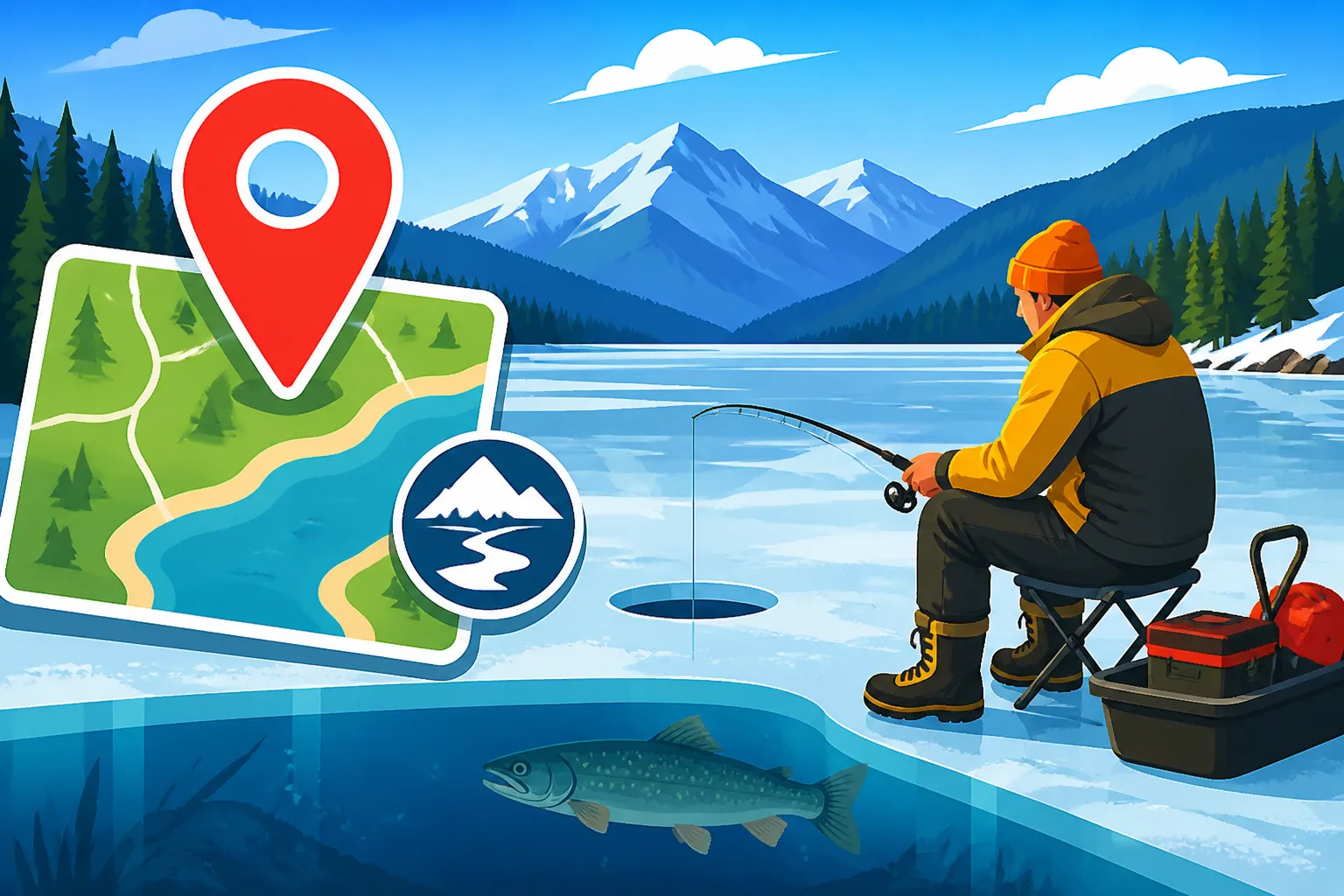
Oh, the crisp air, the vast expanse of white, the anticipation of a bite beneath your feet – ice fishing on Shuswap Lake is truly a magical winter experience in British Columbia. But let's be real, finding the best and safest spots to access this massive lake when it's locked under ice can feel like trying to find a needle in a haystack, especially if you're not a seasoned local. You're wondering where to park, what the ice conditions are, and where the fish actually are biting, right? This comprehensive guide is here to cut through that uncertainty, providing you with detailed insights into the prime ice fishing access points on Shuswap Lake, ensuring your winter angling adventure is both successful and safe.
The Unique Challenges and Rewards of Shuswap Lake Ice Fishing
Shuswap Lake isn't your average small, easily accessible ice fishing pond. It's a vast, deep, and complex system of interconnected arms, bays, and main lake areas, which means ice formation can vary wildly. What's safe in one bay might be dangerously thin just around the corner. This can be incredibly frustrating for anglers who drive hours only to find unsuitable conditions. However, the rewards for those who navigate these challenges are immense. Shuswap Lake boasts a healthy population of kokanee, rainbow trout, and burbot, offering diverse angling opportunities through the ice. It’s not just about catching fish, though; it’s about experiencing the profound stillness of a winter morning on one of B.C.'s most iconic lakes.
Understanding Shuswap Lake's Ice Dynamics
The sheer size and depth of Shuswap Lake mean that it doesn't always freeze over completely, or uniformly, every winter. The main body of the lake, especially deeper sections and areas with significant current, might never fully cap with safe ice. This is a critical point to remember, as venturing onto these areas can be incredibly dangerous. Instead, ice anglers typically target the shallower, more protected bays and arms of the lake where ice forms earlier and is generally more stable.
Areas like Salmon Arm, Sicamous Channel, and certain parts of the Anglemont and Scotch Creek shores tend to freeze more reliably. Even within these areas, factors like prevailing winds, snow cover (which insulates the ice and can slow further thickening), and recent temperature fluctuations play a massive role. Always, and I mean always, prioritize checking local conditions, talking to tackle shops, and observing current ice thickness before you even think about setting foot on the ice. A good rule of thumb is that if you're not absolutely sure, it's best to err on the side of caution. For a general understanding of ice safety, you'll want to review resources like How thick ice needs to be to fish safely in BC.
Prime Species to Target Through the Ice
Shuswap Lake is a diverse fishery even in winter. Your main targets will primarily be kokanee, rainbow trout, and burbot (also known as freshwater cod or lingcod).
- Kokanee: These landlocked sockeye salmon are incredibly popular with ice anglers. They are usually found suspended in the water column, often feeding on zooplankton. They can be finicky, but when you find a school, the action can be fast and furious. Learning How to Catch Kokanee in BC through the ice involves specific jigging techniques and small presentations.
- Rainbow Trout: Shuswap's rainbows can range from pan-sized stockers to respectable, wild "holdovers." They often cruise along drop-offs, weed lines, or near structure. Powerbait, small jigs, or even tip-ups with a worm can be effective.
- Burbot: The true winter warrior! Burbot are active feeders under the ice, often found near the bottom, especially in areas with rock or gravel substrate. These fish are delicious and provide excellent sport. If you're keen on targeting these unique fish, understanding their habits, similar to what's discussed in Burbot in Northern BC Lakes, will be incredibly helpful.
Top Ice Fishing Access Points on Shuswap Lake
Now, let's get down to brass tacks: where can you actually get onto the ice safely and efficiently? These are some of the most reliable and popular spots, but remember, conditions are dynamic.
Salmon Arm Bay
Salmon Arm, the town itself, is situated at the very end of one of Shuswap Lake's four main arms. This sheltered bay is often one of the first areas to form safe ice and one of the most popular for ice fishing.
- Access: Public access is generally good along the foreshore areas of Salmon Arm. The wharf area, while beautiful, isn't typically where you'd set up for ice fishing due to boat traffic and deeper water, but areas adjacent to public parks and smaller boat launches offer easier access points. You might find parking near popular spots like Marine Park or Sunnybrae.
- Species: Excellent for kokanee and rainbow trout. Burbot are also present, especially in deeper pockets within the bay.
- What to Expect: This area can get busy, especially on weekends when the ice is good. You'll often see a small "tent city" of ice shacks dotting the landscape. The ice here can be very reliable, but always drill a test hole or two, even if others are out. The convenience of being close to town amenities like tackle shops, coffee, and emergency services is a big plus. If you need any specific gear or bait, local shops in Salmon Arm will be your go-to.
Sicamous Channel and Mara Lake Connection
Sicamous, known as the "Houseboat Capital of Canada," sits at the junction of Shuswap Lake and Mara Lake, connected by a narrow channel. This channel and the shallower, protected bays of Mara Lake often offer fantastic early and late-season ice fishing.
- Access: Access points in Sicamous include public boat launches that are usually plowed, allowing for easier walk-on access. The channel itself might be too current-affected for safe ice, but adjacent shallower areas, particularly on Mara Lake's northern end near Sicamous, are prime.
- Species: Mara Lake is well-known for kokanee and rainbow trout. You might also encounter some whitefish.
- What to Expect: Mara Lake tends to freeze earlier and offer more consistent ice in its shallower sections compared to the main body of Shuswap. The Sicamous area also has good amenities, and local resorts sometimes have up-to-date ice reports. Be very mindful of current if you venture too close to the main channel connecting the two lakes; that’s where things get dangerous quickly.
Anglemont and Scotch Creek Shores
On the north shore of the main lake, towns like Anglemont and Scotch Creek offer a different set of opportunities, typically requiring a bit more local knowledge or a willingness to explore. These areas often have more sheltered coves and shallower bays that can form good ice.
- Access: Public access can be more fragmented here. Look for smaller public lake access points, often just dirt roads leading to the shore, or smaller community parks. Roadside parking might be available, but always be respectful of private property.
- Species: Good potential for rainbow trout and kokanee. Burbot can be found in the deeper water adjacent to the bays.
- What to Expect: These spots might be less crowded than Salmon Arm but can be equally productive. Always check local ice reports or ask at gas stations or small stores in these communities. The ice can vary widely along the length of the shore, so scouting is key. This is where a resource like FishingBooker might come in handy if you're looking for a local guide to show you the ropes and the safer spots, especially if it's your first time in the area.
Essential Ice Fishing Safety and Regulations
Ice fishing is a fantastic sport, but safety must always be your top priority. The thrill of the catch is never worth risking your life. This is especially true on a large, dynamic body of water like Shuswap Lake.
Ice Thickness and Conditions
As mentioned, Shuswap Lake's ice conditions can be notoriously variable. Never assume the ice is safe just because others are on it, or because it was safe yesterday. Always bring an ice spud bar or auger to test the ice as you go.
Here’s a quick guide to minimum safe ice thickness for different activities:
| Activity | Minimum Safe Ice Thickness | Notes |
|---|---|---|
| Walking/Ice Fishing (Single) | 4 inches (10 cm) | Clear, solid new ice. Double this for white or opaque ice. |
| Small Group (2-3 people) | 6 inches (15 cm) | Spread out, test frequently. |
| Snowmobile/ATV | 8-12 inches (20-30 cm) | Requires significant caution, always travel with a buddy. |
| Small Car/Light Truck | 12-15 inches (30-38 cm) | Generally not recommended on Shuswap due to variability. |
Remember that slush, cracks, pressure ridges, and areas around inflowing streams or currents can significantly weaken ice. Always tell someone where you're going and when you expect to return. Carry safety gear like ice picks, a rope, and a whistle. Layer your clothing to stay warm, and don't forget waterproof outer shells.
Licenses and Regulations
Before you even step on the ice, ensure you have the correct fishing license. For freshwater fishing on Shuswap Lake, you'll need a valid BC Fishing License. This typically means a Freshwater Fishing License. You can purchase these online or from various vendors across B.C.
It’s crucial to understand the BC Fishing Regulations Explained for Shuswap Lake. Pay close attention to:
- Bag and Possession Limits: These vary by species and sometimes by specific water body. For kokanee, for instance, there are specific BC Kokanee Retention Rules that you must follow.
- Gear Restrictions: While generally liberal for ice fishing, certain lures or bait types might be prohibited in specific areas or for certain species. Always check the current Freshwater Fishing Synopsis.
- Closed Waters/Seasons: Ensure the area you're fishing isn't subject to any closures. While Shuswap is generally open for ice fishing in winter, it's always good to cross-reference with the latest regulations or BC Fishing Seasons by Month.
- Conservation Stamps: Depending on what you're targeting, you may need additional stamps. For example, if you're retaining certain salmon species (though less common in ice fishing on Shuswap, it's good to know for other seasons), you'd need a Salmon Conservation Stamp.
Fishing without a proper license or violating regulations can lead to serious consequences, including significant fines. You definitely don't want to experience a BC fishing without a license penalty.
Planning Your Shuswap Lake Ice Fishing Trip
A well-planned trip is a successful and enjoyable trip. Beyond just knowing where to go, considering the timing, gear, and local resources can make all the difference.
Best Time to Go and What to Bring
The ice fishing season on Shuswap Lake typically kicks off in late December or early January, once safe ice has formed, and can extend through March, depending on the year and specific bay. The absolute "best time of year to fish in BC" for ice anglers is often mid-January to mid-February when ice is usually at its thickest and most stable, and fish are actively feeding.
When packing, think layers for clothing. It might be calm and sunny, but temperatures can drop quickly, and wind chill is a real factor.
- Essential Gear:
- Ice auger (manual or power)
- Ice spud bar (for testing ice)
- Ice picks (worn around your neck for self-rescue)
- Flotation suit or PFD (highly recommended)
- Warm, waterproof boots and gloves
- Portable ice shelter (to escape the wind)
- Heater (propane or catalytic, with proper ventilation)
- Depth finder/fish finder (flasher or sonar)
- Ice fishing rods and reels (ultralight for kokanee, medium for trout/burbot)
- Variety of small jigs, spoons, and bait (worms, maggots, powerbait, cut bait for burbot)
- Five-gallon bucket (for sitting, carrying gear, or fish)
- First-aid kit
- Thermos with hot beverages and plenty of snacks
- Headlamp or lantern for low light conditions
Local Resources and Guided Experiences
Don't underestimate the value of local knowledge. Before heading out, check in with tackle shops in Salmon Arm or Sicamous. They often have the most current and reliable ice reports, know which baits are working, and can provide invaluable local tips. Online forums or local fishing groups on social media can also be great resources for up-to-the-minute conditions, but always verify information with multiple sources.
If you're new to ice fishing or to Shuswap Lake specifically, considering a guided trip can be a fantastic way to learn the ropes safely and effectively. Guides have the local expertise, the right gear, and can take you directly to productive and safe spots. Platforms like FishingBooker can help you find experienced local guides who specialize in ice fishing on Shuswap Lake. This can be especially beneficial if you’re looking to maximize your chances of success, or simply want to enjoy the experience without the stress of navigating a new body of water.
Remember that Shuswap Lake Fishing Guide articles or videos can also offer general insights, even if they aren't specifically about ice fishing, as they'll cover the lake's geography and fish populations. Having access to current fishery notices and knowing how to check BC Fishery Notices and In-Season Closures, Explained is also critical, as regulations can change throughout the season due to conservation efforts or fish runs.
Embrace the Winter Wonderland
Ice fishing on Shuswap Lake is an unforgettable experience, offering a unique blend of challenge and tranquility. While the initial hunt for safe access might seem daunting, the rewards of pulling a feisty kokanee or a deep-dwelling burbot through the ice, surrounded by the stunning winter scenery of the Okanagan Valley, are truly special. By prioritizing safety, understanding the lake's dynamics, and leveraging local knowledge and resources, you're well on your way to a memorable winter angling adventure.
Disclaimer
Please note that ice conditions can change rapidly and unpredictably. This guide provides general information and popular access points, but it is your sole responsibility to assess ice safety on the day of your trip. Always check local conditions, exercise extreme caution, and prioritize personal safety above all else. Neither the author nor the publisher assumes any responsibility for accidents or injuries sustained while ice fishing.