Adams River salmon run viewing and fishing access
The Adams River salmon run is an experience that truly takes your breath away, but let's be honest, trying to figure out where to go, when to visit, and whether you can even cast a line can feel like navigating a maze. It's easy to get overwhelmed by conflicting information or miss the peak entirely. This guide is here to cut through the confusion, offering a clear path to both witnessing this incredible natural spectacle and understanding the delicate balance of fishing access in such a treasured environment.
Understanding the Adams River Salmon Run Phenomenon
The Adams River, flowing into Shuswap Lake in the interior of British Columbia, is home to one of the largest and most awe-inspiring sockeye salmon runs in the world. When these vibrant red fish return from the Pacific Ocean, their journey is a testament to nature's resilience, drawing thousands of onlookers and captivating even the most seasoned outdoors enthusiasts. It’s an ecological marvel that truly defines the spirit of British Columbia.
The Sockeye Salmon Life Cycle in Adams River
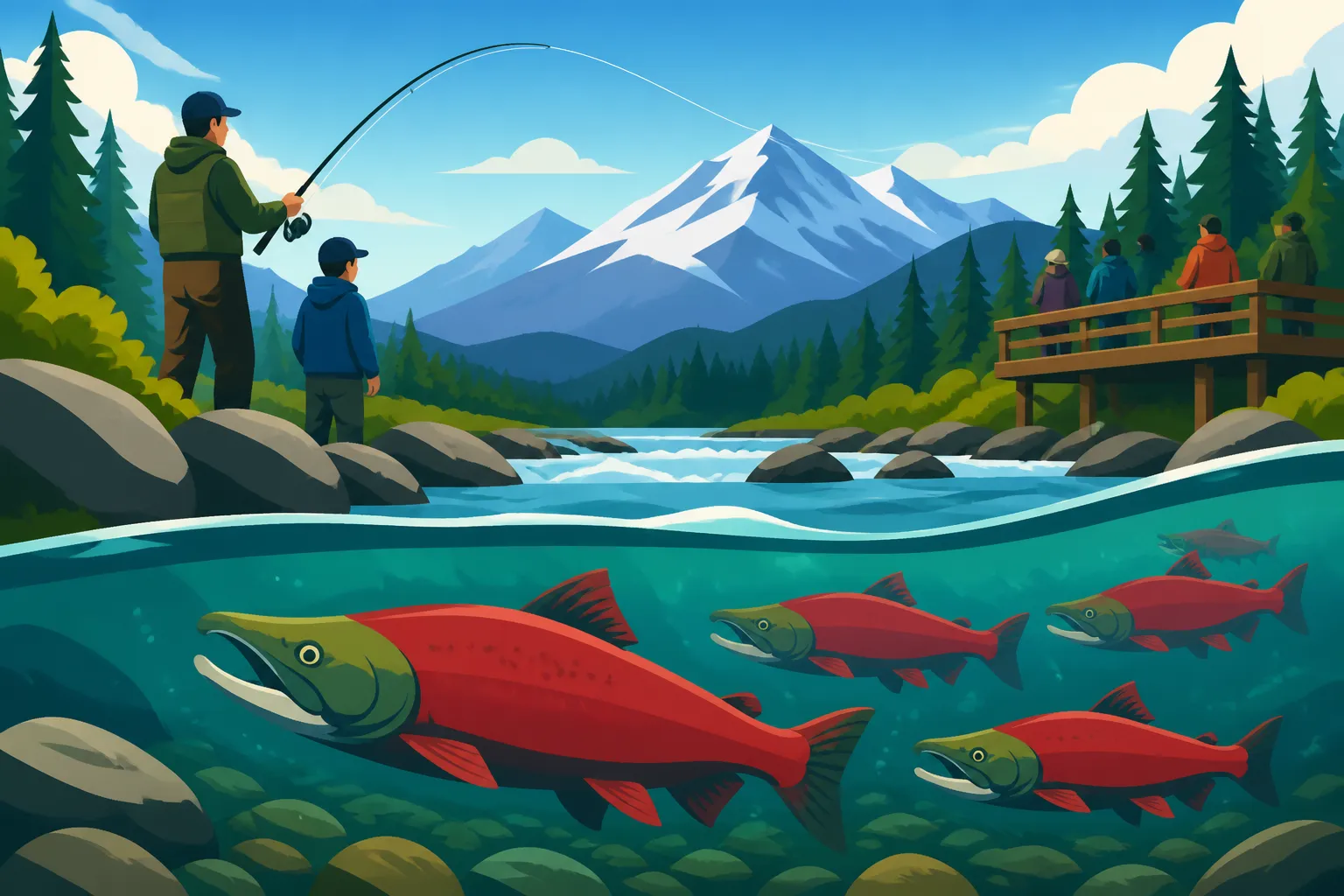
Imagine spending four years in the vast Pacific Ocean, growing strong, before instinct calls you home to the very stream gravel where you were born. That's the incredible journey of the sockeye salmon returning to the Adams River. They travel hundreds of kilometers upstream, battling currents and predators, all fueled by the stored energy from their ocean feast. Once they reach their spawning grounds, their bodies transform, turning a brilliant crimson red with olive-green heads, ready to complete their life's purpose. The females dig nests, called redds, where they deposit their eggs, which the males then fertilize. After spawning, both parents, having expended all their energy, die, their bodies returning vital nutrients to the ecosystem, feeding everything from eagles and bears to the next generation of salmon fry. If you're keen to understand this epic journey in more detail, our comprehensive guide on the Sockeye Salmon Life Cycle in the Fraser System offers a fantastic deep dive.
Prime Viewing vs. Fishing Years
The Adams River sockeye run operates on a distinct four-year cycle, which dramatically influences both viewing opportunities and fishing regulations. While there's a run every year, one year out of four is designated as the "dominant" year, bringing millions of sockeye back to the Adams River. These dominant years are truly spectacular, with the river appearing to turn red with fish. The years between are "sub-dominant" or "off-cycle" years, where the numbers are significantly smaller, though still impressive in their own right.
- Dominant Years (e.g., 2026, 2030): Expect massive numbers of fish. These are the prime years for viewing, drawing crowds from all over the world. Because of the sheer volume and the critical nature of the run, fishing regulations are often extremely tight, sometimes even leading to full closures for salmon in the river itself to ensure maximum spawning success.
- Sub-dominant/Off-cycle Years: While fewer fish return, these years still offer a beautiful, albeit less crowded, viewing experience. Fishing opportunities, especially for other species like trout, might be more consistent, but strict regulations regarding salmon will always apply.
Understanding this cycle is key to planning your trip, whether you're hoping to witness an unparalleled natural event or hoping to cast a line.
Best Time to Witness the Run
The sockeye typically begin arriving in the lower reaches of the Adams River in late September, with the run peaking in mid-October. This window can shift slightly depending on water levels, temperatures, and the specific year, but generally, the second and third weeks of October offer the most intense viewing experience during a dominant year.
During the peak, you'll see thousands upon thousands of fish, their vibrant red bodies creating a living tapestry in the clear river waters. This is when they are actively spawning, a truly mesmerizing display of natural instinct. However, even in late September or early November, you can still observe fish, though their numbers might be less concentrated. Early season sees them transitioning from silver to red, while later season shows the remnants of their life cycle, vital for the ecosystem.
Accessing the Adams River for Viewing
The main hub for experiencing the Adams River sockeye run is undoubtedly Roderick Haig-Brown Provincial Park, a dedicated space designed to protect the salmon and provide an accessible, educational experience for visitors.
Roderick Haig-Brown Provincial Park
This park, named after a renowned conservationist and author, is a true gem. It sits right on the Adams River, offering prime viewing areas that are both well-maintained and respectful of the salmon's natural habitat. You’ll find several accessible walking trails that wind along the riverbanks, leading to viewing platforms and interpretive signs that explain the salmon's journey and the river's ecosystem.
The main parking lot can get incredibly busy during dominant run years, especially on weekends in October, so arriving early is always a good idea. There are washroom facilities available, and the trails are generally easy walking, making it suitable for families with children and those with mobility challenges. This is where most people come to see the spectacle, and for good reason – the park staff and volunteers often provide educational talks, adding another layer to the experience. They also do a fantastic job of managing the crowds, ensuring everyone gets a chance to respectfully observe the fish.
Alternative Viewing Locations
While Roderick Haig-Brown Provincial Park is the primary destination, if you're looking to escape the busiest crowds or explore a bit more, there are a few less formal spots. The Adams River flows out of Adams Lake and into Shuswap Lake. You might find smaller pockets of fish in quieter sections of the river upstream or near its mouth. However, these areas often lack the dedicated infrastructure of the park, and public access can be limited. Always respect private property and be mindful of your impact on sensitive riparian zones. Sometimes, simply finding a quieter bend in a nearby tributary or a less-trafficked section of the Shuswap Lake shoreline where the river flows in can offer a more solitary viewing experience, though with potentially fewer fish visible.
Tips for a Respectful and Enjoyable Viewing Experience
To ensure everyone can enjoy this natural wonder for generations to come, here are a few key tips:
- Plan Ahead: Especially during dominant years, check the park's website or local tourism sites for current conditions and predicted peak viewing times. Road access can sometimes be affected by local events or weather.
- Arrive Early or Late: To avoid the peak crowds in mid-October, aim for early mornings or late afternoons. Weekdays are generally less busy than weekends.
- Stay on Designated Trails: This is paramount. Wandering off trails can disturb the salmon, damage their redds (nests) in the riverbed, and harm fragile vegetation.
- Keep Noise to a Minimum: Loud noises can stress the fish. Speak softly and move quietly.
- No Pets in the River: Keep dogs leashed and out of the water, as they can disturb spawning salmon and their redds.
- Leave No Trace: Pack out everything you pack in. There are garbage receptacles, but if they're full, take your trash with you.
- Bring Binoculars: While many fish are visible close to shore, binoculars can help you spot activity further out or identify other wildlife, like eagles and bears, drawn to the salmon.
- Dress in Layers: October weather in the interior can be unpredictable, ranging from crisp and sunny to cool and rainy. Waterproof outerwear is always a good idea.
By following these guidelines, you contribute to the conservation efforts that make this run possible.
Fishing Opportunities on the Adams River
Now, for the question many anglers have: can you actually fish the Adams River during the salmon run? The short answer is usually "no" for the sockeye themselves, due to critical conservation efforts, but opportunities for other species might exist depending on the year and specific regulations. It's a prime example of how crucial it is to check the BC Fishing Regulations Explained before heading out.
Regulations and Restrictions for Salmon Fishing
The Adams River sockeye run is an incredibly fragile and vital component of the Pacific salmon ecosystem. Therefore, fishing for sockeye salmon in the Adams River and its immediate vicinity is almost always closed or heavily restricted during the run to protect the spawning fish. This is a non-negotiable conservation measure. Trying to fish for them during this time is not only illegal but also incredibly detrimental to the future of the run.
Anglers must purchase a British Columbia Fishing License Guide for 2026 and, for freshwater salmon, often require a BC Salmon Conservation Stamp Rules, even if targeting other species. However, even with these, the specific rules for the Adams River and its tributaries, especially during the sockeye run, are often "catch-and-release only" for all species, or even full closures for particular sections or species. It is absolutely essential to consult the current BC Fishing Season Dates and Closures and fishery notices published by Fisheries and Oceans Canada (DFO) and the BC government just before your trip. These notices are updated frequently and can change without much warning based on fish returns and environmental conditions. Ignoring these regulations can lead to significant penalties, including hefty fines and loss of gear, as detailed in our article on Fishing Without a License in BC: Penalties.
Best Spots and Techniques for Adams River Fishing
Given the strict regulations surrounding salmon during the run, responsible angling in the Adams River itself typically shifts focus to other species, or is simply not permitted during the peak sockeye period. However, in non-salmon closure periods, the Adams River, like many BC rivers, can hold resident rainbow trout and Dolly Varden (a char species often confused with bull trout). These fish are often found lurking in deeper pools or behind structure, feeding on insects or, after the salmon spawn, on their eggs.
If and only if fishing is explicitly permitted for these species, common techniques might include:
- Fly Fishing: Light fly rods (3-6 weight) with nymphs, dry flies (during hatches), or small streamers can be effective. After the salmon have spawned, egg patterns can sometimes entice resident trout and char.
- Spin Fishing: Small spoons, spinners, or soft plastic baits mimicking salmon eggs can be used. Again, adherence to specific lure and bait restrictions is paramount, and often single, barbless hooks are mandatory.
It's critical to remember that if you are fishing in areas where salmon are present, even if you are targeting other species, you might accidentally hook a salmon. In such cases, the rule is always to release it immediately and unharmed. Many areas near the spawning grounds are designated BC Catch and Release Only Waters for all species. Always ensure you understand if you need a BC Freshwater vs Tidal Waters License, Explained for the specific waters you are fishing.
The Role of Conservation and Responsible Angling
The Adams River salmon run is a stark reminder of the delicate balance in our natural world. Anglers have a crucial role to play in its conservation. This means adhering strictly to all regulations, practicing careful catch-and-release, minimizing disturbance to the fish and their habitat, and educating others about responsible practices.
Think of it this way: every fish that successfully spawns contributes to the next generation, ensuring this spectacular event continues. As passionate anglers, we want to see these runs thrive, and that means putting conservation first, especially in critical spawning areas like the Adams River. Your respect for the rules directly impacts the health of the entire ecosystem.
Planning Your Trip to Adams River
A trip to the Adams River, whether for viewing or a careful angling adventure, requires a bit of planning to make the most of your time. This region of British Columbia is truly beautiful, and there’s plenty to explore beyond the riverbanks.
Accommodation and Amenities Nearby
The Adams River is located in a relatively rural area, but there are several charming towns nearby that offer accommodations, dining, and other amenities.
- Chase: This small village is the closest community to Roderick Haig-Brown Provincial Park, just a short drive away. It offers a few motels, bed and breakfasts, and basic services like grocery stores and gas stations. It’s a great base for quick access to the park.
- Salmon Arm: A larger community located further east along Shuswap Lake, Salmon Arm provides a wider range of hotels, restaurants, and shops. It's a more bustling option with more conveniences and is still within a reasonable driving distance of the Adams River.
- Sorrento/Blind Bay: These communities along Shuswap Lake between Chase and Salmon Arm also offer various cabins, resorts, and vacation rentals, often with beautiful lake views.
During dominant salmon run years, accommodation can book up quickly, especially for October weekends. It's highly recommended to reserve your lodging well in advance.
Engaging a Local Guide or Charter
While the Adams River is a viewing spectacle, if you're keen on combining your trip with fishing for other species in the broader Shuswap region, or want expert guidance on navigating the complex regulations and identifying prime spots, considering a local guide is a smart move. A knowledgeable guide can provide invaluable insights into river conditions, regulations, and the best techniques for success, particularly for species like rainbow trout in the many surrounding lakes.
You can often find reputable local guides through online booking platforms or by checking with local tackle shops in towns like Salmon Arm. Services like FishingBooker connect you with experienced local guides who can tailor a trip to your interests, whether it's fly fishing for Kamloops trout in nearby lakes or targeting other species in the region's diverse waters. They often know the nuances of BC Fishing Regulations Explained down to the kilometer and can ensure your trip is both productive and compliant. A guide can significantly enhance your experience, especially if you're new to the area or seeking specific fish species, and they handle all the equipment. If you're wondering how to pick the right one, our guide on How to Choose a BC Fishing Charter offers excellent advice.
Essential Gear and Supplies
Whether you’re primarily viewing or doing some permitted angling, coming prepared makes all the difference:
- For Viewing:
- Layers of Clothing: As mentioned, interior BC weather can change quickly.
- Rain Gear: A waterproof jacket and perhaps pants are advisable.
- Comfortable Walking Shoes: You'll be doing a fair amount of walking on park trails.
- Camera and Binoculars: To capture the beauty and spot distant wildlife.
- Water and Snacks: Especially if you plan to spend several hours in the park.
- Sunscreen and Hat: Even in October, the sun can be strong.
- Bear Spray: While rare, wildlife encounters are possible. Know how to use it safely.
- For Angling (if permitted for target species):
- Current BC Fishing License and Conservation Stamps: Absolutely non-negotiable.
- Appropriate Rod and Reel Setup: Typically light to medium action for trout.
- Tackle: Flies, lures, or bait as dictated by regulations. Always carry barbless hooks.
- Waders and Boots: If you plan on wading, ensure they are clean to prevent invasive species transfer.
- Landing Net: Rubberized nets are best for gentle catch-and-release.
- Pliers/Forceps: For easy hook removal.
- A Bag or Cooler: If you are legally retaining fish.
Remember, the goal is to respect the Adams River and its salmon. This natural wonder is a privilege to witness, and our actions ensure its longevity. The surrounding region of Shuswap Lake also offers fantastic fishing for other species, making it a great complement to your salmon viewing trip, so check out our guide on the Best Fishing Lakes in British Columbia for more ideas.
Here's a quick summary to help you plan your Adams River visit:
| Aspect | Details (Dominant Run Years e.g., 2026, 2030) | Details (Off-Cycle Years) | General Fishing Regulations (Adams River) |
|---|---|---|---|
| Prime Viewing Time | Mid-October (2nd/3rd week generally peak) | Mid-October (fewer fish, less crowded) | Sockeye Salmon: Closed for fishing |
| Best Viewing Location | Roderick Haig-Brown Provincial Park | Roderick Haig-Brown Provincial Park | Other Species: Check DFO notices for closures and specific regulations (often C&R, barbless hooks). |
| Expected Crowds | Very High (especially weekends, peak season) | Moderate (still popular, but manageable) | License Required: Yes, BC Freshwater License + Salmon Stamp (even if C&R salmon) |
| Local Accommodation | Book well in advance (Chase, Salmon Arm, Sorrento) | Easier to find, but still recommended to book early | Best Practice: Assume catch & release only; verify all rules before casting. |
Disclaimer
Fishing regulations and conditions in British Columbia can change rapidly. While we strive to provide the most up-to-date and accurate information, it is the angler's responsibility to consult the official Fisheries and Oceans Canada (DFO) regulations and the BC Freshwater Fishing Synopsis before any fishing trip. Always verify specific rules for your chosen fishing location and target species.