Tofino Halibut Fishing
Oh, the call of the wild West Coast! There's nothing quite like the dream of heading out from Tofino, the salty spray on your face, knowing that beneath those deep, emerald waters lies a true giant: the Pacific halibut. But planning that trip can feel like trying to navigate a kelp forest in the fog – where do you even start with spots, gear, or understanding the weather? Don't worry, friend, this guide is here to untangle all that for you, offering a comprehensive look at what makes Tofino an unparalleled destination for halibut anglers.
Why Tofino is a Halibut Angler's Dream Come True
Tofino isn't just a picturesque surf town; it's a gateway to some of British Columbia's most productive fishing grounds, especially for those chasing the mighty Pacific halibut. Anglers come from all over the world, drawn by the promise of battling these flatfish that can grow to impressive sizes and put up an unforgettable fight. It’s a place where every cast holds the potential for a true trophy.
The Abundance of Pacific Halibut
What makes Tofino so special for halibut? It's largely due to its unique oceanographic conditions. The waters off the west coast of Vancouver Island are incredibly rich, fed by upwellings that bring nutrient-dense cold water from the deep to the surface. This creates a vibrant marine ecosystem, acting like a giant buffet for a huge variety of baitfish and crustaceans, which in turn attracts larger predators, including the Pacific halibut. These bottom-dwelling giants are ambush predators, lying in wait for an easy meal, and the sheer volume of available food means they thrive here.
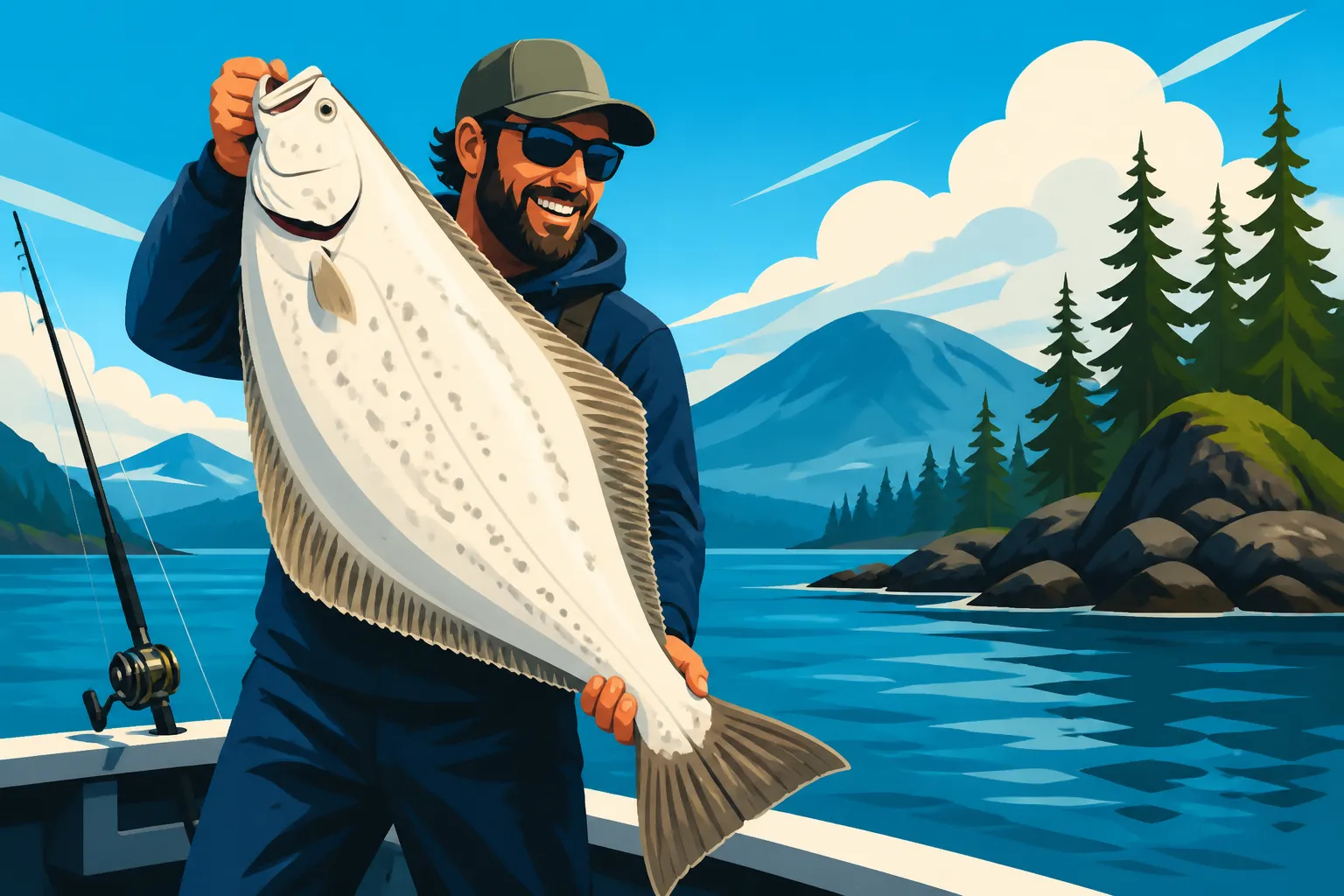
You’re not just looking for any fish when you head out from Tofino; you're often targeting robust, healthy halibut that can easily tip the scales into the triple digits. Landing one of these magnificent creatures is often the highlight of an angler's year, if not their entire fishing career. The strength required to haul a 50, 100, or even 200-pound halibut from the depths is legendary, and the sheer exhilaration of the battle is something you truly have to experience to understand. It's a testament to the rich, wild waters that surround this part of British Columbia.
Tofino's Unique Coastal Environment
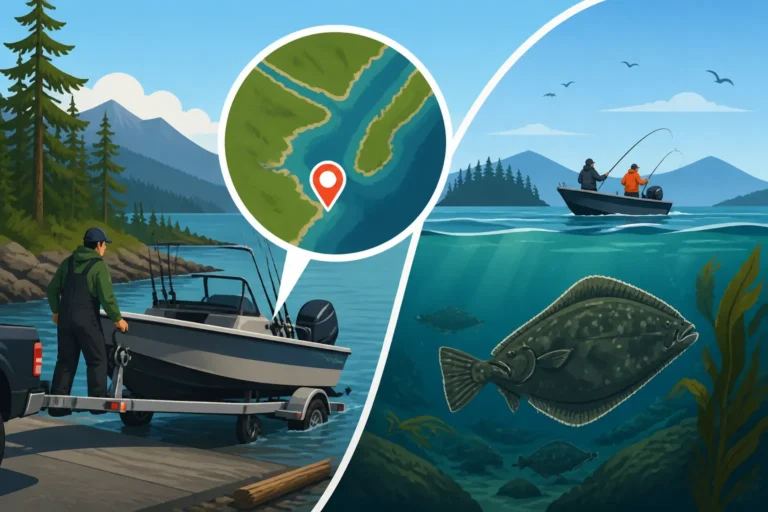
Beyond the abundance of fish, Tofino’s specific geography plays a huge role in its appeal. The coastline here is rugged and dramatic, characterized by deep fjords, countless islands, and intricate underwater structures like reefs, ledges, and deep-water banks. This varied topography creates an array of habitats perfect for halibut. They tend to congregate in deeper channels, on the edges of banks, or near submerged pinnacles where currents bring food directly to them. This diversity means that guides and experienced anglers have numerous spots to choose from, depending on the tide, weather, and time of year.
The offshore banks and submarine canyons accessible from Tofino are prime halibut territory. Places like the "Big Bank" or various lesser-known pinnacles and drop-offs are famous for holding large numbers of these fish. Furthermore, the sheer beauty of the Clayoquot Sound and the open Pacific swells provides an incredible backdrop to your fishing adventure. You're not just fishing; you're immersed in a wild, pristine environment where bald eagles soar, whales breach, and sea lions bark from distant rocks. It's an experience that transcends simply catching fish, connecting you directly with the raw power and beauty of the Pacific Northwest.
Best Times and Seasons for Tofino Halibut
Timing is everything when it comes to halibut fishing in Tofino. While you might occasionally hook into one outside the prime window, knowing the peak seasons and understanding how natural factors like tides and weather influence their behaviour can dramatically increase your chances of success. It's not just about when the fish are there, but when they're most actively feeding and when conditions are safest and most pleasant for you.
Peak Season for Pacific Halibut
Generally, the best time to target Pacific halibut off Tofino runs from late spring through early fall, roughly from May to September. This window offers the most consistent weather patterns, which is a huge factor when venturing out into the open Pacific, and it coincides with the halibut’s most active feeding periods. As the water temperatures rise slightly, baitfish become more abundant, and the halibut move into shallower, more accessible feeding grounds, often from 100 to 600 feet of water.
July and August are often considered the absolute prime months, with typically calmer seas and warmer weather making for more comfortable and productive trips. During these months, the halibut are voraciously feeding, building up their reserves, and are more likely to strike a well-presented bait or lure. However, seasoned anglers know that early season (May-June) can often yield some of the biggest fish, as the large, mature halibut move into their summer feeding grounds. Don't discount September either; while the weather can become a bit more unpredictable, the fishing can still be fantastic, often with fewer boats on the water.
Understanding Tides and Weather Patterns
Successfully fishing for halibut isn't just about the calendar month; it's heavily influenced by the daily tides and prevailing weather. Halibut, being bottom dwellers, are significantly impacted by strong currents. Many experienced anglers swear by fishing around slack tide – the period of minimal current flow between the incoming and outgoing tides. This is because strong currents make it incredibly difficult to keep your bait or lure on the bottom where the halibut are, requiring excessively heavy weights that take away from the feel of the bite. During slack tide, your gear can stay down, and the halibut don't have to fight a strong current to feed, making them more likely to investigate your offering.
Weather is, perhaps, the most critical factor when planning a Tofino halibut trip. The open Pacific can be unforgiving. Strong winds can quickly whip up significant swells, making for an uncomfortable, unproductive, and potentially dangerous day on the water. Fog is also a common occurrence, especially in the mornings, which can delay departures or make navigation challenging. Always check the marine forecast before heading out, and be prepared for conditions to change rapidly. A good charter captain will prioritize safety above all else and will not hesitate to reschedule or alter a trip if the weather turns. It’s better to have a safe, enjoyable day than to push conditions beyond their limits. For broader planning, you might want to consult a guide on the BC Fishing Seasons by Month to get a better overview of what to expect throughout the year.
Essential Gear and Tackle for Tofino Halibut Fishing
Landing a Pacific halibut isn't like catching a trout in a quiet lake. These are powerful, broad-shouldered fish that can test even the most robust gear. Showing up with inadequate tackle is a recipe for disappointment, and potentially, lost fish and broken dreams. Investing in or ensuring your charter provides the right equipment is paramount to success.
Heavy-Duty Rods, Reels, and Line
When you're targeting fish that can weigh over 100 pounds and live in deep, often current-swept waters, you need gear that's built for battle. For rods, think heavy-duty conventional setups. A good halibut rod will be stout, with a strong backbone to lift heavy weights and turn a powerful fish, but still possess a sensitive tip to detect subtle bites. Rods rated for 50-80 lb line or even 80-130 lb are common. Many anglers prefer shorter stand-up rods (5'6" to 6'6") for maximum leverage during a prolonged fight, especially if you're battling a true monster.
Matching that rod with a robust, high-capacity reel is crucial. Lever drag reels from reputable brands like Shimano, Penn, or Avet are popular choices. You'll want a reel with excellent drag capabilities, able to apply significant pressure smoothly without seizing up under the immense strain of a large halibut's runs. Spooling up with strong braided line is the standard. Many anglers opt for 80-130 lb test braid because of its incredible strength-to-diameter ratio and zero-stretch properties, which are vital for feeling bites in deep water. A monofilament topshot of 50-100 lb test is often added, primarily for abrasion resistance against the fish's rough mouth and the seafloor, and to provide a bit of shock absorption. Having the right combination ensures that when that powerful tug comes, you’re ready to answer the call.
Baits, Lures, and Rigs That Work
Halibut are opportunistic feeders, but some presentations are far more effective than others. The key is to offer something enticing that stays on the bottom. Natural baits are incredibly popular and often outperform artificials, especially for bigger, more cautious fish. Fresh bait is always best, with oily options being particularly effective because their scent plume attracts halibut from a distance.
Popular Baits & Lures for Tofino Halibut
| Type | Examples | Best Use | Notes |
|---|---|---|---|
| Natural Baits | Whole or cut herring, salmon bellies, octopus, squid, mackerel, sardine | Drifting or anchored bottom fishing | Oily baits emit strong scent; use circle hooks for better hookups. |
| Jigs | Large metal jigs (e.g., Delta, Crippled Herring), soft plastic swimbaits (e.g., B2 Squid, P-Line Phat Phish) | Vertical jigging, targeting aggressive fish | Vary weight (12-32 oz) based on depth and current. |
| Spreader Bars | With hoochies, plastic squids, or bait | Slow trolling or drifting near bottom | Creates a school of baitfish illusion. |
| Rigging | Circle hooks (12/0 to 20/0), heavy monofilament or fluorocarbon leaders (80-150 lb) | Essential for bait presentation | Use weights (1-3 lbs) to maintain bottom contact; assist hooks on jigs. |
When it comes to rigging, many anglers prefer a simple but sturdy setup. A common rig involves a heavy lead weight (often 1-3 pounds, depending on depth and current) attached to a spreader bar or a three-way swivel, with a leader extending to a large circle hook. Circle hooks are highly recommended because they typically hook the fish in the corner of the mouth, reducing gut-hooking and making catch and release much safer for the fish. Fluorocarbon leaders are also a good choice for their invisibility underwater and abrasion resistance. Understanding how to present these options effectively is part of mastering the art of Halibut Fishing Techniques for BC's Coast.
Top Tofino Halibut Fishing Techniques
Halibut fishing isn't just about dropping a line and waiting; it involves strategic techniques refined over years by local pros. The vastness of the ocean and the specific habits of these bottom dwellers mean you need to employ methods that actively seek them out and entice them to bite.
Bottom Fishing and Drifting
The most common and often most effective way to catch halibut in Tofino is through bottom fishing, typically done by drifting or anchoring. When you're drifting, you let the boat's movement, whether from wind or current, slowly pull your bait or lure across the seabed. This covers a lot of ground and can be incredibly effective for locating scattered halibut or areas where they are actively feeding. The trick is to use enough weight to stay on the bottom but not so much that you can’t feel subtle bites. It's a delicate balance that often requires constant adjustment of your weight or line.
Alternatively, anchoring over a known halibut hotspot can be deadly, especially during periods of slack tide. Once you've found a promising structure – maybe a drop-off, a ledge, or a pinnacle that shows baitfish on your sonar – dropping anchor allows you to saturate that area with scent from your bait and present your offering precisely. On a good day, halibut might move into your scent trail, creating a feeding frenzy. Many anglers will "chum" with chopped bait to further attract fish to their anchored position. The art of bottom fishing involves paying close attention to your rod tip for any twitch, tap, or sudden weight that signals a bite, and then setting the hook with a steady lift, especially when using circle hooks. For a deeper dive into specific tactics, consider researching Jigging for Halibut off Vancouver Island.
Jigging for Halibut
While bait fishing is a cornerstone, jigging is another highly productive technique, especially when halibut are aggressive or you're trying to cover water quickly. This method involves using large, heavy metal jigs or soft plastic swimbaits, dropping them to the bottom, and then working them with an erratic, up-and-down motion. The idea is to mimic a wounded baitfish or squid, triggering the halibut's predatory instincts.
Effective jigging requires a rhythmic retrieve. Drop your jig to the bottom, then lift your rod sharply, letting the jig flutter and fall back down. Often, the strike will come on the fall, so it's crucial to maintain light tension on your line to feel any resistance. Some anglers prefer a slow, methodical lift and drop, while others swear by more aggressive snaps and long pauses. Experimentation is key to figuring out what the fish want on any given day. Jigs come in various weights, from 12 ounces up to 32 ounces or more, to ensure you can reach and stay on the bottom in strong currents and deep water. The beauty of jigging is its active nature; it keeps you engaged and provides an exhilarating hook-up when a halibut slams your offering.
Navigating Regulations and Conservation
Fishing in British Columbia, especially for iconic species like halibut, comes with a responsibility. The Department of Fisheries and Oceans (DFO) establishes strict regulations to ensure the sustainability of these incredible fish for future generations. It's not just about knowing where the fish are; it's about knowing the rules and practicing ethical angling. Failing to comply with these rules can result in hefty fines and the loss of your fishing privileges.
Understanding Bag and Possession Limits
The regulations for Pacific halibut can be complex and are subject to change, so always, always consult the most recent DFO Pacific Region recreational fishing regulations before you head out. These can be found on the DFO website or through local tackle shops and charter operators. As of the typical season, anglers generally face a daily limit, often one halibut per day, and specific annual possession limits. For example, the BC halibut bag limit rules generally dictate that anglers can retain one halibut per day, and often have an annual limit, which for Canadian residents is often two to four halibut, sometimes with slot limits dictating minimum and maximum sizes for retention.
Non-resident anglers might have different regulations, sometimes including reduced daily and annual limits, or specific rules for how long they can retain fish. Furthermore, there might be specific size restrictions – a minimum length to ensure juveniles aren't harvested, and sometimes a maximum length, encouraging the release of large, mature breeding females. These measures are critical for managing the halibut population. Understanding these rules is essential for a legal and sustainable fishing trip. If you're planning a trip, be sure to check out the detailed BC Halibut Bag Limit Rules to ensure you're fully compliant.
Catch and Release Best Practices
Beyond adherence to regulations, responsible angling includes practicing proper catch and release, especially for fish you don't intend to keep or those that fall outside the legal retention size. Halibut are incredibly hardy fish, but improper handling can still cause unnecessary stress and mortality. When you catch a halibut that needs to be released, the goal is to do so as quickly and gently as possible, minimizing its time out of the water.
Using a halibut-friendly release tool, such as a Gurdy, can be incredibly effective. This device allows you to easily unhook the fish at the side of the boat without bringing it onboard, significantly reducing handling stress. If you do bring a fish onboard for a quick measurement or photo, avoid dragging it across rough surfaces. Keep your hands wet, and support the fish horizontally, especially larger ones, to avoid damaging internal organs. Avoid placing fingers in the gills. For very large halibut, consider releasing them directly at the boat without bringing them in at all. The future of Tofino's incredible halibut fishery depends on every angler doing their part to ensure these magnificent creatures can continue to thrive. You can find more comprehensive details on BC Fishing Regulations Explained for a broader understanding.
Booking a Tofino Halibut Charter
While the idea of venturing out on your own for halibut is certainly appealing, for many, especially those new to Tofino or offshore fishing, booking a local charter is not just a convenience—it's often the key to a successful and safe trip. The complexities of navigating the open Pacific, understanding local hotspots, and having the right heavy-duty gear make a professional guide invaluable.
Why a Local Charter is Recommended
Picture this: you've spent hours researching, bought all the gear, and now you're trying to find that elusive deep-water bank in the fog, battling currents you don't understand, all while worrying about the forecast. That's a common scenario for DIY anglers. A local Tofino halibut charter eliminates all that stress. These captains and guides are out on the water almost daily, and their local knowledge is truly unmatched. They know where the fish are holding based on the time of year, tide, and recent reports. They understand the nuances of the currents, the safest routes to offshore grounds, and how to adapt to rapidly changing weather.
Beyond their expertise, charters come fully equipped with top-of-the-line, heavy-duty gear designed specifically for halibut fishing. This means you don't have to invest in expensive rods, reels, and specialized tackle. They also have all the necessary safety equipment, navigation tools, and often, amenities that make your trip more comfortable. If you’re looking to maximize your chances of catching a trophy halibut and want a hassle-free experience, a charter is undeniably the way to go. Platforms like FishingBooker make it incredibly easy to browse, compare, and book reputable local Tofino fishing charters, giving you peace of mind before you even arrive. They truly simplify the process of finding the right guide for your adventure. You might also find it helpful to look into Best Halibut Charters out of Tofino to see some top-rated options directly.
What to Look for in a Reputable Charter
Choosing the right charter can make or break your trip. Don't just pick the first one you see; do a little homework. First and foremost, check for a captain's experience and licensing. A reputable captain will hold all necessary certifications from Transport Canada, ensuring they are qualified to operate a passenger vessel safely. Inquire about the boat itself – is it well-maintained, does it have a covered cabin for shelter, and is it equipped with modern electronics like sonar and radar? Safety equipment, including life jackets for all passengers, a first-aid kit, and communication devices, should always be a priority. Learning What to Expect on a BC Fishing Charter can help you set realistic expectations.
Beyond safety and professionalism, consider the overall experience they offer. Does the charter focus on catch and release for larger fish, aligning with conservation ethics? Do they provide all bait and tackle? What's their policy on fish cleaning and packaging? Reading reviews from past clients is an excellent way to gauge a charter's reputation and find a captain whose style matches your expectations. Many anglers utilize platforms like FishingBooker specifically for this reason, as it aggregates reviews and allows you to filter charters based on amenities, target species, and trip duration. Don't be afraid to call the captain directly to ask questions – a good guide will be happy to chat and help you plan the perfect Tofino halibut fishing adventure. For advice on making the best choice, consider reading How to Choose a BC Fishing Charter.
Disclaimer
The information provided in this guide is for general informational purposes only and is based on typical conditions and regulations. Fishing regulations in British Columbia, including bag limits, possession limits, and open seasons, are subject to change by Fisheries and Oceans Canada (DFO) at any time. It is the angler's sole responsibility to consult the most current DFO Pacific Region recreational fishing regulations before engaging in any fishing activity. Always prioritize safety and adhere to all local boating and fishing laws.